Source Transparent Waterproof Football Display Box for Retail, Events, and Collectibles
Find and compare 30 Transparent Waterproof Football Display Box options from verified Chinese manufacturers. Evaluate materials like acrylic and corrugated board, custom sizes, and OEM services to select the best fit for your retail or event needs.
Key considerations
Products List
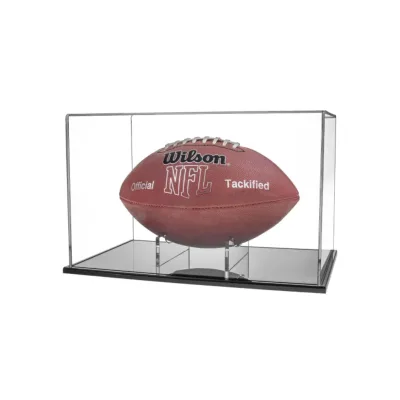


$0.39 - $0.62
MOQ: 1000 Pieces


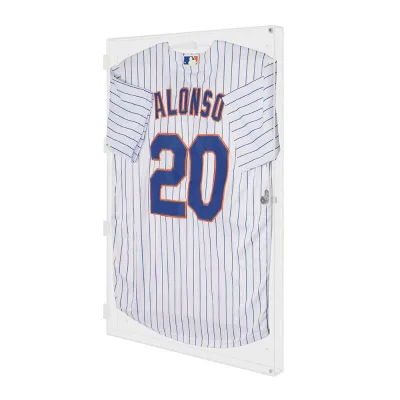
Uv Protection Wall Mounted Clear Acrylic Football T Shirt Jersey Display Case Box Frames
$30.20 - $35.80
MOQ: 100 pieces


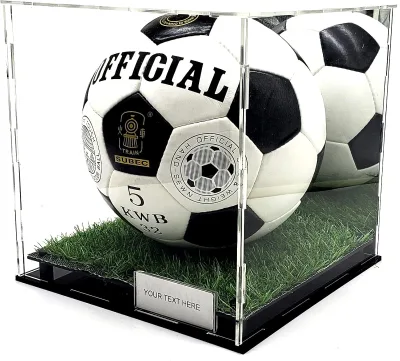
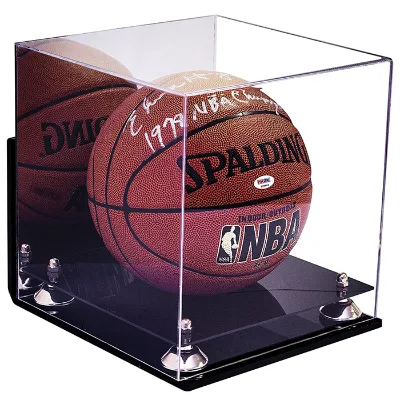
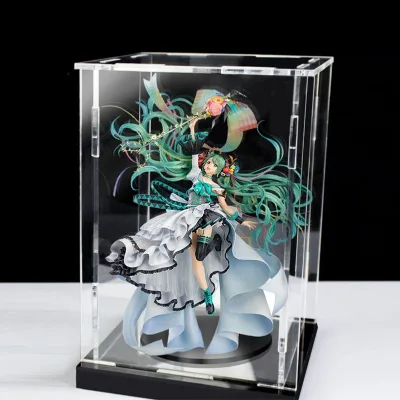
Plastic Ball Stand Display Holder Acrylic Basketball Football Soccer Display Boxes
$10.57 - $13.25
MOQ: 100 pieces
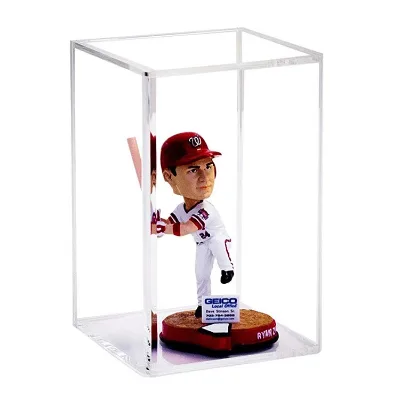
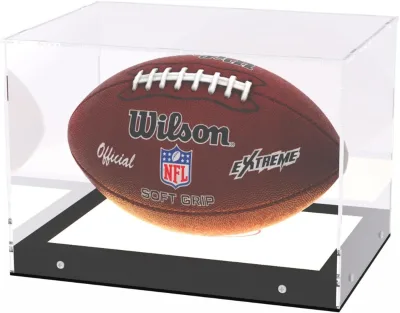

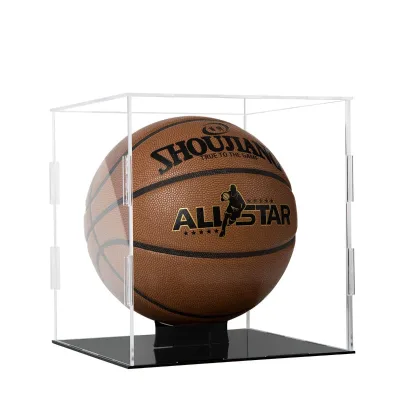
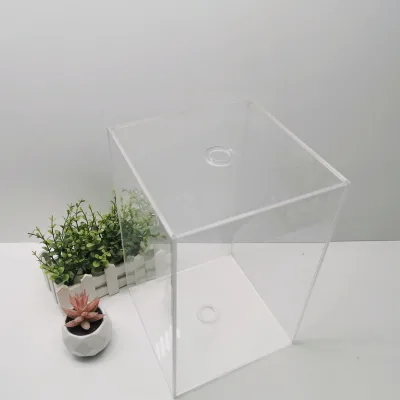
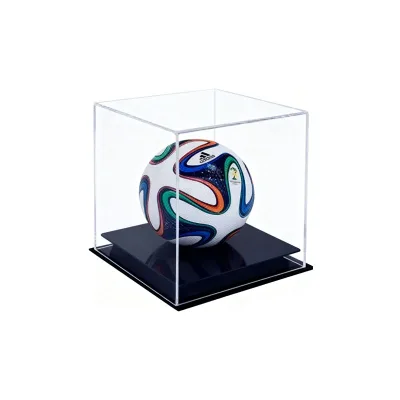
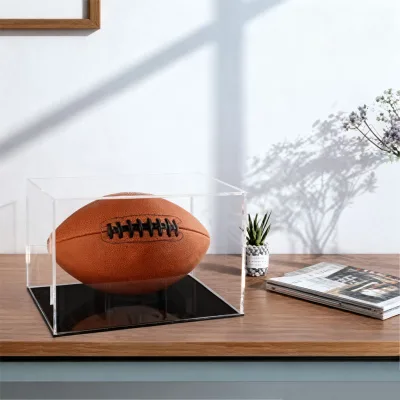

Hot Sell Square Transparent Football Display Cabinet Acrylic Box with Black Base
$2.00 - $25.00
MOQ: 100 Pieces


Comprehensive Sourcing Guide
Transparent Waterproof Football Display Box Sourcing Guide
Sourcing a Transparent Waterproof Football Display Box requires balancing aesthetic clarity with structural durability, particularly when the product serves as a promotional item or a retail fixture for sports memorabilia. The core challenge lies in selecting materials that maintain optical clarity while resisting moisture damage, ensuring the display remains pristine in varied environmental conditions. Buyers must navigate a market where "transparent" often refers to acrylic or polycarbonate substrates, while "waterproof" implies sealed joints or inherently water-resistant material properties. This guide provides a structured approach to evaluating suppliers, verifying technical specifications, and managing commercial risks associated with custom display manufacturing.
The procurement process for these specialized display units involves coordinating with manufacturers who offer OEM and ODM services, primarily located in industrial hubs such as Guangdong, Shanghai, and Zhejiang in China. These regions host a concentration of suppliers capable of handling complex customization requests, including custom logos, specific dimensions, and varied printing techniques. Understanding the distinction between rigid acrylic displays and flexible corrugated or paper-based alternatives is crucial, as the material choice directly impacts the waterproof claim, cost structure, and lead times. This guide focuses on the rigorous verification steps necessary to ensure the final product meets both functional and branding requirements.
Product Scope and Observed Listing Signals
The observed market signals indicate a diverse range of products categorized under football or rugby display boxes, with significant variation in material composition and intended use. Listings frequently cite materials such as acrylic, corrugated board, and paper, suggesting that the term "transparent waterproof" may be interpreted differently by various suppliers. Acrylic-based displays are typically associated with high clarity and durability, making them suitable for long-term indoor or protected outdoor use. In contrast, listings mentioning corrugated board or paper often emphasize customization and cost-effectiveness, though their waterproof capabilities may rely on specific surface treatments like lamination or varnish rather than inherent material properties.
Price points and minimum order quantities (MOQs) vary widely, reflecting the complexity of customization and material choices. Observed price ranges span from low-cost items starting around $0.12 to premium custom units exceeding $500, indicating that simple stock items differ significantly from bespoke engineering solutions. MOQs typically range from 200 pieces to 1,000 pieces, with some suppliers offering free samples only for stock items. Buyers should note that "transparent" products often require higher MOQs due to the specialized nature of acrylic cutting and polishing processes, whereas paper-based alternatives may offer lower entry barriers but different aesthetic outcomes.
Technical Specifications to Verify
Verifying the material composition is the first critical step in ensuring the display meets the "transparent waterproof" requirement. Buyers must confirm whether the product is made from acrylic, which offers natural transparency and water resistance, or if it involves coated paper or corrugated board that relies on surface treatments for moisture protection. Specifications such as "Various Sizes" and "Custom Shape" are common, but buyers must provide precise dimensional requirements to avoid fit issues. The model numbers observed, such as PP-G0326 or FP02060005, serve as internal references for suppliers, so buyers should request detailed technical drawings or CAD files to ensure the physical dimensions align with their storage or display needs.
Surface treatment and printing methods significantly impact both the visual appeal and the durability of the display. Common techniques include CMYK and Pantone printing, flexographic printing, and offset printing, with options for matte or glossy lamination, varnish, embossment, and UV coating. These treatments can enhance water resistance, particularly for paper-based products, but buyers must verify the specific type of lamination or coating used. Additionally, the "Durable" feature cited in listings should be validated through material thickness specifications and joint construction methods, such as solvent welding for acrylic or reinforced corners for cardboard, to ensure the display can withstand handling and environmental exposure.
Compliance and Safety Documentation
Compliance documentation is essential for verifying the safety and quality of the materials used in the display box. Suppliers often cite certifications such as ISO9001, ISO14001, SGS, and BV, which indicate adherence to quality management and environmental standards. However, buyers must verify the scope of these certifications to ensure they cover the specific manufacturing processes and materials used for the display. For products intended for food, apparel, or household use, additional safety certifications may be required to ensure that inks, adhesives, and coatings are non-toxic and safe for indirect contact.
The "Waterproof" claim requires specific verification, as it is not always covered by general quality certifications. Buyers should request test reports or material safety data sheets (MSDS) that detail the water resistance properties of the acrylic or coated paper. If the product is intended for outdoor use, UV resistance and weatherability tests should be requested to ensure the material does not yellow, crack, or degrade under sunlight and rain exposure. Understanding the specific standards applied, such as SGS testing protocols, helps buyers assess the reliability of the waterproof claim and the overall longevity of the product.
Cost Drivers and Commercial Terms
Several factors influence the final cost of a Transparent Waterproof Football Display Box, with material choice and customization level being the primary drivers. Acrylic displays generally command higher prices due to the cost of raw materials and the precision required for cutting and polishing. In contrast, paper-based displays with lamination may be more cost-effective but could have higher per-unit costs if complex printing or finishing processes are involved. Buyers should also consider the impact of logo customization, color matching (CMYK vs. Pantone), and special surface treatments on the overall price, as these elements add complexity to the production process.
Commercial terms, including payment methods and lead times, vary among suppliers and should be clearly defined in the purchase agreement. Common payment terms include T/T, L/C, D/P, and PayPal, with lead times typically ranging from 7 to 12 working days after artwork or documents are confirmed. Buyers should account for additional time required for sample approval, especially if custom designs are involved. Shipping methods, such as sea, air, or express freight, also impact the total cost and delivery timeline, with palletized or containerized shipping being more economical for larger orders.
Supplier Qualification and Quality Control
Supplier qualification is critical to ensuring consistent quality and reliable delivery of transparent waterproof display boxes. Buyers should verify the supplier's manufacturing capabilities, including their experience in producing custom displays and their ability to handle OEM/ODM requests. The "10+ Years Experience" claim cited by some suppliers suggests a level of expertise, but buyers should request references or case studies to validate this experience. Additionally, verifying the supplier's location, whether in Guangdong, Shanghai, or Zhejiang, can provide insights into their supply chain efficiency and access to raw materials.
Quality control measures should be established before production begins, including clear specifications for material thickness, color accuracy, and structural integrity. Buyers should request pre-production samples to verify the transparency, waterproof properties, and print quality. During production, regular inspections or third-party quality control services can help identify and address issues early. Post-production, a final random inspection should be conducted to ensure the products meet the agreed-upon standards before shipment. Establishing a clear communication channel for addressing defects or discrepancies is also essential for maintaining quality.
Long-Term Procurement Checks
Long-term procurement success depends on establishing a robust relationship with suppliers who can consistently meet quality and delivery expectations. Buyers should monitor supplier performance over multiple orders, tracking metrics such as on-time delivery rates, defect rates, and responsiveness to issues. Regular feedback and performance reviews can help identify areas for improvement and strengthen the partnership. Additionally, staying informed about industry trends and new material technologies can help buyers make informed decisions about future purchases, such as adopting more sustainable or durable materials.
Continuous verification of compliance and safety standards is also necessary, as regulations and customer expectations evolve. Buyers should periodically request updated certification documents and test reports to ensure ongoing compliance. Furthermore, maintaining a diverse supplier base can mitigate risks associated with supply chain disruptions or quality issues. By implementing these long-term checks, buyers can ensure a stable and reliable supply of transparent waterproof football display boxes that meet their branding and functional requirements.
FAQs
What materials are used for the display box?
The display box is available in acrylic, corrugated board, and paper materials. These options allow for customization based on durability needs and specific product requirements for food, apparel, or household items.
Can I get a custom logo on the product?
Yes, custom logos are available for the rugby display and football display box. The printing supports CMYK and Pantone colors, with surface treatments like lamination or varnish to ensure high-quality branding.
What is the minimum order quantity for this item?
The minimum order quantity ranges from 200 pieces to 1000 pieces depending on the specific model and customization level. Buyers should confirm the exact MOQ with the manufacturer before placing an order.
How long does it take to produce the order?
The lead time is typically 7 to 12 working days after all documents or artwork are confirmed. This duration applies to the manufacturing process once the supplier has received the necessary approvals.
Which certifications do the manufacturers hold?
Manufacturers hold ISO9001, ISO14001, SGS, and BV certifications. These standards ensure quality management and environmental compliance for the production of custom display boxes and packaging solutions.
Can the product size be customized to my needs?
Yes, the size and shape are fully customizable according to your specific requirements. The product is designed as a custom item with various sizes available to fit different display needs.
What shipping methods are available for delivery?
Products can be shipped by sea, air, or express courier services. The packaging options include cartons, kraft paper, or pallets to ensure safe transport of the display boxes to your location.