Source Truck Brake System Air Dryer for Replacement Repair and Maintenance
Find 30 listings for Truck Brake System Air Dryer components including OEM quality parts with bolt-on installation. Buyers can compare specifications, prices, and delivery times from verified suppliers in China for immediate replacement needs.
Key considerations
Products List

Commercial Truck Air Dryer for Compressed Air Dehumidification in Brake System
$1.00 - $4999.00
MOQ: 10 Pieces
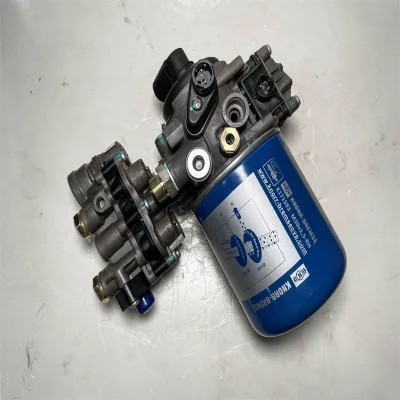

American Truck Air Dryer T224 Air Processing Unit for Truck Brake System Parts
$15.00 - $20.00
MOQ: 10 Pieces


Truck Brake Part Air Dryer 9325001100 4324150610 9325000520 for MB A0014317915
$35.00 - $45.00
MOQ: 10 Pieces


$30.00 - $50.00
MOQ: 10 Pieces


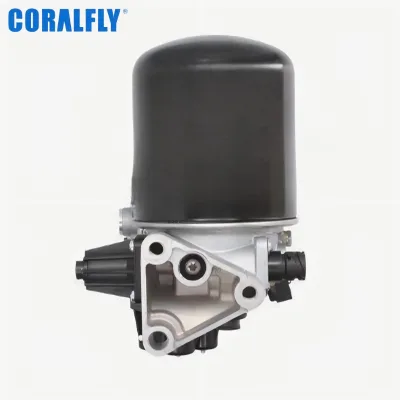


Ad0002 Air Dryer Cartridge Truck Air Dryer Canister for Heavy Duty Truck
$11.30 - $12.00
MOQ: 1 Pieces

Ad0003 Air Dryer Cartridge Truck Air Dryer Canister for Heavy Duty Truck
$13.40 - $13.50
MOQ: 1 Pieces


Comprehensive Sourcing Guide
Strategic Sourcing Guide for Truck Brake System Air Dryers
Understanding the Core Component and Market Context
The Truck Brake System Air Dryer is a critical maintenance component designed to remove moisture, oil, and particulate contaminants from the compressed air supply within heavy-duty vehicle braking systems. In the global B2B procurement landscape, this component is frequently categorized under "Truck Spare Parts and Accessories" and is essential for ensuring the longevity of pneumatic circuits. The observed market data indicates a diverse range of products available, with specific models identified by part numbers such as 4324101020, 4324101040, and 4324101110, alongside OEM-style replacements for various chassis manufacturers.
Buyers must recognize that the air dryer is not a generic part but a precision-engineered unit often classified under the "Brake System" category. The primary purpose of these units is for replacement and repair, ensuring that the braking system operates with dry, clean air to prevent valve freezing, corrosion, and premature wear. The supply chain for these components is robust, with significant manufacturing activity originating from regions such as Guangdong and Shandong in China. The observed product attributes suggest that these units are typically "New" condition items, often available in "OEM Style" to ensure direct compatibility with existing fleet configurations. Understanding the specific model numbers and part numbers is the first step in any sourcing strategy, as the market offers specific variants like the SAS-9324100202 or those compatible with part numbers like A0014317915 and 9325001100.
Technical Specifications and Operational Parameters
When evaluating air dryers for procurement, technical specifications serve as the primary filter for compatibility and performance. The supplied data highlights several key operational parameters that buyers must verify against their fleet requirements. A critical specification is the working pressure, with observed data indicating a capacity of 13.0 bar. This pressure rating is fundamental for ensuring the component can withstand the operational demands of heavy-duty truck braking systems without failure.
Temperature tolerance is another vital technical attribute. The observed data specifies a temperature range of -40°C to +80°C. This wide operational window is essential for vehicles operating in diverse climates, from arctic conditions to hot desert environments. Buyers should verify that the specific unit they are sourcing meets or exceeds this thermal range to prevent material degradation or functional failure in extreme weather.
Physical dimensions and weight are also significant factors for logistics and installation. Observed net weights for these units range from 3.5 kg to 6.0 kg, indicating variations in size and material density depending on the specific model. The physical structure is described as "Non-bearing Body," meaning the component is designed to be mounted within the air system without supporting the vehicle's structural load. The installation method is consistently noted as "Bolt-on," which simplifies the replacement process for maintenance teams. Furthermore, the finish is typically "Primed," a standard preparation that may require additional painting or coating depending on the buyer's specific aesthetic or corrosion protection requirements.
| Specification Category | Observed Data Points | Verification Requirement |
|---|---|---|
| Working Pressure | 13.0 bar | Confirm compatibility with vehicle air system pressure |
| Temperature Range | -40°C ~ +80°C | Ensure suitability for local operating climate |
| Net Weight | 3.5 kg to 6.0 kg | Calculate shipping costs and handling requirements |
| Structure | Non-bearing Body | Verify mounting bracket compatibility |
| Installation Method | Bolt-on | Check existing bolt patterns and clearance |
| Finish | Primed | Determine need for post-processing or painting |
Compliance, Certification, and Quality Standards
In the B2B procurement of truck components, compliance with international standards is non-negotiable. The market data indicates that many suppliers offer products with "ISO/TS" certification, which is a crucial indicator of quality management systems tailored for the automotive industry. Additionally, "ISO" certification is explicitly mentioned for tire and general product standards, suggesting a broader adherence to quality protocols. Buyers should verify that the specific air dryer they intend to purchase holds valid ISO/TS certification, as this ensures the manufacturing process meets rigorous automotive industry requirements.
The concept of "OEM Quality" is frequently cited in product descriptions, implying that the components are manufactured to meet the original equipment manufacturer's specifications. This is a critical differentiator from aftermarket parts that may not meet the same tolerances. The data also mentions "Emission Standard: Available," which suggests that some models may be compliant with specific environmental regulations, though buyers must confirm the exact standard applicable to their region.
Quality assurance is further supported by the availability of "Mechanical Test Reports" and "Video outgoing-inspection." These are high-confidence facts that allow buyers to request evidence of performance testing before finalizing a purchase. The presence of these reports indicates a supplier's willingness to provide transparency regarding the product's mechanical integrity. Buyers should explicitly request these documents during the negotiation phase to validate that the product has undergone the necessary stress and durability testing.
Cost Drivers and Procurement Economics
The pricing and procurement economics for truck brake system air dryers are influenced by several factors, including customization, packaging, and order volume. The observed price range in the market spans from 1 to 4999 USD, a wide spectrum that reflects differences in model complexity, material quality, and brand positioning. While the "Brand Name" Ktm is mentioned in the data, buyers should exercise caution and verify if this refers to a specific manufacturer or a generic branding used in the listing, as the core product is a functional air dryer.
The Minimum Order Quantity (MOQ) is a significant cost driver. The data presents a range of 1 to 200 units, with a specific observation of 10PCS as a common threshold. This flexibility allows buyers to start with smaller test orders or commit to larger volumes for fleet-wide replacements. The "Selling Units" are listed as "Single item," which facilitates the purchase of individual replacements without the need for bulk commitments, though bulk orders may yield better unit economics.
Packaging costs and logistics also play a role in the total cost of ownership. Options include "Customized Packing," "Neutral Packing," and "Carton Box" configurations. The choice of packaging can impact shipping costs and the protection of the goods during transit. The "Standard" dimension of 26x20x20 is noted for some packaging, which buyers should use to estimate freight volume and costs. Additionally, the "Delivery" lead time is observed to be within 15 days, which is a competitive timeframe for international shipping and should be factored into inventory planning.
Typical Applications and Compatibility
The application scope for these air dryers is extensive, covering a wide array of truck models and braking systems. The "Main Market" data reveals a global distribution, with significant demand in South America, Southeast Asia, Africa, Eastern Europe, and North America. This geographic diversity suggests that the components are designed to meet the varied operational demands of different regions. The "Part Number" data, including codes like 43241000230, La9035, and 4324101910, indicates compatibility with specific truck manufacturers and models.
The "Type" is explicitly defined as "Brake System," and more specifically, some listings mention "Disc" classification or "Drum Brakes Classification: Brake Drum." This distinction is crucial for buyers, as the air dryer must be compatible with the specific braking architecture of the vehicle. The "Position" is often listed as "Front," indicating the typical mounting location within the vehicle's air system. Buyers must cross-reference the part numbers and model specifications with their vehicle's service manual to ensure exact fitment.
The "Product Name" "Air Dryer" is often associated with "Truck Spare Parts and Accessories," reinforcing its role as a consumable maintenance item. The "Old and New" attribute confirms that these are modern replacements for older systems, often designed to improve efficiency and reliability over legacy components. The "Purpose" is clearly stated as "Used for Replacement/Repair," making these parts essential for fleet maintenance programs aiming to minimize downtime.
Supplier Evaluation and Quality Control Protocols
Selecting the right supplier requires a rigorous evaluation process based on the available data points. The "Place of Origin" is consistently listed as China, specifically from Guangdong and Shandong provinces. While these regions are known for manufacturing capabilities, buyers should not assume uniform quality across all suppliers. The "Quality" attribute of "OEM Quality" is a claim that must be substantiated through documentation.
Key evaluation criteria include the availability of "Mechanical Test Reports" and "Video outgoing-inspection." These features provide a high level of confidence in the supplier's quality control processes. Buyers should request these materials before placing an order to verify that the products have been tested for durability and performance. The "Warranty" of 1 Year is another critical factor, offering a safety net for buyers in case of early failure.
The "Customization" attribute is available, suggesting that suppliers can tailor products to specific buyer requirements. This is particularly useful for fleet operators with unique specifications. However, customization may impact lead times and costs. Buyers should clarify the extent of customization and its effect on the delivery schedule. The "Delivery" time of "Within 15 Days" is a standard expectation, but buyers should confirm this for customized orders.
Long-Term Procurement and Maintenance Considerations
For long-term procurement strategies, buyers should focus on the lifecycle management of the air dryers. The "Net Weight" and "Packing" details are essential for calculating long-term logistics costs. The "Temperature Range" and "Working Pressure" specifications ensure that the components will perform reliably over time, reducing the frequency of replacements. The "Emission Standard" availability suggests that future-proofing the fleet with compliant parts is possible, which may be required by upcoming regulations in certain markets.
The "Main Market" data indicates a global supply chain, which can be advantageous for sourcing but requires careful management of logistics and customs. Buyers should consider the "Lead Time" and "MOQ" when planning inventory levels to avoid stockouts during critical maintenance periods. The "Brand Name" and "Part Number" consistency are vital for maintaining a standardized fleet, reducing confusion during repairs and ensuring that spare parts are interchangeable.
In conclusion, sourcing truck brake system air dryers requires a meticulous approach that balances technical specifications, compliance requirements, and economic factors. By leveraging the observed data points and verifying claims through documentation, buyers can secure high-quality components that ensure the reliability and safety of their trucking operations. The availability of test reports, warranties, and customization options provides a strong foundation for building a resilient supply chain for these essential vehicle components.
FAQs
What is the working pressure rating for these air dryers?
The working pressure rating is 13.0 bar for the observed units. This capacity ensures compatibility with standard heavy-duty truck braking systems that operate under high pneumatic loads without failure.
Can suppliers provide mechanical test reports for verification?
Yes, mechanical test reports can be provided by the suppliers. This documentation allows buyers to verify the product's durability and performance before finalizing bulk orders for fleet replacements.
How long is the delivery lead time for these parts?
The delivery lead time is within 15 days for standard orders. This timeframe applies to the supply chain originating from Guangdong and Shandong provinces in China for international shipments.
What is the minimum order quantity for purchasing these units?
The minimum order quantity is 10 pieces for most listings. Some suppliers may accept orders as low as one unit, but bulk purchases often align with the standard 10-piece threshold.
Which certifications are available for these brake system components?
ISO/TS and ISO certifications are available for these components. These standards indicate adherence to quality management systems tailored for the automotive industry and general product safety protocols.
What is the temperature range these air dryers can withstand?
The temperature range is from -40 degrees Celsius to +80 degrees Celsius. This wide operational window ensures reliability in diverse climates ranging from arctic conditions to hot desert environments.