Find Truck Controller Options for Fleet Repair, Engine Tuning, and Speed Control
Browse Truck Controller listings covering speed controllers and engine control parts for replace or repair use. Buyers can compare specifications such as model numbers, OEM references, materials, certifications, and minimum order quantities, then contact suppliers directly to request samples and quotations tailored to their fleet or manufacturing plant needs.
Key considerations
Products List


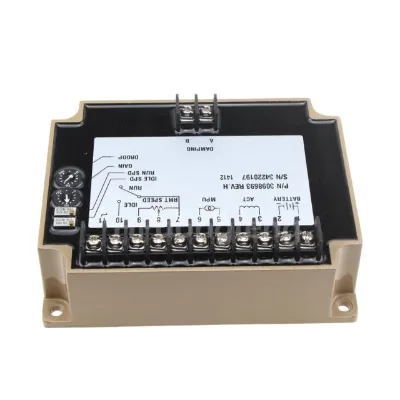


Industrial Joystick Industrial Joystick Controller for Engineering Vehicle
$100.00 - $1000.00
MOQ: 5 Pieces
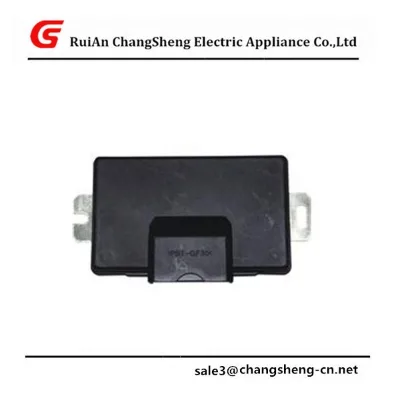


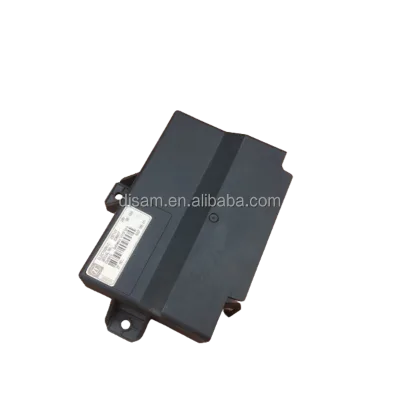


$120.00 - $10000.00
MOQ: 5 Pieces

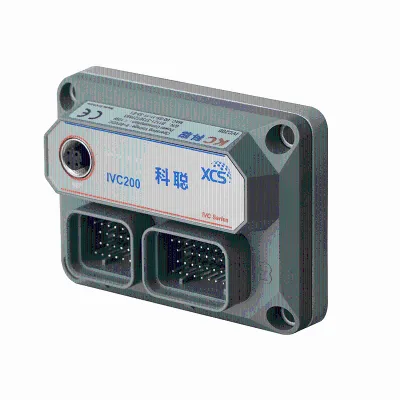

Comprehensive Sourcing Guide
Truck Controller Sourcing Guide
Sourcing a replacement or upgrade for a Truck Controller requires a disciplined approach to technical verification and supplier qualification. The market for these components is fragmented, ranging from generic aftermarket parts to specialized industrial controls that share similar underlying technologies. Buyers must navigate a landscape where terminology can be ambiguous, with listings often conflating speed controllers, resistance sensors, and general electronic control units. Understanding the specific operational context of the vehicle or machinery is the first step in filtering out irrelevant listings and identifying components that match the exact mechanical and electrical requirements of the fleet.
This guide focuses on the critical decision points for procurement professionals seeking truck controllers, particularly those involving manual operation, resistance-based sensing, or medium-voltage applications. By examining observed listing signals, technical specifications, and compliance documentation, buyers can construct a robust evaluation framework. The goal is to mitigate the risk of procuring incompatible parts, ensure long-term reliability, and establish clear commercial terms that protect against hidden costs associated with customization, shipping, and warranty claims.
Product Scope and Observed Listing Signals
The current market for truck controllers exhibits a wide variance in product attributes, reflecting the diverse needs of different vehicle types and industrial applications. Observed listings indicate a price range from $0.99 to $10,000 USD, which suggests a spectrum from simple manual switches to complex electronic control modules. Minimum Order Quantities (MOQ) vary significantly, ranging from single units for immediate repair needs to batches of 500 for large-scale fleet maintenance. This disparity highlights the importance of defining the procurement volume and urgency early in the sourcing process to align with supplier capabilities.
Specific product signals observed in the market include controllers designed for manual operation, utilizing resistance sensor technology, and intended for medium-voltage environments. Some listings specify a "withdrawable" structure, which is critical for maintenance-heavy applications where quick replacement is necessary. Other signals point to controllers with a "removable" installation type, often associated with specific mounting configurations such as vertical or underground setups, although the latter may indicate industrial rather than vehicular use. Buyers must carefully cross-reference these signals with their vehicle’s make and model, as some listings explicitly mention compatibility with specific truck models or engine sizes, such as 5.9L configurations.
Technical Specifications to Verify
Verifying the technical specifications of a Truck Controller is paramount to ensuring compatibility and performance. Buyers should prioritize the verification of the Model Number and OE Number, as these are the primary identifiers for cross-referencing with existing fleet inventory. For instance, specific listings reference model numbers like 3098693 or HLT-2BG4, which may correspond to distinct functional requirements. The physical dimensions and weight of the component, such as a single package size of 20.0x12.0x5.0 cm and a gross weight of 1.200 kg, are also critical for logistics planning and ensuring the part fits within the designated control panel or enclosure space.
The operational parameters of the controller must be rigorously checked against the vehicle’s electrical system. Key attributes to verify include the voltage level, with some controllers specified for medium-voltage applications, and the operating temperature range, which typically spans from -20℃ to +70℃. The mounting type, whether vertical or horizontal, and the structure, such as withdrawable or fixed, dictate the installation procedure and long-term accessibility. Additionally, the material composition, often metal for durability, and the certification status, such as ISO standards, provide insights into the build quality and adherence to manufacturing best practices. Buyers should request detailed datasheets that confirm these specifications rather than relying solely on listing titles.
Compliance and Safety Documentation
Compliance and safety documentation serve as the foundation for assessing the reliability and legal standing of a Truck Controller. Certifications such as ISO and ISO/TS are frequently cited in supplier listings, indicating that the manufacturer adheres to recognized quality management systems. However, buyers must verify the scope of these certifications to ensure they cover the specific type of controller being procured. The presence of a "New" condition label is standard, but it does not guarantee quality without supporting documentation. Buyers should request copies of the certification certificates and test reports to validate the supplier’s claims.
Warranty terms are a critical component of the compliance framework, offering protection against premature failure. Observed listings often include a 6-month warranty, which is a baseline expectation for electronic components. Buyers should negotiate for extended warranty periods or clear terms regarding replacement and repair costs in the event of defects. Additionally, the supplier’s business type, whether they are a manufacturer or a trader, impacts the level of support and accountability available. Manufacturers typically provide more direct technical support and easier access to spare parts, whereas traders may offer faster shipping but less control over quality assurance processes.
Cost Drivers and Commercial Terms
The cost of a Truck Controller is influenced by several factors, including customization, packaging, and shipping logistics. Customization options are available for many suppliers, allowing for tailored solutions that meet specific vehicle requirements. However, customized orders often come with higher MOQs and longer lead times, which can impact the overall procurement cost and timeline. Buyers should clearly define their customization needs early in the negotiation process to avoid unexpected price increases or delays. The packaging method, whether in carts or by container, also affects the unit cost, especially for bulk orders.
Commercial terms such as payment methods, shipping responsibilities, and return policies must be explicitly agreed upon in the purchase contract. The observed MOQ range of 1-500 units suggests flexibility, but buyers should be aware that lower MOQs may incur higher per-unit costs. Sample availability is another key consideration, with many suppliers offering samples upon contact. Obtaining a sample before placing a large order allows buyers to verify the product’s quality and compatibility, reducing the risk of costly mistakes. Buyers should also clarify the handling of defective items and the process for warranty claims to ensure a smooth post-purchase experience.
Supplier Qualification and Quality Control
Supplier qualification is a critical step in mitigating the risk of procuring substandard truck controllers. Buyers should assess the supplier’s business type, with manufacturers generally offering greater control over quality and production processes. The origin of the product, such as Jiangsu Xuzhou or Hubei, China, can provide insights into the local industrial ecosystem and the supplier’s access to raw materials and skilled labor. However, geographic origin alone is not a guarantee of quality, and buyers should conduct thorough due diligence on the supplier’s reputation, production capacity, and quality control systems.
Quality control measures should be verified through site audits, third-party inspections, or requests for detailed quality assurance documentation. Buyers should inquire about the supplier’s testing procedures, including functional tests, environmental stress tests, and durability assessments. The presence of a "Condition: New" label is a basic requirement, but buyers should also verify that the components are free from cosmetic defects and manufacturing flaws. Establishing a clear communication channel with the supplier for ongoing quality feedback is essential for maintaining high standards and addressing any issues that arise during the procurement process.
Long-Term Procurement Checks
Long-term procurement success depends on establishing a sustainable relationship with suppliers and implementing continuous improvement processes. Buyers should regularly review supplier performance metrics, including on-time delivery rates, product quality, and responsiveness to issues. This data-driven approach allows for the identification of high-performing suppliers and the early detection of potential problems. Regular audits and feedback sessions can help maintain high standards and encourage suppliers to innovate and improve their offerings.
The lifecycle management of truck controllers is another critical aspect of long-term procurement. Buyers should plan for the end-of-life of specific models and ensure that spare parts and replacement components are available. This proactive approach minimizes downtime and ensures the continued operation of the fleet. Additionally, staying informed about technological advancements in controller technology can help buyers make informed decisions about upgrades and replacements. By maintaining a strategic focus on long-term value rather than just short-term cost savings, buyers can build a resilient and efficient procurement function.
FAQs
What is a truck speed controller and how does it work?
A truck speed controller is a component that regulates engine or vehicle speed based on input signals. The listed model 3098693 operates on a resistance sensor theory, meaning it translates resistance changes into speed control commands. It is designed for trucks, used for replace or repair purposes, and matches standard size specifications for the 5.9L engine application.
Can I order a Truck Controller sample before placing a bulk order?
Yes, samples are available, and you should contact the supplier directly to arrange one. The listed products support a minimum quantity of 1, so a small trial purchase is possible. Contact the supplier to confirm sample cost, shipping method, and processing time before committing to a larger order for your truck repair or replacement needs.
Which truck models does the OE number 3098693 controller fit?
The controller with OE number 3098693 is listed for trucks and specified for the 5.9L engine model. It is intended for replace or repair purposes with a standard size. Before ordering, verify compatibility with your specific truck make and engine configuration, since the listing identifies the application generally as Truck rather than a single vehicle brand.
How long is the warranty on the Truck Controller?
The listed Truck Controller comes with a 6-month warranty. This covers defects arising under normal use within that period. Since warranty handling depends on the individual supplier, confirm the exact coverage terms, return process, and any conditions before purchase, especially if you plan to install the controller in demanding operating environments.
What certifications do these Truck Controller manufacturers hold?
The listed products carry ISO and ISO/TS certification references, indicating quality management systems at the manufacturing level. Certification does not guarantee every individual product listing meets a specific standard, so request current certificates from the supplier when evaluating vendors. Also confirm any additional market-specific approvals your region requires for truck electronic components.
Can I order customized truck controllers with my own branding?
Yes, customization is available and OEM production is supported on the listed products. Minimum quantities start at 1, which makes small custom trials feasible. Discuss branding, packaging, and specification requirements directly with the supplier, and note that customized orders may affect pricing, lead time, and minimum order terms compared with standard units.
How is the Truck Controller packed for shipping?
Listed packaging includes cartons and container shipping, with a single package size of 20.0 x 12.0 x 5.0 cm and a single gross weight of 1.2 kg. Standard packaging applies to regular orders. If you need specific export packaging, palletizing, or branded cartons for Truck Controller shipments, confirm the options with the supplier before ordering.
What operating conditions can the Truck Controller withstand?
The listed Truck Controller operates in temperatures from -20℃ to +70℃ and uses water as its working medium. It is designed for vertical mounting in an underground position with manual operation. These conditions suit manufacturing plant environments, but verify that the temperature range and installation orientation match your truck application before purchase.