Source Truck Differential Bevel Gears for trucks, machinery, and agricultural equipment
Find 30 listings for Truck Differential Bevel Gears with varying speed ratios, modules, and heat treatments. Buyers can compare specifications from manufacturers in Hubei, China, and request quotes for single items or bulk orders.
Key considerations
Products List
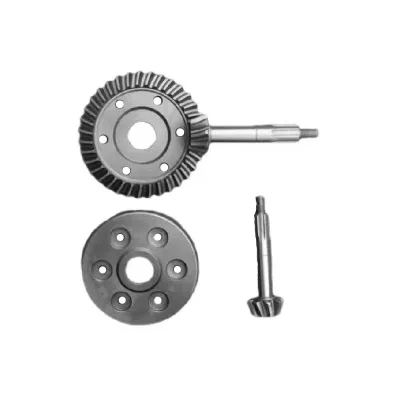
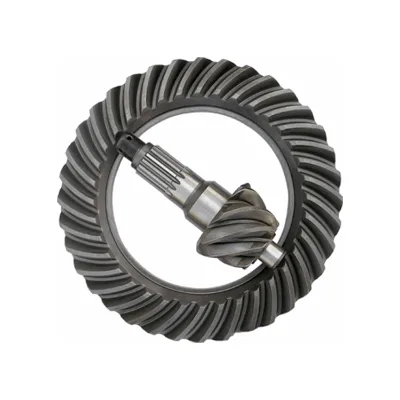
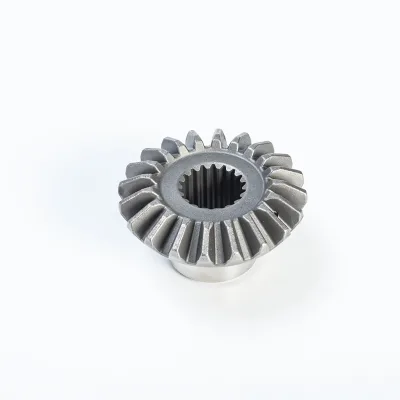
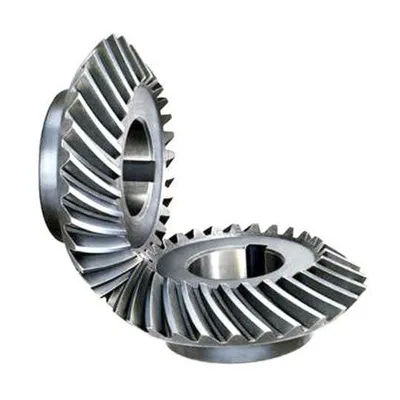
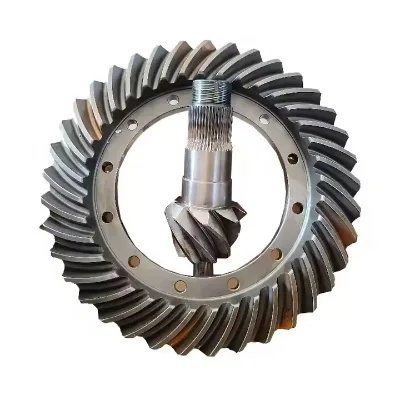


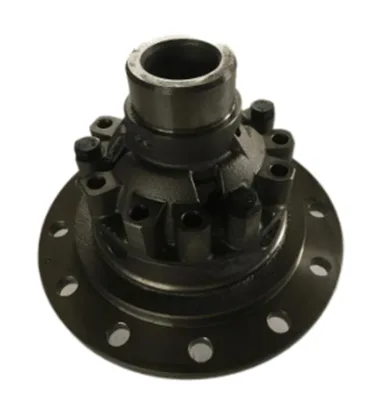


Truck Differential Spare Parts Control Gear ISO9001 SGS Differential Kits
$0.38 - $2.60
MOQ: 10 Pieces


Gear Shaft Transmission Gear Truck Differential Kits with ISO9001 Certification
$0.38 - $2.60
MOQ: 10 Pieces

Gearbox OEM Transmission Gear Truck Differential Kits with ISO9001 Certification
$0.38 - $2.60
MOQ: 10 Pieces


Comprehensive Sourcing Guide
Strategic Sourcing Guide for Truck Differential Bevel Gears
Understanding Technical Specifications and Variability
When sourcing Truck Differential Bevel Gears, the primary challenge lies in the extreme variability of technical parameters required to match specific vehicle architectures. Unlike generic fasteners, these components are critical for torque transfer and must align precisely with the vehicle's existing transmission geometry. The core product attributes observed in the market indicate that these gears are manufactured as "Bevel Gear" types, specifically designed with a "Toothed Portion Shape" of a "Bevel Wheel." The application is explicitly defined for "trucks," though the same manufacturing logic often extends to "Agricultural Machinery" and general "Machinery."
A critical observation for buyers is the non-uniformity of the speed ratios and module sizes. The market data reveals a wide spectrum of speed ratios, including specific configurations such as 6/31, 7/38, 7/41, 8/38, 10/41, 9/41, 10/43, 6/37, 11/38, 14/35, and 17/36. These ratios dictate the final drive performance and must be matched exactly to the truck's operational requirements. Furthermore, the module size, which determines the tooth size and load capacity, ranges from M1 to M10, with some listings specifying a narrower range of 1-8 or 10-60 teeth. Buyers must verify the exact module and tooth count against the original equipment manufacturer (OEM) specifications, as a mismatch in these dimensions will prevent proper meshing.
The physical dimensions also vary significantly. While some listings describe the "Size" as "Standard," the "Length" is noted as "available," implying that custom or specific length requirements are common. The "Gear Position" is consistently identified as an "External Gear," and the "Tooth Profile" may be listed as either "Helical Gear" or "Bevel Wheel," requiring careful verification of the specific tooth geometry required for the application. The "Changes Way" is often described as "Stepped," which refers to the design of the gear shaft or the gear itself to accommodate different mounting configurations.
Compliance, Certification, and Material Standards
Ensuring that a differential bevel gear meets international and industry-specific standards is paramount for safety and longevity. The supply chain for these components often references multiple certification bodies and material standards. The observed data indicates that products may carry certifications such as ISO, AISI, DIN, and CE. Additionally, the "Standard" attribute is frequently listed as "Standard," while specific product standards like "ISO" are mentioned in the context of the manufacturing process.
Buyers must verify the material composition, as the "Material" is predominantly listed as "Steel." However, the specific grade of steel is not always explicitly detailed in general listings. The manufacturing process involves "Cut Gear" methods, with specific processes including "Machined" and "Forged" techniques. The surface treatment is equally critical for corrosion resistance and wear life. Common surface finishes observed include "Zinc Plated," "Blacken," "White," and "Black." The heat treatment process is a key differentiator for durability; listings mention "High Frequency Quenching Heat Treatment," "Hardened," and "Case Harden" methods. These treatments are essential for achieving the necessary hardness to withstand the high torque loads in truck differentials.
When evaluating compliance, buyers should request documentation that confirms the specific ISO standard (such as ISO 9001:2015, though this is a background standard not explicitly confirmed for every unit) and the specific material grade standards like AISI or DIN. The "Certification" field in supplier data often lists multiple standards, but the buyer must confirm which specific certificates apply to the batch being purchased. The "Quality" attribute is generally described as "High Level," but this is a subjective claim that must be substantiated by third-party test reports or quality management system certificates.
Cost Drivers and Pricing Dynamics
The pricing of Truck Differential Bevel Gears is influenced by a complex interplay of factors, including material costs, manufacturing complexity, and order volume. The observed price range in the market is vast, spanning from $0.10 to $999.00 USD. This wide disparity is not indicative of a single product type but rather reflects the difference between small, low-load components and heavy-duty, high-torque truck gears. The "Selling Units" are typically "Single item," but the "MOQ" (Minimum Order Quantity) varies significantly, ranging from 1 piece to 10,000 pieces.
The "MOQ" is a critical cost driver. Some suppliers list an MOQ of 1 piece, which is advantageous for small repair shops or prototype testing, while others require orders of 10,000 pieces, which is typical for large-scale fleet replacements or manufacturing partnerships. The "Payment" terms observed include "T/T" (Telegraphic Transfer), "Trade Assurance," and "AilPay," which can affect the final cost through transaction fees or currency exchange rates. The "Shipping" options, including "Express," "Air," and "Sea," also contribute to the total landed cost. For heavy steel gears, sea freight is often the most economical choice, whereas express air shipping may be necessary for urgent repairs, significantly increasing the unit cost.
The "Delivery Time" is another factor influencing cost and inventory planning. The observed range is 7 to 15 days, which is relatively standard for manufactured goods. However, this lead time can fluctuate based on the "Place of Origin," which is listed as "Hubei, China" for many suppliers. Buyers should factor in potential delays due to logistics, customs clearance, and the specific "Packing" requirements, which can be "Neutral Packing" or "Customer Request." Custom packaging may incur additional costs but is necessary for protecting the gears during long-distance shipping.
Typical Applications and Operational Context
Truck Differential Bevel Gears are designed for high-stress environments where torque conversion and direction change are essential. The primary application is for "trucks," but the versatility of these components allows them to be used in "Agricultural Machinery" and general "Machinery." The "Purpose" is explicitly stated as "for replace/repair," indicating that these are often replacement parts for existing fleets rather than new manufacturing components. The "Product Name" is consistently identified as "Differential bevel gear," and the "Type" is often categorized under "Steering Gears/Shaft" or simply "Bevel Gear."
The "Speed Ratio" is a defining characteristic of the application. Different truck models require different gear ratios to optimize fuel efficiency and torque output. For instance, a ratio of 17/36 might be used for a heavy-haul truck requiring high torque, while a ratio of 6/31 might be suitable for a lighter vehicle requiring higher speed. The "Car Model" specification is listed as "For trucks," but buyers must cross-reference this with the specific make and model of the vehicle to ensure compatibility. The "OE NO." (Original Equipment Number) is often listed as "std," suggesting that many suppliers produce generic replacements that fit a wide range of standard truck models.
The "Manipulate Way" is described as "Forced Manipulation," which implies that the installation or operation of these gears may require specific tools or techniques to ensure proper engagement. The "Changes Way" being "Stepped" suggests that the gears are designed to fit into specific stepped shafts or housings. Understanding these operational contexts is crucial for buyers to ensure that the purchased gears will function correctly in their specific fleet or machinery.
Supplier Evaluation and Quality Assurance
Evaluating suppliers for Truck Differential Bevel Gears requires a rigorous approach to ensure that the "Quality" meets the "High Level" claims often made in product listings. The "Brand Name" "Zhihang" is observed in the market, but buyers should not rely on brand names alone. Instead, they should focus on the supplier's ability to provide consistent quality and adherence to the specified standards. The "Condition" of the products is listed as "New," but this is a basic requirement that must be verified upon receipt.
Quality control should begin with the verification of the "Manufacturing Method." Whether the gears are "Cut," "Machined," or "Forged" will impact their strength and durability. The "Process" details, such as "Heat Treatment" (High Frequency Quenching, Case Harden) and "Surface" treatment (Zinc Plated, Blacken), must be confirmed through test reports or certificates. The "Color" is listed as "As picture," but buyers should request physical samples to ensure the surface finish matches the visual representation and meets corrosion resistance requirements.
The "Packing" method is also a critical quality indicator. "Standard Sea Worthy Package" is a common requirement to prevent damage during transit. "Neutral Packing" or "Customer Request" options should be evaluated based on the buyer's specific logistics needs. The "Warranty" period, observed as "3 monthes" (3 months), is a key metric for supplier confidence. Buyers should negotiate warranty terms that align with the expected lifespan of the gears, as a short warranty period may indicate lower quality or higher risk.
Long-Term Procurement and Inventory Management
Long-term procurement of Truck Differential Bevel Gears requires a strategic approach to inventory management and supplier relationships. The "Reference No." is listed as "available," which is essential for maintaining accurate records and ensuring that replacement parts match the original specifications. Buyers should maintain a database of the specific "prod_model" (e.g., m1-m10, differential bevel gear, Crown Wheel and Pinion) to streamline future ordering processes.
The "Automatic" attribute is listed as "Automatic," which may refer to the manufacturing process or the vehicle's compatibility with automated systems. However, in the context of procurement, this highlights the need for suppliers to have robust production capabilities to meet demand fluctuations. The "Place of Origin" being "Hubei, China" suggests a concentration of manufacturing capabilities in this region, which can be advantageous for sourcing but requires careful logistics planning.
Buyers should consider the "Delivery Time" of 7-15 days when planning inventory levels. For critical truck fleets, maintaining a buffer stock of common gear ratios and modules is advisable to prevent downtime. The "Payment" terms, including "T/T" and "Trade Assurance," offer varying levels of security. "Trade Assurance" is particularly valuable for protecting against non-delivery or quality issues, making it a preferred method for new supplier relationships.
In conclusion, sourcing Truck Differential Bevel Gears involves a detailed understanding of technical specifications, compliance standards, cost drivers, and supplier capabilities. By carefully verifying the speed ratios, module sizes, material grades, and heat treatment processes, buyers can ensure that they procure high-quality components that meet the demanding requirements of truck operations. The wide range of available options, from single-piece orders to bulk purchases, allows for flexible procurement strategies that can adapt to the specific needs of any fleet or machinery operation.
FAQs
What certifications do Truck Differential Bevel Gears typically hold?
These gears often carry ISO, AISI, DIN, and CE certifications. Buyers must verify which specific certificates apply to the batch being purchased rather than assuming all listed standards apply to every unit.
How long is the delivery time for these gears from China?
The standard delivery time ranges from 7 to 15 days. This lead time is typical for products originating from Hubei, China, though logistics delays may occur depending on shipping methods selected.
Which speed ratios are available for Truck Differential Bevel Gears?
Available speed ratios include 6/31, 7/38, 7/41, 8/38, 10/41, 9/41, 10/43, 6/37, 11/38, 14/35, and 17/36. Buyers must match these ratios exactly to their vehicle's transmission geometry for proper function.
Can I order a single unit of Truck Differential Bevel Gears?
Yes, some suppliers list a minimum order quantity of 1 piece. However, other sources may require orders up to 10,000 pieces, so the specific MOQ depends on the chosen vendor.
What material and heat treatment processes are used for these gears?
The gears are primarily made of steel and undergo processes like High Frequency Quenching or Case Hardening. Surface treatments include Zinc Plating, Blackening, or White finishes to ensure durability and corrosion resistance.
What is the warranty period for new Truck Differential Bevel Gears?
The observed warranty period is 3 months. This duration reflects supplier confidence in the product quality, which is generally described as high level but requires verification through test reports.