Source Truck Headache Rack for Freightliner, Semi Trucks, and Trailers
Explore 30 Truck Headache Rack options including aluminum and welded designs for Freightliner and semi trucks. Compare specifications, customization, and pricing to find the right cab rack or headache rack for your fleet needs; compare the available evidence and request quotations based on your requirements.
Updated
Key considerations
Products List


Trailer Single or Three Door Aluminum Cab Headache Rack for Semi Truck
$720.00 - $736.00
MOQ: 50 Pieces

Trailer Axle Auto Spare Part Aluminum Case Truck Heavy Duty Headache Rack
$720.00 - $800.00
MOQ: 10 Pieces


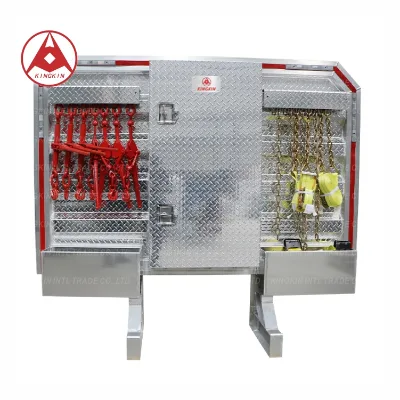
Universal Semi Truck Headache Rack Heavy Duty Aluminum One Door Cab Rack
$1250.00 - $1255.00
MOQ: 25 Pieces

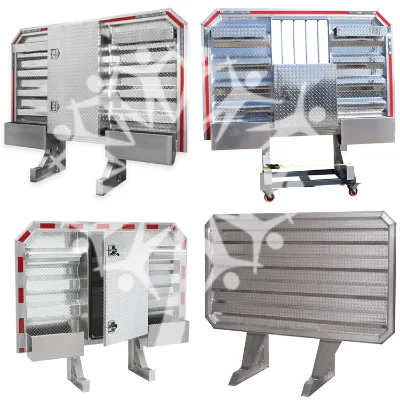
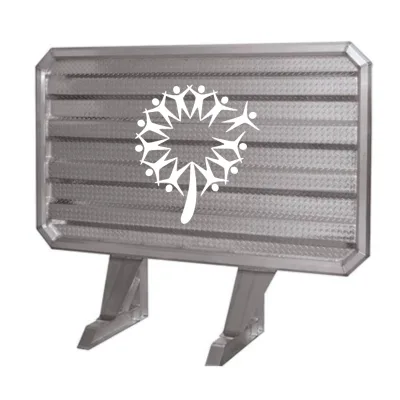
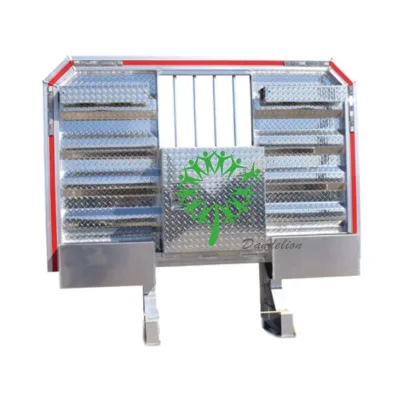
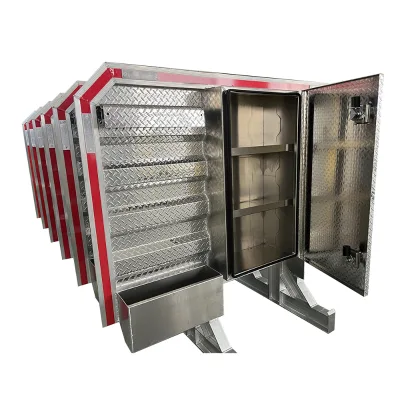
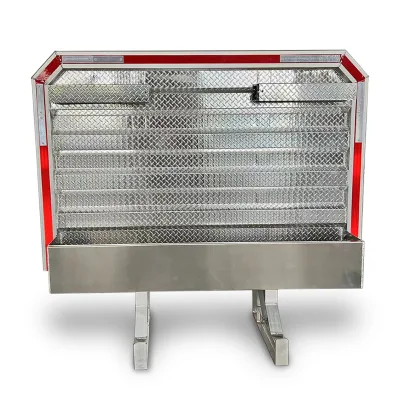
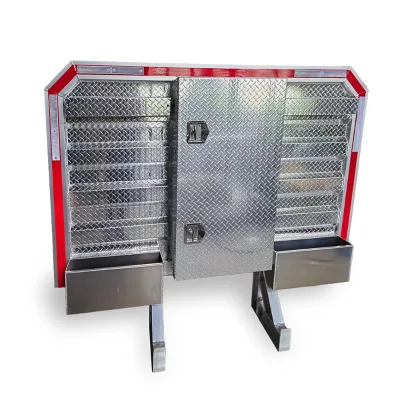
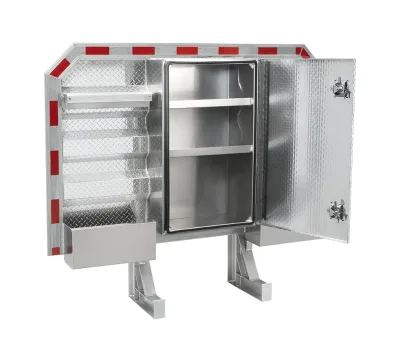
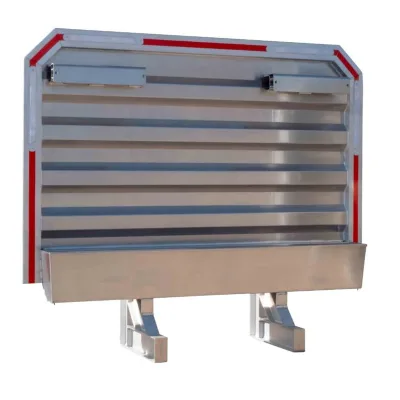



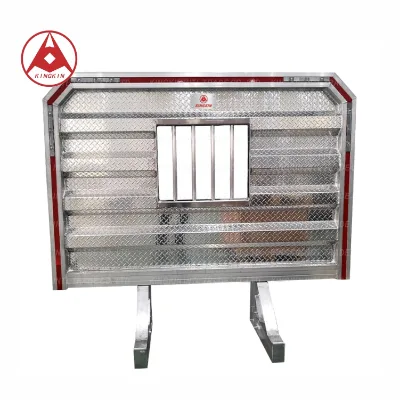
Heavy Duty 1 Window Mirror Finish Aluminum Full Tray Semi Truck Headache Rack New
$564.7206 - $677.6656
MOQ: 10 sets
Comprehensive Sourcing Guide
Truck Headache Rack Sourcing Guide
Procuring a Truck Headache Rack requires careful alignment of structural integrity with vehicle-specific mounting requirements. Buyers must first determine whether the application involves a cab rack, a J-cab configuration, or a standard semi-truck exterior part. The observed market includes diverse styles, ranging from custom aluminum builds to painted steel options, each serving distinct protective and aesthetic functions. Understanding these variations is essential for selecting a component that enhances safety without compromising the truck’s operational performance or aerodynamic profile.
The sourcing landscape features suppliers primarily located in China, with specific manufacturing hubs in Zhejiang and Jiangsu provinces. These regions offer a wide array of customization capabilities, allowing buyers to tailor dimensions and finishes to their fleet’s unique needs. Whether sourcing for Freightliner compatibility or international truck models, buyers should prioritize suppliers who provide clear installation methods, such as bolt-on or weld-on systems, to ensure seamless integration with existing vehicle structures and maintain long-term durability under heavy-duty conditions.
Product Scope and Observed Listing Signals
The current market presents a variety of headache rack configurations, including top-mount tarp trays and standard cab racks designed for semi-trucks. Listings indicate a broad price range, reflecting differences in material quality, size, and customization levels. Buyers will encounter products with specific model numbers like KKHR-6880 and KKH003, which often correspond to distinct dimensional standards such as 68"x80" or customized sizes. These signals help buyers identify whether a supplier offers standardized inventory or bespoke manufacturing solutions tailored to specific truck makes and models.
Observations reveal that materials predominantly include aluminum, chosen for its balance of strength and weight, with finishes ranging from painted silver to diamond plate or polished surfaces. The condition of these parts is consistently listed as new, and they are often marketed with features like red or blue trim for enhanced visibility. Buyers should note that while some products are described as non-bearing body structures, others serve as critical safety improvements, making it vital to verify the specific functional role of each rack before committing to a purchase order.
Technical Specifications to Verify
Verifying the physical dimensions and structural design is paramount when sourcing headache racks. Buyers must confirm exact measurements, such as the 60-inch top mount tarp tray with specific width and height constraints, or the 68"x80" standard size, to ensure compatibility with their truck’s cab dimensions. The placement of the rack, whether on the left, rear, or as a general cab accessory, significantly impacts installation complexity and vehicle clearance. Detailed specification checks prevent costly fitment issues and ensure the rack provides adequate protection without obstructing critical vehicle components or driver visibility.
Installation methods vary widely, with options including bolt-on and weld-on techniques, each requiring different preparation and tooling on the buyer’s end. Buyers should also assess the weight of the component, as some listings indicate weights around 100 kg, which affects handling and structural load on the truck frame. Additionally, verifying the technical construction, such as welded joints versus riveted assemblies, ensures the rack can withstand the vibrations and impacts associated with heavy-duty transport. Clear technical documentation from the supplier is essential to guide proper installation and maintain structural integrity over time.
Compliance and Safety Documentation
Safety improvement is a primary function of headache racks, making compliance with relevant safety standards a critical verification step. Buyers should request documentation that confirms the rack meets regional safety regulations for truck accessories, ensuring it provides adequate protection against shifting cargo. While specific certification statuses may vary, buyers must ensure that the supplier can provide evidence of rigorous testing for impact resistance and structural stability. This due diligence helps mitigate liability risks and ensures that the installed rack contributes positively to the overall safety profile of the trucking operation.
Documentation should also cover the material composition and surface treatment processes, such as painting or diamond plating, which affect durability and corrosion resistance. Buyers need to verify that the finish meets industry expectations for longevity in harsh environmental conditions. Although some background information mentions reach certifications, buyers should focus on obtaining concrete proof of quality control measures and material safety data sheets from the supplier. This ensures that the headache rack not only performs its protective function but also adheres to environmental and safety standards applicable in the buyer’s operating region.
Cost Drivers and Commercial Terms
Several factors influence the final cost of a Truck Headache Rack, including material selection, customization level, and order volume. Aluminum construction typically commands a higher price point due to its superior strength-to-weight ratio and corrosion resistance, while painted or polished finishes add to the overall cost. Buyers should also consider the packaging requirements, such as wooden cases or carton pallets, which can impact shipping expenses and handling logistics. Understanding these cost drivers allows buyers to negotiate more effectively and allocate their procurement budget efficiently across their fleet’s needs.
Minimum order quantities (MOQ) and lead times are significant commercial terms that affect procurement planning. Observed MOQs range from single units to larger batches, offering flexibility for both small-scale replacements and fleet-wide upgrades. Buyers should clarify lead times for customized orders, as bespoke dimensions or special finishes may require additional production time. Additionally, payment terms and shipping arrangements should be negotiated to align with the buyer’s cash flow and operational schedule, ensuring a smooth transaction process from order placement to final delivery and installation.
Supplier Qualification and Quality Control
Evaluating supplier qualifications is essential to ensure the reliability and consistency of the headache racks. Buyers should verify the supplier’s manufacturing capabilities, including their experience with welding techniques and surface treatments like diamond plating. Checking for established production standards and quality control processes helps ensure that each unit meets the specified dimensions and structural requirements. Suppliers with a history of producing parts for international markets or specific truck brands, such as Freightliner, may offer higher confidence in their ability to deliver compatible and durable products.
Quality control measures should include pre-shipment inspections to verify the condition, finish, and dimensions of the headache racks. Buyers should request detailed product descriptions and technical drawings to confirm that the supplied items match their specifications. Additionally, assessing the supplier’s customer service and after-sales support can provide insight into their commitment to resolving any issues that may arise post-delivery. Establishing a strong relationship with a qualified supplier ensures a consistent supply of high-quality headache racks that meet the buyer’s safety and performance standards.
Long-Term Procurement Checks
Establishing long-term procurement checks ensures that the headache racks continue to meet performance expectations over time. Buyers should monitor the durability of the finish and the integrity of the welds under real-world operating conditions. Regular feedback from drivers and maintenance teams can provide valuable insights into the rack’s performance and any potential issues that need to be addressed. This ongoing evaluation helps buyers make informed decisions about future orders and supplier relationships, ensuring that their fleet remains protected and operational.
Continuous improvement in procurement processes involves staying updated on industry trends and new technologies in truck accessory manufacturing. Buyers should periodically review their supplier base to ensure they are getting the best value and quality for their investment. Engaging with suppliers to discuss potential upgrades or customization options can lead to improved products that better suit evolving fleet needs. By maintaining a proactive approach to procurement, buyers can enhance the safety, efficiency, and longevity of their trucking operations.
FAQs
What materials are used for truck headache racks?
Truck headache racks are primarily constructed from aluminum to ensure durability and lightweight performance. Some models feature a diamond plate or polished surface treatment for enhanced aesthetics and protection. The material choice supports structural integrity while maintaining compatibility with various semi-truck cab configurations.
Can truck headache racks be customized for specific trucks?
Yes, customization is available for truck headache racks to fit specific vehicle models. Buyers can select custom styles, colors like silver or red and blue trim, and specific dimensions such as 68 by 80 inches. This ensures the rack meets precise functional and aesthetic requirements for different truck applications.
How are truck headache racks installed on vehicles?
Installation methods for truck headache racks include bolt-on and weld-on techniques depending on the design. Some units are designed as non-bearing body structures for easy attachment. The installation process ensures secure mounting to the cab rack or headache rack position, providing stability and safety for transported cargo.
What is the typical MOQ for ordering truck headache racks?
The minimum order quantity for truck headache racks typically starts at one piece, allowing for sample orders. However, some suppliers may require a minimum of ten pieces for standard production runs. Buyers should verify specific MOQ requirements with manufacturers to align with their procurement volume and budget constraints.
Where are truck headache racks manufactured?
Truck headache racks are manufactured in China, with production facilities located in regions such as Zhejiang and Jiangsu. These origins indicate a concentration of specialized manufacturing capabilities for truck exterior parts. Buyers can source these components directly from these regions to access competitive pricing and established supply chains.
What packaging is used for truck headache racks?
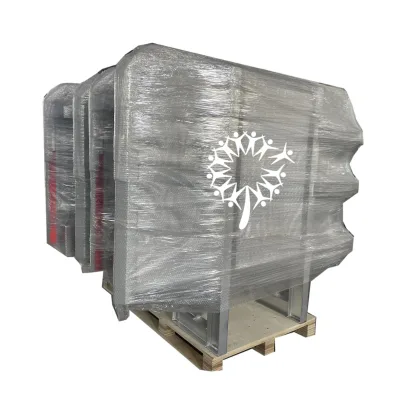
Truck headache racks are packaged in wooden cases, carton boxes with pallets, or poly bags with carton boxes. Some suppliers offer customized packaging solutions to protect the product during transit. The packaging method ensures the aluminum or steel components remain undamaged and ready for installation upon arrival at the destination.