Source UK Standard 3pin Power Cord for Computers, Home Appliances, and Office Equipment
Browse listings for the UK Standard 3pin Power Cord and compare conductor sizes, cable lengths, rated currents up to 13A at 250V, plug and connector types such as C13, plus packaging and customization options. Across 30 products, evaluate specs side by side to match your application requirements.
Key considerations
Products List


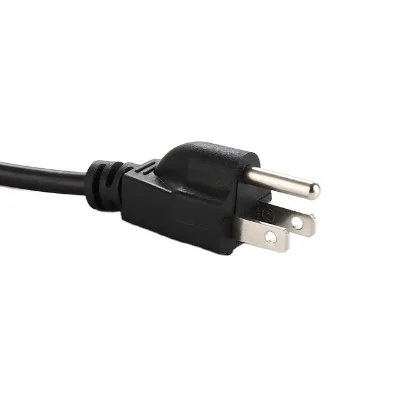


Comprehensive Sourcing Guide
UK Standard 3pin Power Cord Sourcing Guide
Sourcing power cords that meet United Kingdom electrical standards requires a disciplined approach to technical verification and supplier qualification. The UK market operates under distinct regulatory frameworks that differ significantly from other global regions, particularly regarding plug geometry, wire gauge requirements, and safety certifications. Buyers must navigate a landscape where visual similarity between compliant and non-compliant products can be deceptive, making precise specification alignment critical for operational safety and legal compliance. This guide provides a structured framework for evaluating suppliers, verifying technical attributes, and managing commercial risks associated with importing UK-standard 3-pin power cords.
The procurement process begins with a clear definition of the end-use application, as this dictates the necessary current ratings, conductor sizes, and connector types. Whether the cord is intended for high-power home appliances, computer peripherals, or industrial machinery, the specifications must align with the device’s power consumption and the environmental conditions of its deployment. Buyers should prioritize suppliers who demonstrate transparency in their manufacturing processes and provide verifiable documentation for every batch produced. Establishing a robust sourcing strategy early in the engagement helps mitigate the risk of receiving products that fail to meet local safety codes or fail prematurely in the field.
Product Scope and Observed Listing Signals
The market for UK standard 3-pin power cords presents a wide variety of configurations, with observed listings indicating a broad range of lengths and connector types. Common length options include 1 meter, 1.5 meters, 2 meters, and 5 meters, with many suppliers offering customized lengths to suit specific installation requirements. The physical construction typically involves a PVC sheath material, which provides durability and flexibility, although specialized applications may require alternative insulating materials such as PTFE for high-temperature resistance. The outer diameter of the cable is often standardized around 6.8mm for common configurations, but buyers must verify this dimension against their housing or strain relief requirements to ensure proper fitment.
Connector configurations vary significantly, with the UK 3-pin plug being the primary focus, but the opposite end can differ based on the device being powered. Observed product attributes include C13, C5, and C7 connectors, which are commonly used for computers, monitors, and various home appliances. The conductor size is a critical variable, with options ranging from 0.3mm² to 0.75mm², often configured as 3-core cables. Buyers should note that while some listings specify a conductor size of 30.3mm², others may offer 30.5mm² or 3*0.75mm², directly impacting the current-carrying capacity and voltage drop characteristics of the cord. Understanding these variations is essential for matching the cord to the specific power demands of the target equipment.
Technical Specifications to Verify
Technical verification must begin with the conductor material and cross-sectional area, as these factors determine the cord’s ability to handle electrical load without excessive heating. The supplied facts indicate that copper is the standard conductor material, which is essential for maintaining conductivity and safety. Buyers should confirm the exact gauge of the copper conductors, as undersized wires can lead to overheating and potential fire hazards. The rated current is another critical parameter, with observed specifications ranging from 3A to 13A. It is imperative to match the cord’s rated current to the device’s maximum draw, ensuring that the 13A UK plug standard is not exceeded by the internal wiring capacity.
The insulation and sheath materials must also be rigorously evaluated to ensure they meet the environmental and safety requirements of the deployment. While PVC is commonly cited as the sheath material, some specialized listings mention polystyrene or PTFE for insulating materials, which may be required for specific high-temperature or chemical-resistant applications. The IP rating, observed as IP38 in some listings, provides insight into the level of protection against solid objects and water ingress, though buyers should verify if this rating applies to the entire assembly or just specific components. Additionally, the plug standard must be strictly UK-compliant, featuring the correct pin configuration and fuse requirements, as deviations can result in incompatibility with UK sockets and void insurance coverage in the event of an electrical fault.
Compliance and Safety Documentation
Compliance with UK electrical safety standards is non-negotiable for any power cord intended for use in the United Kingdom or exported to markets with similar regulatory frameworks. Buyers must request evidence of conformity with relevant British Standards, such as BS 1363 for plugs and BS 4873 for appliance couplers. While the supplied facts mention RoHS compliance and ISO standards, these are general environmental and quality management certifications that do not replace specific electrical safety approvals. Buyers should insist on test reports from accredited laboratories that verify the cord’s ability to withstand voltage, current, and mechanical stress under UK operating conditions.
Documentation should also include detailed information on the fuse rating within the UK plug, as this is a critical safety component designed to protect the cord and connected device from overcurrent. The fuse must be appropriately rated for the cord’s capacity and installed correctly to ensure it blows before the wire insulation melts. Buyers should verify that the supplier provides a Certificate of Conformity or a Declaration of Conformity that explicitly references the applicable UK standards. Additionally, any claims regarding IP ratings or flame retardancy must be supported by third-party test data, as these attributes are often subject to specific testing protocols that vary by region and application.
Cost Drivers and Commercial Terms
The cost of UK standard 3-pin power cords is influenced by several factors, including the conductor size, length, and the complexity of the connector assembly. Observed price ranges in the market vary significantly, reflecting differences in material quality, manufacturing processes, and order volumes. Buyers should be aware that lower prices may correlate with thinner conductors or inferior insulation materials, which can compromise safety and longevity. It is essential to evaluate the total cost of ownership, including the potential risks of product failure, rather than focusing solely on the unit price. Customization options, such as specific lengths or branded packaging, can also impact the final cost, so buyers should clarify these requirements early in the negotiation process.
Commercial terms, including minimum order quantities (MOQ) and payment conditions, play a significant role in the procurement strategy. Observed MOQs range from small quantities for sampling to large volumes of up to 15,000 pieces, with some suppliers setting specific thresholds such as 5,000 pieces for standard orders. Buyers should negotiate terms that align with their inventory management capabilities and cash flow constraints. Packaging details, such as PE bags, carton boxes, or custom packaging, should be specified to ensure that products arrive in good condition and are easy to handle in the warehouse. Lead times and shipping terms should also be clearly defined to avoid delays in production schedules.
Supplier Qualification and Quality Control
Supplier qualification is a critical step in ensuring the reliability and safety of the sourced power cords. Buyers should conduct thorough due diligence on potential suppliers, verifying their manufacturing capabilities, quality control processes, and track record in the industry. The supplied facts indicate that many suppliers are located in Guangdong, China, a major hub for electrical component manufacturing. Buyers should assess the supplier’s facility for adherence to international quality standards, such as ISO 9001, and inquire about their internal testing procedures for every batch of production.
Quality control measures should include incoming material inspections, in-process checks, and final random inspections before shipment. Buyers should request detailed inspection reports that cover electrical tests, mechanical tests, and visual inspections of the plugs and connectors. It is also advisable to implement a sampling plan for incoming goods to verify that the received products match the approved samples and specifications. Establishing a clear communication channel with the supplier for addressing any quality issues is essential for maintaining long-term partnerships and ensuring consistent product quality.
Long-Term Procurement Checks
Long-term procurement success depends on continuous monitoring of supplier performance and product quality. Buyers should establish key performance indicators (KPIs) to track metrics such as on-time delivery, defect rates, and responsiveness to issues. Regular audits of the supplier’s quality management system can help identify potential risks and drive continuous improvement. Additionally, buyers should stay informed about changes in UK electrical regulations and standards to ensure that their sourced products remain compliant over time.
Feedback loops with end-users and field performance data should be used to evaluate the durability and reliability of the power cords in real-world conditions. Any recurring issues or failures should be addressed promptly with the supplier to prevent further incidents. Building a diversified supplier base can also mitigate risks associated with single-source dependencies, ensuring business continuity in the event of supply chain disruptions. By maintaining a proactive approach to supplier management and quality assurance, buyers can secure a reliable supply of high-quality UK standard 3-pin power cords that meet their operational and safety requirements.
FAQs
What are the available conductor sizes for this cord?
The available conductor sizes are 0.3mm, 0.5mm, and 0.75mm. These options allow for flexibility in current handling and application requirements. The product supports customization to meet specific electrical needs. This ensures compatibility with various home appliances and computer equipment. Buyers can select the appropriate gauge based on their power consumption demands.
Can the power cord length be customized?
Yes, the power cord length can be customized. Standard lengths include 1m, 1.5m, 2m, and 5m. The manufacturer supports tailored specifications to fit unique installation constraints. This customization service ensures the cord fits specific device or environmental requirements. Buyers should specify their desired length during the ordering process for accurate fulfillment.
What certifications does the product hold?
The product holds RoHS certification, ensuring compliance with environmental standards. It is manufactured in Guangdong, China, under standard export conditions. The sheath material is PVC, and the plug type is UK standard. These attributes confirm the product meets basic safety and material requirements for international trade. Buyers should verify specific regional compliance needs with the supplier directly.
What is the minimum order quantity for this item?
The minimum order quantity is 5000 pieces. This MOQ applies to standard customization requests. The product is packed in carton boxes, with 20 pieces per bag. Bulk orders are suitable for home appliance and computer manufacturers. Buyers requiring smaller quantities should contact the supplier to discuss potential exceptions or alternative options.
Which applications is this power cord suitable for?
This power cord is suitable for home appliances and computers. It features a UK plug and C13 connector options. The rated voltage is 250V, with current ratings of 3A, 5A, 10A, or 13A. The black PVC sheath provides durability for general use. These specifications make it ideal for standard electronic device power connections.