Source unisex gray welder helmet charm for TIG, MIG, and Mag Welding
Compare 30 unisex gray welder helmet charm options featuring auto-darkening lenses, adjustable headbands, and durable PP or nylon materials. Buyers can evaluate optical class ratings, switching speeds, and customization availability for TIG, MIG, and Mag welding applications; compare the available evidence and request quotations based on your requirements.
Key considerations
Products List
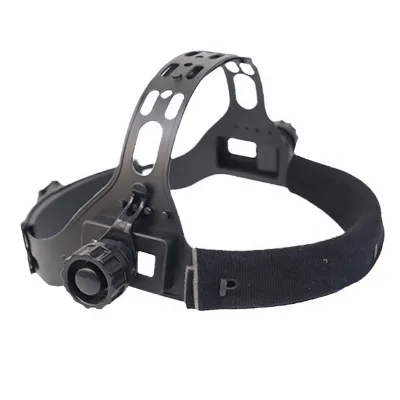


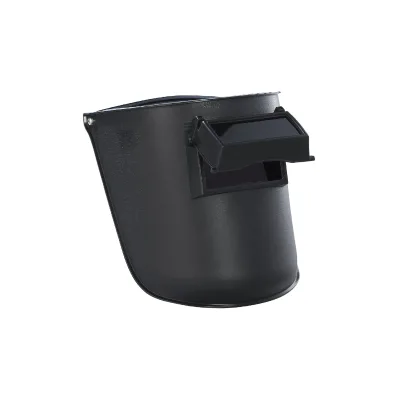


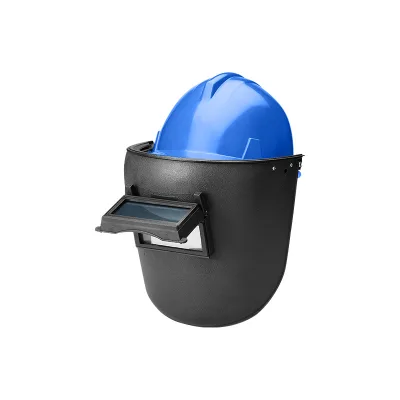


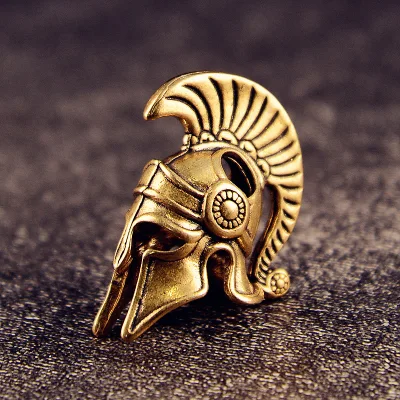


Comprehensive Sourcing Guide
Unisex Gray Welder Helmet Charm Sourcing Guide
The term "unisex gray welder helmet charm" suggests a decorative or functional accessory intended for personalization rather than a primary safety device. Based on the available product data, the core inventory consists of welding helmets, headbands, and cartridges with specific optical and material properties. Buyers should distinguish between the actual safety equipment, such as the head-mounted or handheld welding helmets listed, and any potential aftermarket charms or accessories that might be marketed under similar keywords. The observed listings focus heavily on the helmet's functional attributes, including auto-darkening capabilities and specific viewing areas, rather than decorative elements.
Procurement strategies must align with the actual product categories found in the supply chain, which include PP and Nylon materials with varying optical classes. The data indicates a range of models like D 034 and AM-910, which feature specific cartridge sizes and switching times. When searching for a "charm," buyers must verify if the item is a genuine safety component or a non-certified add-on. The observed product attributes emphasize work safety applications, suggesting that any accessory must not compromise the integrity of the primary protective gear.
Product Scope and Observed Listing Signals
The observed product scope reveals a diverse range of welding equipment, including head-mounted helmets, handheld units, and adjustable headbands. Listings explicitly mention features such as auto-darkening support, specific optical classes like 1/1/1/2, and viewing areas measuring 94*43 mm. These signals indicate that the market offers functional safety gear rather than simple decorative items. Buyers should expect to find products with varying material compositions, including PP and Nylon, designed for TIG, MAG, and MIG welding applications.
Commercial signals show a wide MOQ range from 1 to 8000 units, with prices observed between 0.5 and 40 USD. The data highlights specific models such as D 045 and D 048, which come in different packing configurations like cartons or color boxes. This variability suggests that buyers can source either single items for immediate needs or bulk orders for distribution. However, the absence of specific "charm" data in the high-confidence facts requires careful filtering to ensure the selected product meets the intended aesthetic or functional requirements without sacrificing safety standards.
Technical Specifications to Verify
Buyers must rigorously verify the optical class and switching time of any welding helmet to ensure adequate eye protection. The observed data specifies an optical class of 1/1/1/2 and a switching time of 1/25000s, which are critical metrics for preventing arc eye and ensuring rapid reaction to light intensity changes. When evaluating products, confirm that the viewing area dimensions match the required field of vision, such as the 94*43 mm specification noted in the listings. These technical parameters directly impact the welder's comfort and safety during prolonged use.
Material composition and cartridge dimensions are equally vital for long-term durability and fit. The supply chain data indicates the use of PP and Nylon materials, with cartridge sizes ranging from 110909 mm to 212315 cm. Verify that the helmet material is robust enough to withstand industrial environments and that the cartridge fits securely within the housing. Additionally, check the power-on mechanism to ensure it automatically turns dark as described, preventing accidental exposure to harmful radiation during the welding process.
Compliance and Safety Documentation
Safety compliance is paramount when sourcing welding helmets, as these products are designed for work safety applications. While the provided data mentions EN175 and CE as background standards, buyers must request current, valid certification documents from the supplier to confirm that the specific model meets regional safety regulations. Do not assume that a product listing implies full compliance; instead, demand proof that the optical class and switching time have been tested according to recognized international standards.
Documentation should also cover the specific application of the helmet, such as its suitability for TIG, MAG, or MIG welding processes. Verify that the product includes clear instructions on usage and maintenance to ensure the safety features remain effective over time. The observed data notes a "Safe-Type" mask application, but this label alone is insufficient without supporting test reports. Ensure that the supplier provides a declaration of conformity that explicitly references the relevant safety standards for the specific model being purchased.
Cost Drivers and Commercial Terms
The cost of welding helmets is influenced by material quality, optical technology, and the complexity of the auto-darkening mechanism. Products with higher optical classes and faster switching times typically command a premium price, as seen in the observed range of 0.5 to 40 USD. Buyers should analyze the price-to-feature ratio, considering that models with Nylon or specialized PP materials may offer better durability than standard plastic alternatives. Understanding these cost drivers helps in budgeting for both initial procurement and long-term replacement cycles.
Commercial terms, including MOQ and packing specifications, significantly impact the total cost of ownership. The observed MOQ ranges from 1 to 8000 units, allowing flexibility for small businesses or large industrial buyers. Packing varies from single items to 200 pieces per carton, which affects shipping costs and storage requirements. Negotiate terms that align with your inventory strategy, ensuring that the supplier can accommodate your volume needs without compromising on the quality of the product or the lead time for delivery.
Supplier Qualification and Quality Control
Supplier qualification requires a thorough assessment of their manufacturing capabilities and quality control processes. The data indicates that products originate from Shandong, China, a region known for industrial manufacturing. Buyers should verify the supplier's ability to maintain consistent quality across different models, such as the D series and AM series listed. Request samples to test the physical durability of the PP or Nylon materials and the reliability of the auto-darkening sensors before committing to a large order.
Quality control checks should focus on the consistency of the optical class and the accuracy of the switching time. Implement a sampling plan that tests a random selection of units from each batch to ensure they meet the specified viewing area and cartridge size requirements. Additionally, verify that the packaging, whether carton or color box, protects the product during transit. A reliable supplier will provide clear documentation of their QC procedures and be transparent about any potential defects or variations in the product line.
Long-Term Procurement Checks
Long-term procurement success depends on establishing a reliable supply chain that can adapt to changing market demands. Regularly review the supplier's ability to maintain stock levels of critical models like D 034 or AM-910, ensuring that lead times remain consistent. Monitor the availability of replacement parts, such as cartridges and headbands, to minimize downtime for your welding operations. Building a strong relationship with the supplier can facilitate better communication and faster resolution of any quality issues that arise.
Continuous evaluation of product performance is essential to ensure that the helmets continue to meet safety and operational standards. Track the feedback from end-users regarding the comfort, visibility, and durability of the helmets over time. If the observed features, such as the waterproof rating or the specific color, no longer meet your needs, be prepared to adjust your sourcing strategy. Maintaining a proactive approach to procurement ensures that your team always has access to high-quality, compliant welding equipment.
FAQs
What is the viewing area size for this welding helmet?
The viewing area measures 94 by 43 millimeters, providing a clear field of vision for welders. This size accommodates standard cartridge dimensions of 110 by 90 by 9 millimeters. The design ensures adequate visibility while maintaining structural integrity during TIG, MIG, and MAG welding tasks.
Does this helmet support auto-darkening features?
Yes, the product supports auto-darkening functionality with a switching time of 1/25000 seconds. It automatically turns black upon power activation to protect eyes. The optical class is rated 1/1/1/2, ensuring reliable performance and safety for various welding applications and industrial work environments.
What material is used for the helmet construction?
The helmet is constructed from durable PP material, ensuring longevity and resistance to wear. The goggle lens utilizes PC material for clarity and impact resistance. This combination provides a lightweight yet robust solution for work safety, suitable for adjustable headband applications in professional welding settings.
Can the product be customized for specific needs?
Customization is available for this welding helmet to meet specific buyer requirements. The product supports various applications including TIG, MIG, and MAG welding. Buyers can request tailored specifications to ensure the head-mounted device fits their operational needs while maintaining the standard black color and functional design.
What is the minimum order quantity for this item?
The minimum order quantity is two units, allowing for flexible purchasing options. The selling unit is a single item, packed in cartons or boxes depending on the model. This low MOQ facilitates trial orders and small-scale procurement for businesses seeking reliable welding safety equipment from Chinese manufacturers.
Where is this welding helmet manufactured?
This welding helmet is manufactured in Shandong, China. The production location ensures access to established supply chains and manufacturing capabilities. Products originate from this region, adhering to standard packaging and quality expectations. Buyers can rely on the consistent origin for logistics planning and supplier verification processes.