Source Unisex Kids Fleece Sweatshirt for School, Sports, and Play
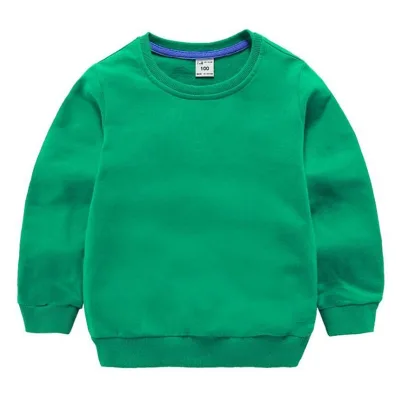
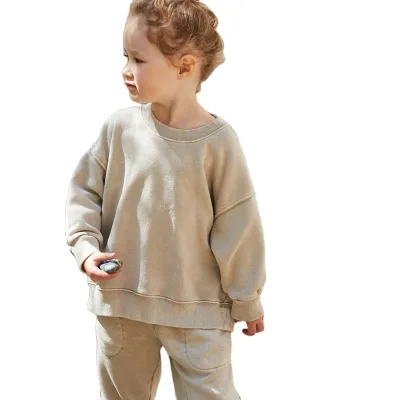
Compare 30 Unisex Kids Fleece Sweatshirt options from verified suppliers. Buyers can evaluate materials like cotton and bamboo fiber, seasonal suitability, and customization features for children aged 6 to 15 years; compare the available evidence and request quotations based on your requirements.
Key considerations
Products List


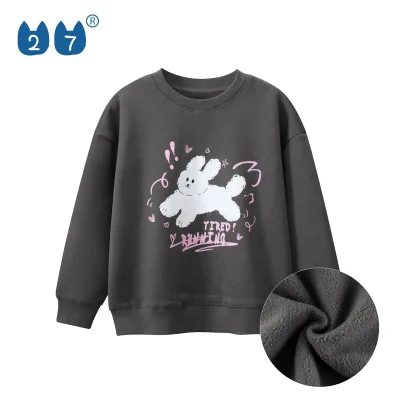
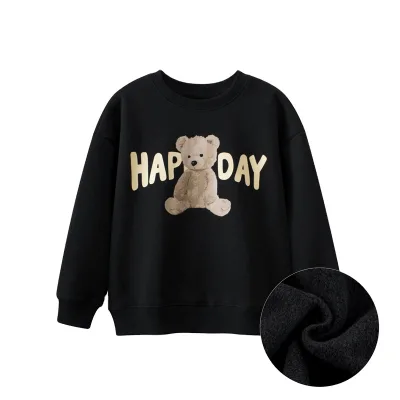
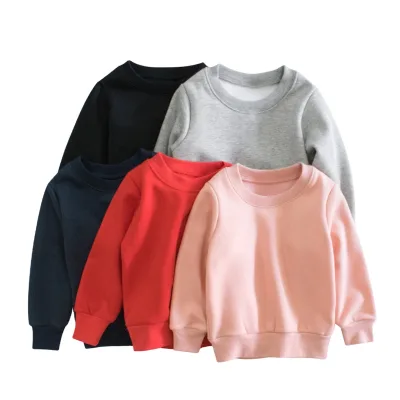
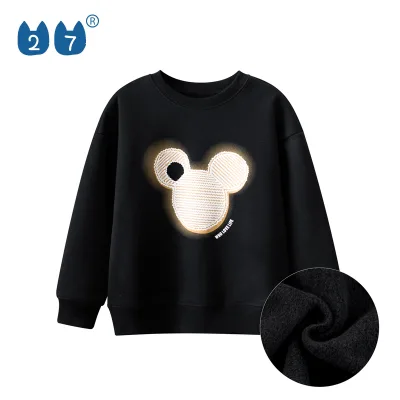
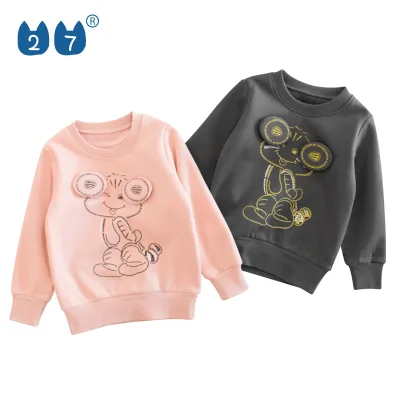
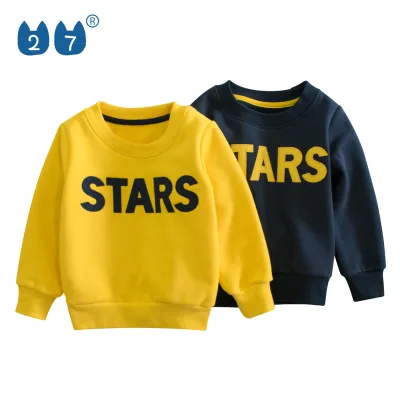

Unisex Fleece Kids Outdoor Wear Polyester Warm Hooded Coat Children Jacket
$7.80 - $8.80
MOQ: 1000 Pieces


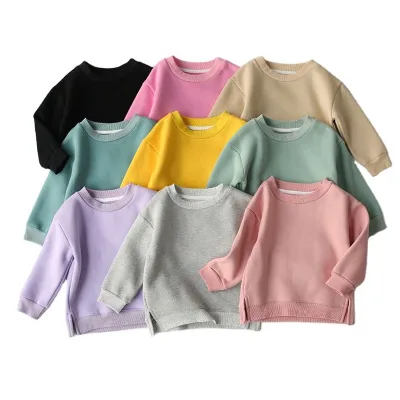
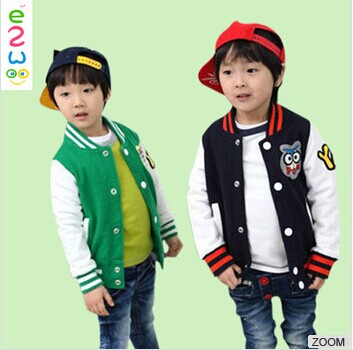



Comprehensive Sourcing Guide
Unisex Kids Fleece Sweatshirt Sourcing Guide
Sourcing unisex kids fleece sweatshirts requires balancing comfort, durability, and safety standards specific to children’s apparel. Buyers must navigate a market where materials range from pure cotton to synthetic blends, each offering distinct performance characteristics. The observed product landscape includes items labeled as bamboo fiber, cotton-polyester mixes, and wool fleece blends, indicating a diverse supply base. Procurement teams should prioritize suppliers who clearly define fabric composition, as this directly impacts breathability, warmth, and care instructions. Understanding these material distinctions is the first step in selecting the right product for your target demographic.
Beyond material selection, design flexibility plays a crucial role in meeting diverse market demands. Many suppliers offer customization options, including OEM services and adjustable features like ties or specific collar styles such as polo necks or O-necks. This adaptability allows brands to create unique product lines while leveraging established manufacturing capabilities. However, buyers must verify that customization does not compromise safety, particularly regarding small parts or loose ties that could pose choking hazards for younger children. Aligning design choices with age-specific safety guidelines ensures that the final product is both stylish and compliant with international regulations.
Product Scope and Observed Listing Signals
The current market for unisex kids fleece sweatshirts exhibits a wide range of product specifications, from free-size options to specific age brackets like 6-15 years or 7-10 years. Listings frequently highlight features such as waterproof capabilities, plain patterns, and solid colors, suggesting a preference for versatile, easy-to-match garments. Some products are explicitly marketed for summer wear, which may indicate lightweight fleece or breathable blends, while others are designed for autumn and winter, implying heavier weights like 300gsm. Buyers should carefully cross-reference these seasonal claims with fabric weight and composition to ensure the product matches the intended use case.
Packing and branding details also provide insight into supplier professionalism and scalability. Common packing methods include individual polybags, OPP bags, or carton-packed units, which affect logistics and retail readiness. Several listings mention SGS certification and customized standards, signaling a focus on quality assurance. Additionally, the presence of specific model numbers and brand names like GRRR indicates that some suppliers operate with established product lines rather than purely generic offerings. Procurement teams should evaluate these signals to determine if a supplier can meet both volume requirements and specific branding needs.
Technical Specifications to Verify
Fabric composition is the most critical technical specification to verify, as it dictates the garment’s performance and longevity. Listings mention materials ranging from 100% bamboo fiber to blends of 37% cotton and 63% polyester, as well as wool fleece additions. Buyers must confirm the exact percentage of each component to assess breathability, shrinkage potential, and thermal properties. For instance, higher polyester content may enhance durability and moisture-wicking, while cotton or bamboo offers superior softness and natural breathability. Requesting detailed fabric swatches and technical data sheets is essential to validate these claims before placing large orders.
Fit and sizing consistency are equally important, especially for unisex items targeting a broad age range. Specifications often list sizes as "Free Size" or specific height measurements like 130cm for ages 6-8 years. Buyers should verify the grading rules and tolerance levels used by the supplier to ensure consistent fit across batches. Additionally, technical details such as collar style, sleeve length, and printing methods (e.g., plain dyed or printed) should be confirmed against your design specifications. Misalignment in these areas can lead to high return rates and customer dissatisfaction, so precise technical validation is non-negotiable.
Compliance and Safety Documentation
Children’s apparel is subject to stringent safety regulations, making compliance documentation a top priority for buyers. Listings mentioning SGS certification suggest that some suppliers adhere to recognized quality and safety standards, but buyers must verify the specific tests conducted. Key areas of concern include flammability, chemical safety (such as AZO dyes and heavy metals), and physical safety regarding small parts or loose threads. For items with adjustable ties, it is crucial to ensure they meet length and attachment strength requirements to prevent entanglement or choking hazards. Requesting third-party test reports for each production batch is a standard best practice.
In addition to safety, environmental and ethical compliance is increasingly important in the apparel industry. Buyers should inquire about the sourcing of raw materials, particularly for bamboo or cotton, to ensure they meet sustainable forestry or organic farming standards. Certifications like GOTS or OEKO-TEX can provide assurance regarding chemical usage and environmental impact. Suppliers who proactively provide these documents demonstrate a commitment to quality and responsibility. Procurement teams should integrate these compliance checks into their supplier evaluation process to mitigate reputational and legal risks associated with non-compliant products.
Cost Drivers and Commercial Terms
Several factors influence the final cost of unisex kids fleece sweatshirts, with fabric weight and composition being primary drivers. Heavier fabrics, such as 300gsm fleece, typically cost more due to increased material usage and processing time. Customization options, including OEM branding, specific printing methods, and unique design elements, also add to the unit price. Buyers should request detailed cost breakdowns to understand how these variables affect pricing. Additionally, the complexity of the garment, such as the inclusion of multiple fabric types or intricate stitching, can impact manufacturing costs and should be factored into budget planning.
Minimum Order Quantities (MOQs) and lead times are critical commercial terms that affect supply chain flexibility. While some listings indicate MOQs as low as 2 pieces, others specify higher thresholds like 10,000 units, reflecting different supplier capabilities and business models. Lead times for samples and bulk production vary, with some suppliers offering 7-day sample orders. Buyers must align their order volumes with supplier MOQs to avoid excessive costs or production delays. Negotiating flexible terms for initial orders and establishing clear communication channels for lead time updates can help manage inventory levels and cash flow effectively.
Supplier Qualification and Quality Control
Evaluating supplier qualifications is essential to ensure consistent product quality and reliable service. Buyers should verify the supplier’s manufacturing capabilities, including their experience with children’s apparel and their ability to handle specific fabric types like bamboo or wool blends. Requesting references or case studies from previous clients can provide insight into their reliability and quality standards. Additionally, suppliers who offer OEM services and have established quality control processes are better positioned to meet custom requirements. Due diligence in this area helps mitigate the risk of receiving substandard products or experiencing production disruptions.
Quality control measures should be integrated into the procurement process from the outset. Buyers should define clear quality standards and inspection criteria, including checks for fabric defects, stitching integrity, and color fastness. Implementing pre-production samples and in-line inspections can help identify and address issues early in the manufacturing process. Suppliers who proactively communicate quality metrics and allow for third-party inspections demonstrate transparency and commitment to excellence. Establishing a robust quality control framework ensures that the final products meet your brand’s standards and customer expectations.
Long-Term Procurement Checks
Building a sustainable supply chain requires ongoing monitoring and relationship management. Buyers should regularly review supplier performance metrics, including on-time delivery rates, product quality consistency, and responsiveness to issues. Establishing key performance indicators (KPIs) and conducting periodic audits can help identify areas for improvement and ensure continued compliance with safety and quality standards. Maintaining open communication channels and fostering collaborative relationships with suppliers can lead to better problem-solving and innovation. Long-term partnerships often result in more favorable terms and improved product quality over time.
Adapting to market trends and regulatory changes is crucial for long-term success in the children’s apparel sector. Buyers should stay informed about evolving safety regulations, sustainability trends, and consumer preferences to ensure their product offerings remain relevant. Regularly updating supplier contracts to reflect current standards and expectations helps maintain alignment. Additionally, diversifying the supplier base can mitigate risks associated with single-source dependencies. By continuously evaluating and optimizing their procurement strategies, buyers can build a resilient supply chain that supports their brand’s growth and reputation.
FAQs
What materials are used for these unisex kids fleece sweatshirts?
Materials vary by model, including 100% bamboo fiber, cotton, or blends like 37% cotton and 63% polyester. Some options feature wool fleece for added warmth. Buyers should check specific product pages to confirm the exact fabric composition for their chosen style.
Can I customize the design and packaging for bulk orders?
Yes, customization is available for designs, colors, and packaging. Many suppliers offer OEM services with options like plain dyed techniques or printed designs. Products are typically packed in polybags or OPP bags, and custom packing solutions can be arranged for large orders.
What is the minimum order quantity for these sweatshirts?
Minimum order quantities vary significantly, ranging from as low as 2 units up to 10,000 units depending on the supplier. Some listings specify an MOQ of 10,000, while others may accept smaller trial orders. Buyers must verify the specific MOQ with each manufacturer before placing an order.
Which certifications do the manufacturers hold for safety standards?
Some products meet SGS standards, ensuring safety and quality compliance for children's clothing. While not all listed items explicitly state certifications, buyers should request proof of standards like SGS or other relevant safety tests to ensure the garments meet international safety requirements for kids.
How long does it take to receive samples and bulk orders?
Sample orders can often be supported within 7 days, allowing for quick design verification. Bulk lead times depend on the factory capacity and order size. Buyers should confirm specific delivery schedules with suppliers, as lead times may vary based on production schedules and customization requirements.
What age groups and sizes are available for these garments?
Sizes range from specific measurements like 130cm for ages 6-8 years to free size options suitable for ages 6-15 years. Some models target specific groups like girls aged 7-10 years. Buyers should review size charts to ensure the correct fit for their target demographic.
Where are these sweatshirts manufactured and shipped from?
Most products originate from Guangdong, China, with some listings specifying China as the general place of origin. Suppliers are located in major manufacturing hubs, ensuring efficient logistics. Buyers should confirm the specific factory location to understand shipping costs and delivery timelines accurately.