Source Unisex Goose Down Shell Jacket for Outdoor, Work, and Travel
Find 30 Unisex Goose Down Shell Jacket options from China. Compare OEM services, nylon shells, and thick winter designs for outdoor, work, and travel applications. Explore features like windproof construction, hooded styles, and custom branding to select the best fit for your business needs.
Updated
Key considerations
Products List
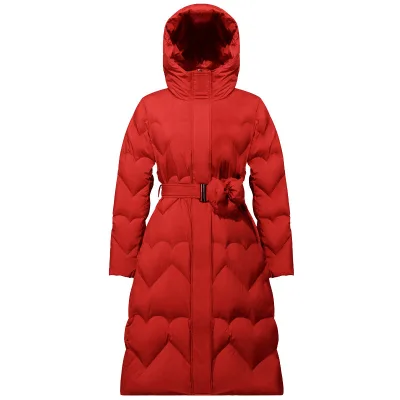
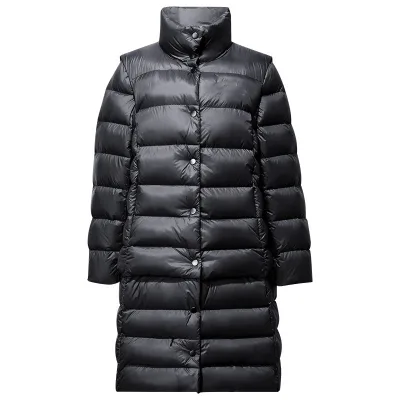

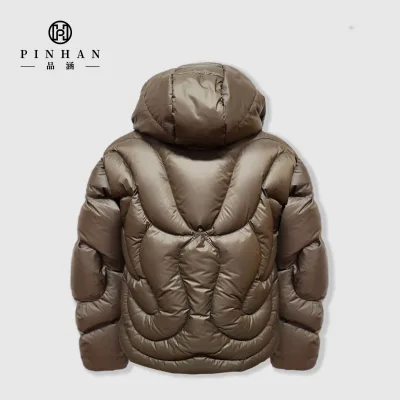
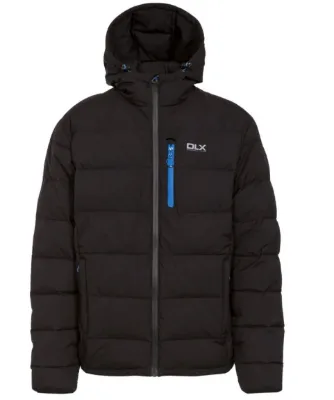
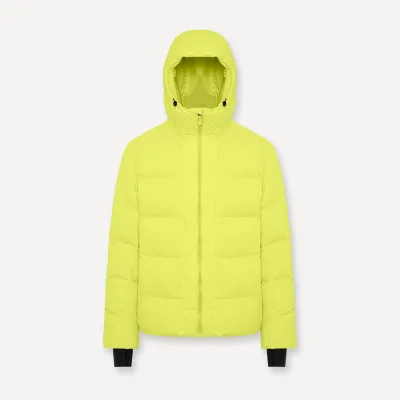
Unisex Winter Warm Hoodie Jacket for Men Goose Down Padded Bubble Jacket
$43.00 - $49.00
MOQ: 200 pieces
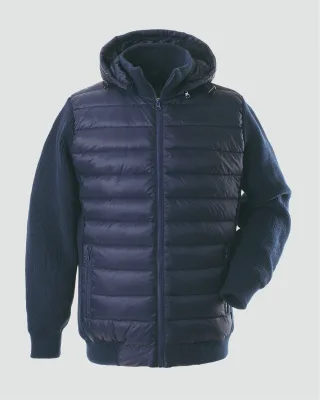


Best Quality Men's Casual Soft Shell Winter Custom Waterproof Down Jacket
$10.88 - $16.88
MOQ: 100 Pieces
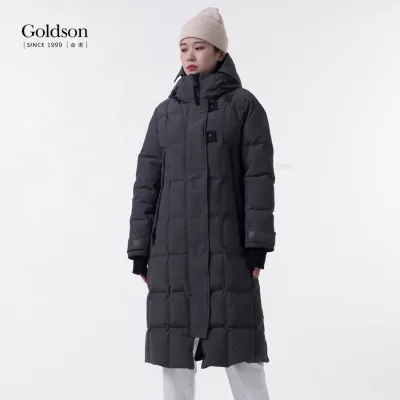
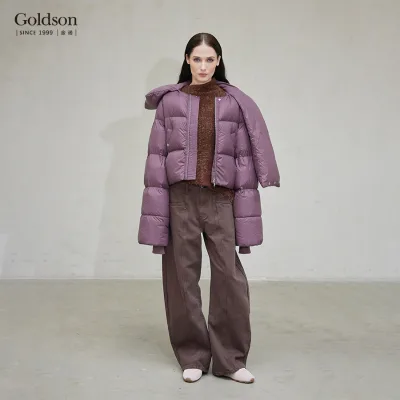
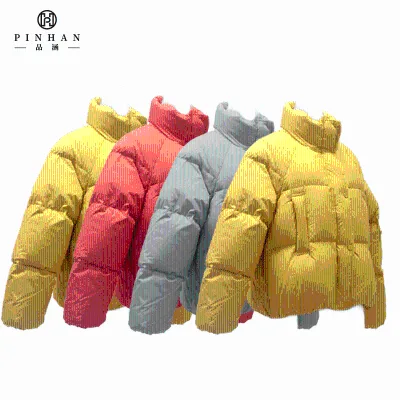
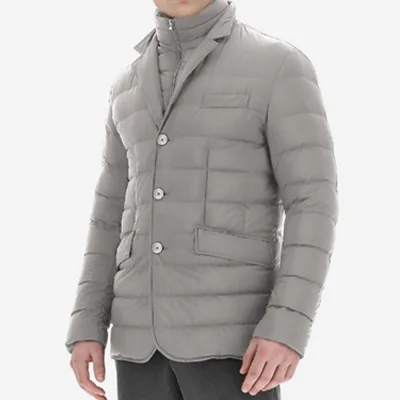
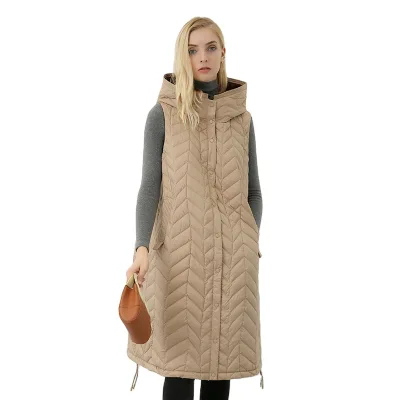



Comprehensive Sourcing Guide
Unisex Goose Down Shell Jacket Sourcing Guide
Sourcing a Unisex Goose Down Shell Jacket requires careful attention to material composition and functional design, as the market offers diverse interpretations of this category. Buyers must distinguish between genuine down-filled outerwear and synthetic alternatives, particularly when evaluating listings that may use ambiguous terminology. The core keyword suggests a focus on natural insulation, yet many suppliers offer polyester wadding or cotton fills under similar titles. Therefore, procurement teams should prioritize suppliers who explicitly disclose filling weight and shell material to ensure the product meets thermal performance expectations for winter conditions.
The observed market signals indicate a wide range of product attributes, from hooded designs to plain dyed finishes, which complicates the identification of true unisex options. Many listed items are gender-specific, such as men’s bomber jackets or women’s down coats, rather than offering a true unisex fit. Buyers should verify size charts and cut specifications to confirm whether a garment is designed for a neutral silhouette. Additionally, the presence of OEM services suggests that customization is available, allowing buyers to tailor features like color, logo placement, and packaging to their brand identity while maintaining the core structural integrity of the jacket.
Product Scope and Observed Listing Signals
The current listing landscape reveals a fragmented market where product definitions vary significantly across suppliers. Observed items include women’s down coats with goose down filling and men’s winter jackets with polyester wadding, indicating that the term "goose down shell" is not consistently applied. Buyers must scrutinize the "Filling Material" field to confirm the presence of actual down, as many products list cotton or polyester alternatives. The observed price range of 3-135 USD reflects this disparity, with higher prices typically correlating with natural fill materials and more complex construction techniques like seamless fusing.
Geographic origins are primarily concentrated in Hubei and Fujian, China, which are known manufacturing hubs for apparel. These regions offer varying capabilities in terms of weaving methods, with options ranging from woven nylon shells to knitted processing types. The observed decoration elements, such as pockets, zippers, and hoods, are standard features, but the specific implementation can affect durability and aesthetic appeal. Buyers should note that some listings offer custom colors and logos, which adds value for brand-specific procurement but may introduce additional complexity in quality control and lead time management.
Technical Specifications to Verify
Verifying technical specifications is critical to ensuring the jacket meets functional requirements for cold-weather protection. Buyers must confirm the shell material, as nylon offers superior windproof and water-resistant properties compared to other fabrics. The presence of a hood and zipper closure is common, but the quality of these components can vary. It is essential to check the sleeve length and style, as full sleeves with regular cuffs provide better insulation than shorter or tighter designs. Additionally, the thickness of the jacket should be assessed, as thick constructions are necessary for winter use, while thinner options may be suitable for transitional seasons.
The filling weight is a key performance indicator, with observed values ranging from 200-250g to over 300g. Higher down weights generally provide better warmth but may increase the overall weight and bulk of the garment. Buyers should also verify the model number and single package size to ensure compatibility with logistics and storage requirements. The observed single gross weight of 0.33 kg for some items suggests variability in construction, which can impact shipping costs. Confirming these details helps avoid discrepancies between the ordered product and the delivered item, ensuring consistent quality across batches.
Compliance and Safety Documentation
Compliance with safety and environmental standards is increasingly important in the apparel industry, particularly for products involving chemical treatments and natural materials. Buyers should request documentation that verifies the eco-friendly claims made by suppliers, such as certifications for dyeing processes and material sourcing. The observed "Plain Dyed" technique suggests a focus on color consistency, but buyers must ensure that the dyes used meet international safety standards for harmful substances. This is particularly relevant for garments intended for sensitive skin or children, although the observed items are primarily targeted at adults.
Additionally, suppliers should provide evidence of compliance with labor standards and ethical manufacturing practices, especially when sourcing from regions with varying regulatory environments. The availability of OEM services implies that buyers have control over certain aspects of production, including the choice of materials and finishes. However, this also places the burden on the buyer to verify that all components, including zippers and threads, meet safety requirements. Requesting test reports for flammability, tensile strength, and colorfastness can help mitigate risks associated with product liability and customer dissatisfaction.
Cost Drivers and Commercial Terms
Cost drivers for unisex goose down shell jackets include material selection, labor intensity, and customization requirements. Natural goose down is significantly more expensive than synthetic alternatives, directly impacting the final price. The observed MOQ range of 1-1000 units allows for flexibility, but larger orders may benefit from economies of scale. Buyers should negotiate terms that account for sample orders, as the observed 7-day sample lead time supports rapid prototyping and quality assessment before committing to bulk production. Understanding these variables helps in budgeting and forecasting for seasonal inventory needs.
Commercial terms also involve packaging and shipping considerations, as the observed customized packaging options can add to the overall cost. Buyers should clarify who bears the responsibility for freight and insurance, especially when dealing with international suppliers. The single item selling unit suggests that products are often shipped individually, which can increase packaging waste and shipping volume. Negotiating consolidated shipping or bulk packaging options can reduce costs and environmental impact. Additionally, payment terms should be structured to protect against delays or quality issues, such as using escrow services or milestone-based payments.
Supplier Qualification and Quality Control
Supplier qualification is a multi-step process that begins with verifying the company’s manufacturing capabilities and past performance. Buyers should assess the supplier’s experience with OEM services, as this indicates their ability to handle custom orders and maintain consistency. The observed "Seamless Fusing" technique suggests advanced manufacturing capabilities, which can enhance the durability and aesthetic quality of the jacket. Buyers should request samples to evaluate the finish, stitching, and overall construction before placing large orders. This hands-on verification is crucial for identifying potential defects or inconsistencies in production.
Quality control measures should be established early in the procurement process, including clear specifications for materials, dimensions, and finishing. Buyers should define acceptable tolerances for weight, size, and color variation to ensure that delivered products meet expectations. Regular inspections during production and before shipment can help catch issues early, reducing the risk of costly returns or disputes. Additionally, maintaining open communication with the supplier allows for quick resolution of any problems that arise. Building a strong relationship with a reliable supplier can lead to better pricing, priority production, and improved service over time.
Long-Term Procurement Checks
Long-term procurement success depends on continuous monitoring of supplier performance and market trends. Buyers should regularly review supplier metrics, such as on-time delivery rates, defect rates, and responsiveness to issues. This data-driven approach helps identify reliable partners and areas for improvement. Additionally, staying informed about changes in material costs and regulatory requirements ensures that procurement strategies remain competitive and compliant. The observed trend towards eco-friendly products suggests that buyers should prioritize suppliers who invest in sustainable practices, as this aligns with growing consumer demand and potential regulatory shifts.
Furthermore, buyers should periodically reassess their product specifications to ensure they remain aligned with market demands and brand goals. This may involve updating designs, materials, or features based on customer feedback and competitive analysis. Maintaining a diverse supplier base can also mitigate risks associated with single-source dependencies. By fostering strong relationships with multiple suppliers, buyers can ensure continuity of supply and negotiate better terms. Finally, documenting all procurement processes and decisions creates a knowledge base that supports future sourcing efforts and facilitates smoother onboarding of new suppliers.
FAQs
What shell material is used for the Unisex Goose Down Shell Jacket?
The shell material is nylon, providing a durable and windproof exterior for winter wear. This woven fabric ensures the jacket remains lightweight yet protective against cold conditions. The plain dyed technique allows for consistent color application across the garment, supporting both functional performance and aesthetic appeal for various buyer needs.
Can the Unisex Goose Down Shell Jacket be customized with a logo?
Yes, customization is available for logos and packaging on these jackets. The supplier offers OEM service, allowing buyers to add custom branding to the product. This flexibility supports brand identity for retailers. The customization options extend to packaging as well, ensuring the final product meets specific marketing and distribution requirements for the target audience.
Which sizes are available for the Unisex Goose Down Shell Jacket?
Available sizes include XS, S, M, L, XL, and 2XL, corresponding to US sizes 0 through 10. This range accommodates various body types for both men and women. The sizing chart ensures a proper fit for the hooded design. Buyers can select the appropriate size based on their specific inventory requirements or customer demographics.
How thick is the filling in the Unisex Goose Down Shell Jacket?
The filling weight exceeds 300g for the goose down variant, ensuring thick insulation for winter conditions. Another model uses polyester wadding with a filling weight of 200g-250g. These options provide different levels of warmth. The thick construction helps retain heat effectively, making the jacket suitable for cold weather applications and outdoor activities.
What is the lead time for sample orders of the Unisex Goose Down Shell Jacket?
Sample orders are supported with a lead time of 7 days. This quick turnaround allows buyers to evaluate product quality before placing larger orders. The efficient sample process facilitates faster decision-making for sourcing teams. Buyers can request samples to verify the nylon shell, goose down filling, and overall construction quality.
Where is the Unisex Goose Down Shell Jacket manufactured?
The jackets are manufactured in Hubei, China, and Fujian, China. These locations serve as the primary places of origin for the products. The manufacturing base supports the supply of both nylon shell and polyester wadding variants. Buyers can consider these origins when evaluating logistics and supply chain factors for their procurement strategy.