Source Universal Front Bumper for Cars, Trucks, and Repairs
Find 30 listings for Universal Front Bumper options suitable for car and truck applications. Compare materials like plastic and steel, check certifications such as ISO and CE, and review fitment details for replacement or repair purposes; compare the available evidence and request quotations based on your requirements.
Updated
Key considerations
Products List
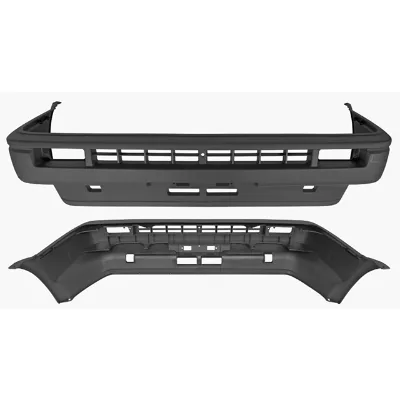

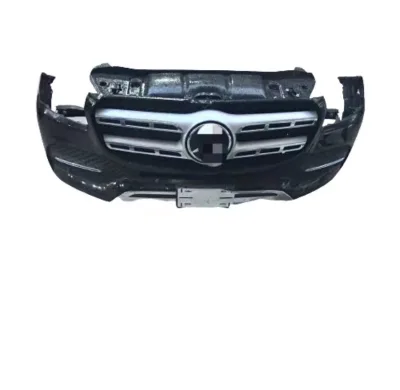
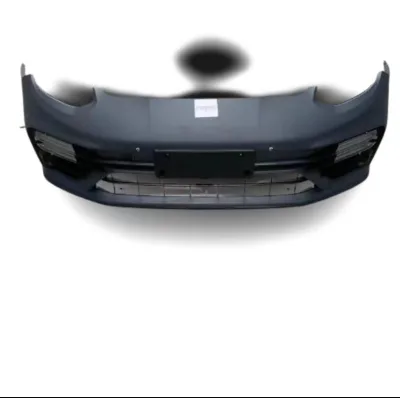
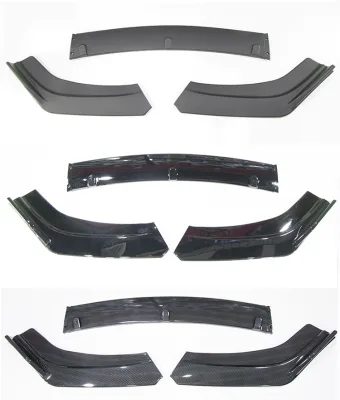
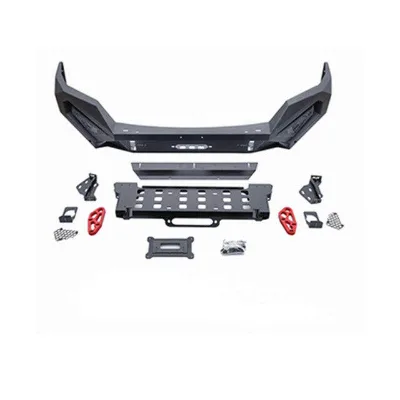
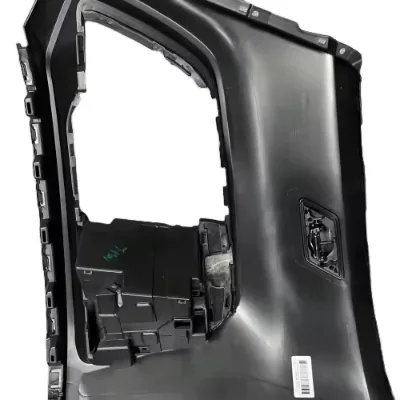
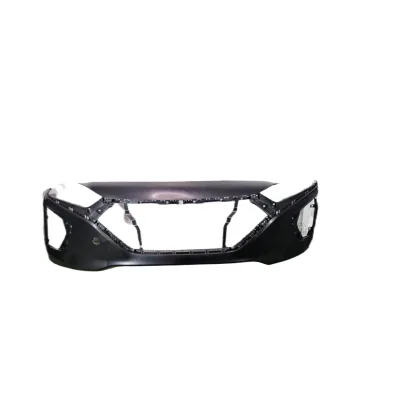
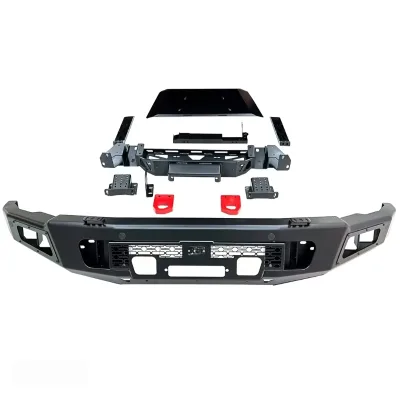
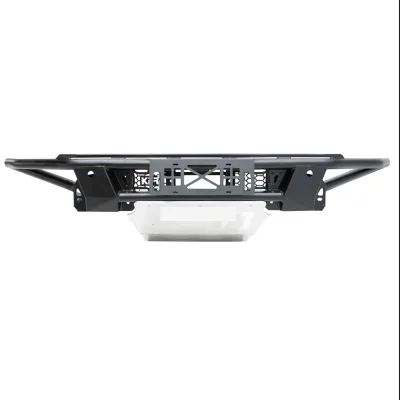
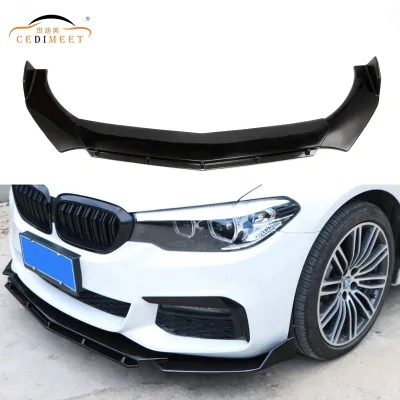
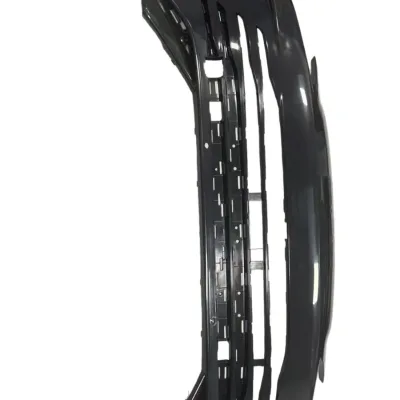
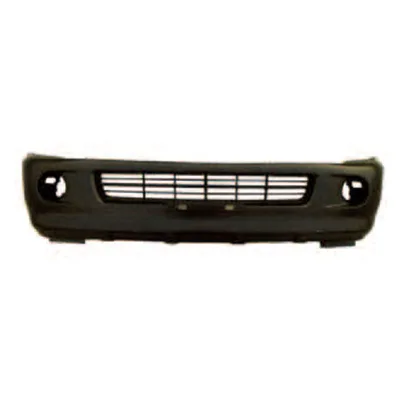
High Quality 971.1 Front Bumper Grille Kit for Cars Front Car Bumper Accessories
$618.1861 - $643.9442
MOQ: 1 pieces



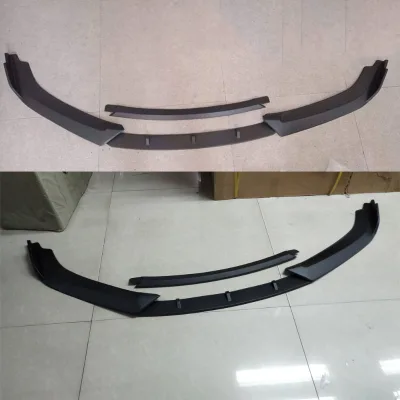






Comprehensive Sourcing Guide
Universal Front Bumper Sourcing Guide
Sourcing a Universal Front Bumper requires careful navigation of diverse supplier capabilities and material specifications. Buyers must distinguish between standardized aftermarket parts and custom-fabricated solutions, as the market offers a wide spectrum of options ranging from basic plastic replacements to high-end facelift upgrades. The observed product landscape includes items originating from Taiwan and mainland China, with specific manufacturing hubs in Guangdong and Guangzhou. This geographic diversity impacts logistics, lead times, and potential tariff implications for international buyers. Understanding the origin is the first step in evaluating the total landed cost and supply chain reliability.
Procurement teams should also consider the varying conditions of available inventory, which includes both new and used components. While new parts typically offer warranty coverage and consistent quality, used items may present cost-saving opportunities for budget-conscious repairs. The supply ability varies significantly, with some suppliers offering up to 300 pieces per month, which may be insufficient for large-scale fleet operations. Buyers must align their volume requirements with supplier capacity to avoid delays. Additionally, the packaging methods, such as bubble wrap, plastic bags, or wooden boxes, play a crucial role in protecting the bumper during transit, especially for fragile materials like plastic or steel.
Product Scope and Observed Listing Signals
The product scope for universal front bumpers encompasses a variety of applications, primarily targeting car exteriors and truck modifications. Listings indicate that these components serve purposes such as replacement, repair, and aesthetic upgrades, including facelift styles. The observed attributes reveal a mix of materials, including plastic and steel, which dictate the durability and installation complexity of the final product. Colors range from silver and black to red, white, and blue, allowing for customization to match specific vehicle aesthetics. The fitment claims of "100% fitment" suggest a high degree of compatibility, though buyers should verify this against their specific vehicle models to ensure seamless integration.
Observations also highlight specific model numbers and product codes, such as CB, JX-9008, and 971.1, which help in identifying exact parts within a supplier’s catalog. Some listings specify dimensions, such as 60x70x70 cm, providing critical data for logistics planning and storage requirements. The installation process is described as easy, which reduces labor costs during assembly. However, the presence of "Other" as a car make indicates that these bumpers are designed for broad compatibility rather than specific OEM models. Buyers should treat these universal claims with caution and request detailed fitment charts or samples before committing to large orders.
Technical Specifications to Verify
Technical verification is essential to ensure that the Universal Front Bumper meets the structural and dimensional requirements of the intended application. Buyers must confirm the material composition, whether it is plastic or steel, as this affects weight, impact resistance, and painting compatibility. The standard tolerance of ±0.1 mm mentioned in some listings indicates a high level of precision in manufacturing, which is critical for proper alignment with other vehicle components. Additionally, the product standard, whether universal or customized, must be clearly defined to avoid mismatches during installation. Customization options are available, allowing buyers to tailor the shape and design to specific needs, but this may increase lead times and costs.
Dimensional accuracy and packaging specifications are also key technical factors. The size of 60x70x70 cm and the volume of 0.07 CBM provide insights into the physical footprint of the product, which is vital for shipping calculations. Packaging details, such as the use of EPE, bubble bags, or wooden boxes, must be verified to prevent damage during transit. The warranty period of 12 months offers some protection against manufacturing defects, but buyers should clarify the terms and conditions. Furthermore, the supply ability of 300 pieces per month should be assessed against production schedules to ensure timely delivery. Verifying these specifications through sample orders or detailed technical drawings is recommended.
Compliance and Safety Documentation
Compliance with international standards is a critical aspect of sourcing universal front bumpers, particularly for vehicles intended for road use. The observed certifications include ISO and CE, which indicate adherence to quality management and safety regulations in their respective regions. Buyers should request valid certification documents to verify that the supplier maintains these standards consistently. The ISO certification suggests a structured approach to quality control, while the CE mark implies compliance with European health, safety, and environmental protection standards. These certifications provide a baseline for trust but do not guarantee that every batch meets the same rigorous criteria.
Safety documentation should also include material safety data sheets, especially if the bumper contains chemicals or coatings that may emit volatile organic compounds. Buyers must ensure that the product does not contain hazardous substances that could violate import regulations in their destination country. The condition of the product, whether new or used, also impacts compliance, as used parts may have hidden damage or wear that affects safety. Additionally, the purpose of the bumper, whether for replacement or repair, must align with local vehicle inspection laws. Buyers should consult with legal experts or regulatory bodies to ensure that the imported bumpers meet all local safety and environmental requirements.
Cost Drivers and Commercial Terms
The cost of universal front bumpers is influenced by several factors, including material type, customization level, and order volume. Plastic bumpers are generally less expensive than steel ones, but they may require additional reinforcement for durability. Customization options, such as specific shapes or colors, can increase the unit price due to the additional manufacturing steps involved. The minimum order quantity (MOQ) of 1 set offers flexibility for small buyers, but larger orders may benefit from volume discounts. The supply ability of 300 pieces per month may limit the cost-effectiveness for high-volume buyers, who might need to split orders across multiple suppliers.
Commercial terms, such as the port of dispatch and packaging details, also impact the total cost. Shipping from Taiwan or Guangdong involves different logistics costs and transit times. The packaging method, whether in cartons or wooden boxes, affects shipping volume and potential damage risks, which can lead to additional insurance costs. The selling unit of a single item simplifies pricing but may not be optimal for bulk purchases. Buyers should negotiate clear terms regarding payment methods, delivery schedules, and return policies. Understanding these cost drivers helps in making informed decisions and avoiding unexpected expenses during the procurement process.
Supplier Qualification and Quality Control
Supplier qualification is crucial to ensure that the Universal Front Bumper meets the expected quality standards. Buyers should verify the supplier’s production capabilities, including their supply ability and lead times. A supply ability of 300 pieces per month indicates a moderate production scale, which may be suitable for small to medium-sized orders. The place of origin, whether Taiwan or Guangdong, can provide insights into the supplier’s manufacturing expertise and technological advancement. Buyers should request factory audits or third-party inspections to assess the supplier’s quality control processes and production environment.
Quality control measures should include regular inspections of raw materials, in-process checks, and final product testing. The certification of ISO suggests that the supplier has a documented quality management system, but buyers should verify its effectiveness through sample testing. The condition of the product, whether new or used, must be clearly defined to avoid disputes. For new parts, buyers should check for surface defects, dimensional accuracy, and material integrity. For used parts, a thorough inspection for wear and tear is necessary. Establishing a clear quality agreement with the supplier helps in maintaining consistent product quality and reducing the risk of receiving defective goods.
Long-Term Procurement Checks
Long-term procurement of universal front bumpers requires ongoing monitoring of supplier performance and market trends. Buyers should establish key performance indicators (KPIs) to track delivery times, product quality, and customer satisfaction. Regular reviews of supplier performance help in identifying potential issues early and taking corrective actions. The market for universal bumpers is dynamic, with new materials and designs emerging frequently. Buyers should stay informed about industry developments to ensure that their procurement strategy remains competitive. Additionally, building a strong relationship with the supplier can lead to better pricing, priority production, and access to new products.
Sustainability and ethical sourcing are also becoming important considerations in long-term procurement. Buyers should assess the supplier’s environmental practices, such as waste management and energy efficiency, to align with corporate social responsibility goals. The use of recyclable materials in packaging, such as cardboard boxes, can contribute to sustainability efforts. Furthermore, buyers should consider the lifecycle of the product, including its durability and end-of-life disposal. By focusing on long-term checks, buyers can build a resilient supply chain that supports their business growth and meets evolving market demands.
FAQs
What materials are used for universal front bumpers?
Universal front bumpers are primarily manufactured from plastic and steel materials. Plastic options offer lightweight durability and easy installation for various car models. Steel variants provide robust protection for trucks and heavy-duty applications. Buyers can select materials based on specific vehicle requirements and desired aesthetic finishes.
Can I get custom universal front bumpers with specific tolerances?
Yes, custom universal front bumpers are available with precise manufacturing tolerances of plus or minus 0.1 mm. Suppliers offer customization for shape, color, and fitment to ensure 100% compatibility. These tailored solutions allow for unique styling upgrades while maintaining structural integrity and proper alignment with existing vehicle body panels.
Which certifications do Universal Front Bumper suppliers hold?
Reputable suppliers hold ISO and CE certifications for their Universal Front Bumper products. These certifications ensure adherence to international quality and safety standards. Buyers can verify these credentials to guarantee product reliability. Certified manufacturers typically provide consistent quality control, ensuring that each bumper meets specified performance criteria for automotive exterior decoration.
How is the packaging handled for universal front bumpers?
Packaging typically includes bubble wrap, plastic bags, and standard carton boxes to protect the product. Some suppliers use wooden boxes or EPE foam for added safety during transit. Each unit is usually packed individually to prevent scratches. This secure packaging ensures that the bumper arrives in new condition, ready for easy installation without damage.
What is the typical MOQ for universal front bumpers?
The minimum order quantity is generally 1 set for universal front bumpers. This low MOQ allows buyers to test quality before placing larger orders. Suppliers often support small batch purchases for customization needs. This flexibility supports both individual repairs and small-scale retail distribution without requiring large initial inventory commitments.
Where are universal front bumpers typically manufactured?
Universal front bumpers are commonly manufactured in Taiwan and Guangdong, China. These regions are known for robust automotive parts production capabilities. Buyers can source products from various ports in these locations. The geographic concentration ensures efficient supply chains and access to a wide variety of styles and specifications for global distribution.