Source Universal Led Motorcycle Headlight for Street, Off-Road, and Racing
Find and compare 30 Universal Led Motorcycle Headlight options featuring 9-60V compatibility, IP67/IP68 waterproof ratings, and LED light sources. Evaluate models with 40W to 90W power outputs, lens designs, and customization options for diverse vehicle applications.
Key considerations
Products List


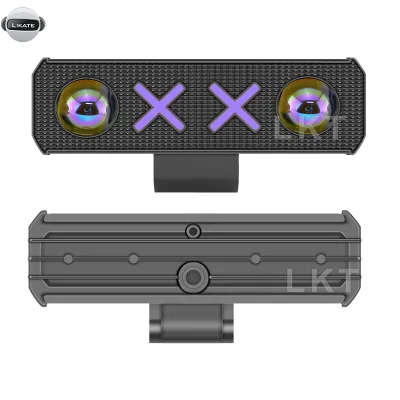

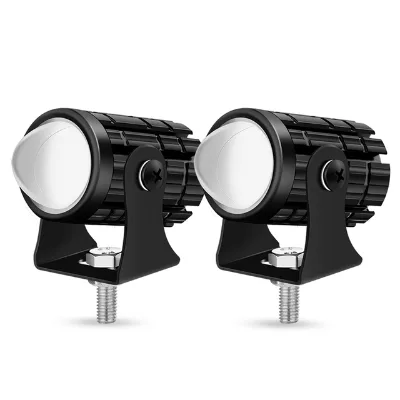
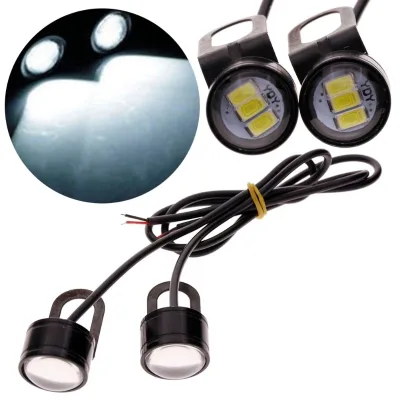

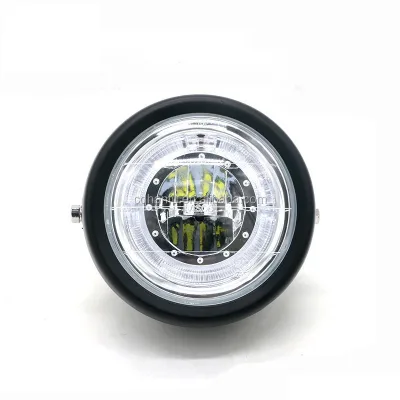


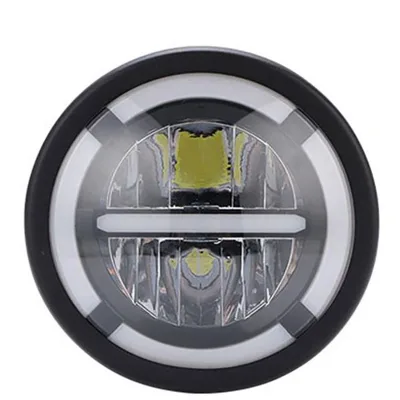


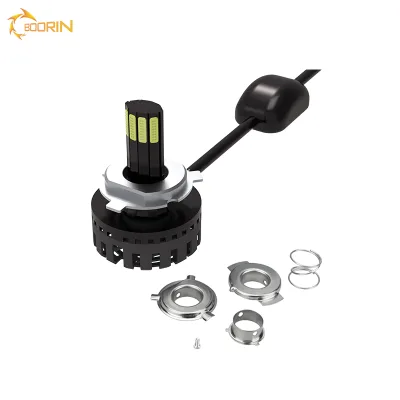

Comprehensive Sourcing Guide
Universal Led Motorcycle Headlight Sourcing Guide
Sourcing universal LED motorcycle headlights requires a disciplined approach to technical verification and commercial due diligence. The market offers a wide array of options, but not all products are suitable for every vehicle platform. Buyers must navigate a landscape where "universal" fitment often implies the need for additional adapters or wiring modifications. This guide provides evidence-based procurement strategies to help buyers select reliable suppliers, verify critical specifications, and mitigate supply chain risks. By focusing on observable listing signals and strict technical validation, procurement teams can build a resilient supply base for high-quality lighting components.
The following sections outline the essential steps for evaluating potential suppliers and products. We will examine observed market data, technical parameters, compliance requirements, cost structures, and quality assurance protocols. Each section is designed to provide actionable guidance for B2B buyers who need to balance performance, cost, and reliability. The goal is to empower procurement professionals with the knowledge to make informed decisions that align with their specific operational needs and quality standards.
Product Scope and Observed Listing Signals
The current market for universal LED motorcycle headlights presents a diverse range of products with varying specifications. Based on observed listing data, the price range for these components spans from $0.15 to $17.85 USD, indicating significant variation in quality, features, and supplier positioning. The minimum order quantity (MOQ) typically ranges from 2 to 500 units, offering flexibility for both small-scale testing and large-volume production runs. This wide variance suggests that buyers should not rely solely on price as an indicator of quality, as lower prices may correlate with reduced durability or simpler construction.
Product attributes observed in the market include various voltage ranges, such as 9-32V, 10-30V, and even wider spans like 12-60V, catering to different electrical systems. Power consumption varies, with common ratings of 40W, 50W, 60W, and 90W, reflecting different brightness levels and energy efficiency profiles. Waterproof ratings are a critical differentiator, with products offering IP67 or IP68 protection, ensuring resilience against dust and water ingress. Additionally, materials range from LED-based assemblies to aluminum housings, with some products featuring lens designs or specific diameter standards like 70mm.
Technical Specifications to Verify
Voltage compatibility is a primary technical consideration when sourcing universal LED headlights. Products in the market support various input voltages, including DC10-30V, 9-36V, and 12-60V, which must match the motorcycle’s electrical system to prevent damage or malfunction. Buyers should verify the specific voltage range of each product to ensure it aligns with their target vehicle’s output. Mismatched voltage can lead to premature failure, flickering, or insufficient brightness, making this a critical verification step before placing any orders.
Power consumption and light source type are also key technical factors. Observed products feature LED light sources with power ratings ranging from 40W to 90W, indicating varying levels of luminous output. Buyers should assess whether the power rating meets their brightness requirements without overloading the vehicle’s electrical system. Additionally, the presence of features like dipped headlight and high beam functions, as well as specific lamp shade forms like lenses, should be confirmed to ensure the product meets functional expectations.
Waterproofing and material construction are essential for durability in outdoor environments. Products with IP67 or IP68 ratings offer robust protection against water and dust, which is crucial for motorcycle applications exposed to the elements. The use of aluminum materials for housings can enhance heat dissipation, extending the lifespan of the LED components. Buyers should verify these specifications to ensure the product can withstand the rigors of motorcycle use, including vibration, temperature fluctuations, and exposure to moisture.
Compliance and Safety Documentation
Certification requirements vary by region and application, but certain standards are commonly observed in the market. Products may carry certifications such as CCC and SONCAP, which are relevant for specific markets like China and Nigeria. Buyers should verify the necessary certifications for their target market to ensure legal compliance and market access. Failure to obtain the correct certifications can result in customs delays, fines, or product recalls, making this a critical aspect of the sourcing process.
Safety and performance documentation should be requested from suppliers to validate product claims. This includes test reports for waterproofing, electrical safety, and light output consistency. Buyers should ensure that the supplier can provide evidence of compliance with relevant standards, such as those for electromagnetic compatibility (EMC) and photometric performance. Without proper documentation, buyers risk sourcing products that may not meet safety or performance expectations, leading to customer dissatisfaction and potential liability issues.
Cost Drivers and Commercial Terms
Pricing in the Universal Led Motorcycle Headlight market is influenced by several factors, including power rating, waterproofing level, and material quality. Products with higher power ratings, such as 90W, or advanced features like IP68 waterproofing, tend to be priced higher than basic models. Buyers should analyze the cost structure to understand the value proposition of each product, ensuring that they are not overpaying for features they do not need or underpaying for products that may lack durability.
Commercial terms, including MOQ and packaging, also impact the total cost of ownership. MOQs ranging from 2 to 500 units allow for flexible ordering, but buyers should consider storage and inventory costs when determining the optimal order quantity. Packaging options, such as carton or customizable packaging, can affect shipping costs and product protection during transit. Buyers should negotiate terms that balance cost efficiency with supply chain reliability, ensuring that products arrive in good condition and on time.
Supplier Qualification and Quality Control
Supplier qualification is a critical step in ensuring the reliability of the supply chain. Buyers should verify the supplier’s place of origin, with many products originating from regions like Guangdong, China, known for manufacturing expertise. However, origin alone is not a guarantee of quality, so buyers should conduct thorough due diligence, including site visits or third-party audits, to assess the supplier’s manufacturing capabilities and quality control processes.
Quality control measures should be clearly defined and agreed upon with the supplier. This includes specifications for product condition, such as new items, and quality standards like high-quality construction. Buyers should request samples for testing and validation before committing to large orders. Additionally, establishing clear communication channels for addressing defects or discrepancies is essential for maintaining product quality and supplier accountability throughout the procurement process.
Long-Term Procurement Checks
Long-term procurement success depends on continuous monitoring of supplier performance and product quality. Buyers should establish key performance indicators (KPIs) to track metrics such as on-time delivery, defect rates, and customer satisfaction. Regular reviews of these metrics can help identify potential issues early and allow for corrective actions to be taken. Maintaining a strong relationship with suppliers based on transparency and mutual benefit can also enhance supply chain resilience.
Adaptability to market changes is another important factor for long-term procurement. The LED lighting market is evolving rapidly, with new technologies and standards emerging regularly. Buyers should stay informed about industry trends and technological advancements to ensure their sourcing strategies remain competitive. By continuously evaluating and updating their procurement processes, buyers can maintain a high standard of product quality and cost efficiency, ensuring long-term success in the Universal Led Motorcycle Headlight market.
FAQs
What voltage range do these universal LED motorcycle headlights support?
These headlights support a wide voltage range from 9 to 36 volts DC. Specific models operate between 10-30V or 12-60V, ensuring compatibility with various motorcycle electrical systems without requiring complex adapters.
Can I customize the packaging for bulk orders of these lights?
Yes, customization is available for packaging options. While standard packing uses cartons, buyers can request customized packaging solutions to meet specific branding or logistical requirements for their wholesale shipments.
Which certifications are required for exporting these LED headlights?
Some models carry CCC and SONCAP certifications for specific export markets. Buyers should verify if these certifications apply to their target region before placing orders to ensure regulatory compliance for import.
How waterproof are these Universal Led Motorcycle Headlight units?
The units feature high waterproof ratings of IP67 or IP68. This ensures reliable performance in wet conditions, protecting internal components from dust and water immersion during heavy rain or washing.
What is the minimum order quantity for these LED lights?
The minimum order quantity varies by supplier but typically starts at 2 pieces. Some specific models or customized orders may require a higher MOQ, such as 20 pieces, depending on the manufacturer.
Which materials are used to construct these motorcycle headlight housings?
Housings are primarily constructed from aluminum for durability and heat dissipation. The light source itself is LED, and some units feature lens shades to direct the beam effectively for road safety.