Source Upper Aluminum Control Arm Bushing for Vehicles
Find 30 listings for Upper Aluminum Control Arm Bushing compatible with major car brands. Compare OEM specifications, rubber hardness, and customization options from suppliers in Qingdao, Guangzhou, and Ningbo to find the right fit for your automotive needs; compare the available evidence and request quotations based on your requirements.
Updated
Key considerations
Products List


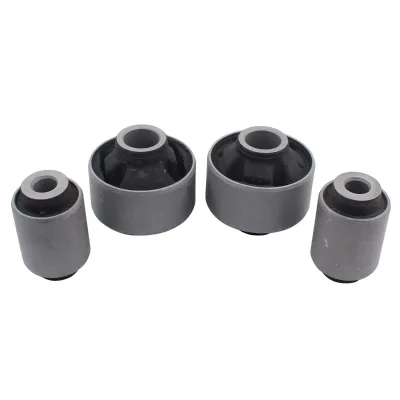
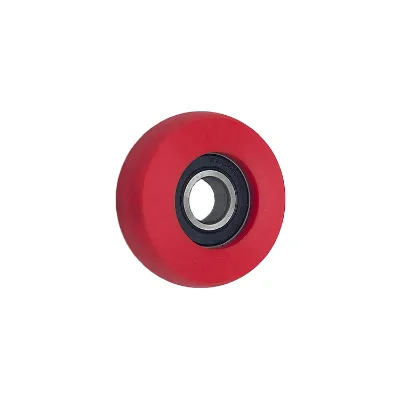
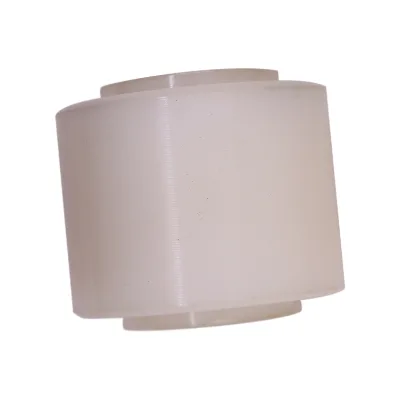
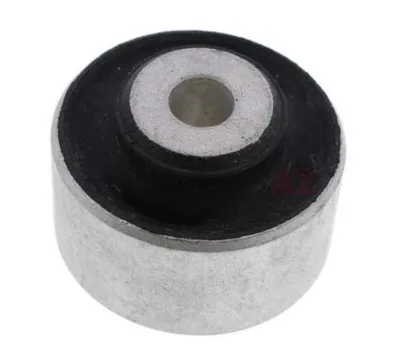


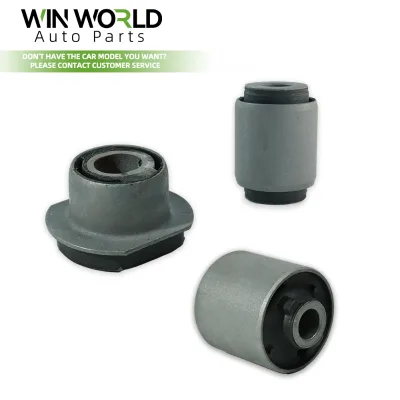
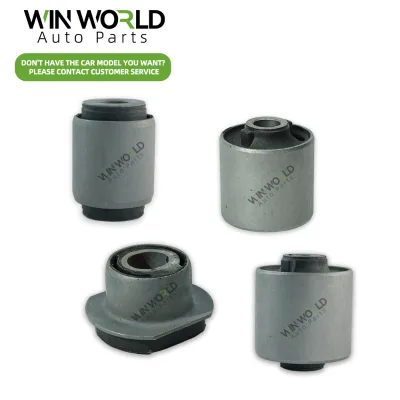
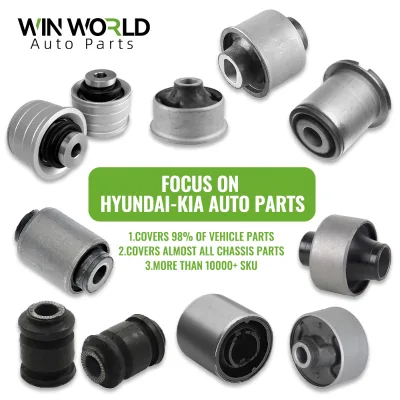
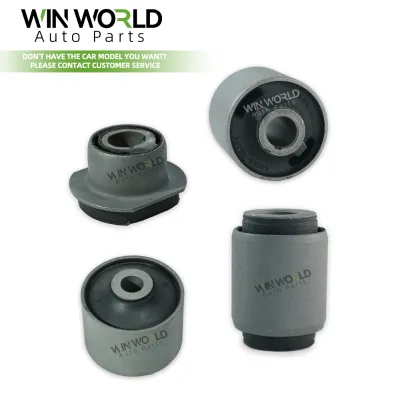
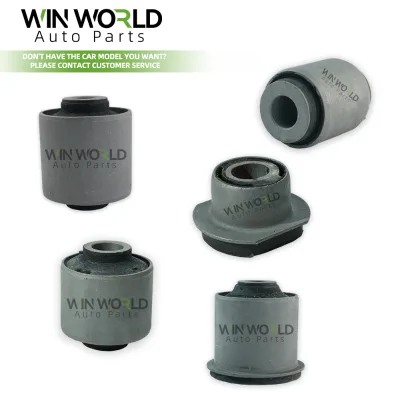
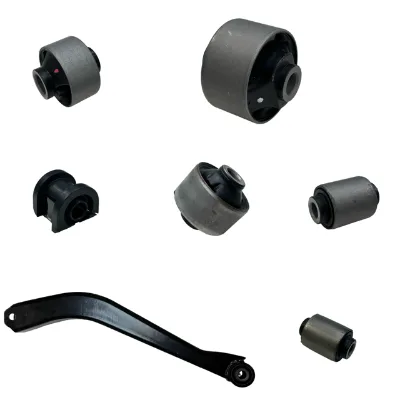
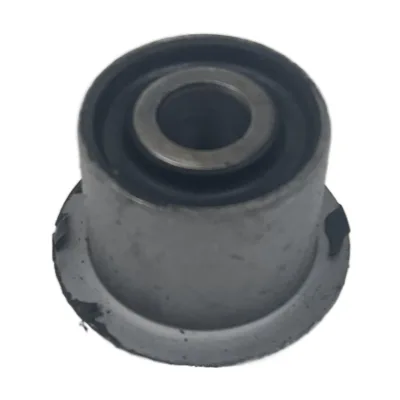


Comprehensive Sourcing Guide
Upper Aluminum Control Arm Bushing Sourcing Guide
Sourcing upper aluminum control arm bushings requires a nuanced understanding of material compatibility and mechanical interface requirements. While the core keyword specifies aluminum, the observed market data indicates a significant prevalence of rubber and plastic components in control arm assemblies. Buyers must carefully distinguish between the housing material and the bushing insert material to ensure proper fitment and performance. The observed listings frequently highlight rubber hardness ranges from 30 to 90 Shore A, suggesting that the bushing itself is often elastomeric rather than metallic. This distinction is critical for vibration damping and noise reduction in vehicle suspension systems.
Procurement teams should verify whether the aluminum component refers to the control arm housing or a specific metal-reinforced bushing insert. The supplied facts list various materials including plastic, stainless steel, and rubber, indicating that "aluminum" may refer to the surrounding structure rather than the bushing material itself. Buyers need to confirm if the supplier provides the complete loaded control arm or just the bushing insert. This clarification prevents mismatches in hardness, load capacity, and installation torque specifications.
Product Scope and Observed Listing Signals
The observed product listings reveal a diverse range of control arm bushing configurations, with models such as JK-bushing-01 and JK-bushing-03 appearing frequently. These products are often described with customization options, allowing buyers to specify size, hardness, and color according to their engineering drawings or physical samples. The observed price range of 0.01 to 13.2 USD suggests a wide variance in quality, material composition, and order volume. Buyers should interpret these prices as indicative of bulk tiered pricing rather than single-unit retail costs.
Listing signals also indicate that many suppliers offer OEM and ODM services, with customization available for logos and packaging. The observed MOQ ranges from 2 to 1000 units, providing flexibility for both prototyping and mass production needs. Some listings specify neutral, original, or customized packing, which is essential for brand protection and logistics efficiency. Buyers should note that while some products are labeled as OEM, others explicitly state OEM is not available, requiring careful verification of intellectual property rights and fitment accuracy.
Technical Specifications to Verify
Technical verification must begin with confirming the exact size and dimensional tolerances of the bushing. The observed facts state that size can be custom or the same as the customer's drawing or sample, highlighting the importance of precise engineering documentation. Buyers should provide detailed CAD files or physical samples to ensure the bushing fits correctly within the aluminum control arm housing. The observed rubber hardness range of 30 to 90 Shore A allows for tuning of suspension stiffness, so buyers must specify the desired durometer for their application.
Positioning is another critical technical parameter, with listings specifying front or rear positions for various vehicle brands. Buyers must verify the OE number, such as 1735761, to ensure compatibility with specific vehicle models like Volvo, Audi, or Toyota. The estimated weight of approximately 0.5kg for some units provides a baseline for logistics planning and inventory management. Additionally, the processing method, often rubber molded, affects the final product's durability and resistance to environmental factors, so buyers should request material data sheets for validation.
Compliance and Safety Documentation
Compliance verification is essential for automotive components, with observed certifications including ISO, ISO/TS, ISOHSAS, ISOGSV, GMP, and BSCI. Buyers should request valid certificates from independent auditing bodies to ensure the supplier meets international quality and social responsibility standards. The presence of ISO certification suggests a structured quality management system, but buyers must verify the scope of certification to ensure it covers the specific manufacturing processes for control arm bushings.
Safety documentation should also include material safety data sheets (MSDS) for any rubber or plastic compounds used in the bushing. Buyers must ensure that the materials comply with environmental regulations such as REACH or RoHS, particularly if exporting to Europe or other regulated markets. The observed fact that standards depend on customer samples or drawings implies that buyers are responsible for defining the specific regulatory requirements. Suppliers should be asked to confirm their ability to meet these specific standards before placing large orders.
Cost Drivers and Commercial Terms
Cost drivers for upper aluminum control arm bushings include material selection, hardness specifications, and order volume. The observed price range of 0.01 to 13.2 USD reflects these variables, with higher hardness or specialized materials likely commanding higher prices. Buyers should negotiate based on tiered pricing structures, leveraging the observed MOQ range of 2 to 1000 units to secure better rates for larger volumes. Payment terms such as T/T, PayPal, and Western Union are commonly observed, offering flexibility but also requiring careful financial risk management.
Commercial terms like EXW indicate that buyers are responsible for shipping and insurance costs from the supplier's location. This can significantly impact the total landed cost, so buyers should calculate logistics expenses accurately. The observed origin locations in Qingdao, Guangzhou, and Ningbo suggest a concentration of suppliers in China, which may offer competitive pricing but requires careful quality control. Buyers should also consider the cost of customization, as custom sizes or logos may incur additional setup fees.
Supplier Qualification and Quality Control
Supplier qualification should involve a thorough review of their manufacturing capabilities and quality control processes. Buyers should verify that the supplier has experience in rubber molding and can produce consistent hardness levels across batches. The observed fact that hardness is according to customer requirements suggests that suppliers may have flexible processes, but buyers must establish strict acceptance criteria to ensure consistency. Requesting sample batches for testing is a critical step in validating supplier capability before committing to large orders.
Quality control checks should include dimensional inspection, hardness testing, and visual inspection for defects. Buyers should define clear acceptance criteria for surface finish, burrs, and dimensional tolerances in their purchase agreements. The observed packing methods, such as plastic bags inside cartons or wooden pallets, should be evaluated for their ability to protect the bushings during transit. Buyers should also consider conducting factory audits or third-party inspections to ensure ongoing compliance with quality standards.
Long-Term Procurement Checks
Long-term procurement success depends on establishing a robust supplier relationship and continuous performance monitoring. Buyers should track key performance indicators such as on-time delivery, defect rates, and responsiveness to quality issues. The observed customization options allow for ongoing product development, so buyers should maintain open communication with suppliers to address evolving engineering requirements. Regular reviews of supplier certifications and compliance status are necessary to ensure ongoing adherence to quality and safety standards.
Supply chain resilience should be a priority, with buyers considering diversifying their supplier base to mitigate risks. The observed variety of suitable car brands, including BMW, Benz, and Toyota, indicates a broad market, but buyers should focus on suppliers with proven experience in their specific vehicle segments. Building a long-term partnership with a reliable supplier can lead to better pricing, priority production, and improved technical support. Buyers should also stay informed about industry trends and technological advancements in control arm bushing materials and designs.
FAQs
What certifications are available for control arm bushings?
ISO and OEM certifications are available for these components. Suppliers often provide ISO/TS, ISOHSAS, ISOGSV, GMP, and BSCI credentials. These standards ensure quality management and compliance with international manufacturing requirements for automotive parts.
Can I customize the rubber hardness for my application?
Yes, customization is available for rubber hardness. The standard range is 30 to 90 Shore A, but hardness can be adjusted according to specific customer requirements. This allows for tailored performance in various vehicle suspension systems.
What is the typical MOQ for these bushings?
The minimum order quantity typically ranges from 2 to 1000 pieces. Specific MOQs depend on the supplier and product model, such as 100 PCS for certain items. Buyers should confirm exact quantities with vendors before placing orders.
Which car brands are supported by these control arms?
These parts support many brands including Kia, Mazda, Volvo, Lexus, Peugeot, Audi, Roewe, Geely, Cadillac, Chevrolet, Chery, Buick, Ford, Nissan, Jeep, Toyota, Honda, Hyundai, BMW, Benz, WuLing, and Volkswagen. Compatibility varies by specific model and OE number.
How are the products packed for shipping?
Products are packed inside plastic bags and outside carton boxes. Some suppliers use wooden pallets or neutral, original, and customized packaging options. Packing methods can be adjusted based on customer requests to ensure safe transit and storage.
Where are these bushings manufactured?
These bushings are manufactured in Qingdao, China, and Guangzhou. Some specific items originate from Ningbo. Buyers can select suppliers based on their preferred manufacturing location for logistics and supply chain planning purposes.