Source Urine Test Kit for pregnancy, ovulation, and UTI screening
Compare 30 Urine Test Kit options from verified Chinese manufacturers. Buyers can evaluate CE-certified strips and cassettes for pregnancy, ovulation, and UTI detection with varying sensitivities and shelf lives.
Key considerations
Products List


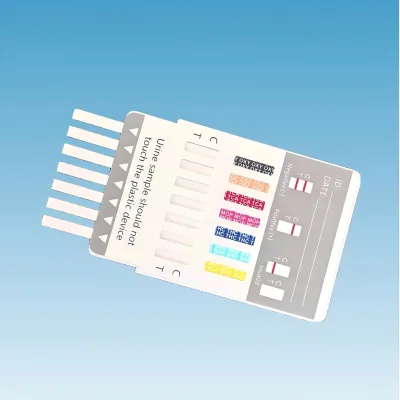
rapid testing complete urinalysis quick result manufacturer ua test kit
$1.18 - $1.20
MOQ: 1000 Pieces




Comprehensive Sourcing Guide
Strategic Sourcing Guide for Urine Test Kits in the B2B Market
Procuring urine test kits for wholesale distribution or institutional deployment requires a rigorous approach that balances technical performance, regulatory compliance, and supply chain reliability. The market for these diagnostic tools is vast, ranging from rapid home-use strips to sophisticated laboratory reagents. For B2B buyers, the primary objective is to secure a consistent supply of products that meet specific medical standards while maintaining cost efficiency. This guide outlines the critical factors for evaluating urine test kits, drawing on observed market data and established procurement principles to ensure a sound investment strategy.
Technical Specifications and Product Formats
The first step in any sourcing process is defining the precise technical requirements of the product. Urine test kits are not monolithic; they vary significantly in format, reaction mechanism, and intended specimen type. In the current market, the most prevalent formats include test strips, cassettes, and midstream collection devices. Buyers must verify the specific format that aligns with their distribution channel. For instance, strip-based formats are often preferred for high-volume, low-cost applications, while cassettes may offer better user experience for home testing.
A critical technical attribute to evaluate is the reaction method. The observed market data indicates the prevalence of the Colloidal Gold Rapid Test method, which is widely used for its speed and reliability in detecting specific antigens or hormones. However, other methods exist, and the choice depends on the target analyte. For example, some products are designed for early pregnancy detection, while others focus on urinary tract infections or ovulation monitoring. The sensitivity and specificity of the test are paramount. Market observations show sensitivity values ranging from 10 mIU/mL to 25 mIU/mL for specific hormone tests, with specificity figures reported as high as 99% for certain models. Buyers should not assume these figures apply universally; instead, they must request specific test data sheets for the exact model number being considered.
The physical specifications of the kit also play a vital role in logistics and storage. The standard packaging often involves single pouches within a master carton, with a typical unit count of 100 pieces per bottle or carton. Physical dimensions can vary, with some compact models measuring approximately 643455 mm. The material composition is another key factor; high-quality kits often utilize Medical Grade ABS Plastic for the casing, ensuring durability and chemical resistance. The shelf life is a critical operational metric, with observed validity periods ranging from 24 months to 2 years. Storage conditions are equally important, with most products requiring a stable environment between 2°C and 30°C. Deviations from these temperature ranges can compromise the reagents, leading to false results.
Compliance and Certification Verification
In the medical device sector, regulatory compliance is not merely a formality but a prerequisite for market entry. Buyers must rigorously verify the certification status of any potential supplier. The most common certifications observed in the Urine Test Kit market include CE marking and ISO standards. Specific certification numbers, such as CE0197 or CE0123, may be listed for individual products, indicating that the device has undergone conformity assessment procedures. Additionally, some suppliers may hold TUV CE and ISO certifications, which can provide an extra layer of assurance regarding quality management systems.
It is essential to understand that certifications are product-specific. A supplier may hold a general ISO certificate, but the specific Urine Test Kit model must have its own CE marking or equivalent regulatory approval for the target market. For products originating from regions like China, including Tianjin, Beijing, and Hangzhou, the CE mark is often the primary requirement for export to Europe. Buyers should request copies of the actual certificates and verify the validity dates and the specific scope of the certification. Relying on a supplier's general reputation without verifying the specific product certification is a significant risk. Furthermore, the classification of the product as a Biological Diagnostic tool implies strict adherence to medical device regulations, which vary by jurisdiction.
Cost Drivers and Pricing Dynamics
Understanding the cost structure of urine test kits is essential for budgeting and margin analysis. The observed price range in the market spans from $0.01 to $6.38 USD, a wide variance that reflects differences in technology, packaging, and volume. The primary cost drivers include the complexity of the test strip chemistry, the sensitivity of the detection method, and the packaging materials. High-sensitivity tests, such as those with a sensitivity of 10 mIU/mL, often command a higher price point than standard detection kits.
The Minimum Order Quantity (MOQ) is another significant factor influencing the total cost of ownership. Market data shows an MOQ range from 1 unit to 10,000 units, with a common baseline of 1,000 units for many suppliers. While a lower MOQ allows for smaller initial investments, it often results in a higher unit price. Conversely, larger orders typically secure better pricing but require significant capital outlay and storage capacity. Buyers should negotiate based on their projected sales volume and cash flow constraints. Additionally, the customization options available, such as OEM or ODM services, can impact costs. Custom branding and packaging add value but may increase the unit price and lead time.
Typical Applications and Target Markets
Urine test kits serve a diverse range of applications, necessitating a clear understanding of the target market. The most common applications include early pregnancy detection, ovulation monitoring, and the screening of urinary tract infections. Products are often categorized by the specific biological stage or condition they address. For example, kits designed for the "Early Pregnancy" stage utilize specific antigens to detect human chorionic gonadotropin (hCG), while ovulation tests target Luteinizing Hormone (LH).
The target demographic also varies. Some products are explicitly classified for the "Female" group, focusing on reproductive health. Others, such as Urinary Tract Infection Test Kits, may be used in broader clinical settings or by general practitioners. The intended use dictates the required accuracy and reliability. For home-use kits, user-friendliness and clear result interpretation are critical. In clinical settings, the focus shifts to precision and speed, with reaction times often ranging from 1 to 2 minutes. Buyers must align their product selection with the specific needs of their customers, whether they are pharmacies, clinics, or direct-to-consumer retailers.
Supplier Evaluation and Operational Capabilities
Selecting the right supplier involves more than just comparing prices; it requires a comprehensive evaluation of their operational capabilities. Key attributes to assess include the supplier's location, production capacity, and service offerings. The observed data indicates suppliers are located in major manufacturing hubs such as Tianjin, Beijing, and Hangzhou. Proximity to logistics hubs can reduce shipping times and costs. Buyers should also verify the supplier's ability to provide customization services, as many offer OEM or ODM options to tailor products to specific brand requirements.
The service level is another critical consideration. Suppliers that offer a warranty, such as a 3-year warranty on certain equipment or reagents, demonstrate confidence in their product quality. However, buyers must clarify the scope of the warranty, as it may apply only to specific components or manufacturing defects. The production lead time is also a vital factor in supply chain planning. While specific lead times were not universally defined in the observed data, buyers should establish clear timelines with potential suppliers to ensure timely delivery. A reliable supplier should be able to provide a consistent production schedule and handle fluctuations in demand without compromising quality.
Quality Control and Long-Term Procurement Strategy
Maintaining product quality over the long term requires a robust quality control (QC) system. Buyers should inquire about the supplier's QC protocols, including in-process testing and final product inspection. The accuracy of the test kits is a primary quality metric, with observed values ranging from 95.8% to 99.9%. High accuracy is essential for maintaining customer trust and minimizing the risk of false positives or negatives. Buyers should request batch-specific test results to verify that the products meet the claimed accuracy standards.
Long-term procurement strategies should focus on building a sustainable relationship with suppliers. This includes establishing clear communication channels, agreeing on quality standards, and setting expectations for continuous improvement. Regular audits of the supplier's facilities can help ensure ongoing compliance with quality and safety standards. Additionally, buyers should monitor the shelf life of the products closely to prevent inventory obsolescence. With a typical validity of 24 months, effective inventory management is crucial to ensure that products are sold before their expiration date. By prioritizing quality, compliance, and reliability, buyers can secure a competitive advantage in the Urine Test Kit market.
Comparative Analysis of Key Product Attributes
To facilitate decision-making, the following table summarizes the key attributes observed in the market, providing a quick reference for buyers evaluating different product options.
| Attribute | Observed Range / Value | Notes for Verification |
|---|---|---|
| Product Type | IVD Reagent, Test Strips | Verify specific classification for target market. |
| Format | Strips, Cassettes, Midstreams | Match format to user convenience needs. |
| Method | Colloidal Gold Rapid Test | Confirm method suitability for target analyte. |
| Accuracy | 95.8% - 99.9% | Request batch-specific accuracy data. |
| Sensitivity | 10 mIU/mL - 25 mIU/mL | Higher sensitivity may increase cost. |
| Specificity | 92.3% - 99% | Critical for minimizing false positives. |
| Reaction Time | 1 - 2 minutes | Standard for rapid tests; verify consistency. |
| Shelf Life | 2 Years (24 Months) | Check storage requirements (2-30°C). |
| Certification | CE, ISO, TUV CE | Verify specific certificate numbers per model. |
| MOQ | 1 - 10,000 (Common: 1,000) | Negotiate based on volume and cash flow. |
| Origin | China (Tianjin, Beijing, Hangzhou) | Consider logistics and shipping implications. |
| Customization | Available (OEM/ODM) | Clarify costs and lead times for custom orders. |
This table serves as a starting point for comparison. Buyers must remember that these attributes are observations from the current market and may vary by specific product model. Thorough due diligence, including sample testing and supplier audits, remains the most effective way to ensure the selected urine test kits meet the rigorous demands of the B2B market. By adhering to these guidelines, buyers can navigate the complexities of sourcing and establish a reliable supply chain for diagnostic products.
FAQs
What certifications do urine test kits typically hold?
Most urine test kits hold CE and ISO certifications, with specific models also carrying CE0197, CE0123, or TUV CE marks. Buyers must verify that the specific model number matches the certificate scope before purchasing.
How long is the shelf life of these test kits?
The standard shelf life is 24 months or 2 years from the manufacturing date. Products must be stored between 2 and 30 degrees Celsius to maintain validity and prevent reagent degradation.
Can I customize the packaging or branding of the kits?
Yes, OEM and ODM customization services are available for urine test kits. Buyers should confirm specific lead times and additional costs associated with custom branding or packaging requirements.
What is the minimum order quantity for these products?
The minimum order quantity ranges from 1 to 10,000 units, with a common baseline of 1,000 units for many suppliers. Lower MOQs may result in higher unit prices compared to bulk orders.
Which formats are available for urine test kits?
Available formats include test strips, cassettes, and midstream collection devices. The choice depends on the target user, with strips often preferred for high-volume applications and cassettes for home testing.
What accuracy rates can be expected from these tests?
Accuracy rates vary by model, with observed values ranging from 95.8% to 99.9%. Buyers should request batch-specific test data sheets to verify accuracy claims for the exact model being sourced.