Source Urine Test Strips for Clinical Labs, Hospitals, and Home Use
Find 30 verified Urine Test Strips from Chinese manufacturers offering 11-parameter analysis, varying MOQs, and ISO certifications. Compare semi-quantitative options, plastic or paper materials, and sterilization methods for clinical and home applications.
Key considerations
Products List


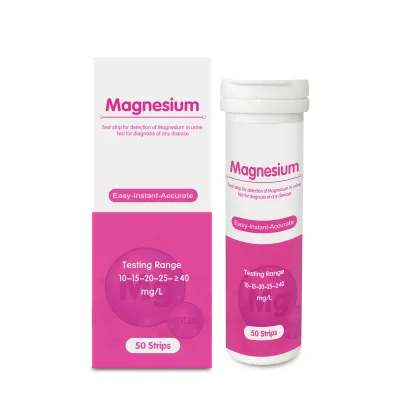


Urine Test Strip Urine Glucose Test Strip Rapid Response Urinalysis Test Strips
$4.50 - $5.00
MOQ: 500 bottle


Comprehensive Sourcing Guide
Strategic Sourcing Guide for Urine Test Strip Procurement
Understanding Product Variants and Technical Specifications
The market for Urine Test Strips presents a complex landscape where a single core keyword often masks significant variations in technical design, intended application, and physical composition. When sourcing Urine Test Strips, buyers must first distinguish between products designed for semi-quantitative visual analysis and those intended for integration into automated Urine Analysis Systems. The observed product data reveals a divergence in material composition, with some units constructed from paper substrates while others utilize plastic or PVA (Polyvinyl Alcohol) plastic for the mylar backing. This distinction is critical as it influences the strip's durability, fluid absorption rate, and compatibility with specific reading devices.
Technical specifications vary widely across the supply base. Some products are engineered as standalone visual tools, featuring an 8-color imported ink color chart designed to enhance reading accuracy for manual interpretation. In contrast, other listings describe the product as an IVD (In Vitro Diagnostic) reagent with a format of "Strip/Barrel," suggesting a high-volume dispensing mechanism suitable for clinical laboratories. The number of test parameters is another key differentiator; while some standard configurations offer a focused analysis of Glucose and Protein, more comprehensive models provide 11 distinct test parameters. This breadth of testing capability directly impacts the utility of the product for general screening versus specialized diagnostic needs.
Buyers should also scrutinize the physical dimensions and packaging standards. Observed specifications include a standard size of 5.1 x 5.1 x 13.8 cm for certain models, while others are defined by their container capacity, such as 100 strips per bottle or 100 pieces per barrel. The packaging itself ranges from sealed cartons to bulk cartons containing 200 boxes or barrels. These variations affect logistics planning, as the density and weight of the shipment will differ significantly between a carton of 100 strips and a barrel of 1000. Furthermore, the presence of specific model numbers, such as 11H, KL-0001, UH-1, or URS-10, indicates that these are not generic commodities but specific SKUs with unique manufacturing tolerances.
Compliance, Certification, and Regulatory Standards
Navigating the regulatory landscape is a paramount concern for any procurement professional dealing with medical diagnostic supplies. The primary certification observed in the current market data is ISO compliance. While this is a high-confidence fact for certain listings, buyers must verify that the specific supplier holds a valid, current ISO certificate that covers the manufacturing of IVD reagents. The presence of "ISO" in a product description is a strong indicator of a quality management system, but it does not automatically guarantee that the specific batch of Urine Test Strips meets local regulatory requirements in the buyer's destination country.
Sterilization status is another critical compliance factor. The data indicates a split in the market: some products undergo Ethylene Oxide Sterilization, while others are explicitly marked as "Without Ethylene Oxide Sterilization." This distinction is vital for applications requiring sterile conditions or for facilities with strict infection control protocols. Buyers must align their procurement with their internal safety standards. If the end-use environment requires sterile strips, the supplier must provide batch-specific sterilization records. Conversely, if the strips are intended for non-sterile, general screening, the non-sterilized option may be more cost-effective, provided it meets the relevant hygiene standards.
The classification of the product also dictates regulatory pathways. Listings describing the item as an "IVD Reagent" or a "Food Rapid Test Kit" suggest different regulatory frameworks. Urinalysis test strips intended for human medical use typically fall under stricter medical device regulations compared to food testing kits. The "Group: Adult" attribute further clarifies the intended demographic, ensuring that the sensitivity and range of the test parameters are appropriate for adult physiology. Buyers should verify that the product standard, such as "11 TEST PARAMETERS," aligns with the clinical guidelines or operational protocols of their facility.
Cost Drivers and Economic Factors in Procurement
The economic structure of the urine test strip market is influenced by several distinct variables, including volume, customization, and packaging complexity. The observed price range of $0.01 to $7 USD highlights the extreme variance in unit economics. This spread is not merely a function of brand but is driven by the complexity of the test strip itself. A basic 2-parameter strip (Glucose, Protein) will naturally cost less than a comprehensive 11-parameter strip with advanced colorimetric technology. Additionally, the inclusion of features such as "8-Color Print Colorchart" or "With Logo Printing" adds to the manufacturing cost, which is reflected in the final unit price.
Minimum Order Quantity (MOQ) is a significant driver of total procurement cost. The data shows an MOQ range from 1 to 10,000 units. For small clinics or research labs, an MOQ of 10,000 may be prohibitive, forcing them to seek suppliers with lower thresholds or to consolidate orders with other facilities. Conversely, large hospital networks can leverage high-volume orders to negotiate better unit prices. The "MOQ: 100 Barrels" specification for certain models indicates that some suppliers operate on a bulk industrial scale, where the unit cost is minimized only at very high volumes.
Customization availability is another economic lever. The fact that "Customization: Available" is listed suggests that buyers can request tailored solutions, such as specific branding or modified test parameters. While customization offers strategic value, it often incurs a setup fee or a higher per-unit cost due to the need for dedicated production runs. Buyers must weigh the long-term benefits of a branded, customized product against the immediate cost savings of standard, off-the-shelf inventory. Furthermore, the "Quality Guarantee Period: Two Years" and "Shelf Life: 2 Years" are crucial for inventory management. A longer shelf life reduces the risk of product obsolescence and waste, effectively lowering the cost per use over time, even if the initial purchase price is slightly higher.
Typical Applications and Operational Use Cases
The application of Urine Test Strips is diverse, ranging from point-of-care screening to high-throughput laboratory analysis. The "Visual Urine Test Strip" designation points to a primary use case in settings where automated readers are unavailable or where a quick, manual assessment is required. In these scenarios, the "8-Color Imported Ink" and the "More Accurate" color chart are essential features that allow healthcare providers to interpret results without specialized equipment. This makes such strips ideal for general practitioner offices, school health programs, or home health monitoring.
In contrast, the "Urine Analysis System" and "IVD Reagent" classifications indicate a more sophisticated application. These products are designed to be used in conjunction with automated analyzers that read the color changes on the strip and convert them into digital data. This is the standard for hospital laboratories and large diagnostic centers where throughput and data integration are priorities. The "Test Items: 11 Parameters" specification is particularly relevant here, as it allows for a comprehensive metabolic profile in a single test, which is necessary for diagnosing complex conditions like diabetes, kidney disease, or urinary tract infections.
The "Food Rapid Test Kit" listing introduces a different operational context. While the core technology may be similar, the intended application is for food safety testing, likely checking for contaminants or spoilage indicators in food products. This distinction is vital for procurement, as the regulatory requirements and quality standards for food testing differ from those for human medical diagnostics. Buyers must ensure that the product they select matches the specific operational environment. For instance, a strip designed for food testing may not be suitable for human clinical use due to differences in sensitivity thresholds or regulatory labeling.
Supplier Evaluation and Geographic Considerations
When evaluating potential suppliers, geographic origin plays a significant role in logistics and supply chain resilience. The observed data indicates that the majority of these products originate from China, with specific mentions of Zhejiang and Jiangsu provinces. These regions are known for their robust manufacturing ecosystems and specialized clusters for medical device production. Sourcing from these locations can offer competitive pricing and a wide variety of options. However, buyers must also consider the logistics of importing from these regions, including lead times, shipping costs, and potential customs delays.
Supplier reliability is often signaled by the "Advantage: Integrity and Strict Quality Control" attribute. While this is a marketing claim, it suggests that the supplier prioritizes consistency and adherence to quality standards. Buyers should verify this claim by requesting audit reports or references from other clients. The "Two Years" warranty and "Quality Guarantee Period" are also strong indicators of supplier confidence in their product. A supplier willing to offer a two-year guarantee is likely to have robust quality control processes in place to minimize the risk of product failure.
Customization capabilities are another key evaluation metric. The availability of "Logo Printing" and "Customization" suggests that the supplier is flexible and capable of working with buyers to create branded solutions. This is particularly important for distributors and large healthcare networks that wish to maintain brand consistency. However, buyers should assess the supplier's capacity to handle custom orders without compromising on lead times or quality. The "MOQ: 10000" for some models may indicate a limitation in flexibility for smaller custom orders, so buyers should clarify the minimum requirements for customized production.
Quality Control and Long-Term Procurement Strategy
Ensuring the quality of Urine Test Strips requires a proactive approach to quality control that extends beyond the initial purchase. The "Storage: 2-30℃" specification is a critical parameter that must be strictly adhered to throughout the supply chain. Deviations from this temperature range can degrade the chemical reagents on the strip, leading to inaccurate test results. Buyers should implement strict temperature monitoring protocols during shipping and storage to ensure product integrity. The "Ethylene Oxide Sterilization" status also requires verification, as improper sterilization can compromise the safety of the product.
Long-term procurement strategy should focus on building a relationship with suppliers who offer consistent quality and reliable supply. The "Shelf Life: 2 Years" provides a window for inventory management, but buyers should plan their orders to ensure that stock is consumed before expiration. The "100 STRIPS PER BOTTLE" and "100 pcs/bottle" packaging standards suggest that inventory management should be organized around these unit counts to minimize waste and ensure accurate stock tracking.
Buyers should also consider the "Test Type: Urine Analysis System" compatibility when planning for future expansion. If a facility plans to upgrade to automated systems, purchasing strips that are compatible with those systems from the outset can simplify the transition. The "Feature: Efficient" attribute suggests that some products are designed for high-speed processing, which is beneficial for high-volume facilities. By aligning procurement with long-term operational goals, buyers can optimize their investment in Urine Test Strips and ensure a steady supply of high-quality diagnostic tools.
Comparative Analysis of Product Attributes
To facilitate decision-making, the following table summarizes the key attributes observed in the market data, highlighting the trade-offs between different product types.
| Attribute | Visual Test Strip | IVD Reagent / System | Food Rapid Test Kit |
|---|---|---|---|
| Primary Application | Manual visual reading | Automated analysis systems | Food safety screening |
| Material | Paper, Plastic, PVA | Plastic, Barrel format | Varies |
| Test Parameters | 2 to 11 Parameters | 11 Parameters (Typical) | Varies |
| Packaging | Carton, Bottle, Barrel | Barrel, Box, Carton | Barrel, Box |
| Sterilization | Optional (EO or None) | Often Sterilized | Varies |
| MOQ Range | 1 - 10,000 | 100 Barrels | Varies |
| Shelf Life | 2 Years | 2 Years | Varies |
| Storage Temp | 2-30°C | 2-30°C | Varies |
This comparison underscores the importance of matching the product specification to the specific operational needs of the buyer. Whether the priority is manual simplicity, automated integration, or specialized food testing, the data provides a clear framework for selecting the appropriate product. By carefully evaluating these attributes, buyers can make informed decisions that align with their quality standards, budget constraints, and operational requirements.
FAQs
What certifications do the Urine Test Strips hold?
The products hold ISO certification as a high-confidence fact. Buyers should verify that the specific supplier maintains a valid certificate covering IVD reagent manufacturing before finalizing orders.
How many test parameters are available on these strips?
Models offer either 11 distinct parameters or a focused 2-parameter test for glucose and protein. The choice depends on whether the facility requires comprehensive metabolic screening or basic diagnostic checks.
Can buyers request logo printing on the test strips?
Yes, customization with logo printing is available for these products. This option allows for branding but may require meeting specific minimum order quantities set by the manufacturer.
What is the shelf life and storage requirement for the strips?
The shelf life is two years when stored between 2 and 30 degrees Celsius. Strict adherence to this temperature range is necessary to prevent chemical degradation and ensure accurate test results.
Which sterilization methods are used for the Urine Test Strips?
Some products undergo Ethylene Oxide Sterilization while others are explicitly without it. Buyers must select the option that aligns with their facility's infection control protocols and safety standards.
What is the minimum order quantity for these test strips?
The minimum order quantity ranges from 1 to 10,000 units depending on the specific model. Large hospital networks can leverage high-volume orders, while smaller clinics may need to find suppliers with lower thresholds.