Source US Type DRL Tail Lamp for Trucks, Cars, and Motorcycles
Compare 30 listings for US Type DRL Tail Lamp suitable for trucks, cars, and motorcycles. Buyers can evaluate specifications like voltage, waterproof ratings, and certifications from suppliers in China to find suitable options for replacement or repair.
Key considerations
Products List


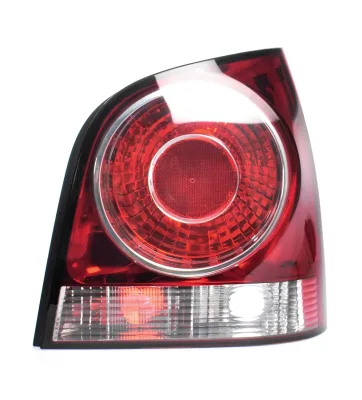


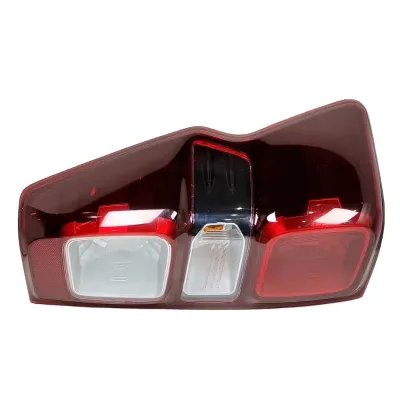


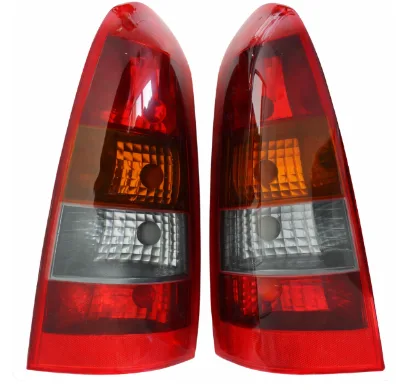


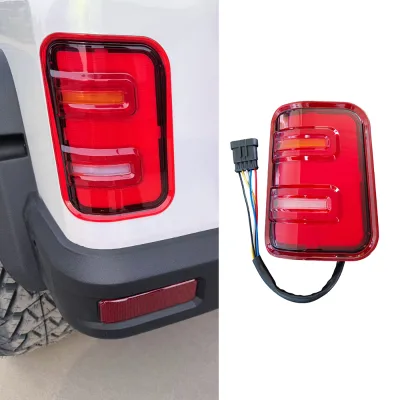

Comprehensive Sourcing Guide
Strategic Sourcing Guide for US-Style DRL Tail Lamps
Navigating the global marketplace for United States-type Daytime Running Light (DRL) tail lamps requires a disciplined approach that balances regulatory compliance, technical performance, and supply chain reliability. The US market demands specific photometric and durability standards that differ significantly from European or Asian domestic specifications. Buyers must move beyond generic product listings to verify that the "US type" designation aligns with actual DOT (Department of Transportation) and SAE (Society of Automotive Engineers) requirements. This guide synthesizes observed market data and technical attributes to provide a framework for evaluating suppliers and products in this specialized category.
Technical Specifications and Functional Requirements
The core of any successful procurement for US-style DRL tail lamps lies in understanding the precise functional attributes required for road legality and vehicle integration. Based on observed product data, these units are frequently categorized as Back Position Lamps, Parking Lights, or combinations thereof. A critical observation from the market is the variation in operating voltage. While many standard automotive components operate at 12V, specific heavy-duty applications, such as truck side lights, taillights, and warning brake lights, often require 24V systems. Procurement teams must explicitly verify the operating voltage of the specific model to ensure compatibility with the vehicle's electrical architecture.
Material composition is another decisive factor. High-performance units are increasingly constructed from ABS (Acrylonitrile Butadiene Styrene) combined with LED technology. This composite material offers a balance of impact resistance and thermal management essential for LED longevity. The light source itself is almost universally LED in modern listings, offering superior energy efficiency and response time compared to traditional incandescent bulbs. However, the physical dimensions must be scrutinized against the vehicle's mounting points. Observed standards indicate a wide range of form factors, from specific rectangular dimensions like 10410830.5mm to circular designs with diameters of 135mm. Buyers should not assume a universal fit; the "Universal" standard listed for some models often refers to the mounting bracket adaptability rather than the physical envelope of the lamp itself.
Regulatory Compliance and Certification Verification
Compliance is the most critical hurdle for US-market entry. The presence of "US type" in a product title does not automatically guarantee adherence to US federal safety standards. Buyers must rigorously verify the certification status of the supplier. The market data indicates a spectrum of certifications, including CCC (China Compulsory Certification), E-mark, ISO9001, DOT, GOST, and GCC. For the United States market, DOT certification is non-negotiable for road-legal applications. The absence of DOT certification in a product listing should be treated as a red flag, regardless of other claims.
Furthermore, the quality management systems underpinning the manufacturing process are vital. ISO9001 certification is frequently cited, with some listings specifying "Type: Motorcycle Light" or general automotive standards. While ISO9001 ensures a consistent manufacturing process, it does not replace product-specific safety certifications. Buyers should also be aware of the HS Code 8512201000, which classifies electric lighting equipment for vehicles. This code is essential for accurate customs declaration and tariff calculation. When evaluating a supplier, request proof of current DOT certification and verify that the certification applies specifically to the model number being purchased, as certifications are often model-specific rather than company-wide.
Cost Drivers and Pricing Structures
Understanding the cost structure of DRL tail lamps is essential for budgeting and negotiating. The observed price range in the market spans from $0.15 to $150 USD, a variance that reflects differences in technology, build quality, and volume. The lower end of the spectrum typically corresponds to basic replacement units, often labeled as "Copy" quality, while the higher end encompasses "Original" quality, high-performance units with advanced waterproofing, and complex LED arrays.
Several factors drive these costs. First, the level of customization available significantly impacts price. Products offering "Available" customization for specific vehicle models or lighting patterns command a premium over standard off-the-shelf inventory. Second, the protection level is a major cost driver. Units rated IP68 or IP67, which offer complete dust protection and high-pressure water immersion resistance, are more expensive to manufacture than those with lower ratings. Third, the packaging method influences the final landed cost. Options range from "Box Packed" and "Neutral Package" to "Carton" and "Pallet" shipping, each with different logistics implications.
Minimum Order Quantity (MOQ) also plays a role in unit economics. The observed MOQ range is 1 to 500 units. Suppliers with low MOQs (e.g., 1 unit) often charge a higher per-unit price to cover setup and handling costs. Conversely, buyers ordering near the 500-unit threshold may secure more favorable pricing but must manage inventory risk. Buyers should calculate the total cost of ownership, including shipping and potential duties, rather than focusing solely on the unit price.
Typical Applications and Vehicle Compatibility
The application scope for US-style DRL tail lamps is diverse, spanning passenger vehicles, commercial trucks, and motorcycles. The market data highlights specific use cases, including "truck side light taillight warning brake light" applications and general "Auto Car Red Taillight" replacements. The "purpose" is often explicitly stated as "for replace/repair," indicating that these are aftermarket solutions rather than OEM (Original Equipment Manufacturer) first-fit components.
Compatibility is the primary challenge in this sector. While some models are designated as "Universal," others are tailored to specific platforms, such as "For Mexico 150Z" or specific truck models identified by part numbers like 2241859 or 81252256544. The "Quality" attribute often distinguishes between "Original" and "Copy" parts. For critical safety applications, buyers should prioritize "Original" quality or parts that explicitly match the vehicle manufacturer's specifications. The "condition" of the product is almost universally listed as "New," but buyers must verify the warranty terms, which are observed to range from standard 1-year coverage to more extensive guarantees.
Supplier Evaluation and Origin Analysis
Evaluating suppliers requires a deep dive into their operational history and geographic location. The observed data points to several key manufacturing hubs in China, including Zhengjiang, Shanghai, Ningbo, and Jinan. While these regions are known for automotive parts manufacturing, the specific location can influence logistics costs and lead times. For instance, suppliers in Ningbo, Zhejiang, may offer better port access for international shipping compared to inland locations like Jinan.
When assessing a supplier, buyers should look for evidence of a robust quality control process. The presence of a "High Quailty" (High Quality) attribute is a marketing claim that must be backed by tangible evidence, such as ISO9001 certification or specific test results. Buyers should request detailed product data sheets that include photometric charts, thermal testing results, and vibration test data. It is crucial to avoid suppliers who cannot provide clear documentation regarding their production standards. Additionally, the "Customization" capability is a strong indicator of a supplier's flexibility and technical competence. A supplier willing to accommodate custom packaging or specific lighting patterns is often better equipped to handle unique procurement needs.
Quality Control and Long-Term Procurement Considerations
Ensuring long-term success in sourcing DRL tail lamps requires a proactive quality control strategy. The "Waterproof" attribute is frequently cited, with ratings like IP67 and IP68 observed in the market. However, these ratings must be verified through third-party testing reports, as self-declared ratings can be unreliable. Buyers should insist on test reports that confirm the IP rating under specific conditions, including temperature extremes and water pressure levels.
The "Warranty" term is another critical consideration. A standard 1-year warranty is common, but for high-volume procurement, buyers should negotiate extended warranty periods or performance guarantees. The "condition" of the product being "New" is a baseline expectation, but buyers must also consider the shelf life of LED components and the durability of the ABS housing. Long-term procurement strategies should include regular audits of the supplier's quality management system and periodic sampling of incoming goods to ensure consistency.
Finally, buyers must consider the lifecycle of the product. The "HS" code and specific model numbers (e.g., LT109, LT119, 2044142) are essential for tracking inventory and managing replacements. As vehicle fleets age, the demand for specific replacement parts may fluctuate. Establishing a relationship with a supplier that offers consistent model availability and reliable lead times is vital for maintaining fleet operations. By focusing on verified certifications, robust technical specifications, and transparent supplier practices, buyers can mitigate risks and secure high-quality US-style DRL tail lamps that meet the rigorous demands of the American market.
Summary of Key Verification Points
To streamline the evaluation process, buyers should utilize the following checklist when reviewing potential suppliers and products:
| Verification Category | Key Attributes to Confirm | Market Observation Reference |
|---|---|---|
| Certification | DOT, ISO9001, CCC | Look for explicit DOT listing; ISO9001 Type:Motorcycle Light or General |
| Voltage | 12V or 24V | Verify against vehicle system; 24V common for trucks |
| Protection | IP67 or IP68 | Confirm via test reports; Waterproof attribute is common |
| Material | ABS+LED | Standard for durability and thermal management |
| Origin | China (Specific City) | Zhengjiang, Shanghai, Ningbo, Jinan noted |
| Packaging | Box, Carton, Pallet | Impacts shipping cost and unit protection |
| Model Specificity | Exact Model Number | LT109, LT119, 2241859, etc. |
| Quality Grade | Original vs. Copy | Critical for safety and fitment |
By adhering to these verification points and maintaining a disciplined approach to supplier selection, procurement teams can effectively source US-type DRL tail lamps that ensure safety, compliance, and operational reliability.
FAQs
What certifications are required for US type drl tail lamps?
DOT certification is mandatory for US road legality, though CCC and E-mark are also common. Buyers must verify that the specific model holds current DOT approval, as generic listings may lack this critical safety compliance for the American market.
Which voltage systems do these lamps support?
Most standard automotive units operate at 12V, while heavy-duty truck applications often require 24V systems. Procurement teams must explicitly verify the operating voltage of the specific model to ensure compatibility with the vehicle's electrical architecture before purchasing.
Can I find waterproof options with high protection levels?
Yes, many units offer IP67 or IP68 waterproof ratings for complete dust and water immersion resistance. Buyers should request third-party test reports to verify these self-declared ratings under specific temperature and pressure conditions for reliable performance.
What materials are used in high-performance tail lamps?
High-performance units are typically constructed from ABS combined with LED technology for durability and thermal management. This composite material offers superior impact resistance and energy efficiency compared to traditional incandescent bulbs found in older vehicle lighting systems.
How does customization affect the pricing structure?
Products offering available customization for specific vehicle models or lighting patterns command a premium over standard inventory. The cost variance reflects differences in technology, build quality, and volume, with basic replacement units often priced significantly lower than custom solutions.
Which origin locations are common for these suppliers?
Manufacturing hubs are frequently located in Zhengjiang, Shanghai, Ningbo, and Jinan within China. These regions influence logistics costs and lead times, with coastal cities like Ningbo often offering better port access for international shipping compared to inland locations.