Source USB Charging Hand Mini Fan for Daily Use, Collection, and Gift
Compare 30 USB Charging Hand Mini Fan options with features like battery power, multiple wind speeds, and CE certification. These portable fans suit daily use, collection, gifts, and decoration across various applications.
Key considerations
Products List


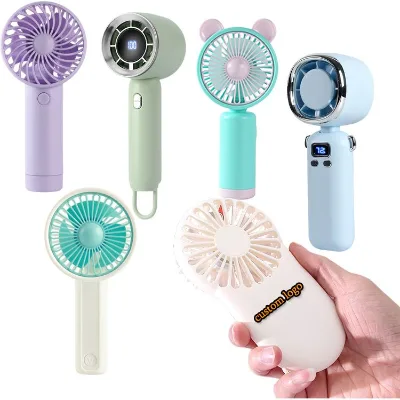
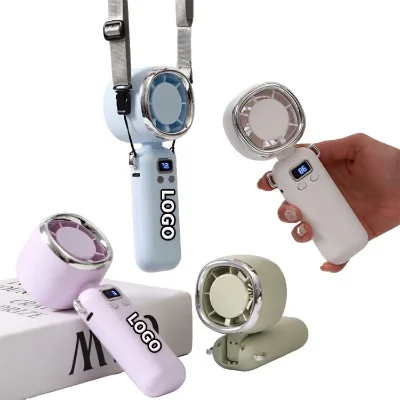
Handheld Pocket Fans USB Charging Battery Hand Held Small Portable Mini Fan
$2.20 - $2.50
MOQ: 200 Pieces




Comprehensive Sourcing Guide
Strategic Sourcing Guide for USB Charging Hand Mini Fans
Understanding Product Specifications and Variability
The market for USB charging hand mini fans presents a diverse landscape of technical configurations, driven by the core requirement of portability and battery-powered operation. When sourcing these devices, buyers must first recognize that "hand mini fan" is a functional category encompassing various form factors, power capacities, and performance metrics. The supplied data indicates that the primary material composition for these units is plastic, a choice that balances cost, weight, and durability for handheld applications. This material selection is critical for maintaining the lightweight profile required for comfortable user handling during extended periods of use.
A fundamental technical distinction lies in the power source architecture. While the category is defined by USB charging capabilities, the internal battery implementation varies significantly. Some units feature a built-in lithium battery, which necessitates specific charging protocols and safety considerations during the manufacturing and logistics phases. The observed battery life ranges from 3 to 6 hours, a metric that buyers should verify against their specific operational requirements. For applications requiring longer continuous operation, the 3-hour lower bound may be insufficient, prompting a need to investigate models with higher capacity batteries, such as the 3000mAh variant observed in the dataset.
Performance specifications further differentiate the available inventory. The noise level is a critical comfort factor, with observed ranges spanning from below 36dB(a) to 45dB(a). For users in quiet environments such as offices or hotels, the sub-36dB models offer a distinct advantage. Wind speed control is another variable; the data shows a spectrum from 3-speed settings to 5-speed modes, and notably, a configuration offering 100 distinct gear levels. This granularity allows for precise airflow management but may introduce complexity in the user interface design. Additionally, the physical dimensions vary widely, with standard measurements ranging from compact sizes like 6.5x3.5x12cm to larger units measuring 18.8x9x4.65cm. Buyers must align these dimensions with their target market's preference for pocketability versus airflow output.
Compliance and Certification Verification
Navigating the regulatory landscape is essential for importing and selling electronic devices, particularly those involving batteries and electrical components. The provided product data highlights specific certifications that serve as indicators of compliance with international safety and environmental standards. The most frequently observed certifications are CE and ROHS. The CE mark indicates conformity with health, safety, and environmental protection standards for products sold within the European Economic Area. ROHS compliance ensures that the product does not contain specific hazardous substances, which is a mandatory requirement for electronics in many global markets.
Some listings also reference CCC certification, which is the China Compulsory Certification. This is particularly relevant for products manufactured in China or intended for the Chinese domestic market, though it may also serve as a baseline for quality assurance in other regions. When evaluating suppliers, buyers should request valid test reports and certificates for these specific standards. It is important to note that the presence of a certification claim in a product listing does not guarantee that every unit in a batch is certified. Buyers must verify that the certification applies to the specific model number and that the documentation is current and issued by an accredited body.
Beyond the listed certifications, buyers should be aware of additional regulatory requirements that may apply based on the destination market. For instance, battery transportation regulations (such as UN38.3) are critical for shipping lithium-ion batteries, which are standard in these devices. While not explicitly listed in the provided facts, this is a universal requirement for the safe transport of such goods. Similarly, if the product is marketed in North America, compliance with UL or FCC standards may be necessary, even if the supplier data only highlights CE and ROHS. The absence of specific certification data in a listing should trigger a deeper inquiry rather than an assumption of compliance.
Cost Drivers and Pricing Dynamics
The pricing structure for USB charging hand mini fans is influenced by a complex interplay of factors, including material costs, battery capacity, feature complexity, and order volume. The observed price range in the market spans from $0.50 to $100,000, a vast disparity that reflects the difference between basic, low-specification units and highly customized, industrial-grade solutions. For the majority of standard handheld fans, the cost is likely driven by the type of plastic used, the capacity of the lithium battery, and the sophistication of the motor and control electronics.
The Minimum Order Quantity (MOQ) is another significant cost driver, with observed ranges from 1 to 5,000 units. Lower MOQs, such as 1 unit, are typically associated with sample orders or highly customized production runs, which carry a higher per-unit cost due to setup fees and lack of economies of scale. Conversely, orders at the higher end of the MOQ spectrum can leverage bulk pricing, significantly reducing the unit cost. Buyers must balance their budget constraints with their inventory needs, considering that larger orders often require a longer lead time and a higher upfront capital investment.
Customization is a key variable that impacts pricing. The data confirms that customization is available for these products. This can range from simple changes in color or logo printing to more complex modifications in the casing design, battery capacity, or control interface. Each level of customization adds to the engineering and tooling costs, which are passed on to the buyer. Additionally, packaging requirements, such as the use of standard color boxes versus premium carton packaging, will influence the final landed cost. Buyers should clearly define their customization needs early in the negotiation process to avoid unexpected cost escalations.
Typical Applications and Usage Scenarios
The versatility of USB charging hand mini fans makes them suitable for a wide array of applications, ranging from personal daily use to commercial and industrial settings. The product attributes indicate usage categories including daily use, collection, gift, and decoration. This broad applicability suggests that the product can be marketed to diverse consumer segments, from individuals seeking personal cooling solutions to businesses looking for promotional items or corporate gifts.
Specific application environments mentioned in the data include cars, garages, hotels, and outdoor settings. In automotive contexts, these fans provide a convenient cooling solution for drivers and passengers, particularly in vehicles with limited air conditioning efficiency. The garage application suggests utility in hot, enclosed workspaces where portable cooling is essential. For the hospitality industry, such as hotels, these fans can serve as a value-added amenity for guests, enhancing the overall customer experience. The outdoor application highlights the portability and battery independence of the device, making it ideal for events, festivals, or outdoor activities where access to power outlets is limited.
The installation type also dictates the usage scenario. While the primary mode is handheld, some models are designed for table installation, offering a stationary cooling solution that can be powered via USB. This dual functionality expands the potential use cases, allowing the same product to serve as both a personal fan and a desk accessory. The bladeless design observed in some models is particularly relevant for safety-conscious applications, such as environments with children or where debris ingestion is a concern.
Supplier Evaluation and Selection Criteria
Selecting the right supplier is a critical step in the procurement process, requiring a thorough evaluation of their capabilities, reliability, and compliance record. Given the global nature of the supply chain, with origins noted in China and specifically Guangdong, buyers should prioritize suppliers with a proven track record in manufacturing electronic consumer goods. Guangdong is a known hub for electronics manufacturing, offering access to a robust supply chain and specialized labor, but it also necessitates rigorous due diligence to ensure quality consistency.
When evaluating suppliers, buyers should look for evidence of the certifications mentioned earlier, such as CE, ROHS, and CCC. Requesting copies of these certificates and verifying their authenticity with the issuing bodies is a standard best practice. Additionally, buyers should assess the supplier's ability to handle customization requests. The availability of customization suggests that the supplier has flexible production lines, but the extent of this flexibility should be clarified. Questions regarding design support, tooling costs, and the timeline for custom orders are essential.
The supplier's capacity to meet volume requirements is another key factor. With MOQs ranging up to 5,000 units, suppliers must demonstrate the ability to scale production without compromising quality. Buyers should inquire about the supplier's production capacity, lead times, and history of meeting delivery deadlines. While specific lead times are not provided in the data, understanding the typical production cycle for the desired order volume is necessary for effective supply chain planning. Finally, the supplier's communication responsiveness and willingness to provide samples for quality verification are strong indicators of a reliable partnership.
Quality Control and Long-Term Procurement Considerations
Implementing a robust quality control (QC) strategy is vital to ensure that the procured USB charging hand mini fans meet the required standards and performance expectations. Given the variability in specifications such as noise levels, battery life, and wind speed, a standardized QC protocol should be established. This protocol should include pre-production inspections to verify materials and design, in-process checks during manufacturing, and final random sampling before shipment.
Key quality metrics to monitor include the integrity of the battery connections, the durability of the plastic casing, and the consistency of the motor performance. For battery-powered devices, testing the actual battery life against the claimed 3-6 hour range is crucial. Similarly, verifying the noise levels against the specified 36dB(a) to 45dB(a) range ensures that the product meets comfort standards. The presence of different packaging types, such as cartons, boxes, and color boxes, also requires QC checks to ensure that the packaging protects the product during transit and meets the buyer's branding requirements.
Long-term procurement considerations involve building a sustainable relationship with the supplier and ensuring a consistent supply of high-quality products. This includes establishing clear communication channels for addressing any quality issues that may arise post-delivery. Buyers should also consider the lifecycle of the product, including the availability of replacement parts or the ease of recycling, especially given the environmental implications of battery disposal. By maintaining a focus on quality and compliance, buyers can mitigate risks and ensure that their procurement strategy supports their brand reputation and customer satisfaction in the long run.
Comparative Analysis of Product Attributes
To facilitate informed decision-making, the following table summarizes the key product attributes observed in the market data, highlighting the variability that buyers must navigate.
| Attribute | Observed Range/Options | Key Considerations for Buyers |
|---|---|---|
| Material | Plastic | Verify grade and durability; affects weight and cost. |
| Power Source | Battery (Built-in Lithium) | Check capacity (e.g., 3000mAh) and safety certifications. |
| Battery Life | 3-6 Hours | Verify actual performance under load; critical for user satisfaction. |
| Noise Level | Below 36dB(a) to 45dB(a) | Lower noise is preferred for office/hotel use; verify via testing. |
| Wind Speed Gears | 3 Speeds, 5 Speeds, 100 Gears | Match gear count to user preference for control granularity. |
| Dimensions | 6.5x3.5x12cm to 18.8x9x4.65cm | Ensure size aligns with portability requirements. |
| Certifications | CE, ROHS, CCC | Verify validity and scope; essential for market access. |
| Customization | Available | Clarify scope (logo, color, design) and associated costs. |
| Origin | China, Guangdong | Assess logistics, lead times, and supply chain stability. |
| Packing | Carton, Box, Color Box | Select based on branding needs and shipping protection. |
This comparative overview underscores the importance of detailed specification review. Buyers should not assume that all products labeled as "USB charging hand mini fans" are identical. Instead, they must specify their exact requirements for battery life, noise level, and customization to ensure the selected product aligns with their strategic goals. By leveraging the data provided and conducting thorough due diligence, buyers can successfully navigate the complexities of sourcing these versatile and popular electronic devices.
FAQs
What certifications do these fans typically have?
Most units carry CE and ROHS certifications, with some listings also including CCC marks. These standards indicate compliance with safety and environmental regulations for electronics, though buyers should verify specific test reports for each model.
How long does the battery last on average?
Battery life typically ranges from 3 to 6 hours of continuous operation. Some models feature a 3000mAh built-in lithium battery, which may offer extended runtime compared to standard configurations found in the market.
Can I customize the product design and packaging?
Customization is available for these products, allowing changes to design, branding, and packaging types like color boxes or cartons. Buyers should discuss specific requirements early to understand how modifications impact tooling costs and lead times.
What is the noise level of these handheld fans?
Noise levels generally fall between 36dB(a) and 45dB(a), with some quieter models operating below 36dB(a). This variation allows selection based on specific environment needs, such as quiet offices or noisy outdoor events.
Which wind speed settings are available for these fans?
Wind speed configurations vary from 3 to 5 speed modes, with some advanced models offering up to 100 distinct gear levels. This range provides flexibility for users seeking precise airflow control for different cooling requirements.
Where are these fans manufactured and shipped from?
Products originate primarily from China, with specific manufacturing hubs noted in Guangdong. This location influences supply chain logistics and production capabilities, making it a key factor for buyers evaluating shipping times and supplier proximity.
What is the typical minimum order quantity for these fans?
Minimum order quantities range from 1 unit for samples to 5000 units for bulk orders. Lower MOQs often involve higher per-unit costs due to setup fees, while larger orders benefit from economies of scale and reduced pricing.