Source USB Charging Portable Fruit Juicer for Home Travel Office
Compare 30 USB Charging Portable Fruit Juicer models from verified Chinese suppliers. Buyers can review specifications like battery capacity, power, and material to find the right single gear or rechargeable unit for personal or commercial use.
Key considerations
Products List


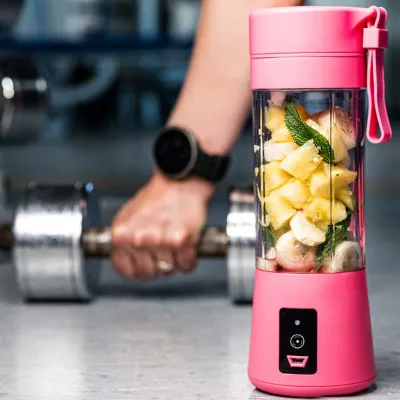
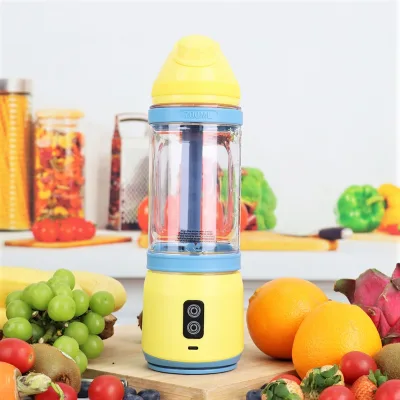
New Product Wireless Charging Electric Rechargeable Portable Mini Fruit Juicer
$11.90 - $13.90
MOQ: 100 Pieces


Juicer Mini USB Battery Rechargeable Electric Fresh Juice Mini Fast Portable
$4.20 - $4.50
MOQ: 1000 Pieces




Comprehensive Sourcing Guide
USB Charging Portable Fruit Juicer Sourcing Guide
Sourcing USB charging portable fruit juicers requires a nuanced understanding of the intersection between consumer electronics and small kitchen appliances. These devices are designed for on-the-go convenience, allowing users to blend fruits and vegetables without the constraint of a wall outlet. The core appeal lies in their rechargeable nature, typically powered via USB cables, which aligns with modern mobile lifestyles. Buyers must recognize that while the form factor is compact, the internal mechanics involve high-speed motors and battery management systems that differ significantly from traditional countertop blenders. This guide provides a structured approach to evaluating suppliers, verifying technical specifications, and ensuring compliance with safety standards for this specific product category.
The market for these devices is characterized by a wide variance in quality, battery capacity, and motor performance. Procurement teams often encounter listings with similar visual designs but vastly different internal components. It is critical to distinguish between basic single-gear models and more advanced multi-speed or high-RPM variants. The sourcing process must account for the fact that "portable" does not always mean "high-performance." Buyers need to establish clear criteria for juice extraction efficiency, battery longevity, and ease of cleaning before engaging with suppliers. This guide outlines the essential verification steps to mitigate risk and ensure the final product meets the intended use case for end consumers.
Product Scope and Observed Listing Signals
The observed product landscape for USB charging portable fruit juicers reveals a diverse range of specifications that buyers must carefully navigate. Listings indicate a price range from $0.01 to $17.09 USD, which suggests a broad spectrum of quality tiers, from basic promotional items to more robust consumer-grade devices. The minimum order quantity (MOQ) varies significantly, ranging from single units to tens of millions, indicating that suppliers cater to both small boutique brands and large-scale distributors. This variance in commercial terms requires buyers to align their order volume with the supplier’s production capabilities and pricing structure. Understanding these signals helps in identifying suppliers who are best suited for specific business models, whether it is private labeling or bulk distribution.
Material composition and design features are key differentiators in this category. Observed data highlights the use of stainless steel blades for durability and efficiency, paired with plastic or glass housings for weight and aesthetic considerations. Some models feature rechargeable batteries with capacities ranging from 1000mAh to 2200mAh, directly impacting the device’s runtime and blending power. The presence of features such as non-drip spouts, dishwasher-safe components, and USB charging modes adds value for end-users. Buyers should verify these attributes against their product requirements, as not all listed products may satisfy every claim. For instance, while some models are described as single-gear juicers, others may offer higher RPM ratings, affecting the texture and consistency of the resulting juice.
Technical Specifications to Verify
Motor performance and battery capacity are the most critical technical specifications to verify when sourcing portable juicers. The observed data includes models with RPM ratings as high as 28,000, which suggests powerful blending capabilities, while others operate at lower speeds around 3,500 RPM. Buyers must clarify the actual power output, with observed wattages ranging from 30W to 65W, and ensure that the voltage requirements, typically 5V for USB charging, match the intended market’s power standards. It is essential to confirm whether the device operates on USB power alone, battery power, or both, as this affects versatility and charging convenience. Misalignment in these specifications can lead to customer dissatisfaction and increased return rates.
Physical dimensions and weight are also vital considerations for portability and packaging efficiency. Observed models vary in size, with some measuring approximately 19.47.87.8 cm and others up to 130120287 mm. The weight of the device, such as the 385g observed in one model, impacts user comfort during handheld operation. Buyers should request detailed dimensional data and weight specifications for each SKU to optimize shipping costs and storage requirements. Additionally, the battery capacity, ranging from 1000mAh to 2200mAh, should be correlated with the motor’s power consumption to estimate realistic usage time per charge. Verifying these technical details ensures that the product meets the functional expectations of the target audience.
Compliance and Safety Documentation
Certification requirements are paramount for importing and selling electronic kitchen appliances in various markets. The observed data indicates that some suppliers provide CE and RoHS certifications, which are essential for compliance in the European Union and other regions. Buyers must verify the validity of these certifications by requesting the actual certificates and checking them against the issuing bodies. It is crucial to ensure that the certifications cover the specific models being ordered, as compliance can vary between different product variants. Failure to obtain proper documentation can result in customs delays, product seizures, or legal liabilities in the destination market.
Safety standards for battery-powered devices are equally important to address. Given that these juicers contain lithium-ion or similar rechargeable batteries, compliance with international safety standards for battery transport and usage is necessary. Buyers should inquire about the battery’s safety features, such as overcharge protection and short-circuit prevention. Additionally, the materials used in the housing and blades should be food-grade and free from harmful substances like BPA. Requesting material safety data sheets (MSDS) and test reports from accredited laboratories can provide assurance that the product meets health and safety regulations. This due diligence protects the brand from potential recalls and enhances consumer trust.
Cost Drivers and Commercial Terms
Several factors influence the cost structure of USB charging portable fruit juicers, including material quality, battery capacity, and customization options. Stainless steel blades and glass housings typically command higher prices than plastic alternatives due to durability and perceived value. Models with higher battery capacities and more powerful motors also incur higher production costs. Buyers should analyze the cost breakdown to understand where value is added and where cost-saving measures can be implemented without compromising quality. Customization services, such as logo printing or color variations, may add to the unit price but can enhance brand visibility and market appeal.
Commercial terms, including MOQ and lead times, play a significant role in the procurement strategy. The observed MOQ range of 1 to 100,000,000 units suggests flexibility, but buyers must negotiate terms that align with their inventory management and cash flow needs. Lead times can vary based on order volume and customization requirements, so it is essential to establish clear timelines with suppliers. Payment terms, such as deposits and balance payments, should be structured to mitigate financial risk. Buyers should also consider the total landed cost, including shipping, duties, and taxes, to accurately assess profitability. Transparent communication regarding these terms helps in building a sustainable supply chain partnership.
Supplier Qualification and Quality Control
Evaluating supplier qualifications is a critical step in ensuring product reliability and consistency. Buyers should verify the supplier’s manufacturing capabilities, including their production capacity, quality control processes, and experience in the small appliance industry. Requesting factory audits or third-party inspection reports can provide insights into the supplier’s operational standards. It is also important to assess their after-sales support, including warranty policies and technical assistance. Suppliers with a proven track record of delivering high-quality products and meeting deadlines are preferable for long-term partnerships.
Quality control measures should be implemented throughout the production process to minimize defects. Buyers should define clear quality standards and inspection criteria, such as blade sharpness, battery performance, and housing integrity. Pre-production samples should be thoroughly tested to ensure they meet the specified requirements. During mass production, random sampling and functional testing can help identify potential issues early. Post-production inspections should verify that the products are correctly packed and labeled according to the agreed specifications. Establishing a robust quality control framework reduces the risk of receiving substandard products and enhances customer satisfaction.
Long-Term Procurement Checks
Continuous monitoring of supplier performance is essential for maintaining product quality and supply chain stability. Buyers should regularly review key performance indicators (KPIs) such as on-time delivery rates, defect rates, and responsiveness to issues. Feedback from end-users can provide valuable insights into product performance and areas for improvement. Regular communication with suppliers can help address any emerging challenges and foster a collaborative relationship. It is also important to stay updated on market trends and regulatory changes that may impact the product category.
Strategic planning for product lifecycle management is crucial for long-term success. Buyers should consider the potential for product upgrades, such as improved battery technology or enhanced motor efficiency, to keep the offering competitive. Diversifying the supplier base can mitigate risks associated with single-source dependencies. Additionally, exploring new markets and distribution channels can expand the product’s reach and revenue potential. By maintaining a proactive approach to procurement and product development, buyers can ensure sustained growth and profitability in the portable juicer market.
FAQs
What certifications do these juicers have?
The products hold CE and RoHS certifications. These standards ensure the devices meet specific safety and environmental requirements for international markets, providing assurance of compliance for bulk buyers.
Can I customize the logo on the device?
Yes, customized logo services are available for these units. Buyers can request specific branding to be applied to the product, allowing for unique marketing materials tailored to their business needs.
What is the battery capacity range for these models?
Battery capacities vary between 1000mAh and 2200mAh across different models. This range allows buyers to select units based on their specific power requirements and desired runtime for portable usage scenarios.
Which charging modes are supported by the juicers?
The devices support USB charging and battery power sources. Some models also offer combined charging modes, ensuring flexibility for users who need to operate the juicer in various environments without fixed power outlets.
What is the warranty period for these products?
A one-year warranty is provided for these juicers. This coverage protects buyers against manufacturing defects, ensuring reliability and support for the duration of the warranty period specified in the product terms.
How is the product packed for shipping?
Products are packed in boxes or color boxes depending on the model. This packaging ensures safe transport and presents the items attractively for retail distribution or direct shipment to end customers.
What materials are used for the housing and blades?
Housing materials include plastic and glass, while blades are made of stainless steel. These materials provide durability and safety, ensuring the juicer can handle various fruits while maintaining structural integrity during operation.