Source USB Powered Bamboo Toothbrush Head for Home, Hotel, Travel
Compare 30 listings for the USB Powered Bamboo Toothbrush Head from verified Chinese manufacturers. Buyers can evaluate specifications like bristle diameter, handle material, and customization options to find the right supplier for home, hotel, or travel needs.
Key considerations
Products List
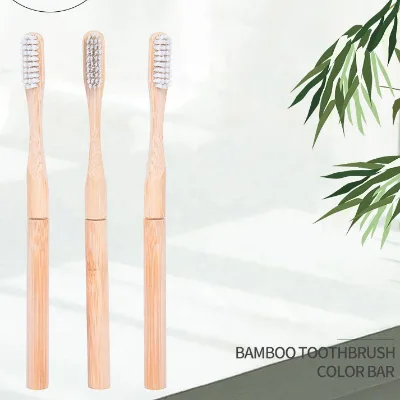


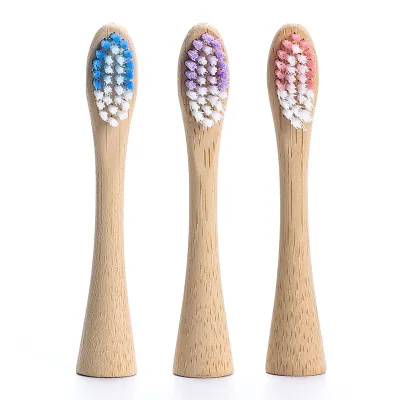
FDA BSCI Replaceable Electric Bamboo Toothbrush Head with Label Service
$0.29 - $0.49
MOQ: 2000 Pieces







Comprehensive Sourcing Guide
USB Powered Bamboo Toothbrush Head Sourcing Guide
The term "USB Powered Bamboo Toothbrush Head" presents a significant technical contradiction that requires immediate clarification during the sourcing process. Bamboo toothbrush heads are passive oral hygiene components designed for manual use, relying on human muscle power to generate the friction necessary for plaque removal. They do not contain electronic components, batteries, or motors, making the concept of a "USB powered" head physically impossible in the context of standard dental care products. Buyers encountering this keyword likely face a mismatch between search intent and actual product availability, or they may be confusing manual bamboo handles with electric toothbrush replacement heads that feature bamboo-accented designs or packaging.
To navigate this confusion effectively, procurement teams must first define whether the requirement is for a sustainable manual replacement head or an electric brush component. If the goal is to source eco-friendly manual replacements, the focus should shift to material sustainability, bristle softness, and handle ergonomics. If the goal involves electric systems, the buyer must verify compatibility with specific electric toothbrush bases, as "USB powered" typically refers to the charging method of the handle, not the head itself. Clarifying this distinction is the critical first step in preventing procurement errors and ensuring that the sourced products align with the end-user’s actual needs.
Product Scope and Observed Listing Signals
Market listings for bamboo toothbrushes frequently highlight natural materials and eco-friendly attributes, with observed product counts indicating a robust supply of manual options. The typical product profile includes a handle made from bamboo or wood, paired with nylon bristles that are often charcoal-infused for antibacterial properties. Observed specifications reveal standard dimensions such as a length of approximately 19 cm and a bristle diameter of 0.18 mm, which are industry norms for adult oral care. These physical characteristics confirm that the vast majority of available products are manual devices, reinforcing the need to filter out irrelevant electronic terminology when evaluating supplier catalogs.
Price and minimum order quantity (MOQ) signals further delineate the market landscape, with observed price ranges spanning from $0.06 to $30 per unit and MOQs varying widely from 5 to 30,000 pieces. This variance suggests a market segmented by customization levels, packaging quality, and order volume. Lower MOQs often correspond to standard, off-the-shelf items in simple packaging like OPP bags, while higher volumes may unlock custom branding, such as kraft boxes or PET boxes, and potentially lower unit costs. Buyers should interpret these signals as indicators of scalability, recognizing that significant customization or premium packaging will likely impact both the lead time and the final landed cost.
Technical Specifications to Verify
When evaluating bamboo toothbrush heads, the primary technical focus must be on material integrity and bristle performance. The handle material is typically listed as original bamboo or wooden, requiring verification of the drying and treatment processes to prevent mold growth or splintering. Buyers should request samples to assess the smoothness of the bamboo finish and the stability of the bristle tufts, ensuring they are securely embedded and resistant to shedding. The bristle type is commonly specified as soft, which is essential for gum health, and the bristle material is usually nylon, often with charcoal additives for enhanced cleaning capabilities.
Dimensional accuracy and ergonomic design are also critical verification points. Standard lengths observed in the market are around 19 cm, with some variations such as 18.3 cm or specific model styles like the "I style" or "R model." Buyers must confirm that the head size is appropriate for the user’s mouth size, particularly for adult users, and that the brush shape, such as a house-shaped design, provides adequate coverage for all tooth surfaces. Additionally, the weight of the product, often noted around 12 to 18 grams, contributes to the perceived quality and balance of the toothbrush, so verifying these physical attributes through sample testing is advisable.
Compliance and Safety Documentation
Regulatory compliance is a non-negotiable aspect of sourcing oral care products, with certifications serving as proof of adherence to safety and quality standards. Common certifications observed in the market include ROHS, CE, ISO, FDA, BRC, and BSCI, each addressing different aspects of manufacturing and environmental impact. ROHS compliance ensures that the materials used are free from hazardous substances, while CE marking indicates conformity with health, safety, and environmental protection standards for products sold within the European Economic Area. Buyers must request valid certificates from accredited bodies and verify their authenticity, as these documents are essential for customs clearance and market entry in regulated regions.
Beyond certifications, documentation regarding material safety and ethical sourcing is crucial for brand reputation and consumer trust. Although FSC certification is mentioned in background contexts, buyers should explicitly inquire about the sustainability of the bamboo supply chain, including whether the wood is sourced from managed forests. Additionally, compliance with food-contact or personal-care material standards is implied by the FDA and BRC certifications, ensuring that the nylon bristles and bamboo handles do not leach harmful chemicals. Procurement teams should maintain a file of these documents for each supplier to facilitate audits and ensure ongoing compliance.
Cost Drivers and Commercial Terms
The final cost of bamboo toothbrush heads is influenced by several key factors, including material selection, customization, and packaging complexity. The use of natural bamboo versus treated wood, as well as the inclusion of charcoal-infused bristles, can affect raw material costs. Customization options, such as private labeling, custom packaging in kraft boxes or PET boxes, and specific bristle configurations, often incur additional setup fees and higher per-unit prices. Buyers should negotiate clearly on whether these customization costs are one-time setup fees or recurring charges, and how they scale with order volume.
Commercial terms, including payment methods, lead times, and shipping arrangements, also play a significant role in the total cost of ownership. While specific lead times are not provided in the observed data, buyers should establish clear expectations for production and delivery, especially for large orders with high MOQs. Payment terms may vary based on the supplier’s risk assessment and the buyer’s order history, so it is important to align these terms with cash flow requirements. Additionally, buyers should consider the logistics of shipping from origins such as Jiangsu or Yangzhou in China, factoring in freight costs and potential tariffs into the overall budget.
Supplier Qualification and Quality Control
Selecting a reliable supplier requires a thorough evaluation of their manufacturing capabilities and quality control processes. Buyers should verify the supplier’s production capacity, ensuring they can meet the required MOQs and delivery schedules without compromising quality. Requesting a factory audit or third-party inspection report can provide insights into the working conditions, machinery, and quality assurance protocols in place. Suppliers that accept customization and offer various packing options, such as poly bags, blister cards, or paper boxes, demonstrate flexibility and a customer-centric approach, which are valuable traits for long-term partnerships.
Quality control measures should be explicitly defined in the purchase agreement, including acceptance criteria for defects, bristle shedding, and material consistency. Buyers should implement a sampling plan for incoming goods, checking for visual defects, dimensional accuracy, and packaging integrity. Establishing a clear process for handling non-conforming products, including returns or replacements, is essential to mitigate risk. Regular communication with the supplier regarding quality feedback and continuous improvement initiatives can help maintain high standards and ensure that the products meet the brand’s expectations.
Long-Term Procurement Checks
Sustainable sourcing practices are increasingly important for brands aiming to reduce their environmental footprint and appeal to eco-conscious consumers. Buyers should regularly review their suppliers’ sustainability claims, including the sourcing of bamboo and the biodegradability of packaging materials. Engaging with suppliers who prioritize renewable resources and ethical labor practices can enhance brand reputation and align with corporate social responsibility goals. Additionally, staying informed about changes in environmental regulations and consumer preferences can help buyers adapt their sourcing strategies to remain competitive.
Continuous market monitoring is also vital for identifying new trends, technologies, and potential risks in the bamboo toothbrush market. Buyers should track price fluctuations, material availability, and regulatory changes that could impact sourcing decisions. Building a diverse supplier base can mitigate risks associated with single-source dependencies, such as supply chain disruptions or quality issues. By maintaining a proactive approach to supplier management and market analysis, buyers can ensure a stable and efficient procurement process that supports long-term business growth.
FAQs
What certifications do the bamboo toothbrush heads have?
The products hold ROHS and CE certifications as standard. Additional certificates like ISO, FDA, BRC, and BSCI are also available depending on the specific model and supplier requirements.
Can I customize the packaging for these toothbrush heads?
Yes, customized packaging is available for these items. Options include OPP bags, kraft boxes, poly bags, blister cards, and paper boxes to meet your specific branding needs.
What is the bristle diameter for the soft bristle models?
The bristle diameter is specified as 0.18mm for the soft bristle variants. This dimension ensures a gentle cleaning experience suitable for daily home use and travel.
Which materials are used for the handle and bristles?
The handle is made from original bamboo or wood, while the bristles are constructed from nylon or bamboo charcoal. These materials provide an eco-friendly and durable structure for the brush.
What is the minimum order quantity for these bamboo toothbrush heads?
The minimum order quantity ranges from 5 to 30,000 units depending on the supplier and customization level. Buyers should verify specific MOQs with manufacturers before placing an order.
Where are these bamboo toothbrush heads manufactured?
These products originate from Jiangsu and Yangzhou in China. The manufacturing locations ensure compliance with international standards while maintaining competitive pricing for bulk orders.
Are these toothbrush heads foldable or non-foldable?
Most models are non-foldable, though some specific styles may offer foldable features. The standard design includes a fixed length of approximately 19cm for effective cleaning.