Source USDA Certified Organic Avocado Oil for Skincare, Cooking, and Hair Care
Find 30 listings for USDA Certified Organic Avocado Oil from verified suppliers. Compare specifications, certifications, and prices for uses in skincare, edible applications, and cosmetic formulations.
Key considerations
Products List
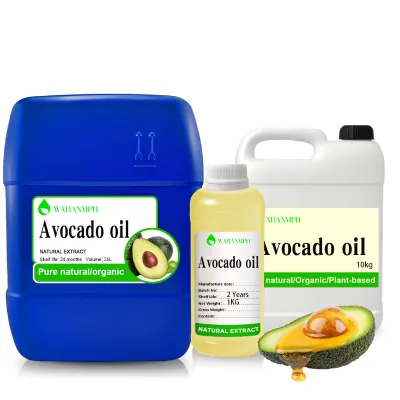
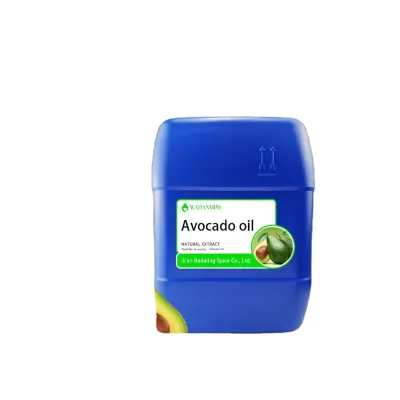
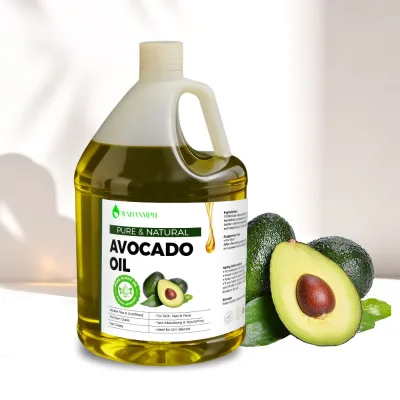
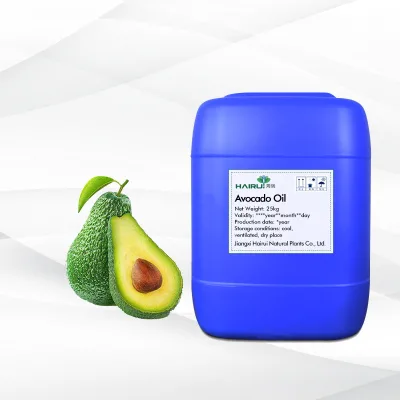
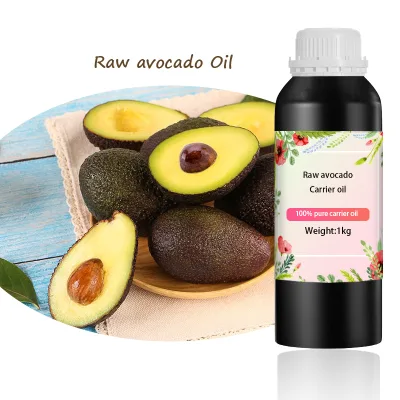
Bulk Price Avocado Seed Oil Natural Avocado Oil Plant Avocado Liquid Extract
$19.80 - $25.01
MOQ: 2 kilograms
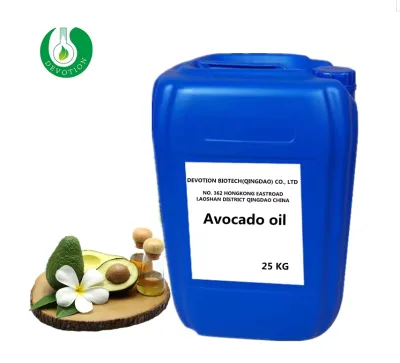
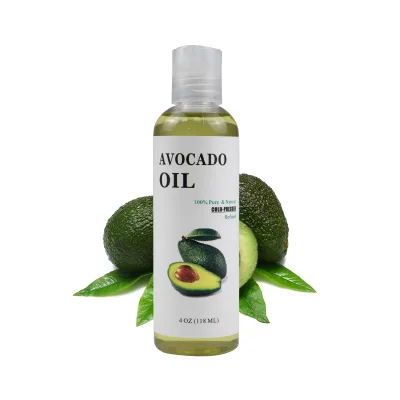
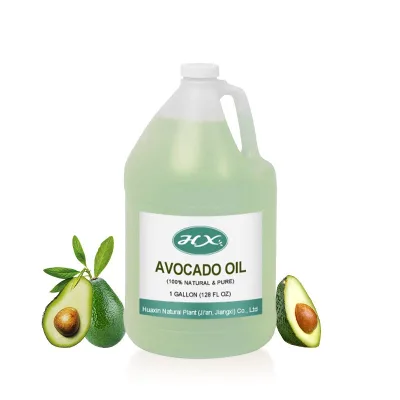
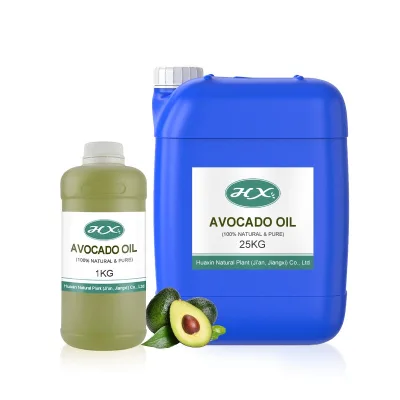
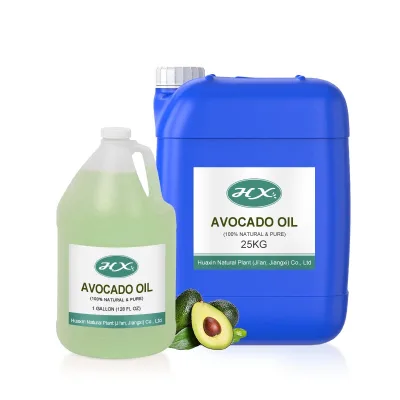
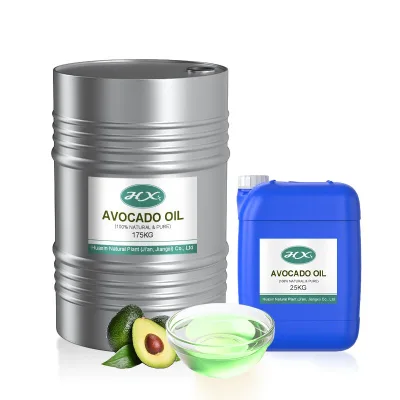
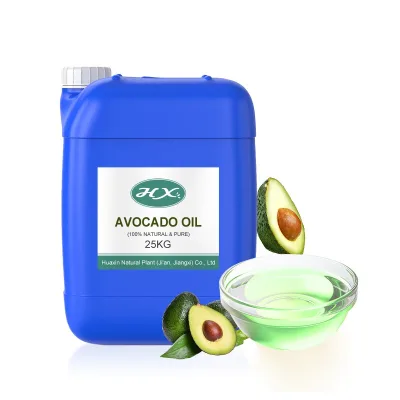
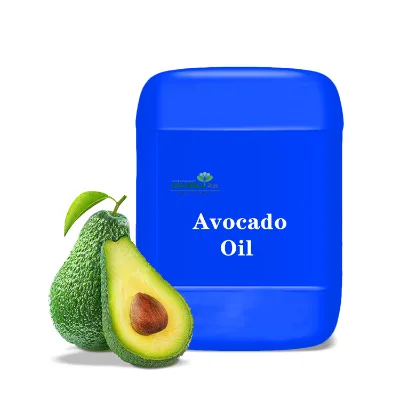
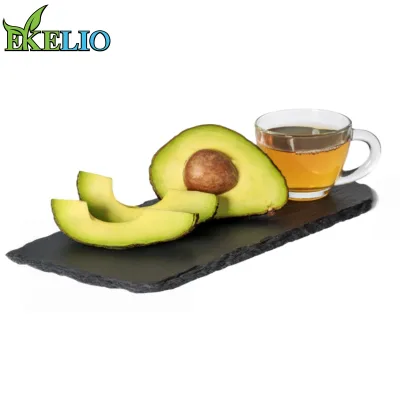
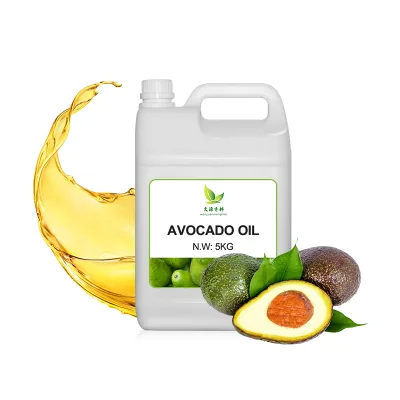
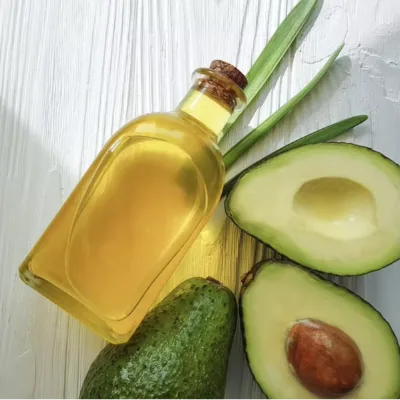
China Export Bulk Ton Price Organic Avocado Oil for Massage Grade Avocado Oils
$5.00 - $6.00
MOQ: 25 kilograms



Comprehensive Sourcing Guide
Strategic Sourcing Guide for USDA Certified Organic Avocado Oil
Procuring high-quality avocado oil for B2B applications requires a rigorous approach that balances technical specifications, regulatory compliance, and supply chain reliability. The market for this commodity is vast, ranging from cosmetic-grade extracts to edible oils, each demanding distinct verification protocols. Buyers must navigate a landscape where product attributes vary significantly between suppliers, often leading to confusion regarding certification status and purity levels. This guide outlines the essential steps for sourcing avocado oil that meets the stringent requirements of USDA organic certification, ensuring that the final product aligns with your operational and quality standards.
Understanding Technical Specifications and Product Variability
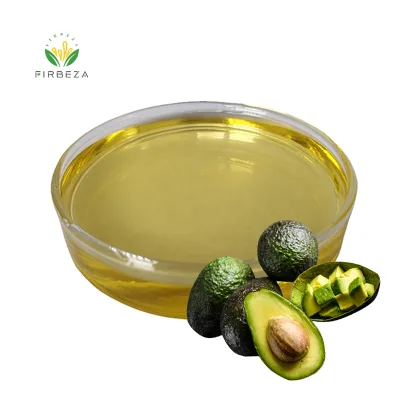
The first step in any sourcing strategy is to define the precise technical specifications required for your application. Avocado oil is not a monolithic product; it exists in various forms depending on the extraction method and intended use. In the current market, you will encounter products described as "Cold Pressed" or "Pure Essential Oil," though the latter terminology can be misleading for edible applications. The physical appearance of the oil is a critical indicator of quality. High-quality avocado oil typically presents as a light yellow oily liquid or an emerald green liquid, depending on the processing and the presence of chlorophyll. Some suppliers list the color simply as "yellow," while others specify "light yellow or green."
The raw material source is equally critical. While some listings indicate the raw material as "Dried Leaves," authentic culinary and cosmetic avocado oil is derived from the fruit, specifically the "Berries" or pulp of the avocado. A discrepancy in raw material sourcing, such as listing dried leaves for a product marketed as fruit oil, should trigger an immediate request for clarification. The form of the product is generally a liquid oil, and the odor profile should be fresh and characteristic of the fruit, often described as "fresh, fruity." Buyers must verify the Assay or purity claims, which in verified listings can range from 99.5% to 100.0%. Additionally, the shelf life is a vital logistical parameter, with observed ranges extending from 2 to 3 years depending on packaging and storage conditions.
Navigating Certification and Regulatory Compliance
The core keyword for this procurement effort is "USDA certified organic." This designation is not merely a marketing term but a regulatory requirement that dictates the entire supply chain, from farming practices to processing methods. In the B2B context, buyers must demand documentation that proves organic status. While some product listings in the general market may display certifications such as COA (Certificate of Analysis), MSDS (Material Safety Data Sheet), ISO9001, or GMPC (Good Manufacturing Practice for Cosmetics), these do not automatically equate to USDA organic certification.
A supplier may possess a COA confirming the chemical composition or an MSDS for safety handling, but the absence of a specific USDA Organic seal or equivalent certification in the documentation is a red flag. When evaluating a supplier, you must explicitly ask for the USDA Organic certificate number and verify its validity through the USDA National Organic Program database. Do not rely on general claims of "100% Pure Nature" or "Food Grade" as substitutes for organic certification. The distinction is legally significant, especially if the oil is intended for export to markets with strict organic labeling laws. Furthermore, if the product is intended for cosmetic use, GMPC certification is relevant, but it does not replace the need for organic verification if that is the primary selling point.
Cost Drivers and Pricing Structures
The price of avocado oil is influenced by a complex matrix of factors, including the certification status, extraction method, and packaging. In the observed market, prices can vary dramatically, ranging from approximately $0.86 to $3600 per unit, though this wide range often reflects differences in packaging sizes, purity levels, and order volumes rather than the intrinsic value of the oil itself. The Minimum Order Quantity (MOQ) is another significant cost driver. While some suppliers offer an MOQ of 1KG, others may require orders of up to 600KG.
Smaller MOQs are advantageous for testing and small-batch production but often come with a higher unit cost. Conversely, larger orders typically benefit from economies of scale but require significant capital outlay and storage capacity. The packaging method also impacts the final cost. Products packaged in plastic drums or plastic containers may have different cost structures compared to those in specialized bulk containers. The single gross weight of the package, which can range from 1.5 kg to 5.0 kg, directly affects shipping logistics and freight costs. Buyers should calculate the total landed cost, including freight, insurance, and duties, rather than focusing solely on the unit price. It is essential to request a detailed quotation that breaks down the cost per kilogram, including any fees for organic certification verification or sample provision.
Typical Applications and Usage Scenarios
Avocado oil is a versatile ingredient with applications spanning multiple industries. The primary sectors include cosmetics, food and beverage, and flavoring. In the cosmetic industry, the oil is valued for its skin care, hair care, and body care properties. It acts as a skin revitalizer, moisturizer, and nourishing agent suitable for all skin types. The "Fresh" or "Characteristic Odor" of the oil makes it a desirable base for lotions, serums, and conditioners. For these applications, the oil must be free from contaminants and meet specific purity standards.
In the food sector, the oil is used for edible purposes, including in bakery applications where it serves as a daily flavor or ingredient. The "Food Grade" designation is crucial here, ensuring the oil is safe for human consumption. The extraction method, particularly "Cold Pressed," is often preferred in the food industry to retain the natural nutrients and flavor profile. However, buyers must be cautious of listings that claim the oil is for "Daily Flavor" while simultaneously listing the raw material as "Dried Leaves," as this inconsistency suggests a potential mismatch between the product description and the actual ingredient source. Understanding the specific application is vital for selecting the correct grade and certification level of the oil.
Supplier Evaluation and Verification Protocols
Evaluating a supplier for USDA Certified Organic Avocado Oil requires a multi-faceted approach. The first step is to verify the supplier's location and origin. Many suppliers are based in regions like Jiangxi, China, which is a known hub for various botanical extracts. However, the origin of the raw material is distinct from the manufacturing location. Buyers must confirm where the avocados were grown to ensure they meet organic farming standards. The "Place of Origin" listed on a product page refers to the manufacturing facility, not necessarily the farm.
When assessing a supplier, request a comprehensive product data sheet that includes the CAS number (8024-32-6 for avocado oil), model number, and specific batch testing results. The presence of a CAS number is a good indicator of a standardized product, but it does not guarantee organic status. Check for the "Sample" availability; reputable suppliers often provide free samples or available samples for testing before committing to a large order. This allows you to verify the physical attributes, such as color, odor, and viscosity, against your specifications. Additionally, verify the supplier's ability to handle OEM/ODM requests if you require custom branding or specific packaging configurations.
Quality Control and Testing Standards
Quality control is the backbone of a successful procurement strategy. Every batch of avocado oil must undergo rigorous testing to ensure it meets the agreed-upon specifications. The Certificate of Analysis (COA) is the primary document for this purpose. It should detail the chemical composition, including the Assay percentage, which should ideally fall within the 99.5% to 100.0% range for high-purity oils. The COA must also confirm the absence of heavy metals, pesticides, and other contaminants, which is particularly critical for organic products.
In addition to the COA, the Material Safety Data Sheet (MSDS) provides essential information on the safe handling, storage, and transportation of the oil. For cosmetic applications, the GMPC certification ensures that the manufacturing process adheres to hygiene and quality standards. Buyers should also verify the shelf life, which can range from 2 to 3 years, and ensure that the packaging, such as plastic drums, is suitable for maintaining the oil's integrity over this period. Regular third-party testing is recommended to validate the supplier's claims and ensure consistency across batches.
Long-Term Procurement Considerations
Sourcing avocado oil is not a one-time transaction but a long-term partnership that requires ongoing management. Lead times and supply continuity are critical factors. While some suppliers may offer quick turnaround times, the complexity of organic certification and the agricultural nature of the raw material can introduce delays. Buyers should establish a clear communication channel with the supplier to monitor production schedules and potential disruptions.
The scalability of the supply chain is another consideration. As your business grows, you may need to increase order volumes, which could impact the MOQ and pricing structure. It is advisable to negotiate flexible terms that allow for volume adjustments without compromising the quality or certification status of the oil. Finally, maintain a robust record-keeping system for all certifications, test results, and shipping documents. This documentation is essential for audits, regulatory compliance, and maintaining the integrity of your organic claims in the marketplace. By adhering to these guidelines, buyers can secure a reliable supply of high-quality, USDA Certified Organic Avocado Oil that meets their specific needs.
FAQs
What certifications verify USDA organic status for avocado oil?
USDA organic status requires specific organic certification documents, not just COA, MSDS, or ISO9001. Buyers must request the USDA Organic certificate number and verify it through the USDA National Organic Program database to ensure compliance.
Which raw material source confirms authentic avocado oil quality?
Authentic avocado oil is derived from the fruit berries or pulp, not dried leaves. Listings claiming dried leaves as the raw material for fruit oil should trigger immediate clarification requests to avoid mislabeled products.
How does extraction method affect the oil's physical appearance?
Cold pressed extraction typically yields a light yellow or emerald green liquid oil depending on chlorophyll content. The appearance serves as a quality indicator, with some suppliers listing simply yellow while others specify green hues.
Can suppliers provide samples for testing before bulk orders?
Yes, reputable suppliers often provide free or available samples for physical verification. Testing allows buyers to confirm color, odor, and viscosity against specifications before committing to larger order volumes or custom packaging.
What is the typical shelf life for packaged avocado oil?
Shelf life ranges from two to three years depending on packaging and storage conditions. Plastic drums or plastic containers are common, and buyers should verify the specific duration listed on the product data sheet.
Which purity levels are standard for high-grade avocado oil?
High-purity avocado oil typically shows assay results between 99.5% and 100.0%. Buyers must verify these purity claims through a Certificate of Analysis to ensure the product meets chemical composition standards.