Find used all-wheel-drive suv for delivery, transport, and off-road
Source 30 verified listings of used all-wheel-drive suv options including electric, hybrid, and gasoline models. Buyers can compare specifications, power output, and pricing to select the right vehicle for commercial or personal needs.
Key considerations
Products List


All-Scenario Luxury SUV Combine Daily Use and Long Family Road Trips
$18300.00 - $18600.00
MOQ: 1 Pieces

Reinforced High Strength Body Gasoline SUV Improve All Scenario Driving Safety
$18300.00 - $18600.00
MOQ: 1 Pieces

Powerful Acceleration SUV Adapt Urban Commute and Long-Distance Self-Drive
$18300.00 - $18600.00
MOQ: 1 Pieces

Balanced Fuel Economy Gasoline SUV Suit Daily Trips and Intercity Journeys
$82000.00 - $88000.00
MOQ: 1 Pieces

Balanced Fuel Consumption Gasoline SUV Lower Daily Long-Term Operating Costs
$18300.00 - $18600.00
MOQ: 1 Pieces

Balanced Fuel Consumption Gasoline SUV Suit Urban Commute and Highway Travel
$18300.00 - $18600.00
MOQ: 1 Pieces


Space Maximizing SUV: Compact Design with Fuel Efficient Performance
$15000.00 - $18000.00
MOQ: 1 Unit

Efficient Compact SUV: Exceptional Fuel Efficiency and Spacious Interior
$15000.00 - $18000.00
MOQ: 1 Unit


8-Speed Integrated Manual and Automatic Gear Box Second Hand Gasoline SUV Car
$9999.00 - $13000.00
MOQ: 1 Pieces


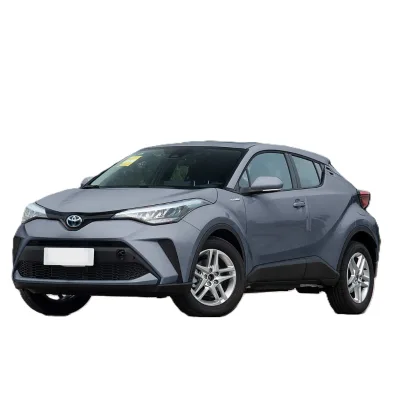
Compact SUV - Stylish Design, Advanced Safety Features Good Performance
$22300.00 - $23300.00
MOQ: 1 units
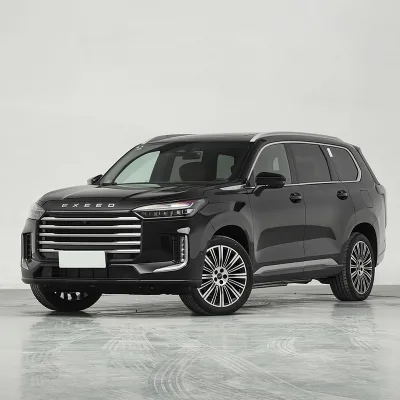
Comprehensive Sourcing Guide
Strategic Sourcing Guide for Used All-Wheel-Drive SUVs
The procurement of used all-wheel-drive (AWD) SUVs represents a complex intersection of performance requirements, regulatory compliance, and cost-efficiency. For B2B buyers, the decision to source these vehicles often hinges on specific operational needs, such as fleet deployment in variable terrain or specialized logistics. The market presents a diverse array of options, ranging from traditional internal combustion engines to advanced electric and hybrid powertrains. Understanding the nuances of these powertrains, the associated certification landscapes, and the physical specifications is critical before initiating any supplier engagement. This guide outlines the essential factors for evaluating potential inventory, ensuring that the selected vehicles meet rigorous operational and legal standards without relying on unverified claims.
Technical Architecture and Powertrain Diversity
The technical foundation of an AWD SUV dictates its suitability for specific applications. In the current market, buyers encounter a spectrum of energy types, from conventional gasoline to fully electric and range-extended electric vehicles. The drive system is the primary differentiator; while front-wheel drive (FWD) is common in compact segments, AWD systems are essential for traction in adverse conditions. When evaluating used inventory, it is vital to verify the specific drive configuration. Some listings may indicate "Front-Wheel Drive" or "FWD" as a primary attribute, which contradicts the core keyword of AWD. Buyers must scrutinize the drivetrain description to ensure the vehicle possesses a genuine all-wheel-drive capability, often denoted as 4WD or intelligent AWD systems in hybrid configurations.
Furthermore, the energy type significantly impacts the vehicle's lifecycle and maintenance profile. Electric vehicles (BEV) and range-extended electric vehicles (REEV) offer distinct advantages in emissions compliance but require specific charging infrastructure. Hybrid models, including plug-in hybrids (PHEV), provide a bridge between traditional refueling and electric efficiency. The battery technology, such as trihydride lithium variants, influences range and longevity. For used units, the state of the battery is a critical technical metric. Additionally, the motor configuration, such as permanent magnet synchronization in the rear drive, affects torque delivery and efficiency. Buyers should request detailed powertrain logs to confirm the integrity of the AWD system, as used vehicles may have suffered wear in the transfer case or differential components that are not immediately visible.
Regulatory Compliance and Certification Verification
Navigating the regulatory landscape is a non-negotiable aspect of B2B procurement. Vehicles intended for international or domestic commercial use must adhere to specific safety and environmental standards. The certification landscape is diverse, with common marks including CE, EEC, DOT, CCC, and EPA. These certifications indicate compliance with regional safety, emissions, and construction standards. For instance, DOT certification is mandatory for vehicles operating in the United States, while EEC and CE are relevant for European markets. CCC is specific to the Chinese market, and EPA compliance is essential for emissions control in the US.
When sourcing used vehicles, the validity of these certifications must be verified against the vehicle identification number (VIN). A vehicle listed with a "New" condition status might still carry valid certifications from its original manufacturing run, but the transfer of these rights to a new owner can be subject to local regulations. Buyers must ensure that the vehicle's original certification documents are intact and transferable. Furthermore, emissions standards vary by region; some vehicles may be classified as "Ultra-Low Emissions" or "Zero Tailpipe Emissions" depending on their powertrain type. For hybrid and electric models, the emissions profile is a key compliance factor, whereas gasoline models must meet specific particulate and nitrogen oxide limits. Failure to verify these certifications can result in the vehicle being ineligible for registration or commercial operation in the target market.
Cost Drivers and Pricing Dynamics
The pricing of used AWD SUVs is influenced by a multitude of factors, including the vehicle's age, mileage, powertrain type, and market demand. The observed price range in the current market spans from approximately $1,859 to $88,000, reflecting the vast disparity between entry-level compact SUVs and high-end luxury models. This wide range indicates that price alone is not a reliable indicator of quality or suitability. High-performance models, such as those with significant power output (e.g., 420kW or 569 HP), command premium prices due to their superior performance capabilities and advanced technology.
Several cost drivers affect the final acquisition price. The battery capacity, often measured in kilowatt-hours, is a primary determinant for electric and hybrid vehicles. A vehicle with a 40 kWh battery, for example, will have different value propositions compared to larger capacity units. Additionally, the condition of the vehicle plays a crucial role; "Brand New" or "New" used inventory typically commands higher prices but offers reduced risk of immediate maintenance costs. The origin of the vehicle also impacts cost; units originating from major manufacturing hubs like Shanghai or Tianjin may have different logistics costs compared to those sourced from other regions. Buyers should also consider the Minimum Order Quantity (MOQ), which ranges from 1 to 50 units, as bulk purchasing can influence the per-unit cost. Understanding these variables allows buyers to budget effectively and avoid unexpected expenses related to shipping, re-certification, or immediate repairs.
Operational Applications and Vehicle Specifications
The selection of a used AWD SUV should be driven by its intended application. These vehicles are versatile, serving roles in urban logistics, off-road exploration, and executive transport. The physical dimensions of the vehicle are critical for determining its fit within specific operational environments. For example, a vehicle with a body size of 4330×1800×1609 mm offers a compact footprint suitable for city driving, while larger models with dimensions like 4575x1842x1685 mm provide enhanced cargo space and passenger comfort. The wheelbase, typically around 2600 mm, influences stability and interior space.
Seating capacity is another key specification; most AWD SUVs in this category offer seating for five passengers, which is standard for mid-size and full-size models. However, luxury variants may offer expanded configurations. The body style, whether classified as an SUV or a specific model variant, dictates the vehicle's utility. For instance, a "Full-Size Luxury SUV" like the Li Auto L9 or Voyah Titan is designed for premium passenger transport, whereas a "Classic" model might be optimized for cost-effective fleet operations. The exterior color options, such as Pearl White, Star Grey, or Obsidian Black, can also influence resale value and brand perception. Buyers must align these specifications with their operational requirements to ensure the vehicle can perform its intended tasks efficiently.
Supplier Evaluation and Quality Assurance
Evaluating suppliers for used AWD SUVs requires a rigorous approach to quality assurance. The supplier's ability to provide accurate documentation, including maintenance records and certification proofs, is paramount. Buyers should verify the supplier's location and origin claims, as vehicles originating from China, specifically from hubs like Shanghai or Tianjin, may have different manufacturing standards and quality control processes. The condition of the vehicle, whether listed as "New" or "Brand New," must be corroborated through physical inspection or third-party verification.
Quality control measures should extend beyond the vehicle's exterior. Internal components, such as the braking system (mechanical or otherwise), gearbox (automatic or manual), and steering configuration (left-hand drive), must be inspected for wear and functionality. The presence of advanced features, such as triple screens, AR-HUD, or rear entertainment systems, adds value but also increases the complexity of maintenance. Buyers should request detailed test results or inspection reports to confirm the operational status of these systems. Additionally, the packaging and shipping standards, whether "Standard Shipping Packaging" or "International Standards," should be evaluated to ensure the vehicle arrives in the expected condition. A reliable supplier will provide transparent information about the vehicle's history and condition, facilitating a more secure procurement process.
Long-Term Procurement and Lifecycle Management
Long-term procurement considerations for used AWD SUVs involve planning for maintenance, parts availability, and resale value. The energy type of the vehicle significantly impacts these factors. Electric and hybrid vehicles may require specialized maintenance and parts that are not as readily available as those for gasoline models. The battery type, such as trihydride lithium, and its capacity are critical for determining the vehicle's remaining useful life. Buyers should assess the supplier's ability to support the vehicle throughout its lifecycle, including access to genuine parts and technical expertise.
The customization options available for the vehicle can also influence its long-term value. If the vehicle requires specific modifications for fleet use, the supplier's ability to facilitate these changes is a key consideration. Furthermore, the standard of the vehicle, as defined by its dimensions and build quality, affects its durability and resale potential. Buyers should consider the total cost of ownership, including fuel or energy costs, maintenance, and potential downtime. By selecting vehicles with robust specifications and reliable suppliers, buyers can mitigate risks and ensure a stable return on investment over the vehicle's operational lifespan.
Comparative Analysis of Key Vehicle Attributes
To facilitate informed decision-making, the following table summarizes key attributes observed in the market for AWD SUVs, highlighting the diversity in specifications and certifications.
| Attribute | Observation Range / Specifics | Relevance to Procurement |
|---|---|---|
| Body Type | Closed, Open, SUV | Determines cargo and passenger utility. |
| Energy Type | BEV, REEV, PHEV, Gasoline | Impacts fuel costs, emissions, and infrastructure needs. |
| Drive Type | FWD, AWD, 4WD | Critical for traction and terrain capability. |
| Certifications | CE, EEC, DOT, CCC, EPA | Mandatory for legal operation in target markets. |
| Power Output | 380kW to 475kW (High Power) | Indicates performance capability and efficiency. |
| Battery Capacity | 40 kWh (Observed) | Affects range and charging frequency for EVs/HEVs. |
| Seating | 5 Seats (Standard) | Defines passenger capacity for fleet deployment. |
| Origin | China (Shanghai, Tianjin) | Influences logistics costs and manufacturing standards. |
| Condition | New, Brand New | Affects immediate maintenance needs and warranty status. |
| Dimensions | 4330×1800×1609 mm to 4575x1842x1685 mm | Determines fit for specific operational environments. |
This comparative view underscores the necessity of aligning specific vehicle attributes with procurement goals. By carefully analyzing these factors, buyers can navigate the complexities of the used AWD SUV market and secure vehicles that meet their operational, regulatory, and financial requirements.
FAQs
What certifications are available for these used SUVs?
These vehicles commonly hold CE, EEC, DOT, CCC, and EPA certifications. Buyers must verify that these documents are valid and transferable for the specific target market before finalizing any purchase agreement.
How many seats do these SUVs typically offer?
Most models in this category provide seating for five passengers. This capacity is standard for mid-size and full-size SUVs designed for both urban logistics and executive transport applications.
Can I find vehicles with trihydride lithium batteries?
Yes, some listings specify trihydride lithium battery types. This technology influences range and longevity, so buyers should request detailed battery logs to confirm the state of charge and health for used units.
What is the observed price range for these units?
The observed price range spans from 1859 to 88000 USD. This wide disparity reflects differences between entry-level compact models and high-end luxury variants with advanced powertrains and technology features.
Which body styles are available in this inventory?
Available body styles include SUV, Closed, and Open configurations. The specific style dictates cargo and passenger utility, with full-size luxury SUVs designed for premium transport and others for cost-effective fleet operations.
What is the minimum order quantity for sourcing?
The minimum order quantity ranges from 1 to 50 units. Bulk purchasing within this range can influence the per-unit cost, allowing buyers to budget effectively for fleet deployment or specialized logistics.
Where are these vehicles primarily manufactured?
Products originate from locations such as China, Shanghai, and Tianjin. Buyers should consider logistics costs associated with these major manufacturing hubs when evaluating the total acquisition price for international shipments.