Source Used Gaming RTX 3080 GPU for Gaming, Rendering, and AI
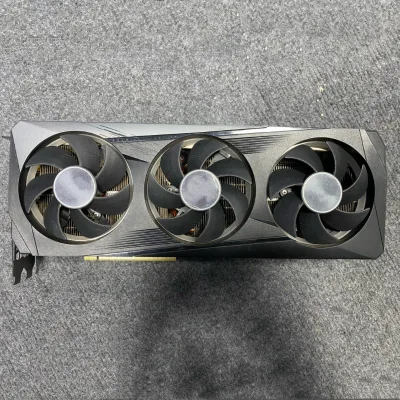
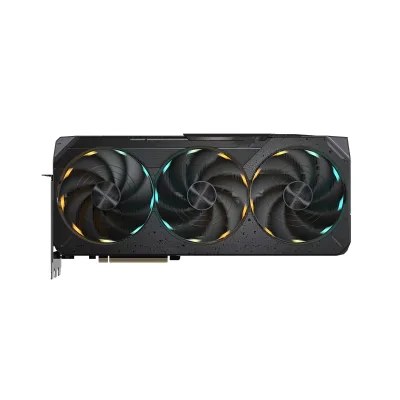
Explore 30 listings of Used Gaming RTX 3080 GPU options available for global buyers. Compare specifications like memory size, clock speeds, and power requirements to find the right card for gaming, content creation, or machine learning tasks.
Key considerations
Products List

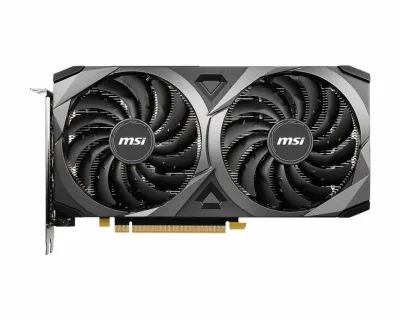
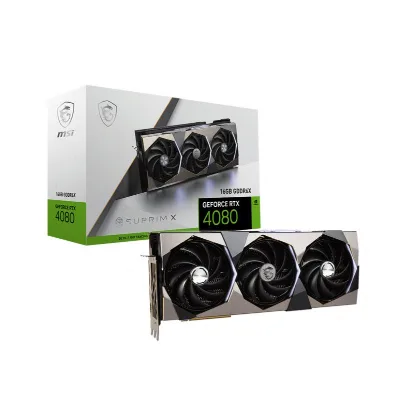
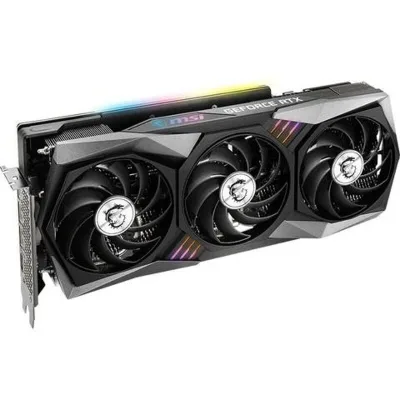
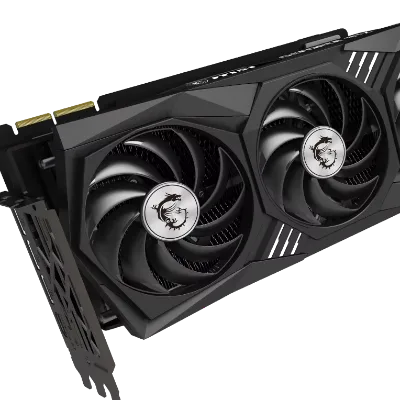
RTX 5080 16GB GDDR7 Flagship Gaming GPU | Liquid-Cooling Ready | One-Click Boost
$1568.00 - $1688.00
MOQ: 1 Minimum


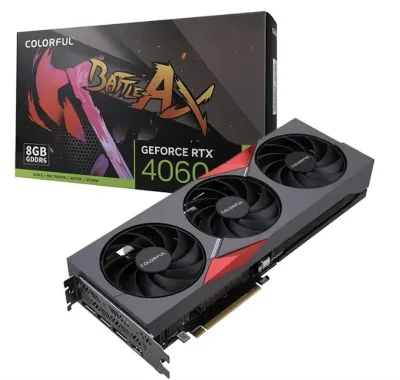


High Performance Gamer Computador Rtx 3050 Gaming Desktop Core I5 Gaming PC
$443.85 - $487.56
MOQ: 1 Pieces


Hystou All-in-One 27-Inch Core 13th Gen Rtx3050/4060 Graphics Gaming PC Computer
$592.16 - $843.65
MOQ: 1 units
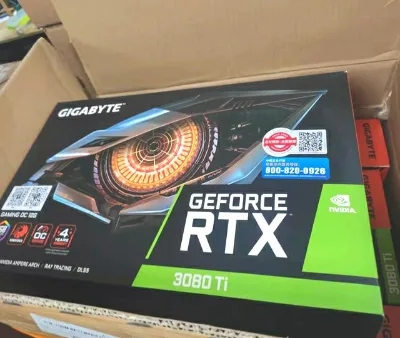
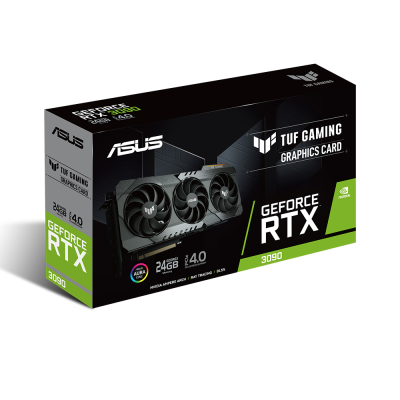
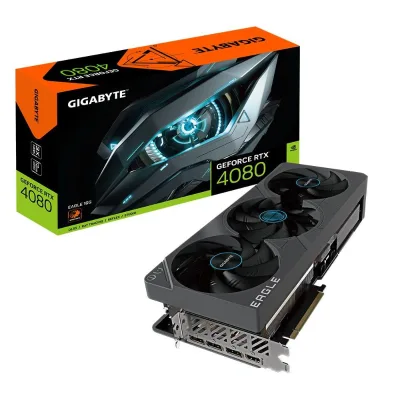
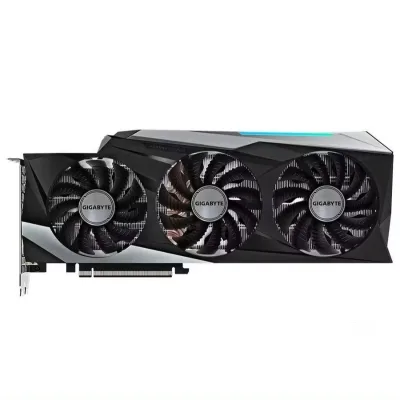
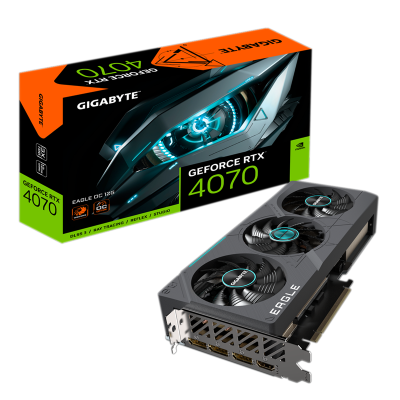
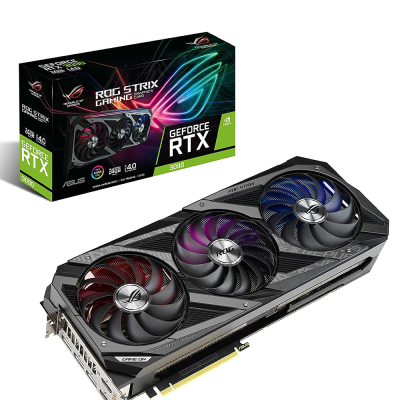
3090 RTX Graphics Cards GPU with 24GB GDDR6X Non LHR AORUS Graphics Card
$799.00 - $998.00
MOQ: 1 Minimum
Comprehensive Sourcing Guide
Strategic Sourcing Guide for Used Gaming RTX 3080 GPUs
Procuring used high-performance graphics processing units (GPUs) for B2B applications requires a disciplined approach that balances cost efficiency with technical reliability. The core keyword "Used Gaming RTX 3080 GPU" signals a specific market segment where buyers seek the performance tier of the NVIDIA RTX 30-series without the premium of new inventory. However, the second-hand market introduces variables regarding wear, history, and component integrity that do not exist in new procurement. This guide outlines the critical factors for sourcing these units, leveraging observed market data and technical specifications to ensure a robust acquisition strategy.
Technical Specification Verification and Architecture Analysis
When evaluating a used RTX 3080, the primary objective is to verify that the unit matches the architectural expectations of the Ampere generation. Unlike the provided product listings which show a mix of RTX 3060 Ti, RTX 3060, and RTX 4080 models, a genuine RTX 3080 possesses a distinct set of hardware attributes. Buyers must confirm the presence of 8704 CUDA Cores, a figure significantly higher than the 3584 cores found in the RTX 3060 Ti examples observed in the market data. The memory configuration is equally critical; the RTX 3080 typically utilizes 10GB or 12GB of GDDR6X memory, operating on a 320-bit memory interface. This contrasts with the 256-bit interface of the RTX 3060 Ti and the 192-bit interface of the RTX 3060 listed in the reference data.
Power delivery is another non-negotiable specification. The RTX 3080 generally requires a Total Design Power (TDP) ranging between 320W and 350W, necessitating a robust power supply unit (PSU). While the provided data lists recommended PSUs of 750W for an RTX 3060 Ti and 550W for an RTX 3060, a 3080 typically demands a minimum 750W to 850W PSU to ensure stable operation under load. The physical dimensions also vary; while the reference data shows sizes like 319x140x58mm for a 3060 Ti, RTX 3080 models often exceed 300mm in length, requiring careful case clearance verification. Buyers must request specific model numbers from suppliers to confirm the exact memory clock speeds, which for GDDR6X on the 3080 series, typically reach 19Gbps or higher, distinct from the 14Gbps or 14000MHz figures seen in the lower-tier listings.
Compliance, Certification, and Safety Standards
In the B2B environment, compliance is not merely a formality but a prerequisite for liability management and operational safety. When sourcing used electronics, the absence of original manufacturer packaging often complicates certification verification. Buyers should explicitly request documentation regarding the product's origin and any third-party refurbishment certifications. The provided data mentions "products status: New" and "Used" as distinct attributes, highlighting the need to verify the condition claim against physical inspection.
While specific certification bodies are not listed in the provided context, standard industry practice dictates that used GPUs intended for commercial deployment should ideally meet safety standards such as CE, FCC, or RoHS, depending on the region of operation. These certifications ensure that the electronic components do not exceed hazardous substance limits and that electromagnetic interference is within acceptable bounds. For used units, the integrity of the safety labeling is paramount. If a supplier claims a unit is "refurbished," they should provide evidence of the testing protocols used to validate that the unit meets original safety specifications. Buyers must avoid units where the original compliance labels have been removed or altered, as this may indicate tampering or the use of non-compliant replacement parts.
Cost Drivers and Market Valuation Factors
The price of a used RTX 3080 is influenced by several dynamic factors, including the age of the unit, the extent of its previous usage, and the current market availability of new equivalents. The observed price range in the general market for similar GPU categories spans from $18 to $3274.75, reflecting the vast difference between entry-level components and high-end flagship cards. For a used RTX 3080, the valuation will sit within the mid-to-high range of this spectrum, heavily dependent on the condition of the cooling system and the health of the silicon.
Key cost drivers include the thermal history of the card. Units that have been subjected to continuous high-load mining operations or overclocking may have degraded thermal paste or worn-out fans, necessitating immediate maintenance costs. Conversely, a unit with a documented history of moderate gaming use will command a higher price due to its lower risk profile. The memory clock speed and core clock speed also impact value; higher factory overclocks on the original card can increase resale value, provided the stability has been verified. Buyers should be wary of prices that seem anomalously low, as these often correlate with units that have hidden defects or have been stripped of essential components.
Typical Applications and Performance Expectations
The RTX 3080 is designed for high-performance computing tasks that demand significant parallel processing power. In a B2B context, these units are frequently deployed in rendering farms, AI training environments, and high-fidelity gaming setups for esports venues. The architecture supports DirectX 12 and advanced ray tracing features, making it suitable for real-time 3D visualization and simulation workloads.
When comparing the RTX 3080 to the units observed in the reference data, such as the RTX 3060 Ti with 4864 CUDA cores or the RTX 3060 with 3584 cores, the 3080 offers a substantial performance leap. This makes it ideal for applications where throughput is critical. However, the power consumption and heat output are also higher. The reference data indicates TDPs of 200W for the 3060 Ti and 220W for the 3060, whereas the 3080 requires significantly more power. Therefore, procurement plans must account for the infrastructure required to support these thermal loads, including adequate airflow in server racks or workstations. The output interfaces, typically including HDMI and DisplayPort, must be verified to ensure compatibility with the intended display or capture equipment, as the number and version of these ports can vary between different manufacturer models.
Supplier Evaluation and Due Diligence
Selecting a supplier for used hardware requires a rigorous vetting process to mitigate the risk of receiving defective or misrepresented goods. Buyers should prioritize suppliers who provide detailed technical specifications for each unit, including serial numbers, batch codes, and a history of usage. The provided data highlights attributes like "products status: New" and "Used," indicating that condition is a primary differentiator. A reputable supplier will clearly distinguish between "used" and "refurbished" units and provide a warranty or return policy that covers hardware failures.
It is essential to verify the supplier's ability to test and validate the units before sale. This includes stress testing the GPU under load to ensure stability and checking for artifacts or errors in the memory. Buyers should also inquire about the source of the inventory; units sourced from data centers or corporate upgrades often have a more consistent usage profile than those from individual miners. The physical condition of the card, including the state of the fans and heatsinks, should be assessed via high-resolution images or video. Any discrepancies between the listed specifications and the actual product, such as differences in memory size or interface types, should be treated as red flags.
Quality Control and Long-Term Procurement Considerations
Implementing a robust quality control (QC) protocol is essential for managing the lifecycle of used GPUs. Upon receipt, each unit should undergo a comprehensive inspection that includes visual checks for physical damage, verification of component authenticity, and functional testing using industry-standard benchmarking tools. The memory interface, core clock, and memory clock speeds must be confirmed against the manufacturer's specifications. For the RTX 3080, this means verifying the 320-bit interface and the specific GDDR6X memory speeds.
Long-term procurement considerations involve planning for the eventual obsolescence of the hardware. While the RTX 3080 is a powerful card, the rapid pace of technological advancement means that newer generations will eventually outperform it. Buyers should factor in the potential need for driver support and compatibility with future software updates. Additionally, the warranty period for used units is typically shorter than for new products, which increases the risk exposure. Establishing a relationship with a supplier who offers extended warranty options or on-site support can help mitigate these risks. Finally, maintaining a spare inventory of critical components, such as replacement fans or thermal pads, can extend the operational life of the deployed units and reduce downtime.
Comparative Analysis of GPU Tiers
To aid in decision-making, the following table compares the technical specifications of the RTX 3080 against the models observed in the provided market data. This comparison highlights the performance gap and helps buyers understand the value proposition of the RTX 3080 relative to other available options.
| Feature | RTX 3080 (Target) | RTX 3060 Ti (Observed) | RTX 3060 (Observed) | RTX 4080 (Observed) |
|---|---|---|---|---|
| CUDA Cores | 8704 | 4864 | 3584 | 9728 |
| Memory Size | 10GB/12GB GDDR6X | 8GB GDDR6 | 12GB GDDR6 | 16GB GDDR6X |
| Memory Interface | 320-bit | 256-bit | 192-bit | 256-bit |
| Memory Clock | ~19 Gbps | 14 Gbps | 14000 MHz | 22.4 Gbps |
| Core Clock | ~1710 MHz | 1770 MHz | 1807 MHz | 2625 MHz |
| TDP | ~320-350W | 200W | 220W | N/A |
| Power Connector | 12-pin / 3x 8-pin | 8-pin x2 | 8-pin | 16-pin x1 |
| Product Status | Used (Target) | New / Used | Used | New |
This comparison underscores that while the RTX 4080 offers higher core counts and clock speeds, the RTX 3080 remains a competitive option for buyers seeking a balance of performance and cost in the used market. The RTX 3060 Ti and 3060, while more affordable, lack the raw power required for the most demanding B2B applications. Buyers must weigh these specifications against their specific workload requirements to make an informed procurement decision.
FAQs
What is the typical TDP for a used RTX 3080 compared to lower tiers?
The RTX 3080 typically requires a TDP between 320W and 350W, which is significantly higher than the 200W to 220W seen in RTX 3060 models. Buyers must ensure their power supply units can handle this increased load to prevent system instability during heavy rendering or gaming tasks.
Which memory interface does the RTX 3080 use versus the RTX 3060 Ti?
The RTX 3080 utilizes a 320-bit memory interface, contrasting with the 256-bit interface found on the RTX 3060 Ti. This wider bus allows for higher bandwidth, making the 3080 better suited for high-resolution workloads compared to the lower-tier alternatives listed in current market data.
Can I find used RTX 3080 units with GDDR6X memory?
Yes, genuine RTX 3080 units are equipped with GDDR6X memory, which differs from the standard GDDR6 found on RTX 3060 and 3060 Ti models. This memory type offers higher clock speeds, typically reaching 19Gbps or more, providing superior performance for demanding applications like AI training or 4K gaming.
How do I verify the condition of a used RTX 3080 before purchase?
Buyers should request detailed usage history and stress test results to verify the card's integrity. Since used units may show signs of wear, checking for physical damage to fans and heatsinks is essential to ensure the cooling system remains effective for long-term B2B deployment.
What power connector is standard for the RTX 3080 series?
The RTX 3080 generally requires a 12-pin connector or three 8-pin connectors for power delivery. This differs from the single 8-pin or dual 8-pin setups seen on lower-tier cards, meaning procurement plans must account for compatible cables and adequate power supply wattage.
Which CUDA core count distinguishes the RTX 3080 from the RTX 3060 Ti?
The RTX 3080 features 8704 CUDA cores, a substantial increase over the 4864 cores found in the RTX 3060 Ti. This higher core count provides significantly more parallel processing power, making the 3080 a preferred choice for complex rendering farms and high-performance computing environments.
What is the recommended PSU wattage for a used RTX 3080?
A minimum 750W to 850W power supply unit is recommended for stable operation of an RTX 3080. This requirement exceeds the 550W to 750W range often sufficient for RTX 3060 models, necessitating careful infrastructure planning to support the higher thermal and electrical demands of the card.