Source Baby Suction Bowl for Agricultural, Industrial, and Medical uses
Find 30 Baby Suction Bowl options featuring organic silicone and food-grade materials. Buyers can compare specifications like size, flow velocity, and certifications including RoHS, REACH, and FDA for household and medical applications.
Key considerations
Products List


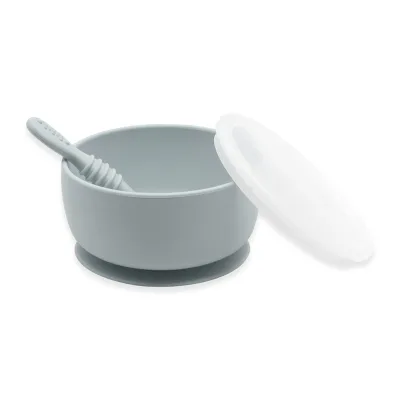
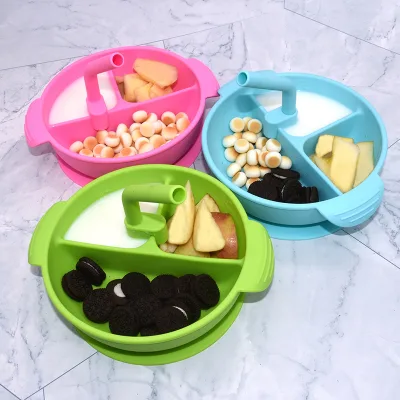
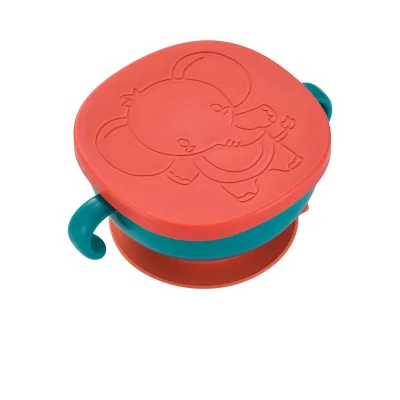


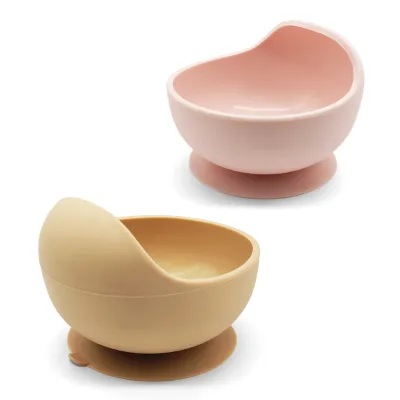
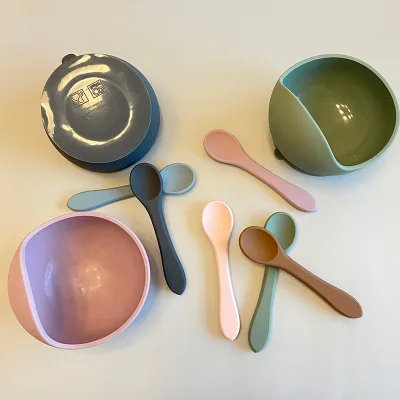
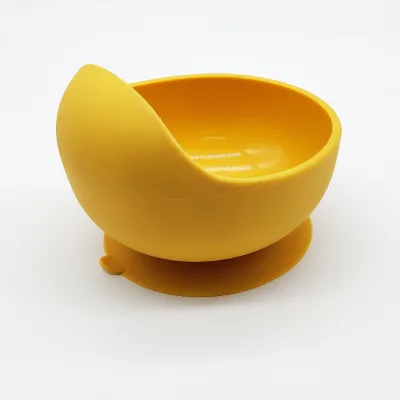
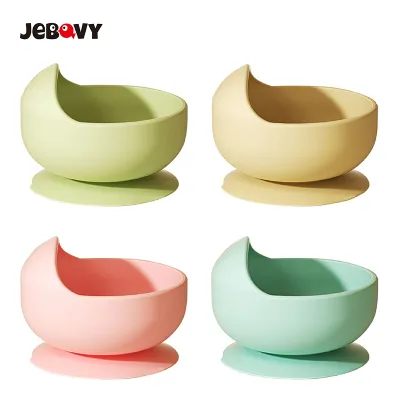


Customzied Other Products BPA Free New Silicone Suction Baby Feeding Bowls
$1.66 - $2.30
MOQ: 100 Pieces





Toddler Baby Products Food Feeding Suction Tableware Bowl with Suction Lid
$0.70 - $0.90
MOQ: 100 Pieces

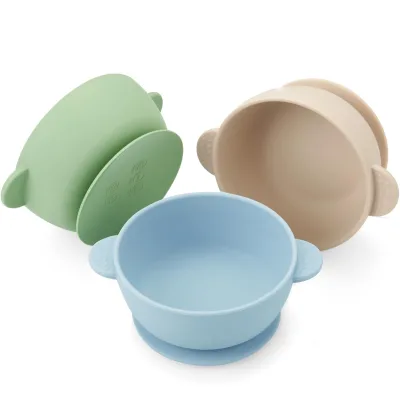


Comprehensive Sourcing Guide
Strategic Sourcing Guide for Baby Suction Bowls
Understanding Technical Specifications and Material Composition
When sourcing baby suction bowls, the primary focus must be on the material integrity and physical dimensions that ensure safety and usability. The market offers products constructed from various grades of silicone, with a strong emphasis on organic and food-grade options. Buyers should verify that the material is explicitly 100% food-grade silicone, as this is a critical baseline for products intended for infant feeding. Beyond the base material, specific safety features are non-negotiable. The supply chain data indicates a consistent requirement for products to be free from Bisphenol A (BPA), Nitrosamines, Phthalates, Polyvinyl Chloride (PVC), and Latex. These exclusions are vital for preventing chemical leaching and allergic reactions in infants.
Physical dimensions vary significantly across different product models, directly influencing the bowl's capacity and suitability for different developmental stages. Observed specifications include diameters ranging from 11 to 11.9 centimeters, while other models may feature dimensions such as 12.2 by 6.7 centimeters or larger configurations like 19 by 16 by 6 centimeters. Capacity is another key metric, with some bowls designed to hold approximately 515 milliliters, suitable for older infants, while others are sized for smaller portions. The shape of the bowl is equally important; options include straight and round profiles, which affect how easily a child can access the food. Additionally, the presence of a handle is a distinguishing feature. Some models are designed with handles to assist parents in feeding, while others are handle-free to encourage independent eating. The suction mechanism itself must be robust, with standards noting specific color variations like mud brown, mauve, dark pink, and cream white, which often correlate with the suction cup's material properties.
Compliance, Certification, and Safety Standards
Navigating the regulatory landscape is perhaps the most critical aspect of sourcing baby feeding products. Manufacturers must provide evidence of compliance with international safety standards to ensure the product is safe for children over specific age thresholds, such as those older than 3 months or 6 months. The supply data highlights several key certifications that buyers should demand during the vetting process. These include RoHS, REACH, FDA, and ISO certifications. RoHS compliance ensures the product is free from hazardous substances, while REACH addresses chemical safety within the European market. FDA certification is essential for food contact materials in the United States, confirming that the silicone does not leach harmful chemicals into food. ISO standards generally indicate that the manufacturer adheres to rigorous quality management systems.
Buyers must verify that these certifications are current and applicable to the specific product model being sourced. For instance, a product claiming to be "BPA Free" and "Eco-friendly" must have the corresponding test reports to back these claims. The absence of toxic elements like nitrosamines and phthalates is not just a marketing claim but a regulatory requirement in many jurisdictions. When evaluating a supplier, request copies of the actual certification documents rather than relying on verbal assurances. The "Mud brown suction cup bowl" and "dark pink suction cup" standards mentioned in product data suggest that colorants used in the silicone must also meet these non-toxic criteria. Ensuring that the product meets these standards protects the buyer from liability and ensures the safety of the end-user.
Cost Drivers and Pricing Dynamics
The pricing structure for baby suction bowls is influenced by a complex interplay of material costs, customization requirements, and order volume. The observed price range in the market spans from $0.10 to $6.00 USD, a wide variance that reflects differences in material quality, design complexity, and order quantity. The lower end of the spectrum typically corresponds to standard models with minimal customization, while the higher end often includes premium organic silicone, custom branding, or specialized packaging.
Minimum Order Quantity (MOQ) is a significant cost driver. Data indicates that MOQs can range from as low as 2 units for sampling purposes up to 5,000 units for bulk production. However, a common MOQ observed for standard orders is 50 pieces or 50 units. Buyers should be aware that ordering closer to the lower MOQ limit may result in a higher unit cost due to the fixed costs of setup and production. Conversely, larger orders often benefit from economies of scale, reducing the per-unit price. Customization is another factor that impacts cost. Options such as imprinting logos, accepting customized designs, and altering packaging (e.g., moving from a standard poly bag to a customized export carton) will increase the overall price. The weight of the product also plays a role; with single gross weights ranging from 0.5 kg to 19 kg per batch, shipping costs can vary significantly depending on the density and volume of the shipment.
Typical Applications and Age Appropriateness
Baby suction bowls are designed for a specific demographic, primarily infants and toddlers. The applicable age range is a crucial specification that dictates the product's design and safety features. Products are generally categorized for children older than 3 months, older than 6 months, or those in the 0-12 month and 1-2 year age brackets. The suction feature is particularly beneficial for children in the transition phase from bottle or spoon feeding to self-feeding, as it prevents the bowl from being easily tipped over.
The application extends beyond the household to include agricultural, industrial, and medical contexts, although the primary use case remains household feeding. In a medical or institutional setting, the ease of cleaning and the non-toxic nature of the silicone make these bowls suitable for specialized feeding programs. The flow velocity of the product is another consideration; some models are designed for slow flow, while others offer medium flow, which may influence the type of food (purees vs. thicker solids) the bowl can effectively hold. The pattern type is typically solid, ensuring that the visual design does not distract from the feeding process or contain small parts that could pose a choking hazard. The versatility of these bowls allows them to be used for various meal types, from breakfast cereals to dinner purees, making them a staple in modern infant care.
Supplier Evaluation and Production Capabilities
Selecting the right supplier requires a thorough evaluation of their production capabilities, location, and commitment to quality. The origin of the products is predominantly Guangzhou and Guangdong, China, regions known for their robust manufacturing infrastructure in the silicone and baby product sectors. Buyers should verify the supplier's ability to handle customization, as many models offer options for logo imprinting and OEM services. The availability of samples is a strong indicator of a supplier's confidence in their product quality; reputable suppliers should be willing to provide samples for testing before a bulk order is placed.
When evaluating a supplier, consider their packaging capabilities. Standard export cartons are common, but some suppliers offer poly bags or customized packaging solutions. The single package size, often around 15x15x10 cm, and the package size per batch, which can be as large as 50x47x39 cm, are critical for logistics planning. A supplier's ability to maintain consistent quality across batches is essential. Look for evidence of a structured quality control process, including regular testing for material safety and durability. The brand name, such as BHD, may indicate a specific manufacturer, but buyers should focus on the supplier's overall track record rather than just the brand. Ensure that the supplier can meet the required lead times and has the capacity to scale production if demand increases.
Quality Control and Long-Term Procurement Considerations
Implementing a robust quality control (QC) strategy is essential for maintaining product integrity and brand reputation. QC should begin at the raw material stage, verifying that the silicone is indeed 100% food-grade and free from the prohibited substances listed in the specifications. During production, random sampling should be conducted to check for defects in the suction cup, handle integrity, and color consistency. The weight of the product, such as the 129g specification for certain models, should be monitored to ensure consistency.
For long-term procurement, buyers should establish clear communication channels with suppliers regarding any changes in material sourcing or manufacturing processes. The ability to customize the product, such as changing the color to pink, green, or sky blue, should be managed with strict quality checks to ensure the new colors meet the same safety standards as the original. The "Eco-friendly" and "Non-toxic" features should be continuously verified through third-party testing. Additionally, consider the environmental impact of the packaging; while poly bags are common, exploring more sustainable options could align with broader corporate social responsibility goals. Finally, maintain a relationship with the supplier that allows for flexibility in order quantities and lead times, ensuring a steady supply of high-quality baby suction bowls to meet market demands.
Comparison of Key Product Attributes
To assist in decision-making, the following table summarizes the key attributes observed in the current market for baby suction bowls. This comparison highlights the variability in specifications and helps buyers identify the features most relevant to their specific needs.
| Attribute | Observation Range / Options | Relevance to Procurement |
|---|---|---|
| Material | Organic Silicone, 100% Food Grade Silicone | Critical for safety; must verify BPA/Nitrosamine free status. |
| Certifications | RoHS, REACH, FDA, ISO | Mandatory for market entry; verify validity and scope. |
| Age Range | >3 Months, >6 Months, 0-12 Months, 1-2 Years | Determines target demographic and product design. |
| Dimensions | 11-11.9cm, 12.2x6.7cm, 19x16x6cm | Affects capacity and storage requirements. |
| MOQ | 2 to 5,000 units (Common: 50 units) | Impacts initial capital outlay and inventory risk. |
| Price Range | $0.10 - $6.00 USD | Influences margin and competitive positioning. |
| Customization | Logo imprint, OEM, Custom Packaging | Essential for branding and market differentiation. |
| Origin | Guangzhou, Guangdong, China | Affects lead times and shipping logistics. |
| Features | BPA Free, PVC Free, Latex Free, Eco-friendly | Key selling points; must be substantiated by testing. |
By carefully analyzing these attributes and adhering to the rigorous standards outlined in this guide, buyers can successfully source high-quality baby suction bowls that meet safety regulations and market expectations. The focus on material safety, certification compliance, and supplier reliability ensures a procurement process that minimizes risk and maximizes value.
FAQs
What materials are used for baby suction bowls?
Baby suction bowls are constructed from 100% food-grade silicone or organic silicone. These materials are explicitly free from BPA, nitrosamines, phthalates, PVC, and latex to ensure safety for infants over three months old.
Which certifications do these bowls typically hold?
Products commonly hold RoHS, REACH, FDA, and ISO certifications. These standards verify that the silicone is non-toxic and safe for food contact, meeting international regulatory requirements for infant feeding products.
How large are the standard baby suction bowls?
Dimensions vary by model, with diameters ranging from 11 to 11.9 centimeters. Some specific models measure 12.2 by 6.7 centimeters or 19 by 16 by 6 centimeters, holding approximately 515 milliliters.
Can I customize the logo on these bowls?
Yes, customization is available for logo imprinting and OEM services. Buyers can request customized packaging options such as poly bags or standard export cartons depending on their specific branding needs.
What is the minimum order quantity for these bowls?
The minimum order quantity typically starts at 50 pieces or 50 units. However, ranges can extend from as low as 2 units for sampling up to 5,000 units for bulk production orders.
Where are these baby suction bowls manufactured?
These products originate from Guangzhou and Guangdong, China. This region is known for its robust manufacturing infrastructure in silicone and baby product sectors, ensuring consistent production capabilities.
What age range is suitable for these suction bowls?
The bowls are designed for children older than three months, older than six months, or those aged 0-12 months and 1-2 years. The suction feature helps prevent tipping during the transition to self-feeding.