Source UV Protection Polyester Beach Tent for Camping, Parties, and Relief
Find 30 UV Protection Polyester Beach Tent options with varying pole materials, sizes, and customization features. Buyers can compare single skin structures, waterproof ratings, and packing types for traditional, party, or relief use cases.
Key considerations
Products List


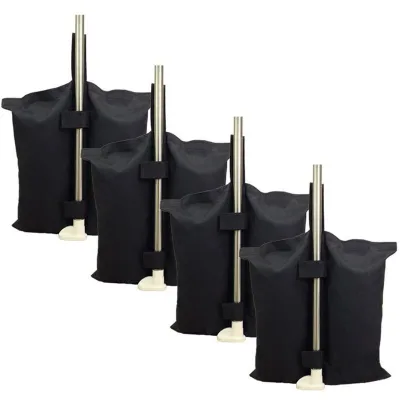
Portable Canopy Sun Shelterpolyester Rain Fly Tarp Beach Tent with Sandbags
$12.00 - $18.00
MOQ: 300 Pieces

Beach Tent Sun Protection Camping Tent Portable Backpacking for Hiking and Travel
$5.00 - $10.00
MOQ: 300 Pieces


Portable Beach Sun Shelter, Premium Beach Shade Tent, World's Best Beach Shade
$21.00 - $30.00
MOQ: 500 Pieces

Easy Open Sun Shelter Windproof Beach Canopy Tent Sun Shade Beach Shade
$21.00 - $30.00
MOQ: 500 Pieces



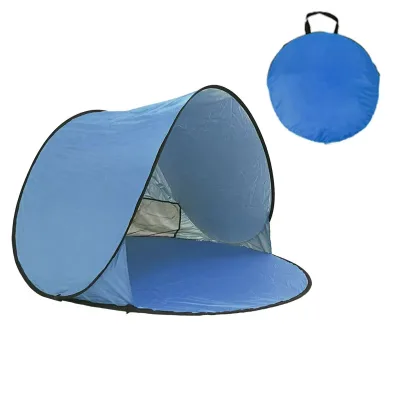
Camping Tents Outdoor Beach Tent Waterproof Popular Tent Outdoor Camping Tent
$10.00 - $12.50
MOQ: 50 Pieces




Comprehensive Sourcing Guide
UV Protection Polyester Beach Tent Sourcing Guide
Sourcing UV protection polyester beach tents requires a careful balance between material durability, structural integrity, and specific environmental performance. Buyers must navigate a market where "UV protection" is often a marketing term rather than a standardized specification, necessitating rigorous verification of fabric treatments and weave densities. The core challenge lies in distinguishing between tents that offer basic shade and those engineered to withstand prolonged solar exposure without degrading or fading. This guide provides a structured approach to evaluating these products, focusing on the technical and commercial realities of procurement.
The following sections outline the critical steps for identifying reliable suppliers and verifying product claims. By adhering to evidence-based verification methods, procurement teams can mitigate the risk of receiving substandard goods that fail under real-world conditions. The focus remains on observable attributes, documented specifications, and verifiable supplier capabilities, ensuring that every purchasing decision is grounded in factual data rather than promotional language.
Product Scope and Observed Listing Signals
The current market for polyester beach tents exhibits a wide variance in structural design and intended usage, ranging from simple single-skin shade structures to more complex ridge tents. Observed listings indicate that manufacturers offer products with varying pole materials, including flexible fiberglass and rigid poles, which directly impact the tent’s stability and portability. Buyers should note that while many products are marketed for beach and camping use, the actual waterproofing capabilities vary significantly, with some units explicitly labeled as non-waterproof despite being suitable for dry, sunny environments.
Customization is a prevalent feature in this category, allowing buyers to tailor capacity, dimensions, and branding to specific needs. Listings show that capacities can be customized, and fabrics often include options between standard polyester and heavier Oxford materials. However, procurement teams must be cautious when interpreting "UV protection" claims, as many standard polyester fabrics do not inherently provide high UV resistance without specific coatings or treatments. Verification of the fabric weight, such as 170g polyester or 260d Oxford, serves as a more tangible indicator of durability than generic UV claims alone.
Technical Specifications to Verify
When evaluating technical specifications, the frame material and pole diameter are critical indicators of structural resilience. Aluminum frames are frequently cited for their lightweight and corrosion-resistant properties, making them suitable for coastal environments, while fiberglass poles offer flexibility at a lower cost. Buyers should verify the exact dimensions of the frame components, such as tube diameters and connector materials, to ensure they align with the expected wind loads and usage intensity. For instance, specific models may feature aluminum frames with precise tube sizes, which should be cross-referenced against the intended deployment environment.
Fabric composition and construction details are equally important for assessing long-term performance. The presence of a ridge tent style or single-skin design affects ventilation and heat retention, which are crucial for beach applications. Buyers must confirm whether the fabric is treated for UV resistance or if it relies solely on the density of the weave. Additionally, the inclusion of features such as back panels, door configurations, and carrying bag quality should be verified against the product datasheet. Discrepancies between the listed model number and the actual physical specifications should be flagged for immediate clarification with the supplier.
Compliance and Safety Documentation
Safety and compliance documentation for beach tents often focus on material safety and structural stability rather than complex regulatory frameworks. Buyers should request material safety data sheets (MSDS) to ensure that any chemical treatments applied to the polyester or Oxford fabric are free from harmful substances. While specific certification standards may not always be publicly listed, suppliers should be able to provide evidence of compliance with relevant textile safety regulations, particularly regarding flame retardancy if the tent is intended for commercial or event use.
Structural integrity testing is another area where documentation can provide assurance. Buyers should inquire about any internal quality control tests performed on the frame joints and fabric seams. Although external certifications may be scarce, suppliers with established quality management systems will have internal records of stress testing and durability assessments. Procurement teams should prioritize suppliers who can demonstrate a consistent track record of producing tents that meet their stated specifications, rather than relying solely on marketing claims about UV protection or weather resistance.
Cost Drivers and Commercial Terms
The cost of UV protection polyester beach tents is influenced by several key factors, including the type of fabric, frame material, and level of customization. Aluminum frames and heavier Oxford fabrics typically command higher prices due to their superior durability and resistance to corrosion. Customization options, such as logo printing, specific dimensions, and unique color schemes, also add to the overall cost. Buyers should analyze the price-to-specification ratio to ensure they are not overpaying for features that do not align with their operational needs.
Minimum order quantities (MOQs) and payment terms are critical commercial considerations that impact the total cost of ownership. Suppliers may offer tiered pricing based on volume, with lower MOQs suitable for trial orders or small-scale deployments. Buyers should negotiate clear terms regarding shipping, packaging, and potential additional fees for customization. Understanding the full cost structure, including logistics and handling, is essential for accurate budgeting and avoiding unexpected expenses during the procurement process.
Supplier Qualification and Quality Control
Supplier qualification involves assessing the manufacturer’s production capabilities, quality control processes, and reputation in the market. Buyers should verify the supplier’s location and production capacity to ensure they can meet delivery timelines and volume requirements. Suppliers based in established manufacturing hubs, such as Zhejiang Province in China, often have access to a robust supply chain and experienced workforce, which can contribute to consistent product quality. However, location alone is not a guarantee of quality, and direct verification of production facilities is recommended.
Quality control measures should be clearly defined and agreed upon before placing an order. Buyers should request samples to evaluate the build quality, fabric feel, and overall construction of the tent. Inspecting the stitching, seam sealing, and frame assembly can reveal potential weaknesses that may not be apparent from product listings alone. Establishing a clear quality assurance protocol, including pre-shipment inspections and acceptance criteria, helps mitigate the risk of receiving defective or non-compliant products.
Long-Term Procurement Checks
Long-term procurement success depends on establishing a relationship with suppliers who prioritize continuous improvement and customer satisfaction. Buyers should monitor supplier performance over time, tracking metrics such as on-time delivery, product consistency, and responsiveness to issues. Regular communication and feedback loops can help identify areas for improvement and foster a collaborative partnership. Suppliers who are willing to adapt to changing market demands and incorporate buyer feedback are more likely to provide reliable, high-quality products in the long run.
Periodic re-evaluation of product specifications and market trends is essential to ensure that procurement strategies remain aligned with business objectives. As new materials and technologies emerge, buyers should stay informed about advancements in UV protection fabrics and frame designs. Engaging with industry networks and attending trade shows can provide valuable insights into emerging trends and potential new suppliers. By maintaining a proactive approach to supplier management and product evaluation, buyers can secure a steady supply of high-quality UV protection polyester beach tents that meet their evolving needs.
FAQs
How waterproof are these uv protection polyester beach tents?
Waterproof performance varies by model, so check the listing before ordering. Some polyester beach tents are listed as waterproof, while others are explicitly not waterproof and suit shade-focused use. If rain protection matters for your market, confirm the fabric coating and seam treatment with the factory before placing a bulk order.
What pole material is used in these polyester beach tents?
Listed models use flexible fibreglass poles or rigid poles, depending on the design. Fibreglass flexible poles bend in wind and pack smaller, while rigid pole ridge tents offer a more stable structure. Specify the pole type you need when requesting quotes, since it affects packing size, weight, and per-unit cost.
Can the beach tents be customized with my logo?
Yes, customization is available on the listed products, including logo printing and size changes. Capacity on some models is listed as customized, so you can request dimensions beyond the standard versions. Ask the supplier for printing methods, artwork requirements, and how customization affects the minimum order quantity and unit price.
What sizes and capacities do these beach tents come in?
Listed models include compact sizes such as 210x210x135mm and 245x245x150mm packing standards, with one model specified at 145x148x103CM. Capacity on some listings is customized rather than fixed. For larger outdoor use, a 3x6m party tent model and a 220x115x115cm tent are also available in the range.
How are the tents packed for shipping?
Packing depends on the model. Folding beach tents are supplied with a carrying bag, which suits retail and beach use, while larger models ship in strong carton packing or standard cartons. Confirm the packing method when ordering, because retail-ready carrying bags add presentation value but carton packing better protects goods in transit.
Which beach tent models suit summer party or advertising use?
The listed range covers beach, camping, party, relief, advertising, traditional, and military usage scenarios. Ridge tent designs and the 3x6m square model with aluminum frame work well for advertising and events, while two-door single-skin beach tents suit personal shade. Choose based on whether you need portability or a stable event structure.
What fabric weight is used on these polyester tents?
One listed model uses 170g polyester fabric, and another offers oxford or polyester fabric options. Heavier oxford fabric, such as the water resistant 260D oxford used on one connector, generally improves durability. Request fabric weight and composition details from the supplier when comparing quotes for uv protection polyester beach tents.