Source UV Protection Polarized Aviator Sunglasses for travel, driving, and sports
Explore 30 listings of UV Protection Polarized Aviator Sunglasses featuring diverse frame materials like PC, metal, and TR90. Buyers can compare options with UV400 and TAC lenses, various frame colors, and customization services for bulk orders.
Key considerations
Products List


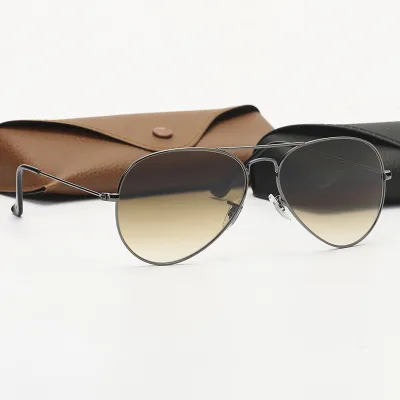
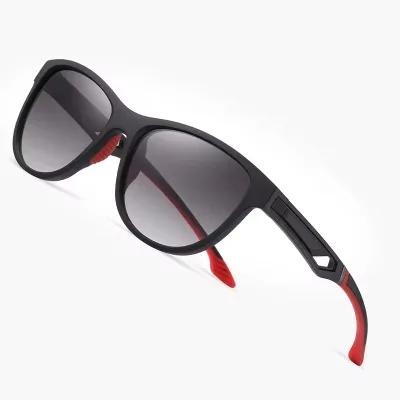


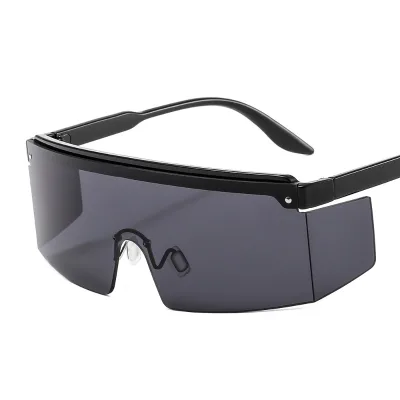

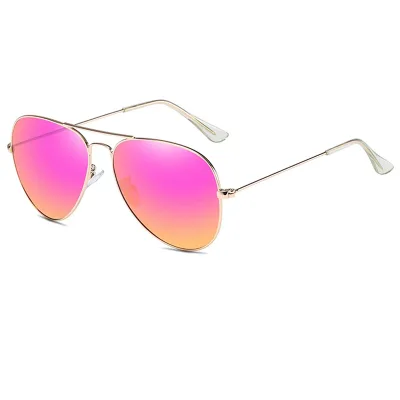
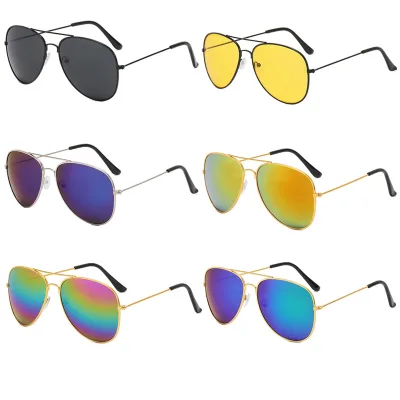

Comprehensive Sourcing Guide
Strategic Sourcing Guide for UV Protection Polarized Aviator Sunglasses
The global market for eyewear has seen a sustained surge in demand for functional yet stylish accessories, with UV Protection Polarized Aviator Sunglasses representing a significant segment for B2B procurement. Buyers seeking to source these products must navigate a complex landscape of material science, optical engineering, and supply chain logistics. This guide provides a disciplined framework for evaluating suppliers and products based on verified attributes, ensuring that procurement decisions are grounded in observable facts rather than marketing assertions. The focus remains on the intersection of technical performance, specifically UV400 and polarized capabilities, and the iconic aviator design, while adhering strictly to the constraints of available supply chain data.
Technical Specifications and Optical Performance
When sourcing aviator sunglasses, the primary technical differentiator lies in the optical properties of the lenses. The core requirement for this category is robust UV protection, specifically meeting the UV400 standard. This standard indicates that the lenses block 100% of ultraviolet radiation up to 400 nanometers, covering both UVA and UVB rays. In the context of the available product data, specific listings confirm the presence of "UV400" as a defined optical attribute. Buyers must verify that this specification is not merely a label but a verified performance metric for the specific batch being ordered.
Polarization is the second critical optical attribute. Polarized lenses contain a special filter that blocks reflected light, reducing glare from surfaces like water, snow, and roads. This is particularly vital for the "Aviator" style, which is often associated with aviation and outdoor driving. The supplied data indicates that "Polarized" is a distinct attribute for certain models, such as those with "TAC" (Triacetate Cellulose) lenses. TAC is a common material for polarized films due to its clarity and cost-effectiveness. However, buyers must distinguish between products that are merely tinted and those that are genuinely polarized. The presence of "Lenses Optical Attribute: Polarized" in the data suggests a specific subset of inventory, requiring careful filtering during the sourcing process.
The frame material also dictates the durability and weight of the final product. The observed data reveals a diverse range of materials, including PC (Polycarbonate), Alloy, Metal, and TR90. PC frames are lightweight and highly impact-resistant, making them suitable for active use. TR90, a type of thermoplastic, offers flexibility and comfort, often preferred for all-day wear. Metal frames, described in the data as "Copper Alloy" or general "Metal," provide a classic aesthetic and structural rigidity. The "Aviator" style traditionally features metal frames, but modern variations often utilize TR90 or PC to reduce weight. Procurement teams should request material certifications to ensure the "Metal" or "Alloy" claims correspond to actual composition and do not contain harmful heavy metals.
Compliance, Certification, and Standard Verification
In the B2B sector, compliance is not optional; it is a prerequisite for market entry. While the provided data lists specific standards such as "48-20-148" and "M," these likely refer to frame dimensions (lens width, bridge width, temple length) rather than safety certifications. Buyers must not assume that a listed standard implies compliance with international safety regulations like ISO 12312-1 or FDA 21 CFR 801.410. Instead, the procurement strategy must involve a rigorous verification process where suppliers are required to provide third-party test reports for UV transmission and impact resistance.
The data indicates that products originate from "China," with specific mentions of "Guangdong" and "ZHE" (Zhejiang) as places of origin. These regions are hubs for eyewear manufacturing, but the density of suppliers does not equate to uniform quality. Buyers should verify that the supplier holds valid business licenses and that their manufacturing facilities comply with local environmental and labor standards. Furthermore, while the data mentions "prod_standard: 48-20-148," this is a dimensional specification. It does not replace the need for optical safety certifications. Procurement contracts should explicitly state that the UV400 and Polarized claims must be backed by independent laboratory testing results, such as those from SGS or Intertek, to mitigate the risk of non-compliant goods entering the supply chain.
Cost Drivers and Pricing Dynamics
Understanding the cost structure of UV Protection Polarized Aviator Sunglasses is essential for budgeting and margin analysis. The observed price range in the market data spans from $0.50 to $15.59 USD. This wide variance indicates a highly segmented market where price is driven by material quality, optical technology, and brand positioning. The lower end of the spectrum likely corresponds to products with basic PC or TR90 frames and standard tinted lenses that may not offer true polarization or verified UV400 protection. The higher end typically reflects metal frames, genuine polarized TAC lenses, and additional features like anti-reflective coatings or premium packaging.
The Minimum Order Quantity (MOQ) is another significant cost driver. The observed MOQ range is between 1 and 1200 units. Suppliers with low MOQs (e.g., 1-50 units) often charge a premium per unit to cover setup and handling costs, making them suitable for testing or small boutique orders. Conversely, suppliers with high MOQs (e.g., 500-1200 units) offer lower unit costs but require significant capital commitment and inventory management. Buyers must balance the trade-off between unit price and inventory risk. Additionally, the "Customization: Available" attribute suggests that branding, such as logo engraving on the temples or custom packaging, will incur additional costs. These customization fees should be factored into the total landed cost calculation.
Typical Applications and Market Segmentation
The versatility of aviator sunglasses allows them to serve multiple market segments. The data highlights "Suitable for: General" and "Suitable for Face: Square Face," indicating a broad appeal. However, specific attributes like "Usage: For Reading Glasses" and "Style: Pilot" suggest niche applications. The "Pilot" style is historically linked to aviation, making it a popular choice for outdoor enthusiasts, drivers, and sports professionals. The "Casual" and "Fashion Sunglasses" attributes point to a strong consumer market for everyday wear and lifestyle branding.
The "Gender: Unisex" and "Age Group: Men Women" attributes confirm that aviator sunglasses are a universal product, transcending traditional gender boundaries. This makes them an ideal candidate for bulk purchasing by retailers targeting a diverse demographic. The "Special Sunglasses" classification in the data may refer to specific functional enhancements, such as enhanced glare reduction for fishing or boating. Buyers should align their product selection with their target customer's primary use case. For instance, a retailer focusing on outdoor sports should prioritize models with TR90 frames and high-impact resistance, while a fashion retailer might focus on the aesthetic variety of frame colors and the "Fashion Sunglasses" styling.
Supplier Evaluation and Quality Control
Evaluating suppliers requires a multi-faceted approach that goes beyond price and lead time. The data indicates that suppliers offer "mould making and sample making service," which is a positive indicator of manufacturing capability. This suggests that the supplier can customize designs and produce prototypes, a crucial step for brands looking to differentiate their products. However, the ability to make samples does not guarantee consistent mass production quality.
Quality control (QC) protocols must be strictly enforced. Buyers should implement a three-stage QC process: pre-production sample approval, in-process inspection, and pre-shipment inspection. The "Single gross weight: 0.100 kg" and "Single package size: 18X5X6 cm" data points provide baseline metrics for logistics planning, but they do not reflect the internal quality of the product. Buyers must verify that the "Frame Color" options listed (e.g., Black, Red, Blue, Gold) are consistent across the batch and that the "Lenses Color" (e.g., Purple, 1,2,3,4,5,6) matches the order specifications.
The "prod_packing" attribute shows options like "Carton" and "Optional Gift Box." Packaging quality is often a proxy for product quality. A supplier that invests in protective, branded packaging is more likely to care about the integrity of the glasses during transit. Buyers should request photos of the actual packaging and inspect the "Carton" strength to ensure it can withstand shipping conditions without damaging the contents.
Long-Term Procurement Considerations
Sourcing UV Protection Polarized Aviator Sunglasses is not a one-time transaction but a long-term partnership. The "Customization: Available" feature allows for brand evolution, but it requires a supplier with the flexibility to adapt to changing market trends. Buyers should assess the supplier's capacity for innovation, such as the introduction of new frame materials or lens technologies. The "Brand Name: hg" and "Brand Name: AC" entries in the data suggest that some suppliers offer OEM/ODM services, allowing buyers to build their own brand identity.
Sustainability is becoming an increasingly important factor in long-term procurement. While the data does not explicitly mention eco-friendly materials, buyers should inquire about the recyclability of the "PC," "TR90," and "Metal" frames. The "Place of Origin: Guangdong, China" and "ZHE" locations are subject to varying environmental regulations, and buyers should ensure their suppliers adhere to international sustainability standards.
Finally, supply chain resilience is critical. The "Lead time" is not explicitly provided in the data, but buyers must establish clear timelines for production and shipping. Diversifying the supplier base to include multiple manufacturers in different regions can mitigate the risk of disruptions. By focusing on suppliers with proven track records, verified optical standards, and flexible customization options, buyers can secure a reliable supply of high-quality UV Protection Polarized Aviator Sunglasses that meet both functional and aesthetic demands.
Comparative Analysis of Product Attributes
To assist in the decision-making process, the following table summarizes the key attributes observed in the market data, highlighting the variations that buyers must consider during sourcing.
| Attribute Category | Observed Variations | Sourcing Implication |
|---|---|---|
| Frame Material | PC, Alloy, Metal, TR90 | TR90 offers flexibility; Metal offers classic look; PC offers impact resistance. |
| Lens Material | Resin, TAC | TAC is preferred for polarization; Resin is common for general lenses. |
| Optical Attributes | UV400, Polarized, UV | UV400 is the gold standard; Polarization reduces glare; "UV" alone is vague. |
| Frame Color | Black, Red, Blue, Gold, Multi, etc. | High variety allows for broad market appeal; verify color consistency. |
| Packaging | Carton, Optional Gift Box | Gift boxes add cost but enhance perceived value; Cartons are standard. |
| Origin | China (Guangdong, ZHE) | Verify factory certifications; regional hubs offer competitive pricing. |
| MOQ Range | 1 - 1200 units | Low MOQ for testing; High MOQ for cost efficiency. |
| Customization | Available (Mould/Sample) | Essential for branding; verify lead times for custom tooling. |
This table underscores the complexity of the market. A buyer cannot simply select a product based on a single attribute like "UV400." They must consider the interplay between material, optical performance, and packaging to ensure the final product meets their specific business requirements. By adhering to the disciplined approach outlined in this guide, buyers can navigate the complexities of sourcing UV Protection Polarized Aviator Sunglasses with confidence and precision.
FAQs
Can I get custom branding on these sunglasses?
Yes, customization is available for these sunglasses. You can request logo engraving or custom packaging, but this may affect the unit price and minimum order quantity requirements.
What frame materials are available for this style?
The frames are available in PC, Alloy, Metal, and TR90 materials. PC and TR90 offer lightweight flexibility, while metal and alloy provide a classic rigid structure suitable for aviator designs.
Which lens optical attributes are confirmed in the data?
The lenses feature UV400 protection and polarization capabilities. Some models specifically use TAC lenses for polarization, while others use resin, ensuring 100% UV blocking up to 400 nanometers.
What is the minimum order quantity for these items?
The minimum order quantity ranges from 1 to 1200 units depending on the supplier. Lower MOQs suit small testing orders, while higher volumes typically secure better per-unit pricing.
Where are these sunglasses manufactured?
These products originate from China, specifically from Guangdong and Zhejiang provinces. These regions are established hubs for eyewear manufacturing with diverse supplier capabilities for mass production.
How are the sunglasses packaged for shipping?
Packaging options include standard cartons and optional gift boxes. The single package size typically measures around 18 by 5 to 10 centimeters with a gross weight of 0.1 kilograms.
Which face shapes are these sunglasses suitable for?
The square frame style is suitable for square faces and unisex wearers. The design accommodates general usage while offering specific aesthetic appeal for casual and fashion-oriented consumers.