Source Vacuum Plated Titanium Steel Necklace for Fashion, Religious, and Engagement Use
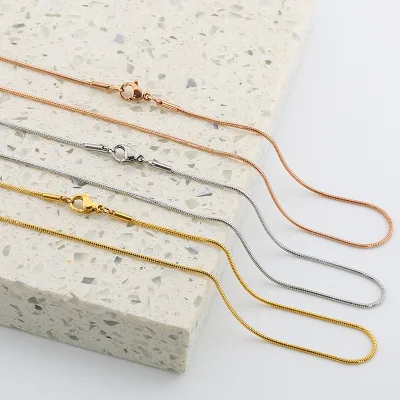
Find and compare 30 Vacuum Plated Titanium Steel Necklace options suitable for fashion, religious, and engagement occasions. These unisex pieces feature gold or silver plating, simple or trendy styles, and are available for customization with various pendant shapes and lengths.
Key considerations
Products List


Cross-Border Sleeve Engraving Stainless Steel Pendant Titanium Steel Necklace
$0.43 - $0.48
MOQ: 2100 Pieces

Titanium Steel Small Waist Necklace, Attractive Women Titanium Steel Necklace
$1.80 - $1.86
MOQ: 49 Pieces




Comprehensive Sourcing Guide
Vacuum Plated Titanium Steel Necklace Sourcing Guide
Sourcing vacuum plated titanium steel necklaces requires a nuanced understanding of material science, surface treatment technologies, and the specific commercial realities of the jewelry supply chain. This guide synthesizes observed market data and technical attributes to help procurement professionals navigate the complexities of this category. By focusing on verified product signals and critical verification steps, buyers can mitigate risks associated with material misrepresentation and plating durability issues. The following sections provide a structured approach to evaluating suppliers, verifying specifications, and establishing robust quality control protocols for bulk orders.
Product Scope and Observed Listing Signals
The current market landscape for vacuum plated titanium steel necklaces reveals a diverse range of product offerings, primarily targeting female and male demographics with a strong emphasis on fashion and decorative applications. Observed listings indicate that these items are frequently marketed as unisex accessories suitable for various occasions, including weddings, engagements, travel, and daily work wear. The style spectrum ranges from simple, minimalist designs to trendy, fashion-forward pieces, often featuring charm or square pendant shapes. Buyers should note that while the core material is titanium steel, the visual appeal is heavily driven by the plating finish, with gold and silver being the predominant color options observed in active listings.
Commercial signals from the market suggest that customization is a widely available service, allowing buyers to tailor products to specific brand identities or promotional needs. The typical minimum order quantity (MOQ) observed in the market varies significantly, ranging from small batch orders of 50 pieces to larger industrial orders exceeding 2,000 pieces, with some suppliers listing MOQs as low as 2 pieces for sample or trial orders. This flexibility caters to both small boutique retailers and large-scale distributors. Additionally, packaging is commonly standardized, with OPP bags and cartons being the most frequent methods observed, ensuring basic protection during transit while keeping packaging costs low for high-volume shipments.
Technical Specifications to Verify
Verifying the exact material composition is the most critical technical step in sourcing titanium steel necklaces. While the term "titanium steel" is commonly used in marketing, it often refers to stainless steel with a titanium-infused coating or a specific alloy blend rather than pure titanium. Buyers must confirm whether the base material is genuine stainless steel, as indicated by some product attributes, or if it contains actual titanium content, which offers superior hypoallergenic properties. The plating process, often described as electroplate or vacuum plating, is essential for achieving the desired gold or silver finish. Procurement teams should request detailed material certificates or third-party lab reports to verify the base metal composition and ensure the plating thickness meets industry standards for durability.
Dimensional and weight specifications vary widely across different models, requiring careful alignment with product design requirements. Observed data shows length variations, such as 40cm and 45cm chains, and pendant dimensions like 50*10mm or specific weight standards such as 3.81g, 5g, or 7.5g. These variations directly impact the perceived value and comfort of the final product. Buyers should create a specification matrix that cross-references model numbers, such as NAIYE017 or CY-00021, with their corresponding weights, lengths, and pendant shapes. It is also crucial to verify the modeling style, whether it features letters, numbers, or text, as this affects the manufacturing complexity and potential for defects in the plating process.
Compliance and Safety Documentation
Compliance with international safety standards is non-negotiable for jewelry imports, particularly when dealing with metals that come into direct contact with the skin. Buyers must ensure that all products comply with relevant chemical restrictions, such as REACH regulations in Europe or similar standards in other target markets. Although specific certification statuses may not be explicitly listed in all product data, the presence of REACH compliance is a common expectation in the industry. Procurement teams should request test reports from accredited laboratories to verify that the titanium steel and plating materials are free from harmful substances like lead, cadmium, and nickel, which are common allergens and regulatory concerns in the jewelry sector.
In addition to chemical safety, buyers should verify that the products meet general product safety directives applicable to their destination markets. This includes ensuring that the physical construction of the necklace, such as clasps and links, is secure and does not pose a choking or injury hazard. For products marketed for sensitive audiences, such as those suitable for the elderly or children, additional safety checks may be required. Buyers should also confirm that the supplier adheres to ethical manufacturing practices, although this is often separate from technical compliance. Establishing a clear compliance checklist before placing orders helps prevent customs delays and ensures that the products can be legally sold in the target market without legal repercussions.
Cost Drivers and Commercial Terms
The cost of vacuum plated titanium steel necklaces is influenced by several key factors, including the base material price, plating thickness, and order volume. Observed price ranges in the market vary from approximately $0.36 to $4.65 per unit, reflecting the diversity in design complexity, material quality, and branding. Higher prices typically correlate with thicker plating, more intricate designs, or the use of higher-grade stainless steel alloys. Buyers should analyze the cost structure in relation to the MOQ, as larger orders often benefit from economies of scale, reducing the per-unit cost significantly. Understanding these cost drivers allows for more accurate budgeting and negotiation with suppliers.
Commercial terms, including payment methods, shipping options, and lead times, also play a significant role in the total cost of ownership. While specific lead times are not always disclosed in product listings, buyers should negotiate clear delivery schedules to avoid stockouts or excess inventory. Packaging costs, whether using OPP bags or cartons, should be factored into the total price, especially for large orders where packaging materials can add up. Buyers should also consider the potential costs of returns or replacements due to quality issues, which can be mitigated by establishing strict quality control agreements with suppliers. Transparent communication about these terms helps build a sustainable and profitable supply chain.
Supplier Qualification and Quality Control
Qualifying suppliers for titanium steel necklaces requires a thorough assessment of their manufacturing capabilities and quality control processes. Buyers should verify whether the supplier is a direct factory or a trading company, as this impacts pricing, communication, and control over production. Some listings indicate "Factory: Yes," which suggests direct manufacturing capabilities, but buyers should still request evidence of production facilities, such as video tours or recent audit reports. Assessing the supplier's experience with vacuum plating technology is crucial, as this process significantly affects the durability and appearance of the final product. Suppliers with in-house plating facilities often have better control over quality and consistency.
Quality control protocols should be established before production begins, including pre-production samples, in-line inspections, and final random inspections. Buyers should define clear acceptance criteria for plating uniformity, color consistency, and physical integrity. Given the variability in observed product attributes, such as different pendant shapes and lengths, it is essential to have approved samples that serve as the benchmark for production. Implementing a robust quality control plan helps identify and rectify issues early in the production process, reducing the risk of receiving defective goods. Regular communication with the supplier regarding quality metrics ensures continuous improvement and maintains high standards across all orders.
Long-Term Procurement Checks
Establishing long-term relationships with suppliers requires ongoing monitoring of product quality, market trends, and supplier performance. Buyers should regularly review product feedback from end-users to identify any recurring issues, such as plating tarnishing or chain breakage, and address these with suppliers promptly. Staying informed about changes in material standards and regulatory requirements is also essential to ensure continued compliance. By maintaining open lines of communication and conducting periodic supplier audits, buyers can foster a collaborative partnership that drives innovation and cost efficiency. This proactive approach helps mitigate risks and ensures a steady supply of high-quality titanium steel necklaces.
Finally, buyers should continuously evaluate the market for new designs and technologies that could enhance their product offerings. The fashion jewelry industry is dynamic, with trends shifting rapidly, and staying ahead of these changes can provide a competitive advantage. Buyers should encourage suppliers to share new product developments and explore customization options that align with emerging market demands. By balancing cost, quality, and innovation, buyers can build a resilient supply chain that meets the evolving needs of their customers. Long-term success in this category depends on the ability to adapt to market changes while maintaining strict quality and compliance standards.
FAQs
What materials are used for the Vacuum Plated Titanium Steel Necklace?
The necklace is crafted from titanium and stainless steel with gold or silver plating. Some models feature electroplate treatment technology to ensure durability and a trendy finish suitable for daily decoration or religious use.
Which customization options are available for these necklaces?
Customization is available for these products, allowing buyers to request specific styles or features. Models include options for letters, numbers, or text modeling, and the factory supports tailored requests for fashion or simple styles.
Can I find necklaces suitable for both male and female buyers?
Yes, the collection includes unisex designs suitable for both male and female customers. Specific models are also noted as suitable for elderly individuals, offering versatile options for engagement, wedding, or travel occasions.
What is the minimum order quantity for these titanium necklaces?
The minimum order quantity is typically 50 pieces, though observed ranges vary from 2 to 2100 units depending on the specific model. Buyers should verify the exact MOQ for their selected item number before placing an order.
How are these titanium steel necklaces packaged for shipment?
Products are commonly packed in OPP bags or cartons depending on the specific model. This packaging ensures the 100% brand new condition is maintained during transit from origins like Yiwu or Dongguan to the destination.
What are the standard dimensions for the pendant shapes?
Standard dimensions vary by model, with some pendants measuring 50 by 10 millimeters or 13 by 8 by 5 centimeters. Lengths for the chains can be 40 centimeters or 45 centimeters to suit different fashion preferences.