Source Valerian Root Extract for Sleep, Food, and Health Care
Compare 30 listings of Valerian Root Extract for Sleep applications from verified Chinese manufacturers. Buyers can evaluate assay methods, certifications like FDA and ISO, and packaging options for food, medicine, and health care products.
Key considerations
Products List







Comprehensive Sourcing Guide
Strategic Sourcing Guide for Valerian Root Extract in the Sleep Wellness Sector
Understanding Product Specifications and Chemical Profiles
When sourcing Valerian Root Extract for Sleep applications, buyers must first distinguish between generic botanical descriptions and precise chemical specifications. The market offers extracts defined by their active constituents, primarily valeric acid, which is the standard marker for potency in sleep-support formulations. Based on observed industry data, specifications often cite valeric acid content ranging from 0.4% to 0.8%. Some listings indicate a 0.8% standard, while others may reference a 1:20 extraction ratio, implying a concentrated form where twenty parts of raw root yield one part of extract. It is critical for procurement teams to verify the specific assay method used to determine these values, as the reliability of the data depends on the analytical technique employed.
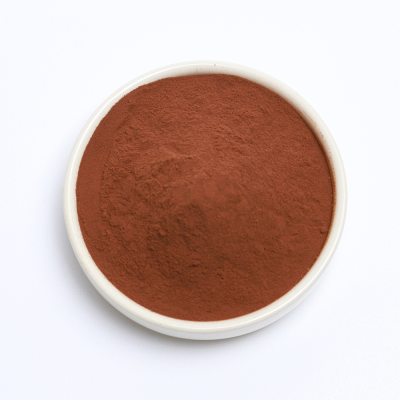
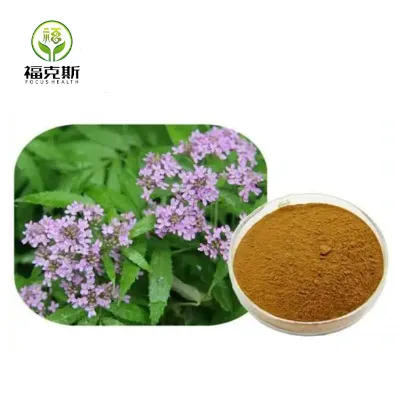
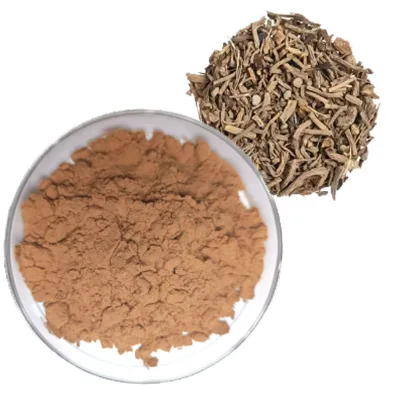
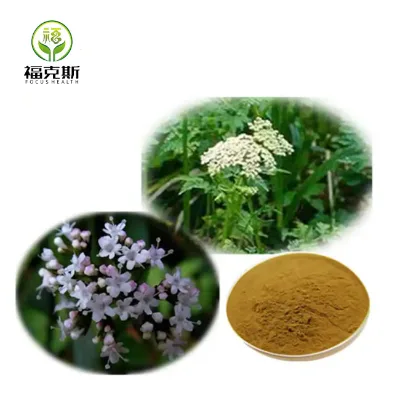
The physical state of the product is a primary logistical consideration. The standard form for Valerian Root Extract in the B2B market is a fine powder, typically described as brown or yellow-brown in appearance. This physical consistency is essential for downstream manufacturing, particularly for capsule filling and tablet compression. The extraction ratio and the resulting powder density directly impact the dosage calculations for end-users. Buyers should not assume that all "Valerian Extract" products are interchangeable; a 0.4% valeric acid extract will require a significantly higher inclusion rate in a final formulation compared to a 0.8% or 1% standard to achieve the same therapeutic effect. Furthermore, the product model or batch code, such as ST-Valerian Extract or SENTIAN-Valerian Root Extract, serves as a unique identifier for traceability but does not inherently guarantee a specific potency without accompanying test certificates.
Compliance Framework and Certification Verification
Navigating the regulatory landscape for herbal supplements requires rigorous verification of certifications, as these documents serve as the primary evidence of a supplier's commitment to quality and safety. In the global market for Valerian Root Extract, the most frequently observed certifications include FDA registration, ISO standards, and HACCP (Hazard Analysis and Critical Control Points). These certifications indicate that the supplier adheres to specific manufacturing and hygiene protocols. However, the presence of these marks should be treated as an observation of the supplier's current status rather than a universal guarantee for every listed product.
Beyond the core trio of FDA, ISO, and HACCP, advanced suppliers may hold additional certifications such as BRC (British Retail Consortium) or RoHS (Restriction of Hazardous Substances). BRC certification is particularly relevant for suppliers targeting European retail markets, as it aligns with strict food safety management systems. RoHS compliance is less common for food-grade botanicals but may appear in listings if the supplier also handles industrial applications or if the certification covers heavy metal limits. Buyers must explicitly request current, valid certificates of analysis (CoA) and certificates of compliance (CoC) for each batch. The absence of a specific certification on a product listing does not necessarily disqualify a supplier, but it necessitates a deeper audit of their quality management system before proceeding with large-scale orders.
Cost Drivers and Economic Parameters
The pricing structure for Valerian Root Extract is influenced by a complex interplay of factors, including extraction ratio, purity, packaging, and order volume. The observed price range in the market spans from $1 to $90 USD, a wide variance that reflects differences in product grade and concentration. A low-cost entry point typically corresponds to lower extraction ratios or bulk packaging with minimal quality assurance overhead. Conversely, higher price points often correlate with specialized assays, such as HPLC-MS (High-Performance Liquid Chromatography-Mass Spectrometry), which provide more granular data on the chemical profile.
Minimum Order Quantity (MOQ) is another significant economic driver. The standard MOQ for Valerian Root Extract is frequently set at 1 kilogram, though some suppliers may accept smaller trial orders or offer samples in the 5g to 20g range. For large-scale industrial procurement, the MOQ can extend to 1000 kilograms, which often triggers volume-based pricing tiers. The packaging format also impacts cost; options include 1kg aluminum foil bags, 5kg bags, or 25kg drums. The choice of packaging affects the unit cost due to material expenses and handling requirements. Additionally, the origin of the raw material plays a role; products sourced from major production hubs like Shanxi or Shaanxi in China may benefit from economies of scale, yet the final cost is heavily dependent on the specific extraction technology and the supplier's production capacity, which is reported to be around 5000 kilograms per month for established facilities.
Typical Applications and Formulation Integration
Valerian Root Extract is a versatile ingredient utilized across multiple sectors, with the primary applications lying in the food, health care products, and medicine industries. The most common application form is the capsule, where the extract is filled into gelatin or vegetarian shells to create a convenient sleep aid. However, the powder form also allows for integration into tablets, gummies, and liquid formulations, provided the solubility and stability of the extract are compatible with the vehicle. The "Health" attribute associated with Valerian Root Extract confirms its suitability for dietary supplements aimed at promoting relaxation and sleep quality.
When formulating products, manufacturers must consider the shelf life and storage requirements of the extract. The standard shelf life for Valerian Root Extract is typically two years, provided it is stored in a cool, dry place. This storage condition is critical to prevent moisture absorption, which can lead to clumping or microbial growth, especially in powder forms. The extraction ratio also dictates the final product's efficacy; a 20:1 extract is highly concentrated and suitable for high-potency capsules, whereas a lower ratio might be used in teas or tinctures. Buyers should ensure that the supplier's stated application forms align with their manufacturing capabilities, as some extracts may require specific processing steps to maintain stability in the final product.
Supplier Evaluation and Operational Logistics
Evaluating a supplier for Valerian Root Extract requires a holistic view of their operational capabilities, including production capacity, logistics, and communication. A reliable supplier should demonstrate a consistent production output, such as the 5000 kilograms per month capacity observed in the market, which ensures supply stability during peak demand periods. The logistics network is equally important; suppliers often offer multiple shipping methods, including express courier (5-7 days), air freight, and sea freight, allowing buyers to balance cost against urgency. The express time of 5-7 days is a standard benchmark for sample delivery, which is crucial for quality verification before bulk ordering.
Payment terms and sample policies are key indicators of a supplier's professionalism. Standard payment methods include Credit Card, T/T (Telegraphic Transfer), PayPal, and Western Union, offering flexibility for different buyer regions. The availability of free samples, typically ranging from 10g to 20g, allows buyers to conduct preliminary quality checks without significant financial risk. However, buyers should verify the sample policy, as some suppliers may charge for shipping even if the product itself is free. The packaging details, such as vacuum packing or foil bags within drums, are essential for maintaining product integrity during transit. A supplier that provides clear transport specifications, such as 1kg/Bag or 25kg/Drum, demonstrates an understanding of the product's sensitivity to environmental factors.
Quality Control and Long-Term Procurement Strategy
Implementing a robust quality control (QC) strategy is paramount when sourcing Valerian Root Extract. The assay methods used by suppliers, such as HPLC (High-Performance Liquid Chromatography), UV (Ultraviolet), GPC (Gel Permeation Chromatography), and HPLC-MS, determine the accuracy of the potency claims. Buyers should insist on CoAs that specify the exact assay method used, as HPLC is generally considered the gold standard for quantifying valeric acid. The standard specification of 0.8% valeric acid or a 98% purity level (depending on the specific product model) must be verified against the CoA for every batch received.
For long-term procurement, establishing a consistent relationship with a supplier who can maintain these quality standards is essential. The variability in product attributes, such as the "Brown Yellow Powder" appearance or the specific "Food Grade" designation, underscores the need for regular quality audits. Buyers should develop a protocol for batch testing upon receipt, focusing on heavy metals, microbial limits, and residual solvents, even if the supplier claims compliance with HACCP and ISO standards. The storage instructions, emphasizing a cool and dry place, must be communicated clearly to the buyer's logistics partners to prevent degradation. By prioritizing suppliers with transparent assay data, reliable production capacity, and flexible logistics, buyers can secure a stable supply chain for Valerian Root Extract that meets the rigorous demands of the sleep wellness market.
Comparative Analysis of Product Attributes
To facilitate informed decision-making, the following table summarizes the key attributes observed in the market for Valerian Root Extract. This comparison highlights the variability in specifications, certifications, and logistical parameters that buyers must navigate.
| Attribute Category | Observed Variations | Key Considerations for Buyers |
|---|---|---|
| Product Name | Valerian Extract, Valerian Root Extract | Ensure the name matches the specific part of the plant used (root vs. generic extract). |
| Assay Method | HPLC, UV, GPC, HPLC-MS | HPLC and HPLC-MS provide higher precision for valeric acid quantification. |
| Standard/Potency | 0.4%, 0.8%, 98%, 20:1 Ratio | Verify the specific marker (valeric acid) and concentration against formulation needs. |
| Certifications | HACCP, FDA, ISO, BRC, RoHS | Confirm current validity; BRC is preferred for European retail; FDA/ISO for general compliance. |
| Packaging | 1kg/Bag, 25kg/Drum, Foil Bag, Vacuum Packed | Check moisture barrier properties; drums are standard for bulk, bags for smaller runs. |
| Origin | Shanxi, China; Shaanxi, China | Regional origin may influence raw material quality and logistics costs. |
| MOQ | 1kg, 1000kg | Align MOQ with initial demand; 1kg is standard for trials, higher for production. |
| Shelf Life | 2 Years | Plan inventory turnover to ensure product efficacy before expiration. |
| Application | Food, Health Care, Medicine, Capsule | Confirm suitability for the intended final product form (e.g., capsule vs. powder). |
This structured approach to sourcing ensures that buyers can effectively evaluate potential suppliers based on objective data rather than marketing claims, ultimately leading to a more reliable and compliant supply chain for Valerian Root Extract.
FAQs
How is the potency of valerian root extract verified?
Potency is verified using High-Performance Liquid Chromatography or UV methods to measure valeric acid content. Specifications typically range from 0.4% to 0.8% valeric acid, ensuring the extract meets the required concentration for sleep formulations.
What certifications do valerian root extract suppliers hold?
Suppliers commonly hold HACCP, FDA, and ISO certifications to ensure safety and quality compliance. Some advanced vendors may also possess BRC or RoHS certifications, which are critical for meeting strict international food and supplement standards.
Which packaging options are available for bulk orders?
Standard packaging includes 1kg aluminum foil bags or 25kg drums for bulk shipments. Vacuum packing is also used to protect the brown yellow powder from moisture, ensuring stability during transport and storage in cool dry places.
Can buyers request free samples before placing large orders?
Yes, most suppliers provide free samples ranging from 5g to 20g for quality verification. These samples allow buyers to test the product's appearance and potency before committing to the standard 1kg minimum order quantity for production.
What is the typical shelf life of valerian root extract?
The product generally maintains a shelf life of two years when stored correctly. Buyers must ensure the extract is kept in a cool and dry place to prevent degradation and maintain the efficacy of the valeric acid content.
How does the extraction ratio affect the final product?
A 20:1 extraction ratio indicates a concentrated form where twenty parts of raw root yield one part of extract. This concentration impacts dosage calculations, as higher ratios require smaller inclusion rates in capsules compared to lower ratio extracts.
Which shipping methods are available for international delivery?
Suppliers offer express courier, air freight, or sea freight depending on urgency and volume. Express delivery typically takes 5 to 7 days for samples, while bulk orders may utilize sea freight to reduce costs for large quantities.