Source Valentines Day Printed Scrunchies for gifts, parties, and daily wear
Explore 30 listings of Valentines Day Printed Scrunchies available from suppliers in Zhejiang, China. Buyers can compare materials like satin and cotton, MOQs ranging from 30 to 1000 pieces, and custom printing options for various occasions.
Key considerations
Products List
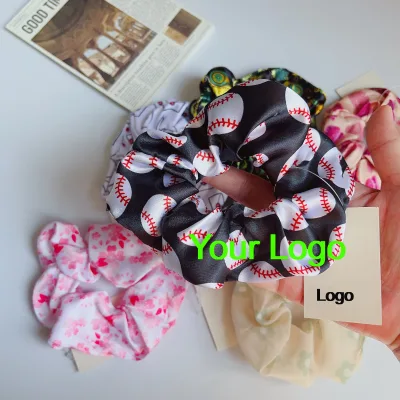
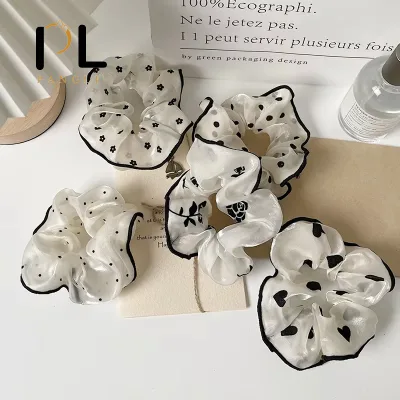
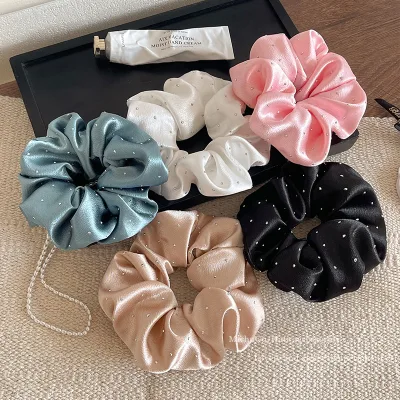
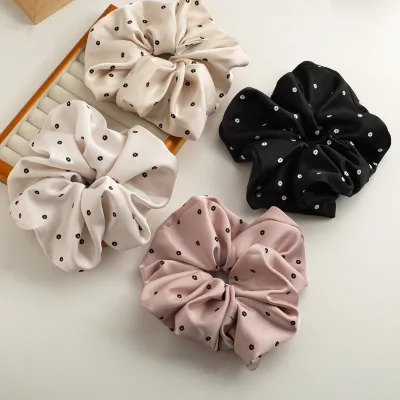



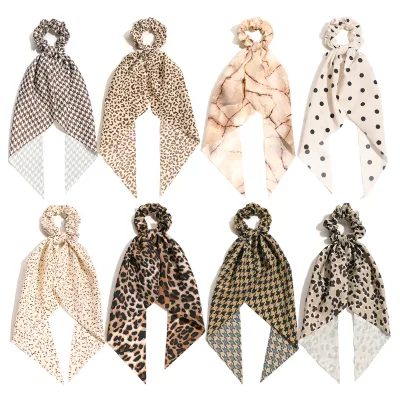
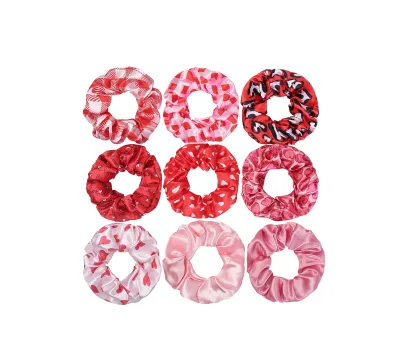
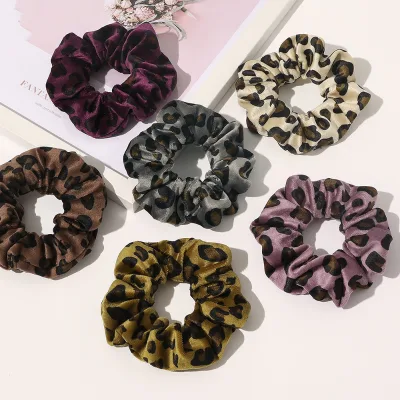
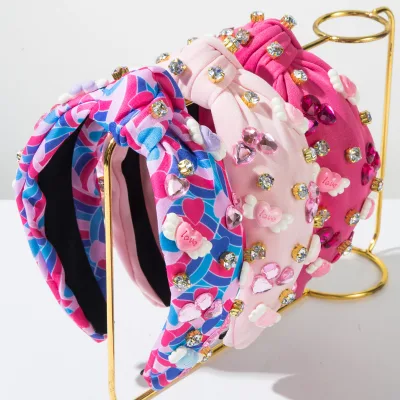
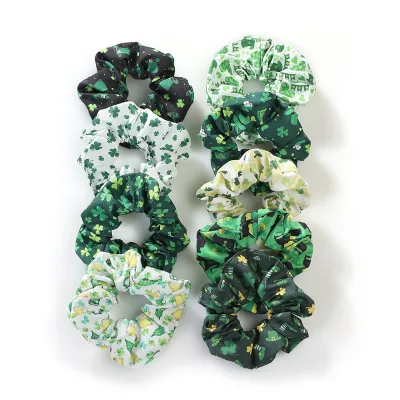
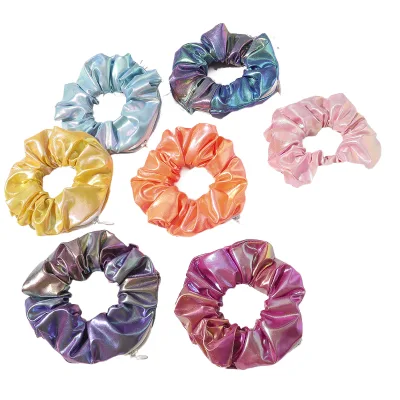
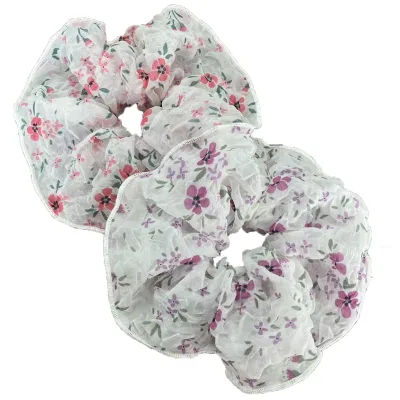
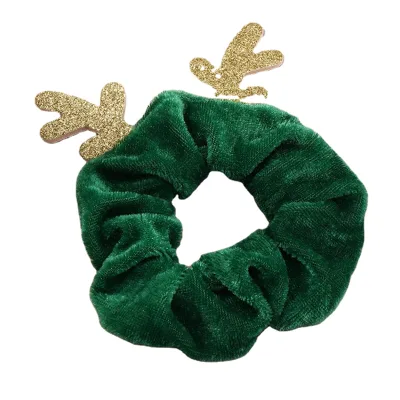
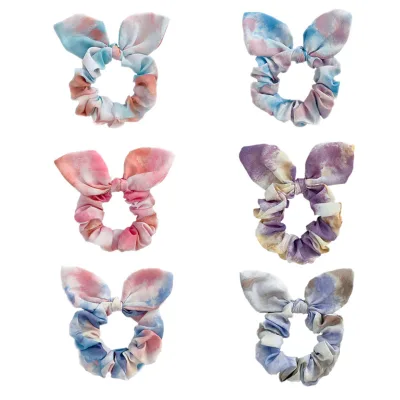
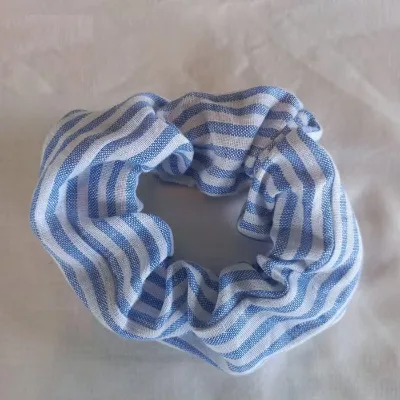
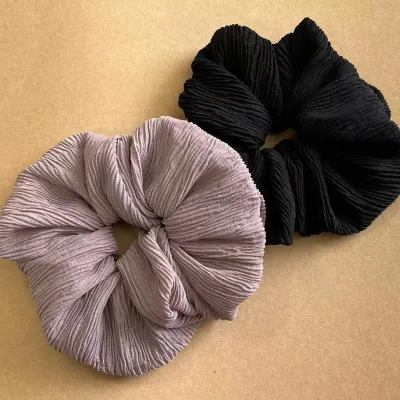


Comprehensive Sourcing Guide
Strategic Sourcing Guide for Valentine's Day Printed Scrunchies
Understanding Product Specifications and Material Variations
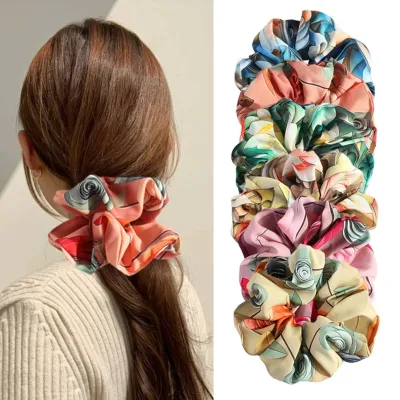
When sourcing printed scrunchies for Valentine's Day, the primary objective is to align product attributes with seasonal aesthetics while maintaining functional integrity. The core product category encompasses hair accessories designed for women, girls, and ladies, often categorized under daily hair wear or festival occasions. The market offers a diverse range of materials that directly influence the final look and feel of the item. Common material compositions observed in the supply chain include satin, cotton, chiffon, and general fabric blends. For a Valentine's Day campaign, satin and chiffon are particularly relevant due to their smooth texture and ability to hold vibrant prints, while cotton offers a more casual, everyday appeal.
Technical specifications vary significantly across different product listings, requiring careful verification before bulk ordering. One critical dimension is the circumference of the hair tie. Data indicates that standard headband circumferences often range between 6 cm and 6.5 cm, though custom sizing is frequently available to accommodate different hair volumes. The physical dimensions of the single package are equally important for logistics planning. Observed package sizes include dimensions such as 10.0 x 10.0 x 2.0 cm, 10.0 x 10.0 x 0.5 cm, and 20.0 x 20.0 x 1.0 cm. These variations impact shipping costs and storage requirements. Additionally, the weight of individual units is a factor in freight calculations, with single gross weights ranging from 0.015 kg to 0.06 kg depending on the material density and size.
The visual design elements are central to the Valentine's Day theme. While some listings specify "solid color" as an element, the core keyword suggests a need for custom printing capabilities. Buyers should verify if the supplier offers specific design elements such as flowers, which are traditional for the holiday, or if the product relies on general color palettes like #1, #2, #3, #4, 5, and 6 to represent a range of reds and pinks. The "High Tenacity" feature is a crucial technical attribute to confirm, ensuring that the scrunchies can withstand the tension of holding hair without tearing, which is essential for a product marketed as a functional hair decoration.
Compliance, Certification, and Safety Verification
In the realm of B2B procurement for hair accessories, compliance and safety are non-negotiable, even for low-cost items. While the provided product data does not explicitly list specific certification numbers or test results, buyers must understand that the absence of listed certifications does not imply non-compliance; rather, it indicates a need for active verification. For products intended for the global market, particularly those involving children or general public use, compliance with regional safety standards is mandatory.
Buyers should request documentation regarding chemical safety, specifically focusing on the materials used. Since the materials include satin, cotton, and chiffon, the dyes and printing inks used for the Valentine's Day designs must be free from harmful substances such as azo dyes or heavy metals. The "Custom printing" aspect introduces a variable risk; the printing process must adhere to strict environmental and safety regulations. Buyers should verify that the supplier follows recognized standards for textile safety, such as those set by the OEKO-TEX Standard 100, which ensures that the final product is free from harmful substances.
Furthermore, the manufacturing origin plays a role in compliance. The data indicates that products originate from Zhejiang, China, a major hub for textile manufacturing. While this region is known for efficiency, buyers must ensure that the specific factory adheres to local labor laws and international trade compliance standards. Although specific certification statuses are not provided in the source data, the procurement strategy must include a request for third-party test reports. These reports should cover flammability, colorfastness, and mechanical strength to ensure the product meets the safety expectations of the target market. Without these verified documents, the risk of product recalls or customs delays increases significantly.
Cost Drivers and Pricing Dynamics
The pricing structure for printed scrunchies is influenced by several interconnected factors, including material selection, customization complexity, and order volume. The observed listed price range in the market spans from 0.1 to 5 USD per unit. This wide variance suggests that price is not a linear function of the product but is heavily dependent on the specific attributes chosen by the buyer.
Material cost is a primary driver. Satin and chiffon generally command higher prices than standard cotton or fabric blends due to the cost of the raw fibers and the finishing processes required to achieve the desired sheen and texture. The "High Tenacity" feature, while desirable, may also add to the cost if it requires higher-grade yarns or reinforced stitching techniques. Additionally, the customization aspect is a significant cost variable. Products offering "Custom printing" and "OEM/ODM" services typically incur higher unit costs compared to standard off-the-shelf items. The complexity of the print design, the number of colors used (ranging from single colors to multi-color palettes), and the printing technique (e.g., screen printing vs. digital printing) all contribute to the final price.
Order volume is another critical cost driver. The Minimum Order Quantity (MOQ) observed in the market ranges from 30 pcs to 1000 pcs. Suppliers with lower MOQs, such as 30 pcs, may charge a premium per unit to cover the setup costs of small batches. Conversely, larger orders allow for economies of scale, potentially bringing the unit price closer to the lower end of the 0.1-5 USD range. Buyers must balance the need for inventory flexibility with the desire for lower unit costs. The "Selling Units" are typically listed as single items, but the actual transaction is often based on bulk quantities. Understanding the tiered pricing structure is essential for budgeting, as the cost per unit can fluctuate dramatically based on the chosen MOQ.
Typical Applications and Seasonal Market Fit
The application of printed scrunchies extends beyond simple hair retention; they serve as fashion accessories and promotional tools. The primary usage is identified as "Girl Hair Decoration" and "hair decoration" for women and ladies. For Valentine's Day, the application shifts towards gifting and seasonal fashion. The "Daily" and "Festival" occasions listed in the product attributes indicate versatility. While daily wear requires durability and comfort, festival wear, such as Valentine's Day events, prioritizes aesthetic appeal and thematic relevance.
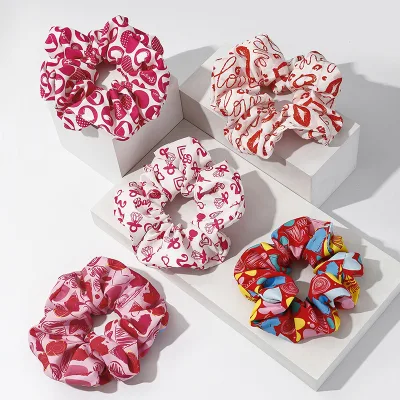
The "Fashion" style and "attractive" features highlight the product's role as a trend-driven accessory. In the context of Valentine's Day, the product serves as a low-cost, high-impact gift item. The ability to customize the print allows brands to create unique designs featuring hearts, roses, or specific color schemes associated with the holiday. The "oversize" variant, with a size of 12 cm, offers a different application, catering to those who prefer a more substantial hair tie that can also serve as a statement piece. The "glitter" variant adds a festive touch, making it suitable for evening events or parties.
The target demographic includes women, girls, and ladies, suggesting a broad market reach. The product's suitability for "Daily Hair Wear" ensures that it remains relevant beyond the holiday, providing long-term value for retailers. The "ponytail holder" function is a practical application that appeals to users with long hair, while the "Head Decration" aspect emphasizes its role as a decorative element. Understanding these applications helps buyers tailor their sourcing strategy to meet specific customer needs, whether they are targeting the mass market for daily use or the niche market for seasonal gifts.
Supplier Evaluation and Operational Capabilities
Selecting the right supplier is critical for ensuring product quality and timely delivery. The data indicates that suppliers in Zhejiang, China, offer a range of capabilities, including OEM and ODM services. The acceptance of "OEM/ODM" suggests that suppliers are willing to customize designs, packaging, and branding, which is essential for Valentine's Day campaigns. Buyers should evaluate suppliers based on their ability to handle custom orders, their responsiveness to design changes, and their track record for meeting deadlines.
The "Delivery Time" is a key operational metric. Observed lead times range from 5 to 7 days, which is relatively short and indicates a responsive supply chain. However, buyers must verify if this lead time applies to sample production or bulk orders, as bulk production often requires more time. The "Payment" terms, including "Trade Assurance" and "T/T" (Telegraphic Transfer), provide a framework for financial security. Trade Assurance offers a layer of protection for buyers, ensuring that funds are released only upon satisfactory delivery.
Supplier evaluation should also consider the "Keyword" relevance and product range. Suppliers specializing in "scrunchies custom print" or "women hair scrunchies" are more likely to have the expertise required for high-quality Valentine's Day products. The "Brand Name" associated with the products, such as YOKO or PL, can indicate the level of brand recognition and quality control. Buyers should request samples to assess the quality of the print, the durability of the material, and the overall finish. Additionally, the "Shipping" options, including DHL, UPS, FedEx, EMS, and Ocean freight, provide flexibility in logistics. Buyers should compare these options to find the most cost-effective and reliable method for their specific needs.
Quality Control and Long-Term Procurement Considerations
Maintaining consistent quality is paramount for long-term success in the hair accessory market. The "High Tenacity" feature is a critical quality indicator, but it must be verified through physical testing. Buyers should implement a quality control protocol that includes checking the tensile strength of the scrunchies, the colorfastness of the print, and the consistency of the stitching. The "Single gross weight" and "Single package size" data points can be used to verify that the received goods match the specifications, ensuring that there are no discrepancies in material usage or packaging.
For long-term procurement, buyers should consider the scalability of the supplier. The ability to handle increasing order volumes without compromising quality is essential. The "MOQ" range of 1-1000 pcs suggests that suppliers can accommodate both small test orders and large-scale production runs. However, buyers should establish a clear communication channel with the supplier to discuss future needs and potential adjustments to the product line. The "Custom size" option for headband circumference indicates a willingness to adapt to specific market demands, which is a positive sign for long-term partnership.
Sustainability is another growing consideration in the procurement of hair accessories. While not explicitly mentioned in the product data, buyers should inquire about the environmental impact of the materials and printing processes. Using eco-friendly dyes and sustainable fabrics can enhance the brand's reputation and appeal to environmentally conscious consumers. Finally, buyers should monitor market trends and consumer feedback to continuously refine their product offerings. The "Elements" such as "Solid Color" or "Flowers" should be updated based on seasonal trends to ensure the product remains relevant and competitive in the Valentine's Day market.
FAQs
What materials are used for Valentines Day Printed Scrunchies?
Common materials include satin, cotton, and chiffon blends. These fabrics offer different textures, with satin and chiffon providing smooth surfaces ideal for vibrant custom printing designs.
How much is the minimum order quantity for custom scrunchies?
Minimum order quantities typically range from 30 to 1000 pieces depending on the supplier. Lower MOQs like 30 pieces allow for smaller test batches, while larger orders may reduce unit costs.
Can suppliers accept OEM and ODM orders for these items?
Yes, most suppliers accept OEM and ODM services for custom printing and branding. This allows buyers to specify unique designs, colors, and packaging tailored to their specific Valentine's Day campaigns.
Where are these hair accessories manufactured and shipped from?
Products are primarily manufactured in Zhejiang, China. Shipping options include major carriers like DHL, UPS, FedEx, and EMS, with delivery times often ranging from 5 to 7 days for samples.
What are the typical package dimensions and weight for one unit?
Single package sizes vary from 10x10x0.5 cm to 20x20x1.0 cm with weights between 0.015 kg and 0.06 kg. These dimensions help logistics planners estimate shipping costs and storage requirements accurately.
Which payment methods are accepted for bulk orders?
Accepted payment methods include Trade Assurance and Telegraphic Transfer (T/T). Trade Assurance provides buyer protection, ensuring funds are released only after satisfactory delivery of the goods.
What customization options are available for the headband circumference?
Custom sizes are available for the headband circumference, which typically ranges from 6 cm to 6.5 cm. Buyers can request specific dimensions to accommodate different hair volumes or styles.