Source Vaginal Tightening HIFU Machine for Salon, Home, and Clinic
Explore 30 listings for the Vaginal Tightening HIFU Machine, featuring adjustable energy levels, multiple cartridge depths, and CE certifications. Buyers can compare specifications like voltage, frequency, and warranty terms to find suitable equipment for salon, home, or clinic use.
Key considerations
Products List


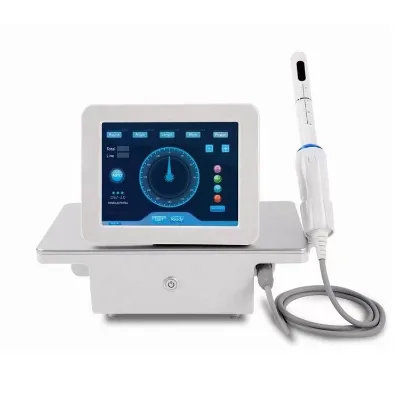
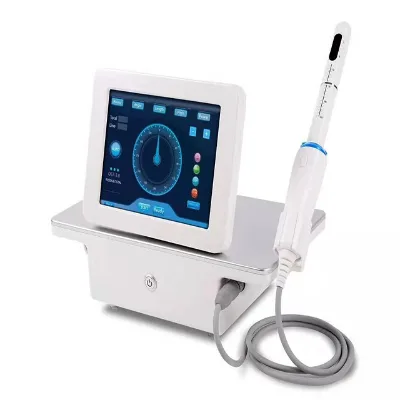


Portable 2 in 1 Hifu Face Lifting and Vaginal Tightening Machine for Fat Reduction
$818.00 - $850.00
MOQ: 1 Pieces

Portable 2 in 1 4D Hifu Face Lift Vaginal Tightening Machine for Skin Tightening
$1100.00 - $1200.00
MOQ: 1 Pieces

Portable 2 in 1 4D Hifu Face Lift Vaginal Tightening Machine for Skin Tightening
$1070.00 - $1188.00
MOQ: 1 Pieces

Portable Face Lifting Hifu Vaginal Tightening 2 in 1 Beauty Machine for Women
$760.00 - $798.00
MOQ: 1 Pieces


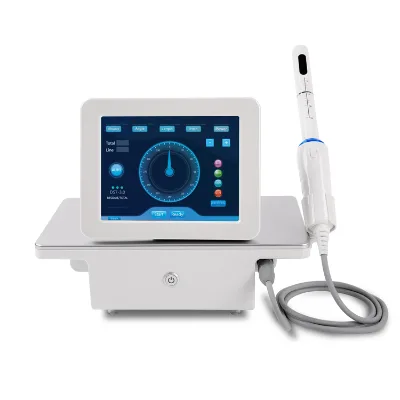


Hifu Machine Wrinkle Remover Face Lifting Vaginal Tightening Anti Wrinkle 5D Hifu
$2500.00 - $3100.00
MOQ: 1 Pieces

Comprehensive Sourcing Guide
Strategic Sourcing Guide for Vaginal Tightening HIFU Machines
The global demand for non-invasive aesthetic and gynecological wellness solutions has driven significant interest in High-Intensity Focused Ultrasound (HIFU) technology. For procurement professionals in the beauty and medical device sectors, sourcing a Vaginal Tightening HIFU Machine requires a disciplined approach that balances technical efficacy with regulatory compliance. This guide synthesizes observed market data and technical specifications to provide a framework for evaluating suppliers and selecting equipment that meets rigorous operational standards. The focus remains on evidence-based attributes, ensuring that procurement decisions are grounded in verifiable product characteristics rather than marketing assertions.
Technical Architecture and Ultrasound Parameters
Understanding the core technology is the first step in the evaluation process. The primary mechanism for these devices is High-Intensity Focused Ultrasound, which delivers focused acoustic energy to specific tissue depths without damaging the surface. In the current market, observed specifications indicate that effective units typically operate with frequencies ranging from 4MHz to 10MHz. This range allows for targeted treatment of different tissue layers, with lower frequencies generally penetrating deeper to address structural support and higher frequencies targeting more superficial layers.
The energy output is a critical variable for both safety and efficacy. Data from available models suggests an adjustable energy range of 0.1J to 1.5J. This adjustability is essential for tailoring treatments to individual patient needs and specific anatomical considerations. The focal length, which determines the precise depth of energy delivery, is observed to be adjustable between 5mm and 25mm. This wide range accommodates the anatomical variations inherent in vaginal tightening procedures.
Probe configuration is another defining technical characteristic. Successful units often include a set of treatment cartridges or probes designed for specific depths. Common configurations include face cartridges at 1.5mm, 2.0mm, 3.0mm, and 4.5mm, alongside body cartridges at 6.0mm, 9.0mm, 10.0mm, 13.0mm, and 16.0mm. For vaginal applications specifically, the treatment probes are often optimized for depths such as 3.0mm and 4.5mm, with some systems offering a gap of 1.0mm between focal points. The total shot capacity is a key durability metric; observed units typically offer a cartridge life of 20,000 shots, with specific handles rated for 5,000 shots. Buyers must verify that the total system capacity aligns with their projected patient volume to avoid premature hardware replacement.
Regulatory Compliance and Certification Verification
In the medical and aesthetic device sector, certification is not merely a formality but a prerequisite for market entry and liability protection. Procurement teams must rigorously verify that the supplier provides valid documentation for international standards. The most frequently observed certifications for these devices include CE, RoHS, and ISO13485. The CE mark indicates conformity with health, safety, and environmental protection standards for products sold within the European Economic Area. RoHS compliance ensures the device is free from specific hazardous materials, which is crucial for environmental and worker safety.
ISO13485 is particularly significant as it represents the international standard for quality management systems specific to medical devices. Possession of this certification suggests that the manufacturer adheres to a structured quality assurance process throughout the product lifecycle. However, buyers should treat the presence of these certifications as a starting point for verification rather than a guarantee of compliance in their specific jurisdiction. Local regulatory bodies may have additional requirements that supersede or supplement these international marks. It is imperative to request current, valid certificates and cross-reference them with the issuing authority to ensure authenticity.
Cost Drivers and Pricing Structures
The pricing landscape for HIFU machines is influenced by a complex array of factors, including technology maturity, build quality, and the scope of included accessories. Market observations indicate a price range between $390 and $6,000 USD. This wide variance reflects differences in specifications, such as the size of the display screen, the number of included cartridges, and the robustness of the housing. Lower-priced units may feature smaller displays, fewer frequency options, or basic packaging, while higher-priced models often include advanced features like 15-inch touch screens, multiple frequency modes, and premium packaging.
The Minimum Order Quantity (MOQ) is another critical cost driver. In the current market, many suppliers offer an MOQ of 1 unit, facilitating entry for smaller clinics or individual practitioners. However, buyers should be aware that unit pricing often decreases with volume, even if the stated MOQ is low. Additional cost considerations include the price of replacement cartridges, which are consumable items that deplete over time. A unit with a high shot capacity (e.g., 20,000 shots) may have a higher upfront cost but a lower long-term cost per treatment compared to a unit with lower capacity.
Operational Applications and Versatility
While the core keyword focuses on vaginal tightening, the technology is often marketed as multi-functional. Many observed units are designed to serve dual purposes, addressing both facial rejuvenation and body contouring. The ability to switch between face cartridges (1.5mm to 4.5mm) and body cartridges (6.0mm to 16.0mm) allows a single device to treat wrinkles, lift facial tissues, and tighten vaginal tissues. This versatility is a significant value proposition for salons and clinics looking to maximize equipment utility.
The application scope extends beyond simple tightening. The technology is also utilized for vaginal rejuvenation, aiming to improve tissue elasticity and overall function. The device's ability to deliver precise energy at specific depths makes it suitable for these delicate procedures. However, the distinction between "Salon" and "Medical" applications is crucial. While some listings suggest the device is suitable for home use, the complexity of the procedure and the need for precise depth control often necessitate professional operation. Buyers must clearly define the intended user base to ensure the training and supervision protocols match the device's complexity.
Supplier Evaluation and Product Specifications
When evaluating potential suppliers, buyers should scrutinize the detailed specifications provided in product listings. Key attributes to verify include the voltage compatibility, which is typically AC110V-240V at 50/60Hz, ensuring global usability. The power consumption, often listed around 200W, impacts the electrical infrastructure requirements of the facility. The physical dimensions and weight are also vital for logistics planning; observed units may weigh approximately 8.1kg and require specific packing dimensions, such as 640mm x 540mm x 370mm for the device itself.
Packaging standards vary, with options ranging from wooden cases to aluminum boxes. The choice of packaging affects the safety of the device during transit and the ease of setup at the destination. A wooden case often provides superior protection for heavy machinery, while aluminum boxes may offer a more modern aesthetic. Buyers should also check the warranty terms, which typically range from 12 months to 1 year. A comprehensive warranty should cover both the main unit and critical components like the transducer or probe.
Quality Control and Long-Term Procurement Considerations
Quality control extends beyond the initial purchase. Buyers must establish a protocol for verifying the performance of the device upon arrival. This includes testing the energy output, checking the accuracy of the depth settings, and ensuring the touch screen interface functions correctly. The presence of a rotating angle feature, observed in some models between 5 and 25 degrees, can enhance the ergonomics of the treatment, reducing operator fatigue and improving precision.
Long-term procurement considerations involve the availability of spare parts and consumables. The treatment cartridges are consumable items that will eventually need replacement. A supplier with a reliable supply chain for cartridges is essential to maintain operational continuity. Additionally, the software update policy should be clarified; devices with digital pulse modes may require firmware updates to maintain safety and efficacy standards.
The following table summarizes key technical specifications observed in the market to assist in comparative analysis:
| Specification Category | Observed Range / Value | Notes for Verification |
|---|---|---|
| Technology | HIFU (High-Intensity Focused Ultrasound) | Verify focal depth accuracy |
| Frequency | 4MHz, 7MHz, 10MHz | Ensure adjustable modes |
| Energy Output | 0.1J - 1.5J (Adjustable) | Confirm calibration stability |
| Focal Length | 5mm - 25mm (Adjustable) | Check depth control mechanism |
| Cartridge Life | 5,000 - 20,000 Shots | Calculate cost per treatment |
| Voltage | 110V - 240V, 50/60Hz | Match with local grid |
| Display | 15.0 Inches Touch Screen | Verify responsiveness |
| Warranty | 1 Year (12 Months) | Review coverage exclusions |
| Origin | China (Guangdong) | Check export compliance |
Final Procurement Strategy
Sourcing a Vaginal Tightening HIFU Machine requires a balance of technical due diligence and commercial pragmatism. Buyers must prioritize devices that offer verified certifications, adjustable parameters for safety, and a clear supply chain for consumables. The wide range of prices and specifications necessitates a detailed comparison against the specific operational needs of the facility. By focusing on the core technical attributes—such as frequency, energy range, and focal length—rather than marketing claims, procurement teams can secure equipment that delivers consistent, safe, and effective results. Ultimately, the goal is to invest in a system that not only meets immediate clinical needs but also supports long-term business growth through reliability and regulatory compliance.
FAQs
What certifications do vaginal tightening hifu machines typically have?
These machines typically hold CE, RoHS, and ISO13485 certifications. Buyers must verify that these documents are current and valid for their specific jurisdiction before purchasing.
How many shots can the cartridges last on these devices?
Cartridges generally offer a capacity of 20,000 shots per unit, with specific handles rated for 5,000 shots. This capacity determines the long-term cost per treatment for clinics.
Which energy ranges are adjustable on these machines?
The energy output is adjustable between 0.1J and 1.5J to tailor treatments. This range allows for safe application on different tissue depths during vaginal tightening procedures.
Can these machines be used in both salons and homes?
Some listings indicate suitability for both salon and home applications. However, professional operation is often required due to the complexity of precise depth control and safety protocols.
What voltage compatibility do these devices support globally?
Devices support AC110V to 240V at 50Hz or 60Hz frequencies. This wide range ensures global usability without requiring additional voltage converters for most international markets.
How is the focal length adjusted for different treatments?
The focal length is adjustable between 5mm and 25mm to target specific tissue layers. This adjustability accommodates anatomical variations inherent in vaginal tightening and rejuvenation procedures.
What warranty periods are standard for these units?
Standard warranty periods typically range from 12 months to one year. Buyers should review coverage exclusions to ensure protection for both the main unit and critical components.