Source Vegan Soft Touch Makeup Brush for Home, Travel, Salons
Compare 30 listings for the Vegan Soft Touch Makeup Brush, featuring ABS, PS, and Nylon materials with customized options for home, travel, or professional salon use. Buyers can review specifications like bristle length and packing details to find suitable suppliers.
Key considerations
Products List


Portable Vegan Make up Brush Set Powder Foundation Kit with Bag Makeup Brush
$1.50 - $3.50
MOQ: 1000 Pieces


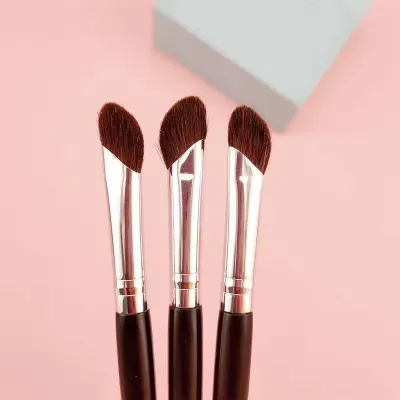
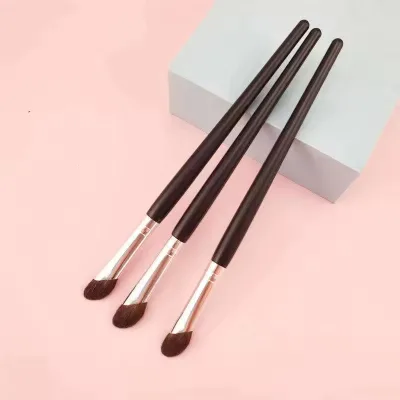
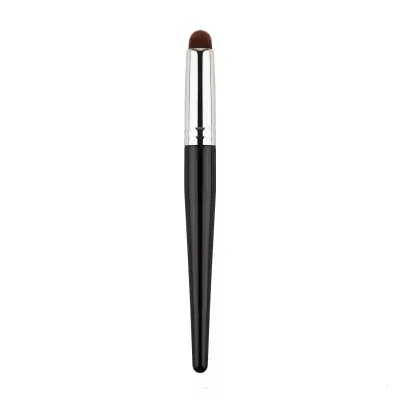
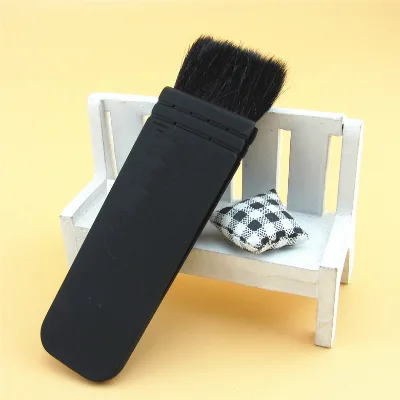
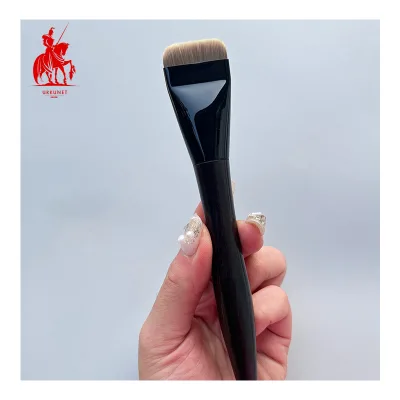
Foundation Makeup Tools No. 55 Black and Pink Softly Touch Cosmetic Brush
$1.09 - $1.93
MOQ: 5000 Pieces

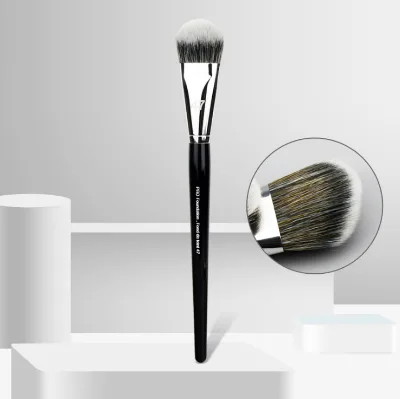
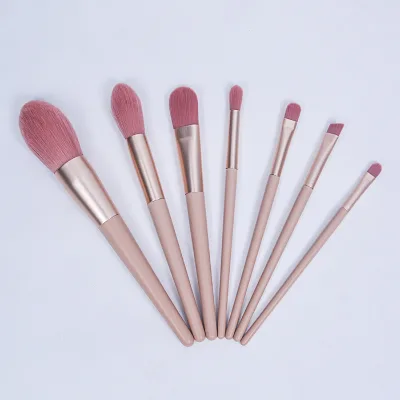
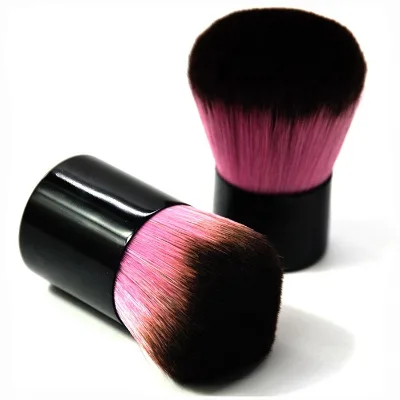

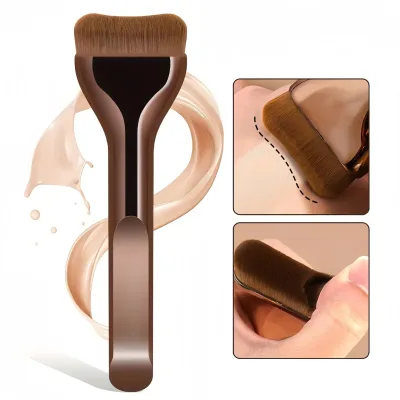


Comprehensive Sourcing Guide
Sourcing Strategy for Vegan Soft Touch Makeup Brushes
Understanding Material Composition and Vegan Verification
When sourcing a Vegan Soft Touch Makeup Brush, the primary focus must be on the material composition of both the bristles and the handle. The term "vegan" in this context strictly implies that no animal-derived materials, such as natural goat hair, squirrel hair, or badger hair, are used in the construction. Based on the available product data, the industry standard for vegan bristles is synthetic Nylon. This material is explicitly listed in the provided specifications as the primary brush material for several models, ensuring a cruelty-free profile. The "soft touch" attribute is often achieved through the specific processing of these synthetic fibers, which are engineered to mimic the feel of natural hair while maintaining durability and ease of cleaning.
The handle material presents another critical variable for the buyer. While some products in the dataset utilize ABS and PS (Polystyrene) plastics, others feature Wood handles. For a strictly vegan procurement strategy, the wood must be sourced from sustainable, non-animal-derived sources, which is generally a safe assumption, but the finish and adhesives used should also be verified. The dataset indicates a material composition of "ABS + PS + Nylon" for specific models, suggesting a robust plastic construction that is inherently vegan. Buyers should request material safety data sheets (MSDS) to confirm that no animal-based glues or binders are used in the ferrule (the metal part connecting bristles to the handle) or the handle itself. The "Grip Feeling" is described as "Lightweight and Comfortable," a subjective attribute that correlates well with the use of high-grade plastics and nylon, which offer a balance of weight and tactile softness.
Technical Specifications and Dimensional Standards
Precision in technical specifications is vital for ensuring the brush performs as intended for its specific application. The provided data reveals a wide range of dimensions, indicating that "one size does not fit all" for makeup brushes. For instance, specific models list a diameter of 4.5 cm, while others are defined by a standard size of 12 cm. Bristle length is another critical specification, with observed values such as 3.0 cm. These dimensions directly influence the brush's function, whether it is designed for broad powder application or detailed eyebrow work. The dataset explicitly mentions "Eyebrow Makeup" as a usage category, which typically requires shorter, denser bristles compared to the larger, fluffier brushes used for face powder or blush.
The physical weight of the product is also a significant factor in user experience. One observed specification lists a weight of 74 grams, which serves as a benchmark for a standard-sized set or individual brush. However, the "Lightweight and Comfortable" grip feeling suggests that manufacturers are actively engineering products to reduce mass without sacrificing structural integrity. Buyers should verify the weight specifications for their specific order, as heavier brushes can cause hand fatigue during professional salon use, while lighter brushes are preferred for travel. The standard dimensions provided, such as 10.2 x 4.5 x 3 cm or 5.8 x 4.8 x 3.6 cm, refer to the packaging or the brush set dimensions rather than the brush head itself. It is essential to distinguish between the product's physical size and its packaging footprint to ensure efficient logistics planning.
Application Scenarios and User Suitability
The versatility of vegan soft touch makeup brushes allows them to serve a broad spectrum of applications, from daily home use to professional salon environments. The data indicates that these products are suitable for "Home Use, Travel, or Professional Salons," highlighting their adaptability. Specific models are tailored for "Beauty Care Makeup Tools" and "Professional and Daily Makeup," suggesting that the same product line can cater to both the retail consumer and the B2B professional market. The "Function" is sometimes categorized as a "Beginner Brush," implying that the soft touch and ease of use make them ideal for those new to makeup application, while other listings emphasize "Luxury, Professional, High Quality" attributes for more demanding users.
The "Suitable Users" are listed as "General Users," which reinforces the mass-market appeal of these items. However, the distinction between "Face" usage and "Eyebrow Makeup" usage is critical for buyers segmenting their inventory. A brush designed for eyebrows will have a different bristle density and shape than one designed for face powder. The dataset confirms the existence of brushes specifically for "Eyebrow Makeup," which often require a stiffer yet soft synthetic bristle to define the brow shape without smudging. Conversely, face brushes prioritize softness and blendability. When sourcing, buyers must align the technical specifications with the intended application to avoid mismatches between product performance and customer expectations.
Cost Drivers and Pricing Dynamics
The pricing for vegan makeup brushes is influenced by several factors, including material costs, customization levels, and order volume. The observed price range in the market spans from $0.19 to $18.61 USD. This wide disparity suggests that the cost is heavily dependent on the complexity of the design, the quality of the nylon bristles, and the level of customization. Lower-priced items likely represent basic, unbranded brushes with standard packaging, while higher-priced items may include premium packaging, custom logos, or specialized bristle technologies.
The Minimum Order Quantity (MOQ) is another significant cost driver, with observed ranges from 10 to 5,000 units. A lower MOQ of 10 units allows for smaller buyers to test the market with minimal risk, but the per-unit cost will likely be higher. Conversely, larger orders of 5,000 units can leverage economies of scale to reduce the per-unit price, potentially bringing the cost closer to the lower end of the observed range. Customization is a major factor; the data confirms that "Customization" and "Private Logo" options are available. Adding a custom logo, selecting a specific color, or designing a unique handle shape will increase the unit cost and may require a higher MOQ to justify the setup costs for the manufacturer. Buyers must balance the desire for customization with budget constraints to optimize their procurement strategy.
Supplier Evaluation and Customization Capabilities
Evaluating suppliers requires a deep dive into their production capabilities and flexibility. The dataset highlights that "Customization" is available, and "OEM" (Original Equipment Manufacturer) services are welcomed. This indicates that suppliers are capable of producing private label goods, which is essential for brands looking to establish a unique identity. The ability to accept "Customer Logo" and offer "Custom Made" packing further supports the notion that these suppliers are geared towards B2B relationships rather than just selling generic stock.
When selecting a supplier, buyers should verify their capacity to handle specific material requests, such as the "ABS + PS + Nylon" or "Wood" handle options. The "Quality" attribute is described as "Good" and "100% Checked" in the provided data, which suggests a baseline level of inspection. However, buyers should not rely solely on these general statements. Instead, they should request detailed quality control protocols, including how the "100% Checked" process is executed. The "Packing" options vary from "OPP Bag" to "Carton" and "Custom Made," indicating that suppliers can adapt their packaging to meet specific branding or shipping requirements. The "Product Origin" is listed as China, which is a common hub for cosmetic tool manufacturing, offering a competitive advantage in terms of supply chain efficiency and cost.
Quality Control and Compliance Verification
Ensuring product quality and compliance is paramount in the cosmetics industry. While the dataset mentions "Quality: Good" and "100% Checked," these are internal claims that require external verification. Buyers should implement a rigorous quality control process that includes pre-shipment inspections. Key areas to inspect include the density and softness of the Nylon bristles, the stability of the ferrule, and the finish of the handle. The "Feature" of being "Skin-Friendly" is a critical claim that must be substantiated. Buyers should request test reports or certificates confirming that the materials are non-toxic and hypoallergenic, especially since these brushes come into direct contact with the skin.
Regarding certifications, the dataset mentions "FSC" in a low-confidence background section. Buyers should not assume that any specific product is FSC certified unless explicitly stated in the supplier's documentation. For a vegan product, the most relevant certifications would be cruelty-free certifications (such as Leaping Bunny) or vegan-specific endorsements. Since the data does not confirm these, buyers must actively ask suppliers for proof of their vegan status and any relevant ethical sourcing certifications. The "Standard" dimensions and weights provided in the data serve as a baseline for consistency, but buyers should ensure that the supplier maintains strict tolerances to prevent variations that could affect the final product's performance.
Long-Term Procurement and Supply Chain Stability
Sourcing vegan soft touch makeup brushes is not just a one-time transaction but a long-term partnership that requires careful planning. The "Lead Time" and "MOQ" are critical factors in supply chain stability. With MOQs ranging from 10 to 5,000, buyers must forecast their demand accurately to avoid stockouts or overstocking. The "Qty/CTN" (Quantity per Carton) is listed as "Tba" (To Be Advised) in some cases, which means buyers need to clarify this with the supplier to optimize shipping costs and storage space.
Long-term considerations also include the scalability of the supplier. As a brand grows, the ability to increase order volumes without compromising quality or lead times is essential. The "Customization" options allow for product evolution, enabling brands to introduce new colors or designs in response to market trends. However, frequent changes in design can disrupt the supply chain. Buyers should establish a clear communication channel with their supplier to manage these changes efficiently. Additionally, the "Product Origin" being China suggests that buyers should be aware of potential geopolitical or logistical risks and have contingency plans in place. Regular audits and relationship building with the supplier will help ensure a stable and reliable supply of high-quality vegan makeup brushes.
Summary of Key Specifications and Attributes
To facilitate a clear comparison of the available options, the following table summarizes the key attributes observed in the product data. This overview helps buyers quickly identify the specifications that align with their specific sourcing needs.
| Attribute Category | Observed Values / Options | Relevance to Sourcing |
|---|---|---|
| Bristle Material | Nylon, Plastic | Confirms vegan status; Nylon is preferred for softness. |
| Handle Material | ABS + PS, Wood | Determines weight, grip, and aesthetic appeal. |
| Product Usage | Face, Eyebrow, Home, Travel, Salon | Guides selection based on target customer segment. |
| Dimensions | D4.5 Cm, 12cm, 3.0 Cm Bristle Length | Critical for functional performance and packaging. |
| Weight | 74G (Example) | Affects user comfort and shipping costs. |
| Customization | Logo, Color, Packing, OEM | Essential for branding and private label strategies. |
| Packaging | OPP Bag, Carton, Custom Made | Impacts product presentation and logistics efficiency. |
| Origin | China | Indicates manufacturing hub and potential lead times. |
| Quality Claims | 100% Checked, Skin-Friendly, Good | Requires verification through third-party testing. |
By carefully analyzing these specifications and adhering to the verification steps outlined above, buyers can successfully source high-quality, vegan soft touch makeup brushes that meet both their commercial and ethical standards. The flexibility in customization and the wide range of specifications available in the market provide ample opportunities for differentiation and brand growth.
FAQs
What materials are used for vegan soft touch makeup brushes?
Vegan soft touch makeup brushes typically use Nylon bristles and handles made from ABS, PS plastic, or wood. These synthetic materials ensure a cruelty-free profile while mimicking the soft feel of natural hair. Some models also feature a combination of ABS and PS for durability.
Can I customize the logo and packaging for these brushes?
Yes, customization is available for private logos and custom-made packaging options like OPP bags or cartons. Suppliers welcome OEM services, allowing buyers to select specific colors and designs. This flexibility supports branding needs for both retail and professional salon markets.
What is the typical MOQ for ordering vegan makeup brushes?
The minimum order quantity ranges from 10 to 5,000 units depending on the supplier and customization level. Lower MOQs allow for market testing with minimal risk, while larger orders leverage economies of scale. Buyers should verify specific MOQ requirements before placing an order.
Which brush sizes are available for face and eyebrow application?
Available specifications include diameters of 4.5 cm and standard sizes of 12 cm, with bristle lengths around 3.0 cm. Specific models are designed for eyebrow makeup, while others suit general face application. Dimensions vary by model to meet different functional requirements.
How is the quality of these brushes verified before shipping?
Products undergo a 100% checking process to ensure good quality and skin-friendly features. Manufacturers inspect bristle density, handle stability, and overall finish. Buyers should request detailed quality control protocols to confirm that materials are non-toxic and meet safety standards.
What is the price range for bulk orders of these brushes?
The observed price range spans from 0.19 to 18.61 USD per unit based on specifications and customization. Basic unbranded brushes cost less, while premium options with custom logos or specialized packaging command higher prices. Order volume significantly influences the final per-unit cost.
Where are these vegan makeup brushes manufactured?
The product origin is listed as China, a common hub for cosmetic tool manufacturing. This location offers competitive supply chain efficiency and cost advantages. Buyers should consider logistical factors and potential risks associated with sourcing from this region when planning their procurement strategy.