Source Vegan Vitamin Gummies for Health, Kids, and OEM
Find 30 vegan vitamin gummy options tailored for adult wellness, children's nutrition, and private label manufacturing. Compare specifications including gelatin-free materials, customizable flavors, and various packaging formats to identify suitable suppliers for your business needs.
Key considerations
Products List




Comprehensive Sourcing Guide
Vegan Vitamin Gummies Sourcing Guide
Sourcing Vegan Vitamin Gummies requires a nuanced understanding of the intersection between dietary restrictions, functional nutrition, and manufacturing capabilities. Unlike traditional gelatin-based supplements, vegan alternatives rely on plant-derived gelling agents such as pectin or agar, which fundamentally alter the texture, melting point, and production workflow. Buyers must recognize that while the core nutritional profile—often centered on vitamins like Vitamin C, D, and essential minerals—remains consistent with conventional gummies, the supply chain for raw materials differs significantly. The shift from animal-based gelatin to plant-based pectin demands suppliers who have specifically calibrated their coating and molding processes to handle these alternative bases. This specialization is critical because pectin gummies often require different pH levels and sugar concentrations to achieve the desired chewiness and stability, making it essential to verify that a supplier’s expertise extends beyond standard gelatin production.
The market for these products is driven by a growing consumer base seeking ethical, allergen-friendly, and plant-based health solutions. This demographic includes not only vegans but also individuals with religious dietary restrictions, gelatin allergies, or specific health goals that prioritize natural ingredients. Consequently, the sourcing strategy must account for the "clean label" trend, where transparency in ingredient sourcing and minimal processing are paramount. Buyers should focus on suppliers who can demonstrate a robust supply chain for high-quality, food-grade pectin and natural flavorings, as these components directly influence the final product’s appeal and shelf life. Understanding these foundational differences allows procurement teams to filter out generalist manufacturers and identify partners capable of delivering premium, compliant vegan gummies that meet both regulatory standards and consumer expectations.
Product Scope and Observed Listing Signals
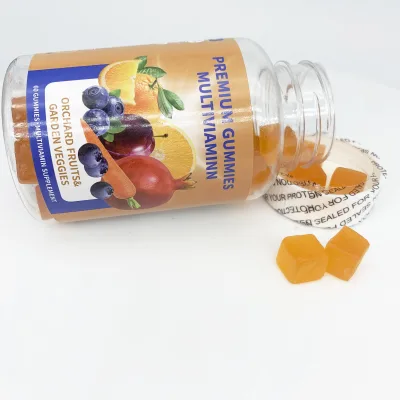
The observed market signals indicate a diverse range of product configurations, with active substance content varying significantly from less than 30% to greater than 90%. This wide spectrum suggests that buyers will encounter both standard dietary supplements and high-potency functional foods, requiring careful evaluation of the intended use case. Listings frequently highlight customization options, including specific shapes such as bears, orange segments, hearts, and drops, as well as flavors like orange, blueberry, and strawberry. These aesthetic and sensory attributes are crucial for market differentiation, particularly in the children’s and adult wellness segments. Buyers should note that while many suppliers offer logo printing and custom packaging, the underlying formulation must be validated to ensure that the chosen shape and flavor do not compromise the stability of the active ingredients, especially in vegan formulations which may have different moisture retention properties.
Packaging and storage requirements are another key signal in the current market, with observations pointing to plastic bottles, sachets, and bulk options as primary packaging methods. The standard carton dimensions and packing configurations, such as 24 bottles per carton or customized bulk bags, provide insight into the logistical efficiency of potential suppliers. Buyers must verify that the packaging material, often PET or other plastics, is compatible with the vegan gummy’s moisture sensitivity, as pectin-based products can be more hygroscopic than gelatin-based ones. Additionally, the observed shelf life of over 12 months and normal storage conditions suggest that suppliers are utilizing effective preservation techniques, but buyers should still request stability data to confirm that the product maintains its potency and texture throughout its intended shelf life. The presence of OEM capabilities and flexible MOQs, ranging from small trial orders to large bulk purchases, indicates a mature supply chain that can accommodate both emerging brands and established enterprises.
Technical Specifications to Verify
When evaluating technical specifications, the first priority is confirming the gelling agent used in the formulation. Buyers must explicitly verify that the product uses pectin or agar rather than gelatin, as even trace amounts of animal-derived ingredients can disqualify the product for vegan certification. The coating process is another critical technical aspect; oil coating is commonly used to prevent sticking and improve appearance, but buyers should ensure that the oil used is plant-based and does not introduce allergens or non-vegan components. Additionally, the size and weight of the gummies, often specified as 2-4 grams or 3 grams per piece, should be aligned with the target dosage and consumer preference. Smaller gummies may be preferred for children or precise dosing, while larger ones might be marketed as premium treats. Buyers should request detailed specifications for each size variant to ensure consistency in weight and active ingredient distribution.
The content of active substances is a vital technical parameter that varies across listings, with some products offering less than 30% active content and others exceeding 90%. This variation impacts the cost, efficacy, and regulatory classification of the product. Buyers must clarify whether the percentage refers to the total active ingredient weight or the concentration within the gummy matrix. Furthermore, the specific vitamins and minerals included, such as Vitamin C, Vitamin D, and calcium, should be verified against the label claims to ensure accuracy. The shape and flavor customization options, including orange segments or heart shapes, must be technically feasible with the chosen gelling agent, as some shapes may require specific molding temperatures or release agents. Buyers should also inquire about the source of the active ingredients, preferring natural or bio-identical sources where possible, to align with the clean-label expectations of the vegan market.
Compliance and Safety Documentation
Compliance with Good Manufacturing Practices (GMP) and ISO standards is a baseline requirement for any reputable supplier of Vegan Vitamin Gummies. These certifications ensure that the manufacturing environment is controlled, hygienic, and consistent, which is particularly important for products that are sensitive to contamination. Buyers should request current copies of these certificates and verify their validity with the issuing bodies. Additionally, Hazard Analysis and Critical Control Points (HACCP) certification is highly recommended, as it provides a systematic approach to identifying and mitigating potential hazards in the production process. For vegan products, it is crucial to ensure that the HACCP plan specifically addresses cross-contamination risks from animal-derived ingredients, ensuring that the production lines are dedicated or thoroughly cleaned between runs.
Allergen management is another critical compliance area, especially since vegan gummies often contain nuts, soy, or gluten-derived ingredients in their flavorings or coatings. Buyers must verify that the supplier has robust allergen control protocols in place, including separate storage and processing areas for common allergens. The labeling must accurately reflect all potential allergens, even if they are present in trace amounts due to shared facilities. Furthermore, buyers should ensure that the supplier complies with local and international regulations regarding dietary supplements and functional foods, including restrictions on certain vitamins and minerals. Requesting a Certificate of Analysis (CoA) for each batch is essential to verify that the product meets the specified standards for potency, purity, and microbial safety. This documentation provides the necessary evidence to support marketing claims and ensures that the product is safe for consumption by the target demographic.
Cost Drivers and Commercial Terms
The cost of Vegan Vitamin Gummies is influenced by several key factors, including the type and quality of the gelling agent, the concentration of active ingredients, and the complexity of the customization. Pectin, particularly high-methoxyl or low-methoxyl varieties, can be more expensive than gelatin, and the cost varies based on the source, such as citrus or apple. Buyers should understand how the supplier sources these raw materials and whether they pass on cost fluctuations to the final price. Additionally, the concentration of active substances, ranging from less than 30% to over 90%, significantly impacts the cost, with higher potency formulations requiring more expensive raw materials and precise dosing equipment. Customization, including unique shapes, flavors, and packaging, also adds to the cost, as it requires additional setup time and specialized tooling.
Commercial terms, such as Minimum Order Quantity (MOQ) and lead times, are critical for planning and budgeting. Observed MOQs can range from small trial orders of 10 bottles to large bulk orders of 50,000 units, allowing buyers to scale their procurement based on demand. Buyers should negotiate MOQs that align with their sales forecasts to avoid excess inventory or stockouts. Lead times are another important consideration, as they affect the ability to respond to market trends and seasonal demand. Buyers should clarify the lead time for both initial production and repeat orders, as well as any potential delays due to raw material shortages or regulatory inspections. Payment terms, such as deposits and balance payments, should be structured to balance risk and cash flow, with clear definitions of when ownership and risk transfer to the buyer.
Supplier Qualification and Quality Control
Supplier qualification begins with a thorough assessment of their manufacturing capabilities and quality management systems. Buyers should conduct on-site audits or virtual tours to verify that the facility is equipped to handle vegan gummy production, including dedicated lines or rigorous cleaning protocols to prevent cross-contamination. The supplier’s experience with pectin-based formulations is a key indicator of their technical competence, as it requires specific expertise in temperature control, pH adjustment, and molding. Buyers should also evaluate the supplier’s research and development capabilities, as they may need to collaborate on custom formulations or address technical challenges related to texture and stability. A supplier’s ability to provide samples and conduct small-scale trials is a positive sign of their flexibility and commitment to customer satisfaction.
Quality control processes must be robust and transparent, with clear protocols for incoming raw material inspection, in-process monitoring, and final product testing. Buyers should request detailed information on the supplier’s testing procedures, including tests for potency, microbial contamination, and heavy metals. The supplier should have a documented traceability system that allows for the tracking of raw materials from source to finished product, which is essential for rapid response in case of a quality issue. Additionally, buyers should inquire about the supplier’s approach to continuous improvement, including how they handle non-conformities and implement corrective actions. A supplier’s willingness to share quality reports and engage in open communication is a strong indicator of their reliability and commitment to delivering high-quality Vegan Vitamin Gummies.
Long-Term Procurement Checks
Long-term procurement success depends on establishing a partnership based on mutual trust, continuous improvement, and adaptability. Buyers should schedule regular reviews with their suppliers to discuss performance metrics, such as on-time delivery, product quality, and responsiveness to issues. These reviews provide an opportunity to address any emerging challenges and to explore new product opportunities or improvements. Buyers should also monitor market trends and consumer preferences, as these can influence the demand for specific flavors, shapes, or nutritional profiles. By staying informed about industry developments, buyers can work with their suppliers to innovate and stay ahead of the competition.
Sustainability is another critical aspect of long-term procurement, as consumers increasingly demand environmentally responsible products. Buyers should assess their suppliers’ sustainability practices, including their use of renewable energy, waste reduction, and ethical sourcing of raw materials. Suppliers who prioritize sustainability can help buyers meet their own corporate social responsibility goals and appeal to eco-conscious consumers. Additionally, buyers should consider the long-term viability of the supply chain, including the stability of raw material prices and the availability of key ingredients. By diversifying their supplier base and maintaining strong relationships with key partners, buyers can mitigate risks and ensure a steady supply of high-quality Vegan Vitamin Gummies.
FAQs
What customization options are available for Vegan Vitamin Gummies?
Customization is available for these products, allowing buyers to tailor specifications. You can select from various shapes like bears or orange segments and choose flavors such as orange or blueberry. The active substance content ranges from 0% to over 90% depending on the specific model selected.
Which certifications do the manufacturers hold for these supplements?
Manufacturers hold GMP, ISO, and HACCP certifications for these vitamin gummies. These standards ensure quality control and safety during production. The products are manufactured in Shaanxi, China, and meet specific size and content requirements for adult and children health supplements.
How is the packaging structured for bulk orders of gummies?
Packaging typically uses plastic bottles with carton outer packaging. Options include 100 bottles per carton or smaller quantities like 10 bottles per carton. Some models offer sachets, bags, or bulk packaging, with specific counts like 60 gummies per bottle depending on the selected standard.
Can I order samples with a low minimum order quantity?
Yes, you can order samples with a minimum order quantity of just 10 bottles. Some listings allow for even lower quantities, starting from 1 unit. This flexibility supports buyers who need to test product quality before committing to larger bulk orders.
What are the shelf life and storage requirements for these gummies?
The shelf life exceeds 12 months when stored under normal conditions. These vitamin gummies require standard storage methods without special temperature controls. The packaging material is plastic, which helps maintain product integrity and active ingredient stability over the specified duration.
Which active ingredients are included in the children's health supplements?
Active ingredients include Vitamin D, Calcium, and various minerals suitable for children. These gummies are designed as food products with features like low salt and low fat. They come in shapes like drops or hearts and are available in flavors such as strawberry and orange.