Source VHF Handheld Wireless Microphone for Meeting, Recording, and Music
Compare 30 listings for the VHF Handheld Wireless Microphone with options for meeting, recording, and music applications. Buyers can evaluate specifications like frequency response, channel count, and power supply to find the right equipment for their needs.
Key considerations
Products List


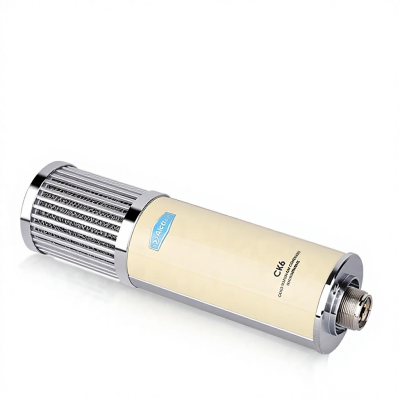


Design Digital Professional UHF Wireless Handheld Microphone Mic System
$150.00 - $300.00
MOQ: 1 Pieces


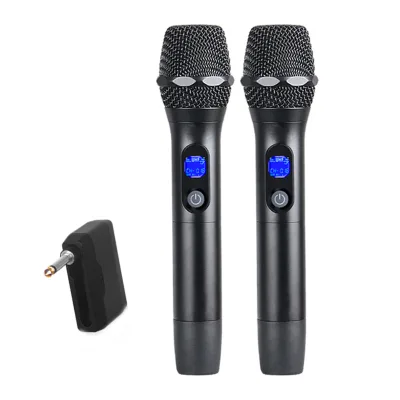
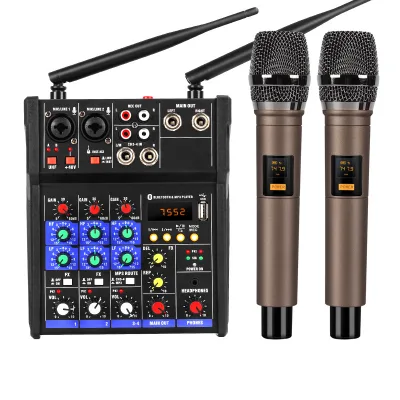
Four Channel Mixer One to Two Wireless Microphone for Performance Microphone
$34.00 - $36.00
MOQ: 1 pieces
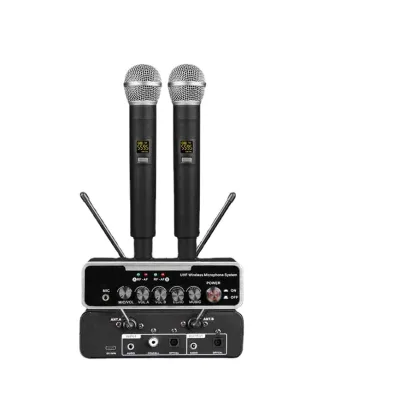
Professional Hot Selling 2-Channel Wireless Microphone System Dynamic Microphones
$41.80 - $48.00
MOQ: 2 pieces
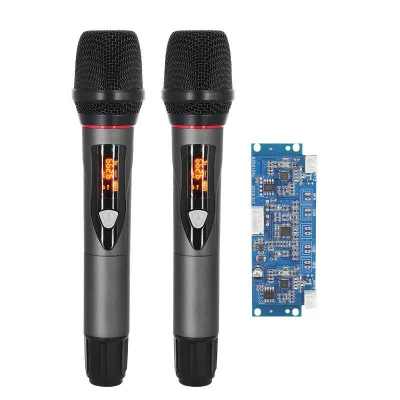
P12 UHF Frequency Modulation Dual Wireless Microphone Professional Two in One System
$21.17 - $22.81
MOQ: 10 pieces
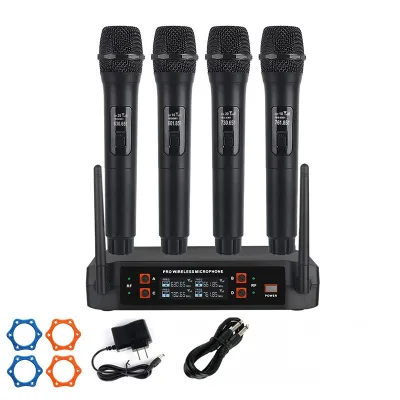

Comprehensive Sourcing Guide
Strategic Sourcing Guide for VHF Handheld Wireless Microphone Systems
The procurement of wireless audio equipment, specifically handheld microphones, requires a nuanced understanding of frequency bands, transmission reliability, and regulatory compliance. While the core keyword often points toward VHF (Very High Frequency) systems, the current market landscape presents a complex mix of legacy VHF technology and modern UHF (Ultra High Frequency) solutions. Buyers must carefully distinguish between these bands, as UHF systems generally offer superior performance in terms of frequency agility and interference rejection, which is critical for professional applications. This guide synthesizes available product data and industry standards to provide a disciplined framework for sourcing decisions, ensuring that procurement strategies align with technical realities and operational requirements.
Technical Architecture and Frequency Band Analysis
When evaluating handheld wireless microphones, the first technical consideration is the transducer principle and the frequency band of operation. The supplied product data indicates a prevalence of Electrodynamic Microphones, which are the industry standard for durability and sound quality in handheld applications. These transducers convert sound waves into electrical signals using a moving coil within a magnetic field, a mechanism that is robust and well-suited for dynamic environments.
A critical observation from the available data is the presence of UHF technology specifications, such as "Wireless Technology: UHF" and "Carrier Frequency: UHF600-900MHz." While the search term focuses on VHF, buyers must recognize that many modern "handheld wireless microphone" listings in the current inventory actually utilize UHF bands. UHF systems typically provide a wider frequency range and better penetration through obstacles compared to VHF. The data shows modulation modes listed as "UHF," suggesting that the specific models under review (such as the MI-1801A and HTA-PL912) operate in the UHF spectrum.
Buyers should verify the specific frequency response and channel capabilities. The observed data lists an audio frequency response of 40Hz-20kHz for certain models, which covers the full spectrum of human hearing and is essential for high-fidelity applications. In contrast, other specifications mention a range of 60Hz to 15kHz, which may be suitable for speech but less ideal for music recording. The channel configuration is another vital metric; some units offer a base of 2 channels with options for 100 or 32 channels, allowing for scalability in large events. The maximum offset of ±48kHz and harmonic radiation levels below 55dBc are specific technical parameters that buyers must check against their specific interference environment to ensure signal clarity.
Compliance, Certification, and Regulatory Standards
Navigating the regulatory landscape is a non-negotiable aspect of sourcing wireless audio equipment. The supply chain data explicitly mentions "CCC" (China Compulsory Certification) as a provided certification for products originating from Guangzhou, China. This certification is mandatory for electronic products sold within the Chinese market and serves as a baseline indicator of manufacturing compliance.
However, for international procurement, buyers must look beyond the CCC mark. The background context references "CE" and "EN 60945" as low-confidence background facts. While these are relevant standards—CE indicating conformity with health, safety, and environmental protection standards for products sold within the European Economic Area, and EN 60945 relating to maritime navigation and radiocommunication equipment—buyers cannot assume these certifications apply to every listed product without verification. The absence of explicit certification data for specific models in the high-confidence list means that the onus is on the buyer to request valid test reports and certificates of conformity from the supplier.
When sourcing, procurement teams should demand proof of frequency compliance. Wireless microphones operate on licensed or unlicensed spectrum depending on the region. In many jurisdictions, UHF bands (like the 600-900MHz range observed) are subject to strict licensing or specific usage rules. Buyers must verify that the specific model's carrier frequency aligns with local regulations to avoid legal penalties and signal interference with critical services like emergency communications. The "Black" standard mentioned in the data likely refers to a color or finish specification rather than a safety standard, so it should not be confused with regulatory compliance.
Cost Drivers and Pricing Structure Analysis
The pricing structure for wireless microphone systems is influenced by several variables, including the frequency band, channel count, build quality, and included accessories. The observed price range in the market data spans from $9 to $9,999 USD, indicating a vast disparity between entry-level consumer units and professional-grade broadcast equipment.
Several factors drive these costs. First, the complexity of the wireless transmission system is a primary cost driver. Systems offering a wide frequency range, such as the UHF600-900MHz band, and advanced modulation modes typically command higher prices than basic VHF units. Second, the channel scalability significantly impacts cost. A base unit with 2 channels is generally less expensive than a system offering 100 optional channels, which requires more complex receiver architecture and frequency management software.
The build materials also play a crucial role. The data notes "Metal" as the speaker material and "Wooden Crate Structure" for packaging in some high-end models, suggesting a focus on durability and protection during shipping. These premium materials increase the unit cost but reduce the risk of damage and extend the product lifespan. Conversely, products with "Plastic Bag + Thick Foam" packaging may indicate a lower price point but potentially less robust construction.
The Minimum Order Quantity (MOQ) also affects the effective unit cost. The observed MOQ range is 1 to 300 units. Buyers purchasing single units or small batches may face higher per-unit costs, while those ordering near the 300-unit threshold can likely negotiate better pricing. Additionally, the power supply requirements, such as "DC12-15V/1000mA," and the inclusion of features like "LCD Screen" monitors and "Touch Control" operation modes add to the manufacturing complexity and, consequently, the final price.
Operational Applications and Use Case Alignment
Selecting the right microphone system requires a clear definition of the intended application. The product data lists a diverse range of use cases, including "Meeting," "Amplify," "Measurement," "Music," "Recording," "Voice," and "Commercial" settings. Each application imposes different technical demands on the microphone system.
For meeting and voice applications, clarity and speech intelligibility are paramount. Systems with a frequency response of 60Hz to 15kHz and a Signal-to-Noise (S/N) ratio greater than 80dB are suitable for these environments. The "Mute Adjustment" feature, ranging from -65dB to -100dB, is particularly valuable in meeting scenarios to prevent feedback and manage audio levels dynamically.
In contrast, music recording and amplification require a wider frequency response, such as the 40Hz-20kHz range observed in some models, to capture the full spectrum of instruments and vocals. The Total Harmonic Distortion (T.H.D.) specification of less than 0.2% is a critical metric here, ensuring that the audio remains clean and free from unwanted artifacts. For measurement applications, the precision of the transducer and the stability of the wireless transmission are essential, requiring systems with low noise levels (below 95dB) and high fidelity.
The "Hi-Fi" attribute and "Stereo" sound channel capabilities further indicate suitability for high-quality audio production. Buyers must match the system's capabilities to their specific needs; a system designed for commercial meetings may lack the dynamic range required for professional music recording, and vice versa. The "Activity: Passive" attribute suggests that certain components may not require active power, which can simplify installation in specific commercial setups.
Supplier Evaluation and Quality Assurance Protocols
Evaluating suppliers for wireless microphone systems requires a rigorous approach to quality assurance and supply chain transparency. The data indicates that products originate from locations such as Guangzhou, China, a major hub for electronics manufacturing. However, the origin alone does not guarantee quality. Buyers should prioritize suppliers who provide detailed technical documentation and are transparent about their manufacturing processes.
Key evaluation criteria include the consistency of the product model specifications. For instance, the model "MI-1801A" and "HTA-PL912" have distinct specifications regarding size, weight, and packing. Buyers should verify that the supplier can consistently deliver products that match these exact specifications. The "Equipment Base Size" of 14.810460mm and "Gooseneck Microphone Rod Length" of 400mm are specific dimensions that must be adhered to for compatibility with existing infrastructure.
Quality control should extend to the packaging and shipping process. The data mentions various packing methods, from "Carton" to "Wooden Crate Structure." For high-value or sensitive equipment, a wooden crate or robust export carton is essential to prevent damage during transit. The "Gift Box/Export Carton/Pallet" option suggests a tiered approach to packaging, where buyers should select the level of protection appropriate for their logistics chain.
Furthermore, buyers should assess the supplier's ability to handle customization. The "Customization: Available" attribute is a significant advantage for large organizations with specific branding or technical requirements. However, this must be balanced against the potential impact on lead times and minimum order quantities.
Long-Term Procurement and Lifecycle Management
Sourcing wireless microphones is not merely a transactional purchase but a long-term investment in audio infrastructure. Buyers must consider the lifecycle of the equipment, including maintenance, firmware updates, and eventual replacement. The "Operation Mode: Touch Control" and "Monitor: LCD Screen" features suggest a level of sophistication that may require regular software updates or calibration to maintain optimal performance.
The power supply requirements, such as "DC12-15V/1000mA," indicate that these systems rely on external power sources. Buyers should ensure that the power infrastructure at their facilities is compatible and that backup power solutions are in place to prevent signal loss during critical events. The "Cover Range" of 80m is a key performance metric that should be validated in the actual deployment environment, as physical obstacles can significantly reduce effective range.
Long-term procurement strategies should also account for the obsolescence of frequency bands. As spectrum regulations evolve, older VHF or specific UHF bands may become restricted. Buyers should prioritize systems that offer frequency agility or are compliant with current and anticipated future regulations. The "Optional Combination" of speaker systems and the "2CH(100 Channel Optional)" flexibility allow for future expansion, making these systems more sustainable over time.
Finally, the "Standard" and "Material" attributes, such as "Metal" construction and "Black" finish, contribute to the longevity and aesthetic integration of the equipment. Durable materials reduce the need for frequent replacements, lowering the total cost of ownership. By focusing on these long-term factors, buyers can ensure that their investment in wireless microphone systems remains viable and effective for years to come.
Comparative Analysis of Key Specifications
To facilitate decision-making, the following table summarizes the key technical specifications observed in the product data, highlighting the variations that buyers should consider during the selection process.
| Specification | Model A (e.g., MI-1801A) | Model B (e.g., HTA-PL912) | Model C (e.g., WM-88U) |
|---|---|---|---|
| Transducer Principle | Electrodynamic Microphone | Electrodynamic Microphone | Electrodynamic Microphone |
| Wireless Technology | UHF | UHF | UHF |
| Carrier Frequency | Not Specified | UHF600-900MHz | Not Specified |
| Frequency Response | 60Hz to 15kHz | 40Hz-20kHz | Not Specified |
| S/N Ratio | Not Specified | >80dB | Not Specified |
| T.H.D. | Not Specified | <0.2% | Not Specified |
| Channel Config | Not Specified | 2CH (100 Optional) | 2CH (32 Optional) |
| Power Supply | DC12-15V/1000mA | Not Specified | Not Specified |
| Certification | CCC | Not Specified | Not Specified |
| Origin | Guangzhou, China | China | Not Specified |
| Packing | Carton | Wooden Crate Structure | Gift Box/Export Carton |
This comparison underscores the importance of verifying specific parameters for each model. While all listed models share the electrodynamic principle and UHF technology, their performance characteristics vary significantly. Buyers must align these specifications with their specific operational needs to ensure optimal performance and value.
FAQs
What is the frequency response of the handheld wireless microphone?
The frequency response ranges from 60Hz to 15kHz for speech applications, while other models support 40Hz to 20kHz for music recording. This variation ensures suitability for both meeting environments and high-fidelity audio production needs.
Which wireless technology does the system utilize for transmission?
The system utilizes UHF wireless technology with a carrier frequency range of 600MHz to 900MHz. This modern approach offers superior interference rejection compared to legacy VHF bands for professional handheld microphone applications.
Can the product be customized for specific branding or requirements?
Yes, customization is available for this handheld microphone system to meet specific branding or technical needs. Buyers should verify lead times and minimum order quantities as customization may affect production schedules and unit costs.
What certifications are provided for the electronic product?
The product carries CCC certification, which is mandatory for electronic products sold within the Chinese market. International buyers must request additional compliance documents like CE for European markets as these are not explicitly listed for all units.
How is the microphone powered and what is the power supply?
The device operates on a DC12-15V power supply with a current requirement of 1000mA. This power specification ensures stable operation for the wireless transmitter and receiver components during extended meetings or recording sessions.
What is the maximum cover range for the wireless signal?
The maximum cover range for the wireless signal is up to 80 meters in open environments. This range supports large venues but may be reduced by physical obstacles or interference in complex commercial settings.
Which packaging options are available for shipping the equipment?
Packaging options include cartons, wooden crate structures, and export cartons with pallets depending on the model. Selecting the appropriate packaging ensures protection during transit, especially for sensitive electronic components and metal speaker materials.