Source Vintage Bridal Lace for dresses, veils, and trimmings
Compare 30 listings of Vintage Bridal Lace featuring polyester, organza, and nylon options with embroidered and knitted styles. Buyers can evaluate specifications like width, pattern, and customization availability for garment and home textile applications.
Key considerations
Products List


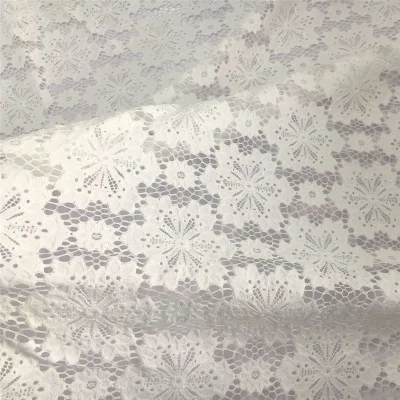

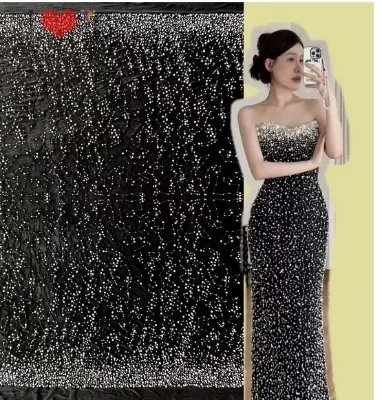


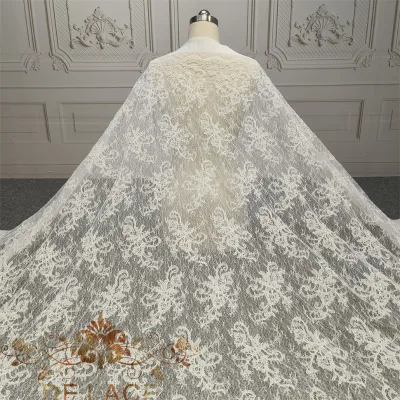


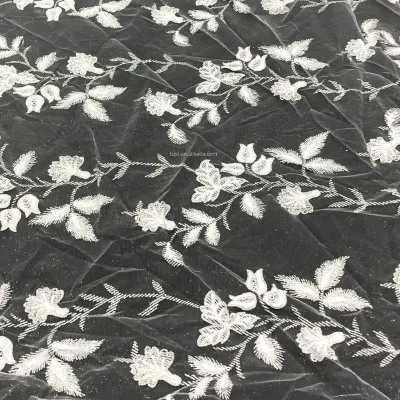


Comprehensive Sourcing Guide
Vintage Bridal Lace Sourcing Guide
Sourcing vintage-style bridal lace requires a nuanced understanding of both historical aesthetics and modern manufacturing capabilities. The term "vintage" in contemporary textile procurement often refers to designs that evoke classic elegance, featuring intricate patterns such as floral motifs, geometric shapes, or striped arrangements that mimic traditional craftsmanship. Buyers must distinguish between genuine antique textiles and new productions that utilize modern techniques like embroidery, warp knitting, or elastic processing to replicate the look of older lace varieties. This distinction is critical because the performance characteristics, durability, and cost structures of these materials differ significantly. A successful procurement strategy begins with clearly defining whether the priority is aesthetic authenticity, structural integrity for heavy bridal garments, or cost-efficiency for large-scale production runs.
The current market offers a diverse array of materials and finishes that can achieve the desired vintage bridal aesthetic. Common base materials include polyester, organza, nylon, and cotton/polyester blends, each offering distinct advantages in terms of drape, breathability, and texture. For instance, polyester lace often provides durability and ease of care, while organza lace offers a sheer, delicate appearance suitable for overlays. Nylon and spandex blends may provide elasticity, which is essential for fitted bridal wear. Understanding these material properties allows buyers to select the right substrate for their specific design needs, ensuring that the final garment meets both visual and functional requirements.
Product Scope and Observed Listing Signals
The observed product landscape reveals a wide range of specifications that cater to different aspects of vintage bridal design. Listings frequently highlight specific styles such as embroidered lace, trimming lace, and elastic lace, indicating the versatility of available options. For example, some products are identified by model numbers like LAP-S32826 or JH-5523, suggesting standardized production runs that buyers can reference for consistency. These identifiers are crucial for maintaining uniformity across large orders, especially when sourcing from multiple suppliers or reordering for future collections. The presence of customization options further expands the scope, allowing buyers to tailor colors, patterns, and widths to their specific brand identities.
Color production methods also play a significant role in achieving the vintage look. Options range from dyed finishes to specific color productions like white or glitter accents, which can add sparkle and depth to bridal garments. The observed data indicates that products may come in various widths, such as 130cm or 8.4cm, depending on whether they are intended for full-body coverage or detailed embellishment. Additionally, packing methods vary, with some items packed in poly bags at 15 yards per unit, while others are rolled in bales or specified by customer request. These logistical details impact storage, handling, and waste management, making them important considerations for procurement planning.
Technical Specifications to Verify
Verifying technical specifications is essential to ensure that the lace meets the structural demands of bridal garments. Key attributes to confirm include the lace craft type, such as embroidery lace, knitted lace, or warp knitting lace, as each method affects the fabric's stretch, durability, and visual texture. For example, warp knitting lace often provides stability and intricate patterns, while embroidered lace may offer a more raised, tactile surface. Buyers should also verify the manual processes involved, such as flower detailing or sparkle effects, to ensure they align with the desired aesthetic. These technical details influence how the lace behaves during sewing and wear, making accurate verification critical for quality control.
Width and standard measurements are another vital area for verification. The observed data shows standards ranging from narrow trims at 8.4cm to wider fabrics at 130cm, with some products specified as 120cm or 20yds per roll. Buyers must ensure that the selected width matches their pattern requirements to minimize waste and simplify cutting processes. Additionally, the model numbers provided, such as cc442 sp006 or CW2133, should be cross-referenced with supplier catalogs to confirm consistency in production. Understanding these specifications helps buyers avoid discrepancies between samples and bulk orders, ensuring that the final product meets their design expectations.
Compliance and Safety Documentation
Compliance and safety documentation are paramount when sourcing materials for bridal wear, which often comes into direct contact with the skin. Buyers should request certificates of conformity that verify the materials meet relevant safety standards for textiles, including restrictions on harmful substances like azo dyes or formaldehyde. While specific certification statuses are not provided in the observed data, it is standard practice to require suppliers to adhere to international regulations such as REACH in Europe or CPSIA in the United States. These documents provide assurance that the lace is safe for use in garments that may be worn for extended periods during weddings and related events.
Additionally, buyers should verify the origin of the materials and the manufacturing processes to ensure ethical and environmental compliance. The observed data indicates that products originate from China, with some specifically from Ningbo, a major textile hub. Understanding the supply chain helps buyers assess the risk of non-compliance and ensure that suppliers follow responsible labor practices. Requesting detailed material composition statements, such as the percentage of polyester, nylon, or cotton, allows buyers to verify that the products match their sustainability goals and brand values. This transparency is increasingly important to consumers who prioritize ethical sourcing in their purchasing decisions.
Cost Drivers and Commercial Terms
Cost drivers for Vintage Bridal Lace include material composition, production complexity, and order volume. Materials like organza and nylon spandex blends may command higher prices due to their specialized properties and manufacturing processes. Embroidered and knitted lace techniques also add to the cost, as they require more labor and time compared to simpler weaves. Buyers should consider the trade-offs between aesthetic detail and budget, understanding that intricate designs like floral or glitter lace may incur premium pricing. Additionally, customization options, such as specific colors or widths, can further influence the final cost, so it is important to balance these requests with financial constraints.
Commercial terms, including MOQs and lead times, significantly impact procurement planning. The observed data shows MOQs ranging from 300 yards per color to 100,000 units, with lead times of approximately three weeks after receiving a purchase order. Buyers must align their order quantities with these MOQs to avoid excess inventory or production delays. Payment terms and shipping methods, such as air, ship, or train, also affect the overall cost and timeline. Understanding these commercial terms allows buyers to negotiate favorable conditions and plan their inventory management effectively, ensuring that they can meet market demand without overcommitting resources.
Supplier Qualification and Quality Control
Supplier qualification is a critical step in ensuring the reliability and consistency of Vintage Bridal Lace supplies. Buyers should conduct thorough due diligence to verify the supplier's manufacturing capabilities, quality control processes, and track record in the textile industry. This includes assessing their ability to produce intricate lace designs and maintain consistency across large batches. Requesting samples is a standard practice to evaluate the quality of the lace, including its texture, color accuracy, and durability. The observed data indicates that samples are available, which allows buyers to test the product before committing to large orders.
Quality control measures should be established to monitor production throughout the manufacturing process. This includes regular inspections of the lace for defects such as broken threads, uneven dyeing, or pattern misalignments. Buyers should also verify that the packing methods, such as poly bags or rolled bales, protect the lace from damage during storage and transit. Establishing clear quality standards and communication channels with suppliers helps ensure that any issues are addressed promptly. By implementing robust quality control protocols, buyers can minimize the risk of receiving substandard products and maintain the high standards expected in bridal wear.
Long-Term Procurement Checks
Long-term procurement checks involve continuous monitoring of supplier performance and market trends to ensure ongoing value and reliability. Buyers should regularly review supplier metrics, such as on-time delivery rates, defect rates, and responsiveness to issues, to identify areas for improvement. Building strong relationships with suppliers can lead to better pricing, priority production, and access to new designs. Additionally, staying informed about emerging trends in vintage bridal fashion allows buyers to anticipate changes in demand and adjust their sourcing strategies accordingly. This proactive approach helps maintain a competitive edge in the market.
Sustainability and ethical sourcing practices should also be part of long-term procurement checks. Buyers should periodically assess their suppliers' environmental impact and labor practices to ensure alignment with evolving consumer expectations and regulatory requirements. This may involve requesting updated compliance documentation or conducting on-site audits. By prioritizing sustainability and ethical practices, buyers can enhance their brand reputation and build trust with consumers. Continuous improvement in sourcing strategies ensures that the procurement process remains efficient, cost-effective, and aligned with the brand's long-term goals.
FAQs
What materials are used for Vintage Bridal Lace?
The available materials include polyester, organza, nylon, and cotton blends. These fabrics support various lace crafts such as embroidery and knitting. Buyers can select based on desired texture and application needs for garments or home textiles.
Can I request custom designs for this lace?
Customization is available for these lace products. Buyers can specify patterns like floral or geometry and request specific colors such as white or dyed options. This flexibility allows for tailored solutions for different clothing styles and seasonal requirements.
What is the minimum order quantity for purchase?
The minimum order quantity ranges from 1 to 100,000 units depending on the specific product. Some items require a minimum of 300 yards per color. Buyers should verify the exact MOQ for their selected model before placing an order.
How long does delivery take after ordering?
Delivery typically takes three weeks after receiving the purchase order. This lead time applies to standard production cycles. Buyers should plan their inventory accordingly to ensure timely arrival for their specific project deadlines.
Which lace styles are available for bridal use?
Available styles include striped, trimming, and elastic options. Specific models like LAP-S32826 and JH-5523 offer unique features such as sparkle or glitter. These styles are suitable for summer, spring, and autumn clothing applications.
What are the standard packaging methods for shipment?
Packaging options include 15 yards per poly bag or 30-45 yards per roll. Some items are packed in bales or plastic lace rolls. Buyers can also request custom packing arrangements to suit their logistical needs.
Where are these lace products manufactured?
Products originate from China, with specific manufacturing locations in Ningbo. This origin ensures access to established textile supply chains. Buyers can expect consistent quality standards aligned with international specifications for lace fabrics.