Source vintage pleated midi a-line dress for events, parties, and daily wear
Compare 30 listings for a vintage pleated midi a-line dress featuring long or short sleeves, polyester or linen materials, and customizable logos. Buyers can review options in black, orange, white, and other colors with varying sleeve lengths and necklines to find the best fit for their needs.
Key considerations
Products List


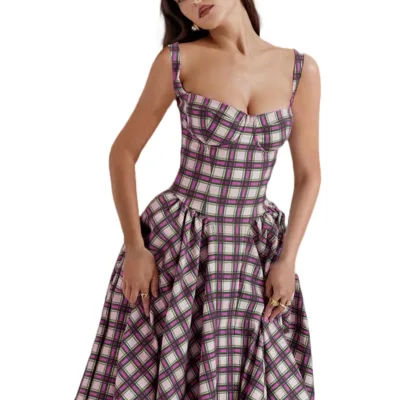


New Style High-Neck Long-Sleeved Stretch A-Line Dress with Long Length
$13.00 - $16.00
MOQ: 100 pieces


Comprehensive Sourcing Guide
Strategic Sourcing Guide for Vintage Pleated Midi A-Line Dresses
Understanding the Product Definition and Core Attributes
Sourcing a vintage pleated midi A-line dress requires a precise understanding of how specific design elements intersect with manufacturing capabilities. The term "vintage" in a B2B context often refers to a specific aesthetic rather than an age of the garment, characterized by nostalgic design cues such as plaid patterns, round necklines, and flared hems. The "pleated" attribute indicates a construction method where fabric is folded and pressed to create texture and volume, a feature that significantly impacts fabric consumption and production complexity. The "midi" length specification generally aligns with a length that falls between the knee and the ankle, offering a versatile silhouette suitable for various occasions ranging from holiday celebrations to casual spring and summer events.
The "A-line" silhouette is defined by a fitted bodice that gradually widens toward the hem, creating a shape reminiscent of the letter A. This cut is highly favored for its ability to flatter diverse body types while maintaining a structured yet flowing appearance. When combining these attributes, buyers must recognize that the resulting garment is a complex assembly of specific materials and design choices. The observed market data indicates that these dresses are frequently constructed from materials such as polyester, linen, and viscose. Polyester offers durability and ease of care, while linen and viscose provide breathability and a natural drape, which is essential for the pleated effect to remain crisp. The color palette typically includes pure colors like black, orange, white, green, and blue, as well as multicolor options and plaid patterns that reinforce the vintage aesthetic.
Technical Specifications and Material Composition
The technical success of a vintage pleated midi A-line dress depends heavily on the selection of raw materials and the adherence to specific construction standards. Fabric weight is a critical parameter; observed specifications suggest a fabric weight of approximately 400 grams, which provides the necessary body for the pleats to hold their shape without being overly heavy. The sleeve length can vary, with options ranging from long sleeves to sleeveless designs, often featuring spaghetti straps or short sleeves depending on the seasonal target. For spring and summer collections, shorter sleeve lengths and breathable fabrics are prioritized to ensure comfort in warmer weather.
Collar types also play a significant role in the vintage classification. Round necklines are a common feature, offering a classic look that complements the A-line cut. However, some variations may include other necklines such as spaghetti straps, which add a modern twist to the vintage silhouette. The lining is another crucial technical aspect; high-quality versions often feature a 100% cotton lining to enhance comfort against the skin and improve the garment's drape. The presence or absence of chest pads is a specific design choice that buyers must verify, as some vintage-inspired styles omit padding for a more natural fit, while others may include it for structure.
The standard dimensions for packaging and shipping are often standardized to ensure efficiency in logistics. Observed data points to a standard packing dimension of 50*40 cm, which is suitable for individual polybag packaging. This standardization helps in calculating shipping costs and storage requirements. Additionally, the product model numbers, such as S194, S195, or LYQ5, serve as unique identifiers for specific design iterations. These models often dictate the specific combination of features, such as the inclusion of a flared hem or a specific plaid pattern. Buyers should request detailed spec sheets that confirm the exact material composition, including whether the fabric is knitted or woven, as this affects the stretch and recovery of the pleats.
Compliance, Certification, and Quality Verification
In the global apparel market, compliance and certification are non-negotiable elements of a successful procurement strategy. While specific certification statuses like OEKO-TEX may be relevant to certain buyers, the absence of explicit certification data in the current product listings means that buyers must actively verify these claims rather than assuming them. The primary focus should be on ensuring that the materials used, particularly the polyester, linen, and viscose, meet international safety and environmental standards. Buyers should request test reports that confirm the absence of harmful substances and verify the durability of the fabric against washing and wear.
Quality verification extends beyond material safety to include the structural integrity of the pleats and the stitching. The "vintage" aesthetic relies on the precision of the pleating; uneven or loose pleats can detract from the intended look. Therefore, quality control protocols must include a detailed inspection of the pleat consistency, the alignment of the pattern (especially in plaid designs), and the finish of the flared hem. The "loose" style attribute mentioned in some listings suggests a relaxed fit, which requires careful attention to the drape and movement of the garment to ensure it does not appear sloppy.
Furthermore, the customization of logos and packaging is a common requirement for B2B buyers. The ability to add a customized logo, often placed at the lower hem, allows brands to differentiate their products. However, this customization must be executed with high precision to avoid damaging the fabric or the pleats. Buyers should verify the supplier's capability to handle these customizations without compromising the garment's quality. The standard of 50*40 cm for packing should be maintained even with custom branding to ensure consistency in logistics.
Cost Drivers and Pricing Dynamics
The pricing of vintage pleated midi A-line dresses is influenced by a complex interplay of factors, including material costs, labor intensity, and customization requirements. The observed price range of 0.5 to 22.8 USD reflects the vast diversity in product quality, material composition, and order volume. Lower-priced items typically utilize standard polyester blends with minimal customization and lower labor intensity. In contrast, higher-priced items often incorporate premium materials like high-grade linen or viscose, feature intricate pleating techniques, and include extensive customization options such as custom logos and packaging.
Material costs are a primary driver, with natural fibers like linen and viscose generally commanding higher prices than synthetic polyester. The weight of the fabric, observed at 400 grams, also contributes to the cost, as heavier fabrics require more raw material. Labor costs are another significant factor, particularly for the pleating process, which can be time-consuming and require skilled labor to ensure consistency. The "customizable" nature of the product means that each order may have unique requirements, leading to variations in production time and cost.
Order volume plays a crucial role in determining the final unit price. The observed minimum order quantity (MOQ) ranges from 10 to 1000 units, allowing for flexibility in procurement strategies. Smaller orders may incur higher per-unit costs due to the setup time for customizations and the inefficiency of small-batch production. Larger orders benefit from economies of scale, reducing the per-unit cost significantly. Buyers should negotiate based on their specific volume needs and the complexity of the customization required.
Supplier Evaluation and Operational Capabilities
Selecting the right supplier is critical for ensuring the successful delivery of vintage pleated midi A-line dresses. Buyers should evaluate suppliers based on their technical capabilities, production capacity, and commitment to quality. The observed data indicates that suppliers are located in regions such as Shanghai and Guangdong, China, which are known for their robust textile and garment manufacturing industries. These locations offer access to a wide range of materials and skilled labor, making them ideal for producing complex garments like pleated dresses.
Key evaluation criteria include the supplier's ability to handle customization, their lead times, and their quality control processes. The "customizable" attribute suggests that suppliers should be flexible in accommodating specific design requests, such as custom logos and packaging. Buyers should verify the supplier's experience with similar products, particularly those with pleated details and vintage aesthetics. The ability to produce samples quickly, with a lead time of 7 days for sample orders, is a positive indicator of operational efficiency.
Additionally, suppliers should demonstrate a strong commitment to quality control. This includes rigorous inspection processes for fabric, stitching, and finishing. Buyers should request references or case studies that demonstrate the supplier's ability to meet high-quality standards consistently. The "in-stock items" availability for some models suggests that suppliers may have existing inventory that can be customized, which can reduce lead times for urgent orders. However, buyers must ensure that these in-stock items meet their specific quality and design requirements.
Quality Control Protocols and Long-Term Procurement
Implementing robust quality control protocols is essential for maintaining the integrity of vintage pleated midi A-line dresses throughout the supply chain. Buyers should establish clear quality standards that cover all aspects of the product, from material selection to final packaging. Regular inspections should be conducted at various stages of production, including fabric inspection, cutting, sewing, and finishing. Special attention should be paid to the pleating process, as this is a defining feature of the product. Any deviations in pleat consistency or pattern alignment should be addressed immediately.
Long-term procurement considerations involve building a sustainable relationship with suppliers that prioritizes quality, reliability, and innovation. Buyers should aim to work with suppliers who are committed to continuous improvement and are willing to invest in new technologies and processes that enhance product quality. This includes exploring opportunities for sustainable material sourcing and eco-friendly production methods. The "breathable" and "washable" features of the dresses are important selling points that should be maintained and improved upon over time.
Furthermore, buyers should consider the scalability of their supply chain. As demand for vintage pleated midi A-line dresses grows, suppliers must be able to scale production without compromising quality. This requires a deep understanding of the supplier's capacity and their ability to manage fluctuations in order volume. Establishing clear communication channels and regular review meetings can help ensure that both parties are aligned on quality expectations and production schedules.
Typical Applications and Market Positioning
Vintage pleated midi A-line dresses are versatile garments suitable for a wide range of applications and market segments. The "holiday celebration" occasion mentioned in the product attributes highlights their suitability for festive events, while the "spring/summer" season designation indicates their relevance for warmer weather. The "loose" style and "breathable" fabric make these dresses ideal for casual wear, beach outings, and outdoor events. The "vintage" aesthetic appeals to consumers who appreciate retro fashion and unique design elements.
The market positioning of these dresses can vary depending on the target audience and price point. Lower-priced options may be targeted at mass-market retailers looking for affordable, trendy clothing. Higher-priced items, with premium materials and intricate designs, may be positioned as boutique or designer pieces for a more discerning clientele. The ability to customize logos and packaging allows brands to create unique products that stand out in a crowded market.
Buyers should consider the specific needs of their target market when sourcing these dresses. For example, a brand targeting young professionals may prioritize a more polished look with high-quality materials, while a brand targeting students may focus on affordability and comfort. Understanding the market dynamics and consumer preferences is essential for making informed sourcing decisions that align with business goals.
Conclusion and Strategic Recommendations
Sourcing vintage pleated midi A-line dresses requires a strategic approach that balances design aesthetics, technical specifications, and operational efficiency. By understanding the core attributes of the product, such as the pleated construction, A-line silhouette, and vintage design elements, buyers can make informed decisions that meet their specific needs. The importance of material selection, quality control, and supplier evaluation cannot be overstated, as these factors directly impact the final product's quality and market success.
Buyers should prioritize working with suppliers who demonstrate a strong commitment to quality and customization capabilities. Establishing clear quality standards and maintaining open communication with suppliers will help ensure consistent product quality and timely delivery. Additionally, considering the long-term implications of procurement decisions, such as scalability and sustainability, will help build a resilient and competitive supply chain. By following these strategic recommendations, buyers can successfully navigate the complex landscape of vintage pleated midi A-line dress sourcing and achieve their business objectives.
FAQs
Can I customize the logo and packaging for this dress?
Yes, both the logo and packaging are customizable for this product. You can request a customized logo placed at the lower hem and choose from standard polybag or custom packaging options depending on your supplier's capabilities.
What materials are used to make this vintage pleated midi a-line dress?
The dresses are constructed from polyester, linen, and viscose fabrics. Some variations also feature a 100% cotton lining to enhance comfort and ensure the pleats maintain their shape while offering a breathable and washable finish.
What is the typical lead time for sample orders of this dress?
Sample orders for this dress typically have a lead time of 7 days. This quick turnaround supports efficient evaluation of the vintage pleated midi a-line dress design before committing to larger production volumes.
Which sleeve lengths are available for this A-line dress?
Available sleeve lengths include long sleeve, short sleeve, and sleeveless options. The specific style depends on the model, with some designs featuring spaghetti straps or round necklines to suit spring and summer seasons.
How is the dress packed for shipping?
The standard packing is one piece into one polybag with dimensions of 50 by 40 cm. Customizable packaging is also available, ensuring the product fits standard logistics requirements while protecting the pleated structure during transit.
What is the minimum order quantity for this dress?
The minimum order quantity ranges from 10 to 1000 units depending on the supplier and customization level. Buyers can select from in-stock items or custom orders to meet their specific volume requirements.
Can the dress be customized to specific sizes?
Yes, the size can be customized to meet your specific requirements. This flexibility allows buyers to order vintage pleated midi a-line dresses in various dimensions beyond standard sizing to fit different target demographics.