Source Vintage Pleated Maxi Designer Dress for events, daily wear, and parties
Explore 30 listings for the Vintage Pleated Maxi Designer Dress, comparing styles like loose, sleeveless, and pleated designs in polyester and cotton. Buyers can evaluate customization options, sleeve lengths, and origin details from Chinese manufacturers.
Key considerations
Products List


Summer New Retro Lace Pleated Short Sleeved with Waist Cinching Ladies' Dress
$16.00 - $18.00
MOQ: 5 Pieces


Vintage Elastic Pleated Flare Sleeve Dress for Women Elegant Large Ruffle
$20.00 - $22.00
MOQ: 5 Pieces


New Style Vintage Short Pleated Ombre Chiffon Dress V-Neck Black Dress
$11.00 - $14.00
MOQ: 100 pieces


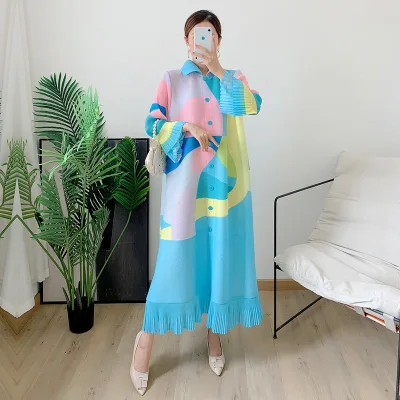
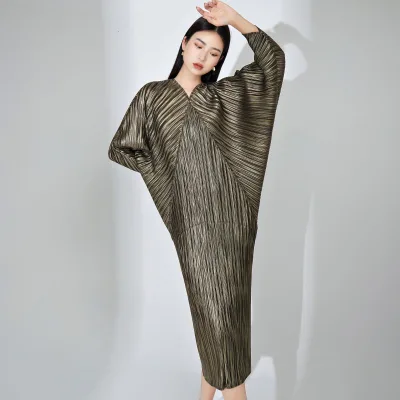
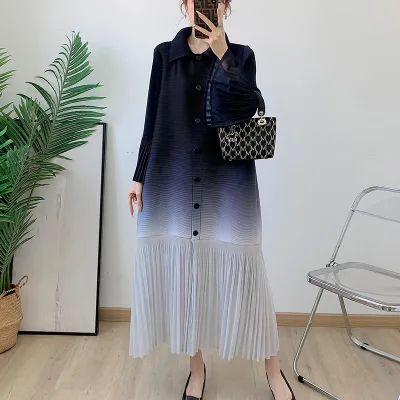
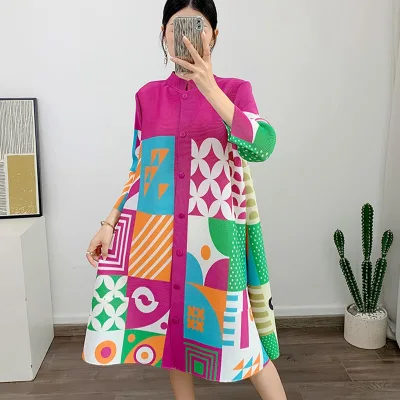

Comprehensive Sourcing Guide
Strategic Sourcing Guide for Vintage Pleated Maxi Designer Dresses
The global B2B market for vintage-inspired pleated maxi designer dresses represents a sophisticated intersection of aesthetic nostalgia and modern manufacturing capabilities. For procurement professionals, sourcing this specific category requires a nuanced understanding of material composition, structural design elements, and the logistical realities of customizing garments that balance historical style with contemporary production standards. This guide provides a disciplined framework for evaluating suppliers and products, grounded in verified product attributes and industry best practices, ensuring that buyers can navigate the complexities of this niche market without relying on unverified claims.
Technical Specifications and Design Architecture
When evaluating a Vintage Pleated Maxi Designer Dress, the primary focus must be on the convergence of length, silhouette, and fabric behavior. The "maxi" designation implies a specific length requirement, often extending to the ankle or floor, which in the provided data is explicitly categorized as "Long" or "Midi" depending on the specific model. The "pleated" attribute is a critical structural feature that dictates both the visual texture and the manufacturing complexity. In the observed product data, specific models such as G74566 and G1228 demonstrate the availability of pleated styles, while others like G74564 and G1522 offer variations in sleeve length ranging from short to sleeveless.
Material selection is the cornerstone of achieving the desired vintage aesthetic. The data indicates a prevalence of Polyester and Cotton as primary materials. Polyester is frequently cited for its ability to hold pleats effectively, offering durability and a specific drape that mimics historical silhouettes. Conversely, Cotton, particularly when noted as 100% Cotton for lining, provides breathability and comfort, essential for the "Spring/Summer" seasonality observed in the product attributes. The "Loose" style attribute suggests a relaxed fit, which contrasts with the structured nature of some vintage designs, requiring buyers to verify if the pleating is permanent or temporary. Furthermore, the "Floral" pattern and "Pure Color" options indicate that design customization is a key differentiator. Buyers must confirm whether the "Vintage" look is achieved through specific dyeing techniques or fabric texture, as the "Streak" design attribute suggests unique visual treatments that may require specialized production runs.
Compliance, Certification, and Material Standards
In the realm of B2B garment sourcing, compliance is not merely a regulatory checkbox but a fundamental aspect of supply chain integrity. While the provided data mentions a low-confidence background regarding CE certification, buyers should not assume this status applies to all vintage pleated maxi dresses without direct verification. Instead, the focus should be on material standards and origin verification. The data explicitly lists "China" and "Shanghai" as product origins, which are significant hubs for textile manufacturing. However, the specific "prod_standard" entries in the data, such as "303010" or "50*40 cm Polyester," appear to refer to packaging dimensions or specific material specifications rather than international safety or quality certifications.
Buyers must independently verify that the polyester or cotton materials used meet the chemical safety standards of their target market, such as REACH in Europe or CPSIA in the United States. The "Lining: 100% Cotton" attribute is a positive indicator for comfort but requires confirmation that the cotton is sourced from suppliers who adhere to sustainable farming practices if such claims are part of the buyer's corporate social responsibility goals. Additionally, the "Breathable" and "Anti-Static" features listed in the product attributes are functional claims that should be validated through third-party testing reports. Without explicit certification data in the source material, procurement teams must request test certificates from the supplier to ensure that the "Anti-Static" properties are genuine and that the fabric does not contain prohibited azo dyes or heavy metals.
Cost Drivers and Pricing Dynamics
The pricing structure for vintage pleated maxi designer dresses is influenced by a complex array of factors, including material costs, labor intensity, and customization levels. The observed price range in the market data spans from $0.50 to $35.70 USD, a wide variance that reflects differences in quality, brand positioning, and order volume. The lower end of this spectrum likely corresponds to mass-produced items using standard polyester with minimal customization, while the higher end suggests premium materials, intricate pleating techniques, or designer-level finishes.
A significant cost driver is the "Customization" attribute, which is available across the product line. Customization encompasses everything from size adjustments to "Can Be Customizied" color options and specific pattern requests. The data notes that sizes can range from S to 3XL and can be made in "Any Size You Like," which implies a made-to-order or small-batch production model. This flexibility increases the unit cost due to the need for flexible manufacturing lines and increased administrative overhead. Furthermore, the "Supply Ability" of 50,000 pieces per month suggests that while suppliers have capacity, the lead time for customized orders may extend beyond standard production cycles. The "MOQ" range of 1 to 200 units indicates that suppliers are willing to accommodate small orders, but the per-unit cost for orders near the lower limit (e.g., 1 piece) will be significantly higher than for bulk orders approaching the 200-unit threshold. Buyers must balance the desire for small, customized runs against the economies of scale to optimize their total cost of ownership.
Typical Applications and Seasonal Relevance
The versatility of vintage pleated maxi designer dresses makes them suitable for a diverse range of applications, from daily wear to formal events. The data explicitly categorizes these garments under "Product Type: Dress" and "Product Type: Evening Dress," indicating a dual utility. The "Occasion: Daily" attribute suggests that the design is robust enough for everyday use, while the "Evening Dress" classification points to a more formal aesthetic suitable for galas, weddings, or cocktail parties. The "Spring/Summer" seasonality is a critical factor for procurement planning. These dresses are designed to be lightweight and breathable, making them ideal for warmer climates. The "Sleeve Length" variations, including "Short Sleeve," "Long Sleeve," and "Sleeveless," allow buyers to tailor their inventory to specific regional weather patterns.
The "Loose" style and "Pleated" design contribute to the garment's comfort and movement, making it a popular choice for travel and active lifestyles. The "V Neck" and "Round Neck" collar options provide further customization for different body types and fashion preferences. Buyers should consider the target demographic when selecting styles; for instance, a "Floral" pattern may appeal to a younger, trend-conscious market, while "Pure Color" options might be more suitable for a professional or mature demographic. The "Design: Streak" attribute adds a unique visual element that could be leveraged for marketing campaigns focused on exclusivity and artistic expression. Understanding these applications helps in forecasting demand and aligning inventory with seasonal trends.
Supplier Evaluation and Quality Control Protocols
Selecting the right supplier is paramount when sourcing specialized garments like vintage pleated maxi dresses. The data indicates that suppliers offer "OEM Service" and support "7 Days Sample Customization," which are strong indicators of a responsive and flexible manufacturing partner. However, buyers must go beyond these surface-level attributes to evaluate the supplier's actual production capabilities. The "prod_packing" details, such as "303010" or "One Piece Into One Polybag," provide insight into the supplier's attention to detail and logistics readiness. A supplier that packs each piece individually demonstrates a commitment to quality control and presentation, which is essential for high-end designer products.
Quality control should be a continuous process, not a final inspection. Given the "Customization" nature of the orders, buyers should implement a rigorous sampling protocol before full production begins. The "7 Days Sample Customization" support is a valuable asset, allowing buyers to verify the fit, fabric quality, and pleat integrity before committing to a large order. Buyers should specifically test the "Breathable" and "Anti-Static" claims through physical testing or by requesting lab reports. Additionally, the "Single Gross Wei: 0.500kg" specification is useful for calculating shipping costs and ensuring that the packaging is efficient. When evaluating suppliers, buyers should also consider the "Supply Type: OEM Service" to ensure that the supplier has the intellectual property protections and confidentiality agreements in place to protect the buyer's designs.
Long-Term Procurement Considerations
Sourcing vintage pleated maxi designer dresses is not just a one-time transaction but a strategic partnership that requires long-term planning. The "Supply Ability" of 50,000 pieces per month suggests that suppliers can scale with demand, but buyers must ensure that this capacity does not compromise quality during peak seasons. The "Can Be Customizied" size and color options offer a competitive advantage, allowing buyers to adapt to changing market trends without significant inventory risk. However, this flexibility also introduces complexity in supply chain management. Buyers should establish clear communication channels with suppliers to manage the "7 Days Sample Customization" process efficiently and ensure that lead times are met.
The "prod_origin: China" and "Shanghai" location data highlight the importance of understanding the geopolitical and logistical landscape of the region. Buyers should monitor shipping routes, customs regulations, and potential tariff changes that could impact the cost and delivery of these garments. Furthermore, the "Product Color: Customizied" and "Product Color: Can Be Customizied" attributes suggest that color consistency is a critical quality metric. Buyers should work with suppliers to develop a standardized color palette and ensure that dye lots are consistent across different production runs. Finally, the "Feature: Breathable, Anti-Static" attributes should be monitored over time to ensure that the product maintains its performance characteristics as the supply chain evolves. By focusing on these long-term considerations, buyers can build a resilient and sustainable procurement strategy for vintage pleated maxi designer dresses.
FAQs
What materials are used for vintage pleated maxi designer dresses?
The primary materials observed are Polyester and Cotton. Polyester is frequently used to maintain pleat structure, while Cotton lining provides breathability suitable for Spring and Summer seasons.
Can I customize the size and color of these dresses?
Yes, customization is available for both size and color. Sizes can range from S to 3XL or be made in any size, and colors include options like White, Pure Color, or custom requests.
What is the minimum order quantity for these dresses?
The minimum order quantity ranges from 1 to 200 pieces. This flexibility allows buyers to start with small batches while still accessing bulk pricing tiers for larger orders.
Where are these vintage pleated maxi designer dresses manufactured?
The products originate from China, with specific mentions of Shanghai as a production location. Buyers should verify shipping routes and lead times based on these specific regional hubs.
How are these dresses packaged for shipment?
Packaging details include individual polybags for each piece or cartons. Specific packing dimensions observed are 30*30*10 cm or 50*40 cm, ensuring protection during transit.
What styles and sleeve lengths are available for these dresses?
Available styles include Loose, Pleated, and Sleeveless designs. Sleeve lengths vary between Short Sleeve, Long Sleeve, and Sleeveless options to suit different seasonal and aesthetic preferences.
Do these dresses offer sample customization services?
Yes, 7-day sample customization is supported by the suppliers. This allows buyers to verify fit and fabric quality before committing to larger production runs under OEM service terms.