Source vintage polyester multi-compartment card holder for Business, Travel, Daily
Find 30 options for a vintage polyester multi-compartment card holder with customizable features like logos and colors. Buyers can compare styles, materials, and specifications from verified Chinese manufacturers offering OEM services.
Key considerations
Products List




Comprehensive Sourcing Guide
Strategic Sourcing Guide for Vintage Polyester Multi-Compartment Card Holders
Understanding Product Attributes and Material Composition
When sourcing a vintage polyester multi-compartment card holder, buyers must first distinguish between the core keyword requirements and the specific attributes observed in the current market inventory. While the search term specifies "polyester," the available product data indicates a diverse range of materials, including PU (Polyurethane) and Cotton Fabric. This discrepancy highlights a critical initial step in the procurement process: verifying the exact material composition of the specific SKU before placing an order. The observed inventory includes items with a "PU" body material, which offers a distinct leather-like aesthetic often associated with vintage styles, alongside products explicitly listed as "Cotton Fabric."
The construction of these holders varies significantly in terms of style and hardness. The market data reveals a "Double Wall" construction style, which is essential for durability and structural integrity when holding multiple cards. Hardness levels are observed to range from "Medium Soft" to "Soft," suggesting that the vintage aesthetic often relies on a pliable, tactile feel rather than rigid protection. Furthermore, the "Handmade" technic is a notable attribute in the inventory, implying that the production process involves manual assembly, which can influence consistency and pricing. Buyers should note that while the keyword specifies "polyester," the actual supply chain offers PU and cotton options that may better suit specific vintage design requirements.
Technical Specifications and Customization Capabilities
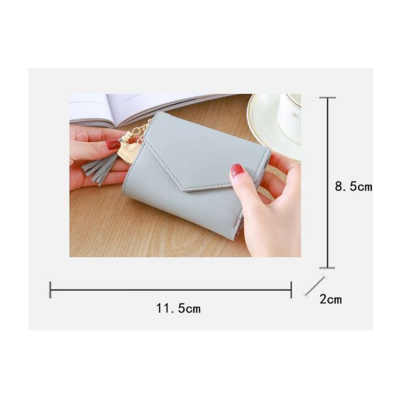
The technical specifications for card holders in this category are highly variable, with a strong emphasis on customization. The observed product models, such as CY2022012701, CY2022010702, and TP-QB163, demonstrate that dimensions are not standardized across all listings. Sizes range from specific measurements like 711cm and 95mm to broader descriptions like "normal size" and "regular size." Some listings specify a standard of 108cm or 10.3*8.3cm, while others indicate a "customize" standard. This variability necessitates that buyers provide precise dimensional requirements to their suppliers to ensure the final product fits the intended card types, whether they are business cards, credit cards, or passports.
Customization is a central feature of this product category. The inventory confirms that "Customization" is available, with options for "Color," "Logo," and "Size" to be customized. The "Fashion Element" attribute further enriches the design possibilities, with observed trends including "Contrast Color" and "Candy Color," alongside a "Korean" and "Trend" style. The "Vintage" aspect of the keyword can be achieved through these color palettes and the "Handmade" production method. Additionally, the "Double Wall" feature and "Medium Soft" to "Soft" hardness levels provide a specific tactile experience that distinguishes these holders from rigid plastic alternatives. Buyers should verify if the specific model they are sourcing supports the "Customized" attribute, as some listings note "Non-Customized" options, which would limit design flexibility.
Compliance, Certification, and Safety Standards
For B2B procurement, verifying compliance and certification is paramount to ensure market access and consumer safety. The supplied product facts explicitly list several key certifications: CE, ISO, FDA, and LFGB. These certifications indicate that the products meet specific European safety standards (CE), international management system requirements (ISO), and food contact safety regulations (FDA, LFGB). While the product is a card holder and not a food item, the presence of LFGB and FDA certifications suggests that the materials used, particularly the PU or cotton fabrics, are free from harmful substances and are safe for general handling.
However, buyers must exercise caution when interpreting these certifications. The presence of these certifications in the general product attributes does not guarantee that every single unit in a specific order batch will carry them. The "prod_standard" field in the data shows entries like "customize" and specific dimensions, but it does not explicitly link a specific certification to a specific model number. Therefore, procurement teams should request certification documentation for the exact batch being ordered. Additionally, the "Waterproof" attribute varies significantly in the inventory; some items are listed as "Waterproof," while others are "Not Waterproof." This distinction is critical for buyers targeting specific use cases, such as outdoor business events or travel, where moisture resistance is a key requirement.
Cost Drivers and Pricing Dynamics
The cost of sourcing vintage polyester multi-compartment card holders is influenced by several factors, including material composition, customization level, and production techniques. The observed price range in the market is 0.03 to 7.99 USD, a wide spectrum that reflects the diversity of the product offerings. The lower end of this range likely corresponds to basic, non-customized items with simple materials, while the higher end may reflect complex designs, premium materials like high-grade PU, or extensive customization involving logos and specific colors.
The Minimum Order Quantity (MOQ) is another significant cost driver. The observed MOQ range spans from 1 to 2000 units, with specific listings indicating an MOQ of 100PCS. For buyers testing the market or requiring small batches, the ability to order as few as one unit provides flexibility, though the unit cost will be higher. Conversely, larger orders of 2000 units may benefit from economies of scale, reducing the per-unit cost. The "Handmade" production method also impacts pricing, as manual labor is generally more expensive than automated mass production. Additionally, the "Sample Date" of 3-5 days suggests that the supply chain is responsive, but rush orders or complex customizations could extend lead times and increase costs. Buyers should factor in the cost of "One OPP Bag for Each Item" or "Carton Box" packaging, as these add to the overall unit price.
Supplier Evaluation and Origin Verification
Evaluating suppliers for card holders requires a thorough check of their origin and service capabilities. The product data indicates that the primary origin is "China," with specific mentions of "Yiwu, Zhejiang PRO." Yiwu is a well-known hub for small commodities and accessories, suggesting a mature supply chain for these types of products. Buyers should verify if the supplier is based in this region, as it often correlates with competitive pricing and a wide variety of options.
The "Service" attribute lists "OEM/ODM," indicating that suppliers are capable of Original Equipment Manufacturing and Original Design Manufacturing. This is crucial for buyers looking to create a unique brand identity with custom logos, colors, and designs. The "Export" attribute is listed as "Global," suggesting that suppliers have experience with international shipping and compliance. However, buyers should confirm the supplier's ability to handle specific export requirements for their target market. The "Season" attribute is listed as "All," implying that these products are not seasonal and can be sourced year-round, which is beneficial for maintaining a consistent inventory. When evaluating suppliers, buyers should prioritize those who can demonstrate the "Handmade" quality and provide samples that match the "Vintage" aesthetic described in the keyword.
Quality Control and Long-Term Procurement Considerations
Quality control for card holders involves checking the durability of the "Double Wall" construction, the consistency of the "Handmade" finish, and the accuracy of the "Customized" elements. The "Hardness" attribute, ranging from "Medium Soft" to "Soft," should be tested to ensure the holder maintains its shape while remaining flexible. Buyers should also verify the "Waterproof" status, as this is a critical functional attribute that varies between products. For long-term procurement, consistency in the "Material Body" (PU or Cotton) and the "Style" (Korean, Trend, or Vintage) is essential to maintain brand identity.
The "Packing" methods observed include "1PC/OPP," "Carton Box," "Carton," and "Bulk." The choice of packaging affects the product's presentation and protection during transit. For a vintage product, high-quality packaging like a "Carton Box" may be preferred to enhance the unboxing experience. Buyers should also consider the "Weight" of the product, which is observed at 0.12kgs, to calculate shipping costs accurately. Long-term success in this category depends on maintaining a reliable supply chain that can deliver consistent quality, adhere to the specified certifications, and meet the evolving fashion trends indicated by the "Fashion Element" attributes like "Contrast Color" and "Candy Color."
Comparative Analysis of Product Variants
To assist buyers in making informed decisions, the following table summarizes the key variations observed in the market for card holders. This comparison highlights the differences in material, style, and functionality that buyers must consider when sourcing.
| Feature | Variant A (PU Body) | Variant B (Cotton Fabric) | Variant C (Customizable) |
|---|---|---|---|
| Material | PU | Cotton Fabric | Mixed (PU/Cotton) |
| Style | Double Wall | Korean | Trend / Vintage |
| Hardness | Medium Soft | Soft | Variable |
| Waterproof | Not Waterproof | Waterproof | Depends on Coating |
| Customization | Logo, Color, Size | Logo, Color | Full OEM/ODM |
| Packing | Carton Box | One OPP Bag | Bulk / Carton |
| Certification | CE, ISO, FDA, LFGB | CE, ISO, FDA, LFGB | CE, ISO, FDA, LFGB |
| Origin | China | Yiwu, Zhejiang | China |
This table illustrates that while certifications are generally consistent across variants, the material and functional attributes vary significantly. Buyers must align their specific needs with the correct variant to ensure the product meets their quality and aesthetic standards. The "Vintage" keyword can be satisfied by selecting the "Handmade" and "Double Wall" variants with appropriate color customization, regardless of whether the base material is PU or Cotton.
FAQs
What certifications do these card holders have?
The products carry CE, ISO, FDA, and LFGB certifications. These indicate compliance with European safety and international management standards, though buyers should verify batch-specific documentation for each order.
Can I customize the size and color of the holder?
Yes, customization is available for size, color, and logo printing. Buyers must provide precise dimensions as models vary from 7x11cm to 10.3x8.3cm, and some listings may restrict specific customizations.
What materials are used for the card holder body?
Inventory includes PU and Cotton Fabric materials. While the search term mentions polyester, actual supply offers PU for a leather-like feel or cotton fabric, requiring verification of the specific SKU before ordering.
How much is the minimum order quantity required?
The minimum order quantity ranges from 1 to 2000 units depending on the supplier. Specific listings may require 100 pieces, so buyers should confirm the exact MOQ for their selected model to ensure feasibility.
Are these card holders waterproof?
Waterproof status varies between products in the inventory. Some items are listed as waterproof while others are not, so buyers must check the specific attribute for the model intended for outdoor or travel use.
Where are these card holders manufactured?
The primary origin is China, with specific hubs in Yiwu, Zhejiang. This location suggests a mature supply chain for small commodities, but buyers should confirm the exact factory location for shipping calculations.
What is the typical lead time for samples?
Sample dates are typically 3 to 5 days. This indicates a responsive supply chain, though complex customizations or large orders may extend the lead time beyond the standard sample preparation period.