Source Vintage Puff Printing Denim Pants for Retail, Wholesale, and Custom Branding
Explore 30 listings for Vintage Puff Printing Denim Pants, featuring straight and casual styles in stretch denim and cotton blends. Compare sizes from XS to 3XL, wash types like enzyme and stonewash, and customization options for OEM service needs.
Key considerations
Products List


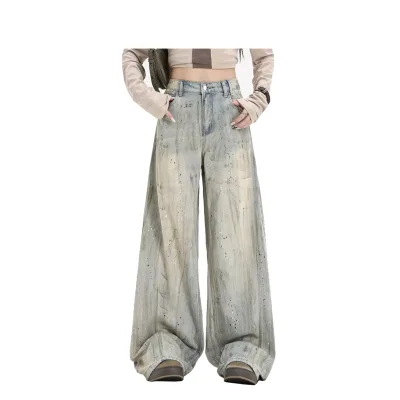


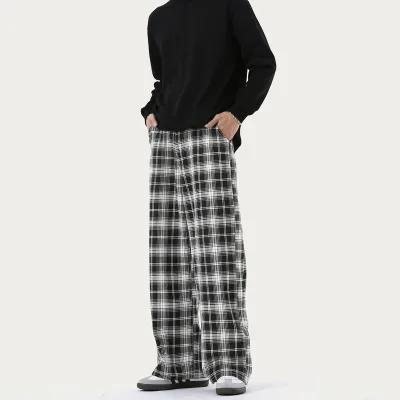
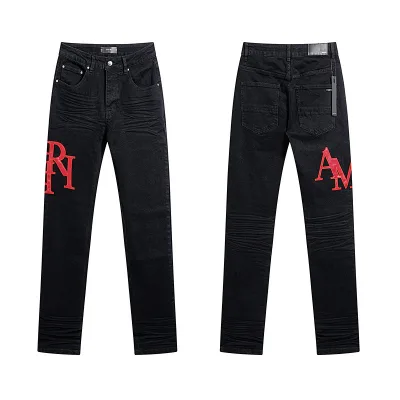
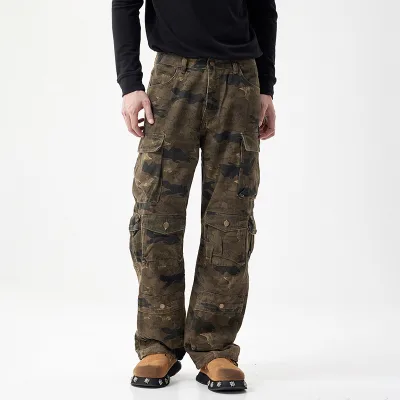
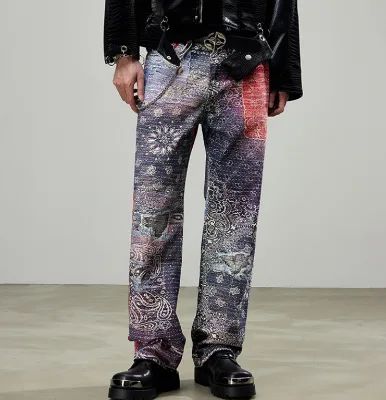


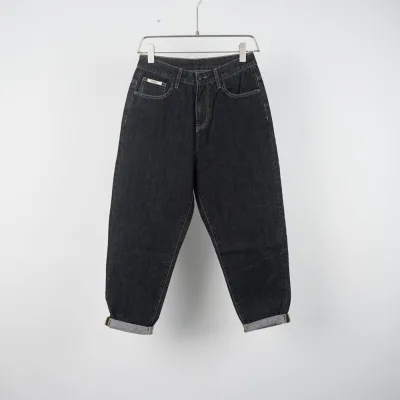
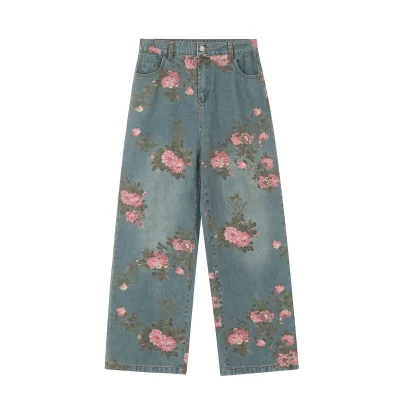
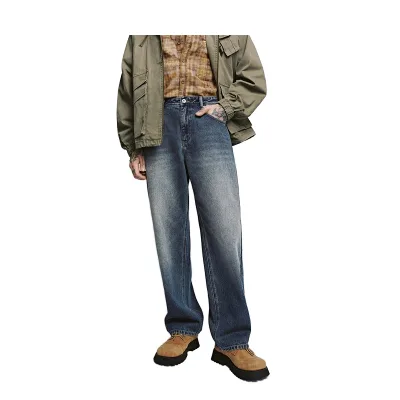


Custom Men's Retro Denim Pants Screen Print Woven Loose Straight Leg Jeans
$13.03 - $16.03
MOQ: 50 Pieces


Comprehensive Sourcing Guide
Vintage Puff Printing Denim Pants Sourcing Guide
Sourcing vintage-style denim pants with puff printing requires a strategic approach that balances aesthetic authenticity with modern manufacturing capabilities. The core of this procurement strategy lies in identifying suppliers who can replicate the distressed, retro look while ensuring the durability of the puff print application. Buyers must navigate a market where "vintage" often refers to a specific wash and finish rather than an actual age of the garment, necessitating clear communication about the desired level of distressing and the specific texture of the print.
The procurement process begins with a rigorous review of product listings to distinguish between genuine vintage reproduction and mass-produced items that merely mimic the style. In the current market, suppliers often list products with specific model numbers and origin details that serve as the primary verification points for authenticity and consistency. Buyers should prioritize vendors who provide detailed specifications on the denim weight, wash process, and the specific decorative methods used to achieve the puff effect, ensuring the final product aligns with the intended brand identity.
Product Scope and Observed Listing Signals
The observed product landscape for vintage denim includes a wide range of styles, from straight-leg cuts to wild, casual fits, often available in multiple sizes ranging from XS to 3XL. Listings frequently highlight specific attributes such as "Straight," "Wild," or "Casual" styles, alongside seasonal relevance like Summer, Spring/Autumn, or Autumn, which dictates the fabric weight and thickness required for the target market. Buyers should expect to see variations in color, including Light Blue, Blue, and Black, with some items featuring specific decorative methods like patches or unique dyeing techniques such as yarn-dyed processes.
Listing signals also reveal significant diversity in material composition, with options ranging from 100% Cotton and Stretch Denim to Polyester Cotton Denim blends. These material choices directly influence the garment's drape, breathability, and the adhesion of puff printing, making it essential to verify the fabric type before placing an order. Additionally, packaging standards vary from simple PE bags to more structured carton shipments, with some suppliers offering specific unit counts like 12 pieces per dozen or 120 pieces per carton, which impacts logistics planning and inventory management.
Technical Specifications to Verify
Verifying technical specifications is critical to ensuring the puff printing adheres correctly and the denim maintains its structural integrity during wear. Buyers must confirm the fabric weight, which can range from standard denim weights to heavier options like 300 grams, as this affects the stiffness and the ability of the puff print to stand out without cracking. The weaving process, whether it is a standard woven method or a specific yarn-dyed technique, plays a pivotal role in the final texture and color depth, which are essential for achieving the desired vintage aesthetic.
Dimensional consistency and fit type are equally important, with listings showing a spectrum from Regular fit to specific size ranges including Free Size, S, M, L, XL, and extended sizes like 2XL and 3XL. The length of the pants, often categorized as Long, and the waist type, such as Mid-rise, must align with the target demographic's preferences. Furthermore, the specific wash processes, including Enzyme Wash, Stonewashed, or Bleach Wash, determine the final look and feel, and buyers should request physical samples to validate that the wash results match the visual expectations of the vintage style.
Compliance and Safety Documentation
While specific certification statuses like BSCI, OEKO-TEX, GOTS, or ISO 9001 are often cited in the broader industry, buyers must treat these as potential attributes rather than guaranteed facts for every listed product. The procurement strategy should involve explicitly requesting current compliance documentation from the supplier to verify that the denim and the puff printing materials meet the safety standards of the destination market. This is particularly important for chemical treatments used in the washing and dyeing processes, which must be free from harmful substances to ensure consumer safety and regulatory compliance.
Documentation regarding the origin of the goods is also a key component of compliance, with many products originating from Guangzhou or Guangdong, China. Buyers should ensure that the supplier can provide clear proof of origin and any necessary export documentation that aligns with international trade regulations. Additionally, verifying the supply type, such as OEM service availability, helps confirm that the supplier is capable of adhering to specific brand requirements and quality standards that may be mandated by the buyer's internal compliance protocols.
Cost Drivers and Commercial Terms
The cost of Vintage Puff Printing Denim Pants is influenced by several factors, including the complexity of the puff printing application, the quality of the denim fabric, and the specific wash processes employed. Listings indicate a price range that can vary significantly, reflecting differences in material costs, labor intensity, and the level of customization required. Buyers should be prepared for a wide range of pricing, as the inclusion of features like patches, specific dyeing methods, or custom packaging can drive up the unit cost.
Commercial terms such as Minimum Order Quantity (MOQ) and lead times are critical variables that affect the overall procurement budget and timeline. Observed MOQs can range from as low as 1 piece to as high as 300 pieces, offering flexibility for small batch testing or larger volume orders. Lead times also vary, with some suppliers offering sample orders in 7 days, while others may not support such rapid turnaround. Understanding these terms allows buyers to negotiate effectively and plan their inventory cycles to avoid stockouts or overstock situations.
Supplier Qualification and Quality Control
Qualifying a supplier for vintage denim production requires a deep dive into their manufacturing capabilities and quality control processes. Buyers should assess the supplier's experience with specific denim finishes and their ability to maintain consistency across large production runs. The presence of customization options, such as specific model numbers or unique decorative methods, indicates a supplier's flexibility and willingness to collaborate on product development. It is essential to verify that the supplier has the necessary infrastructure to handle the specific weaving and dyeing processes required for the vintage look.
Quality control measures must be robust to ensure that the puff printing does not peel or crack and that the denim wash remains consistent throughout the batch. Buyers should implement a rigorous inspection protocol that includes checking the fabric weight, the adhesion of the print, and the overall fit and finish of the garment. Given the variability in product attributes like color and style, establishing clear acceptance criteria and conducting pre-shipment inspections are vital steps to mitigate the risk of receiving substandard goods.
Long-Term Procurement Checks
Establishing a long-term partnership with a denim supplier involves continuous monitoring of product quality and supplier performance over time. Buyers should regularly review the consistency of the vintage wash and the durability of the puff printing to ensure that the product continues to meet brand standards. This includes tracking any changes in material composition or manufacturing processes that might affect the final product's appearance or feel. Maintaining open communication with the supplier regarding any feedback or issues helps in addressing problems proactively and maintaining a high level of product quality.
Additionally, buyers should periodically reassess the commercial terms and market conditions to ensure that the procurement strategy remains competitive and cost-effective. This involves monitoring changes in raw material costs, labor rates, and shipping logistics that could impact the overall cost structure. By staying informed about industry trends and supplier capabilities, buyers can adapt their sourcing strategies to meet evolving market demands and maintain a reliable supply chain for Vintage Puff Printing Denim Pants.
FAQs
What customization options are available for these denim pants?
Customization is available for these Vintage Puff Printing Denim Pants. Buyers can request specific styles, colors, or packaging details to match their brand requirements. The product page confirms that customization services are offered to meet diverse sourcing needs.
Which sizes are offered for the Vintage Puff Printing Denim Pants?
The pants are available in sizes ranging from XS to 3XL, including Free Size options. Specific listings show sizes like S, M, L, XL, and 2XL. Buyers should check individual product models to confirm the exact size range available for their order.
Can I find these pants made from 100% cotton material?
Yes, some listings specify the material as 100% cotton. Other options include stretch denim, polyester cotton denim, or cotton blends. The fabric type is generally denim, with variations in weave and weight depending on the specific product model selected.
What is the typical lead time for sample orders?
Sample order lead time is not supported for some models, while others may have different timelines. Buyers should verify the specific lead time for their chosen product model. Most standard orders originate from Guangzhou, China, with varying production capacities.
How are the Vintage Puff Printing Denim Pants packaged for shipment?
Packaging typically involves one piece per polybag, with 12 pieces per dozen and 120 pieces per carton. Some items use PE bags and cartons for protection. The packaging standard ensures safe transport while maintaining the product's quality during shipping.
Which washing methods are applied to these denim pants?
The pants undergo various washing processes including enzyme wash, stonewash, and bleach wash. These methods create different finishes like light blue or black. The washing technique contributes to the vintage aesthetic and ensures the fabric is soft and durable.
What is the minimum order quantity for these denim pants?
The minimum order quantity ranges from 1 to 300 pieces depending on the supplier and product model. Some items allow single item purchases, while others require bulk orders. Buyers should confirm the specific MOQ for their desired style and customization level.