Source Renault Truck Foot Step Grille for Fleet Maintenance
Find and compare 30 available Renault Truck Foot Step Grille options for heavy-duty fleet maintenance, commercial vehicle repair, and aftermarket body part replacement. Review OEM-style specifications, bolt-on installation methods, and warranty terms to select the right components for your operational needs.
Key considerations
Products List


5010301144 Bumper Grille for Renault Premium Renault European Truck Parts
$20.00 - $60.00
MOQ: 10 Pieces


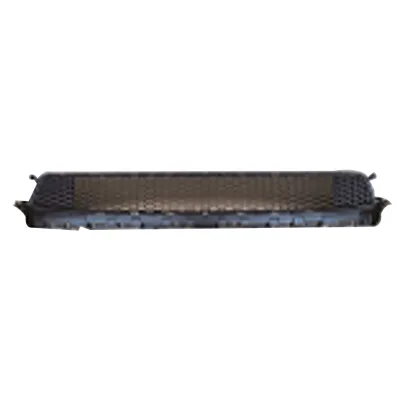
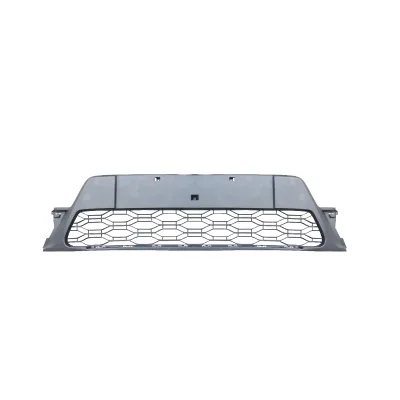
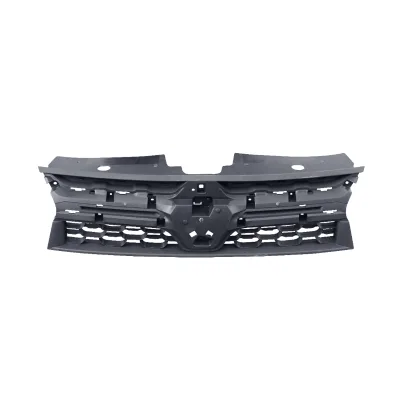
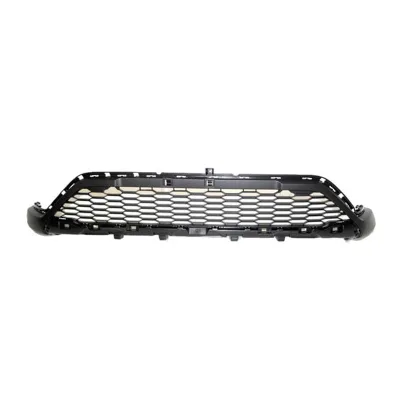
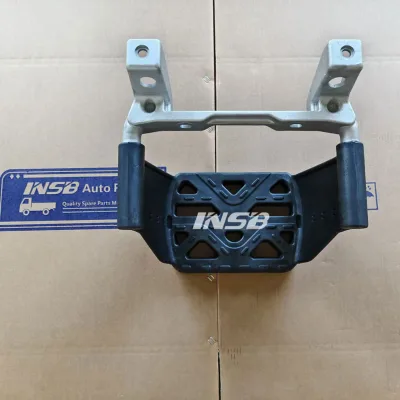
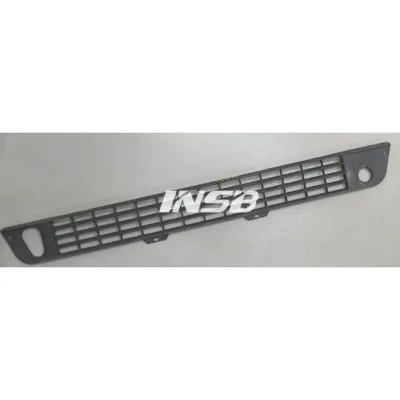


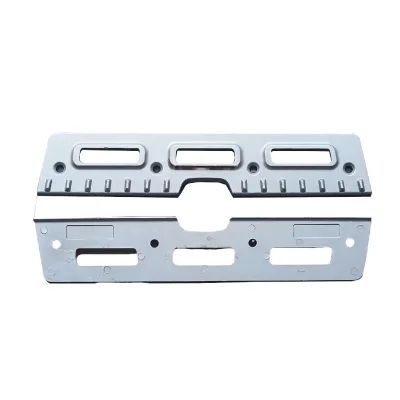
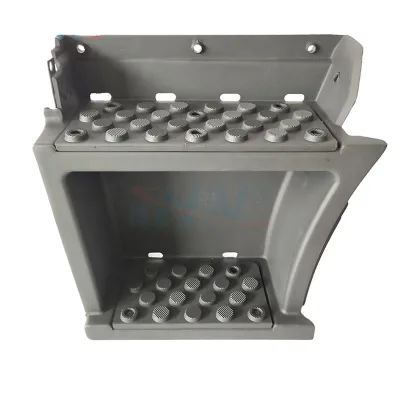
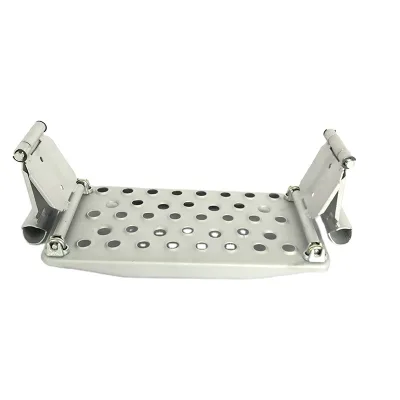
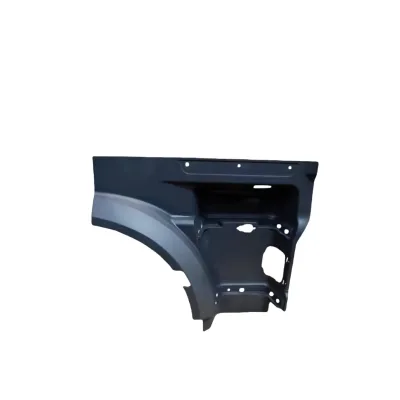
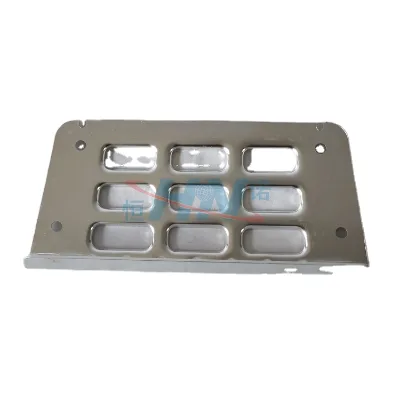
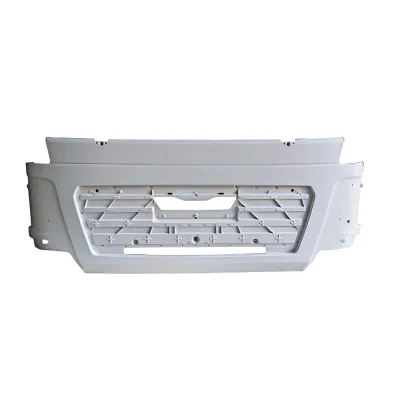

for Mercedes Benz Trucks Body Parts Foot Board Headlamp Bumper Panel Grille
$10.00 - $199.00
MOQ: 50 Pieces


Comprehensive Sourcing Guide
Renault Truck Foot Step Grille Sourcing Guide
Sourcing replacement components for heavy-duty commercial vehicles requires a precise understanding of part compatibility, material durability, and supply chain reliability. The Renault Truck Foot Step Grille represents a critical body component that serves both aesthetic and functional purposes, protecting the vehicle’s lower structure while providing access points for drivers and maintenance personnel. Buyers must navigate a market where OEM specifications intersect with aftermarket alternatives, ensuring that any selected part meets the rigorous demands of industrial transport environments. This guide provides evidence-based procurement strategies to help sourcing professionals evaluate suppliers, verify technical attributes, and mitigate risks associated with cross-border component acquisition.
The procurement process for these parts involves balancing cost efficiency with long-term operational reliability. Given that these components are subject to constant vibration, impact, and environmental exposure, the selection criteria must extend beyond initial pricing to include warranty terms, material quality, and supplier track records. This document outlines the essential steps for verifying product scope, analyzing technical specifications, ensuring compliance, and establishing robust commercial terms. By adhering to these structured procurement guidelines, buyers can secure high-quality Renault Truck parts that maintain vehicle integrity and minimize downtime in fleet operations.
Product Scope and Observed Listing Signals
The observed market for Renault Truck foot step grilles indicates a diverse range of available products, with a total count of thirty distinct listings currently active. These listings span a wide price range from 1.5 to 199 USD, reflecting variations in material quality, OEM authenticity, and supplier positioning. The minimum order quantity (MOQ) ranges from 1 to 100 units, suggesting that suppliers cater to both individual replacement needs and bulk fleet procurement. Buyers should interpret this price variance as an indicator of differing product tiers, where lower-cost items may be generic aftermarket replacements and higher-priced items likely correspond to OEM-style or certified components.
Product descriptions consistently identify these items as Renault Truck parts, with specific applications noted for truck body structures. The listings highlight customization availability, allowing buyers to request specific configurations or branding. Common attributes include neutral or OEM packing, bolt-on installation methods, and front placement on the vehicle. The observed models include specific identifiers such as 5010211738, INR3015, and HC-T-7817, which serve as critical reference points for compatibility verification. Buyers must cross-reference these model numbers with their vehicle’s VIN or existing part labels to ensure precise fitment, as generic descriptions may not guarantee interchangeability across all Renault Truck variants.
Technical Specifications to Verify
Technical verification begins with confirming the exact OEM and item numbers associated with the target vehicle. The supplied data lists numerous OEM numbers, including 5001834560, 5001834559, and 5001840476, alongside corresponding item numbers like 5010301447 and 5010225392. Additionally, Iveco cross-reference numbers such as 20819613 and 5010304722 are present, indicating potential compatibility with related commercial vehicle platforms. Buyers must rigorously match these alphanumeric codes against their vehicle’s service manual or existing part tags to avoid ordering incompatible components. Discrepancies in numbering can lead to installation failures, requiring costly returns and operational delays.
Material and structural attributes are equally critical for ensuring durability and performance. The observed products are described as having a load-bearing body structure, with installation methods specified as bolt-on for ease of replacement. Color options typically include silver and black, with some listings specifying an OEM style finish. The standard size is noted as "Standard," but buyers should verify dimensional accuracy, particularly for parts with specific standard codes like 122757. Furthermore, the presence of accessories such as bug screens and logos should be confirmed, as these elements affect both the aesthetic integration and functional protection of the grille. Verifying these details against the vehicle’s original equipment specifications ensures that the replacement part will withstand the mechanical stresses of daily truck operation.
Compliance and Safety Documentation
Compliance with international quality management standards is a key indicator of supplier reliability. The observed listings frequently cite ISO9001 certification, which signifies that the manufacturer adheres to established quality management principles. Buyers should request valid certification documents to verify that the supplier’s production processes meet these standards, ensuring consistent quality across batches. While ISO9001 does not guarantee product-specific performance, it provides a baseline assurance of systematic quality control, documentation, and continuous improvement practices within the manufacturing facility.
Safety and regulatory compliance also extend to the materials used in the construction of the foot step grille. Buyers should inquire about the material composition, particularly regarding corrosion resistance and impact strength, to ensure the part meets safety expectations for commercial vehicles. Although specific test results are not provided in the observed data, buyers should request material safety data sheets (MSDS) or test reports from independent laboratories if available. Additionally, verifying that the part does not contain restricted substances in accordance with international environmental regulations is essential for global supply chain compliance. Ensuring that all documentation is up-to-date and verifiable protects the buyer from regulatory risks and enhances the overall safety profile of the fleet.
Cost Drivers and Commercial Terms
Understanding the cost structure of Renault Truck parts is essential for effective budgeting and negotiation. The observed price range of 1.5 to 199 USD is influenced by factors such as material quality, OEM authenticity, and packaging type. Items with OEM packing or specific branding may command higher prices due to the associated licensing and quality assurance costs. Conversely, neutral packing options may offer cost savings but could impact resale value or fleet uniformity. Buyers should analyze the total cost of ownership, including shipping, duties, and potential installation costs, rather than focusing solely on the unit price.
Commercial terms play a significant role in the procurement process, with payment terms typically specified as TT (Telegraphic Transfer). Buyers should negotiate favorable payment conditions, such as partial upfront payment and balance upon shipment or inspection, to mitigate financial risk. Warranty terms vary, with some listings offering a 3-month warranty and others providing a 1-year warranty. A longer warranty period often indicates greater supplier confidence in product durability and quality. Additionally, shipment methods are noted as by sea, which affects lead times and logistics planning. Buyers should clarify incoterms, such as FOB or CIF, to determine responsibility for shipping costs and insurance, ensuring transparent cost allocation throughout the transaction.
Supplier Qualification and Quality Control
Supplier qualification is a critical step in mitigating procurement risks. Buyers should verify the supplier’s origin, with many listings indicating production in China, specifically in regions like Changzhou, Jiangsu. While this location is a known hub for automotive parts manufacturing, buyers should conduct due diligence to assess the supplier’s reputation, production capacity, and financial stability. Requesting company profiles, factory audits, or references from existing clients can provide valuable insights into the supplier’s reliability and operational efficiency.
Quality control measures should be explicitly defined in the procurement agreement. Buyers should inquire about the supplier’s internal quality assurance processes, including incoming material inspection, in-process checks, and final product testing. The observed listings mention "Good" quality as a general attribute, but buyers should seek specific quality metrics, such as defect rates or compliance with specific industry standards. Establishing clear acceptance criteria and inspection protocols before shipment helps ensure that the delivered parts meet the required specifications. Additionally, verifying the supplier’s after-sales service capabilities, including response times and resolution procedures, is essential for addressing any post-delivery issues promptly and effectively.
Long-Term Procurement Checks
Establishing long-term procurement relationships requires ongoing monitoring and evaluation of supplier performance. Buyers should implement a system for tracking part performance in the field, including metrics such as installation success rates, durability under operational conditions, and customer feedback. Regularly reviewing these performance indicators allows buyers to identify potential quality issues early and address them with the supplier. Continuous feedback loops foster collaboration and drive improvements in product quality and service delivery over time.
Supply chain resilience is another key consideration for long-term procurement. Buyers should diversify their supplier base to mitigate risks associated with single-source dependencies, such as production disruptions or geopolitical issues. Maintaining relationships with multiple qualified suppliers ensures continuity of supply and provides leverage in negotiations. Additionally, staying informed about industry trends, technological advancements, and regulatory changes helps buyers make proactive decisions regarding part selection and supplier management. By adopting a strategic approach to procurement, buyers can secure a reliable supply of high-quality Renault Truck parts that support their fleet’s operational efficiency and longevity.
FAQs
What is the warranty period for these Renault truck parts?
The warranty period is typically 3 months, though some items offer a 1-year warranty. This depends on the specific product model and supplier terms. Buyers should verify the exact duration for their selected item before finalizing the order.
Can I request customization for the Renault truck grille?
Yes, customization is available for these Renault truck parts. Buyers can specify requirements for the grille structure or style. This allows for tailored solutions while maintaining the OEM style and standard specifications required for proper fitment.
Which certifications do the manufacturers hold for these parts?
The manufacturers hold ISO9001 certification for quality management. This ensures that the production processes meet international standards. Buyers can rely on this certification when evaluating the quality and reliability of the supplied Renault truck body parts.
How are these parts shipped to international destinations?
These parts are shipped by sea to international destinations. The origin is China, specifically Changzhou, Jiangsu. Buyers should account for sea freight lead times when planning their procurement schedule for these truck grille components.
What is the minimum order quantity for these truck parts?
The minimum order quantity ranges from 1 to 100 units depending on the specific product. Buyers can order small quantities for testing or larger batches for fleet replacement. This flexibility supports various procurement needs for Renault truck components.
Which models of Renault trucks are compatible with these parts?
These parts are compatible with models such as INR3015, INR3001, INR6002, and INR6028. They are designed as direct replacements for specific OEM numbers. Buyers should cross-reference their vehicle model with the provided product specifications to ensure compatibility.
What payment terms are accepted for these orders?
The accepted payment term is Tt, which refers to Telegraphic Transfer. This is a standard method for international B2B transactions. Buyers should arrange their banking details to facilitate this payment method for the Renault truck parts.