Source Vintage Printed Cotton Spandex Tracksuit for Travel, Gym, Yoga
Compare 30 listings for Vintage Printed Cotton Spandex Tracksuit options featuring custom logos, various sizes, and multiple fabric blends. Buyers can evaluate specifications like weight, closure types, and seasonal suitability for casual or sportswear needs.
Key considerations
Products List


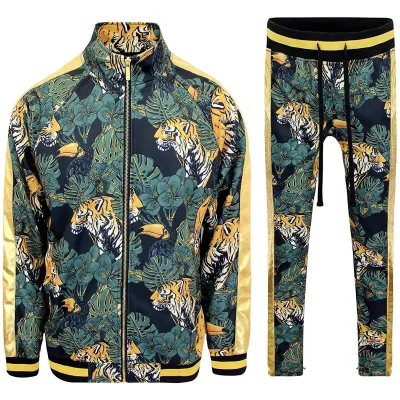


Bottoms Custom Tracksuits for Men Cotton Polyester Sportswear Tracksuit Wholesale
$25.90 - $29.90
MOQ: 50 pieces





Men Tracksuit Set Custom Men Tracksuits Custom Logo Men′ S Hoodies
$4.00 - $7.50
MOQ: 300 Pieces


Comprehensive Sourcing Guide
Vintage Printed Cotton Spandex Tracksuit Sourcing Guide
Sourcing a Vintage Printed Cotton Spandex Tracksuit requires balancing aesthetic authenticity with modern performance expectations. Buyers must navigate a market where "vintage" often refers to the visual style rather than the material composition, as pure vintage garments rarely contain spandex. The core challenge lies in identifying suppliers who can replicate the distressed, retro aesthetic while delivering the durability and fit provided by synthetic blends. This guide outlines the critical verification steps for material composition, printing techniques, and supplier reliability to ensure the final product meets both design intent and functional requirements.
Procurement teams should approach this category with a clear distinction between fashion-forward casual wear and technical sportswear. While the keyword suggests a specific blend, observed market data indicates a wide variance in actual material compositions, ranging from 100% cotton to polyester-cotton mixes with varying elastane content. Understanding this spectrum is essential for defining the correct product specification sheet before engaging with manufacturers. The following sections detail how to validate these attributes, manage costs, and mitigate quality risks associated with custom printed apparel.
Product Scope and Observed Listing Signals
The observed product landscape reveals a significant divergence between the requested material blend and available listings. Many suppliers offer tracksuits described as "vintage" or "retro" that are primarily constructed from cotton or polyester-cotton blends, with spandex content often omitted from primary descriptions or listed as a minor component for stretch. Buyers must verify if the "spandex" component is present in the fabric weave or if it is a marketing term for a stretch-fit silhouette. The presence of graphic and logo patterns, along with customization options for names and numbers, suggests a strong overlap with customizable sportswear and streetwear markets rather than traditional vintage reproduction.
Listing signals also highlight a broad range of customization capabilities, including sublimation printing, logo printing, and pattern customization. These features indicate that many suppliers are OEM factories capable of producing high-volume, branded orders rather than small-batch vintage reproductions. The availability of more than 200 color options and support for custom samples further emphasizes the flexibility of these suppliers. However, this flexibility requires careful management to ensure that the "vintage" aesthetic is not lost in the translation to mass production techniques like sublimation, which may alter the hand-feel and visual texture of the garment.
Technical Specifications to Verify
Material composition is the most critical technical specification to verify, as the presence of spandex significantly impacts the garment’s fit, recovery, and care requirements. Buyers should request detailed fabric breakdowns, looking for specific percentages of cotton, polyester, and elastane/spandex. A typical vintage-style tracksuit might use a cotton-polyester blend for durability and a soft hand-feel, with a small percentage of spandex (e.g., 2-5%) to provide stretch. Without explicit confirmation, buyers risk receiving a garment that lacks the necessary elasticity or, conversely, one that is too synthetic for the desired casual aesthetic.
Printing and pattern application methods must also be scrutinized to ensure the "vintage" look is achieved correctly. Traditional vintage prints often involve screen printing or discharge printing to achieve a faded, soft feel. In contrast, many observed listings support custom sublimation printing, which offers vibrant, all-over designs but can result in a stiffer hand-feel and a different visual texture. Buyers should request physical samples to evaluate the print quality, ensuring that the graphic does not crack or peel after washing and that the color palette accurately reflects the intended retro aesthetic. Additionally, verify the GSM (grams per square meter) of the fabric, as heavier weights (e.g., 300gsm) provide a more substantial, premium feel suitable for outerwear.
Compliance and Safety Documentation
Chemical compliance is paramount when sourcing garments with synthetic blends and custom prints. Buyers must ensure that the spandex and any synthetic components in the fabric meet relevant safety standards for restricted substances, such as AZO dyes, formaldehyde, and heavy metals. These regulations vary by target market, with the EU having strict REACH regulations and the US enforcing CPSIA guidelines for certain demographics. Suppliers should provide test reports from accredited laboratories confirming that the dyes used in the vintage printing process are non-toxic and safe for skin contact.
Labeling and fiber content accuracy are also critical compliance areas. Mislabeling the fiber content, such as claiming a higher cotton percentage than actually present, can lead to legal penalties and reputational damage. Buyers should verify that the supplier’s labeling practices comply with local textile labeling laws, including accurate care instructions that account for the spandex content. Proper care labels are essential to guide consumers on washing temperatures and drying methods that preserve the integrity of the elastic fibers and prevent shrinkage or distortion of the vintage print.
Cost Drivers and Commercial Terms
The cost of a Vintage Printed Cotton Spandex Tracksuit is driven primarily by material composition, printing complexity, and order volume. Higher cotton content and the inclusion of spandex generally increase the base fabric cost compared to standard polyester tracksuits. Additionally, the printing method chosen significantly impacts pricing; sublimation printing may have higher setup costs but lower per-unit costs for complex, multi-color designs, while screen printing may be more cost-effective for simpler, limited-color graphics. Buyers should request detailed cost breakdowns to understand how these variables affect the final unit price.
Minimum Order Quantities (MOQs) and payment terms are key commercial considerations that vary widely among suppliers. Observed data indicates MOQs ranging from 1 to 500 units, with some suppliers offering low MOQs for custom samples or small batches. Buyers should negotiate MOQs based on their sales forecast and inventory capacity, keeping in mind that lower MOQs may come with higher per-unit costs. Payment terms, such as Trade Assurance, T/T, or Western Union, should be aligned with the supplier’s reputation and the order size, with larger orders typically requiring more secure payment methods to mitigate risk.
Supplier Qualification and Quality Control
Supplier qualification should begin with a thorough review of their manufacturing capabilities and past performance. Buyers should verify that the supplier has experience in producing custom printed apparel, particularly with the specific techniques required for the vintage aesthetic. Requesting references or case studies of similar projects can provide insight into the supplier’s ability to meet quality expectations and deadlines. Additionally, assessing their supply chain transparency, including the source of their fabrics and dyes, can help ensure consistency and reliability in production.
Quality control processes must be clearly defined and agreed upon before production begins. Buyers should establish a detailed quality assurance plan that includes pre-production sample approval, in-line inspections during manufacturing, and final random inspections before shipment. Key quality metrics should include print alignment, color consistency, fabric weight, and stitching integrity. Implementing a clear defect tolerance level and a process for addressing non-conforming goods is essential to maintain product quality and customer satisfaction.
Long-Term Procurement Checks
Building a long-term relationship with a reliable supplier requires ongoing performance monitoring and continuous improvement initiatives. Buyers should track key performance indicators such as on-time delivery rates, defect rates, and responsiveness to issues. Regular communication and feedback loops can help identify areas for improvement and strengthen the partnership over time. Additionally, staying informed about changes in material availability, printing technologies, and regulatory requirements can help buyers adapt their sourcing strategies and maintain product competitiveness.
Sustainability and ethical sourcing practices are increasingly important considerations for long-term procurement success. Buyers should evaluate their suppliers’ commitment to environmental responsibility, including the use of eco-friendly dyes, waste reduction practices, and fair labor standards. Incorporating these factors into supplier selection and evaluation processes can enhance brand reputation and align with growing consumer demand for ethically produced apparel. By prioritizing sustainability and ethical practices, buyers can build a resilient and responsible supply chain for their vintage printed cotton spandex tracksuits.
FAQs
What customization options are available for the tracksuit?
Customization is available for logos, names, numbers, and patterns on the tracksuit. Buyers can request specific designs or branding elements to match their requirements. The product supports customized logo printing and offers more than 200 color options for selection.
Which materials are used to make the vintage tracksuit?
The tracksuit is primarily made from cotton or a polyester cotton blend. Some variants feature 100% cotton with a 300gsm weight standard. The material selection ensures durability and comfort suitable for both casual wear and various sports activities.
Can I order a custom sample before placing a bulk order?
Yes, a custom sample is available for buyers to review before committing to a large order. This allows verification of quality, fit, and design accuracy. Samples help ensure the final product meets specific expectations regarding style and material composition.
How is the tracksuit packed for shipping?
The product is packed as one piece per poly bag or one set per OPP bag. This packaging method protects the garment during transit while keeping it organized. The packing standard ensures the item arrives in good condition for retail or distribution.
What sizes are offered for the vintage printed tracksuit?
Sizes range from XL to XXXL, with customized sizing options also available. The product is designed for adults and youth, fitting various body types. Buyers can select standard sizes or request specific measurements to suit their target demographic.
Which shipping methods are supported for international orders?
Shipping is supported via EMS, DHL, FedEx, TNT, and sea ship. These options provide flexibility for different urgency levels and budget constraints. Buyers can choose the most suitable logistics partner based on their delivery timeline and cost requirements.
What payment methods are accepted for this product?
Accepted payment methods include Trade Assurance, T/T, Western Union, and online payment. These options provide secure transaction channels for both buyers and suppliers. The variety of methods ensures convenience and trust during the purchasing process.