Organic Chemical Sunscreen Spray Suppliers and Manufacturers
Explore 15 verified suppliers offering Organic Chemical Sunscreen Spray with OEM and ODM capabilities. Compare dimensions including location, lead times, certifications, and pricing to find the right partner. Contact suppliers directly to request samples and verify production capacity; review the available evidence before requesting comparable quotations from suitable candidates.
Suppliers List

Shandong Vianor Pharma Co., Ltd.
- Verified by BV
- Combined
- China Shandong
- Lead time30 days
- Avg. response≤ 3h
Main productsNasal Inhaler Vaporub Stick Aromatherapy Refesh, Pet Care Shampoo Paw Balm Oral Care, Personal Care Household Toothpaste Mouth Wash, Cosmetic Factory Body Care Lotion Hair, Sport Care Pain Relief Muscle Care Spray, Healthy Care Natural Essential Oil Embrocation, Aromatic Stick Medicated Essential Oil Vapo Pad, Healthy Nutrition and Dietary Supplements, Daily Beauty Care Skin Care Body Oil Lube Oil, Patches Pain Relief Blister Plaster Bandage
Main marketsSoutheast Asia/ Mideast,North America


Natural Sunscreen Moisturizer Sunblock Whitening Mineral Sunscreen Organic Sunscreen Spray
$0.80 - $2.50
MOQ: 30000 Pieces


Hangzhou Yimai Biotech Co., Ltd.
- Verified by TUVRHEINLAND
- Trading Company
- China Zhejiang
- Lead time0 days
- Avg. response≤ 12h
Main productsGluthatione Injection, Cosmetic Vitamin C Injection, Thioctic Acid Injection, Vitamin B12 Injection, Vitamin B Complex Injection, Vitamin B Complex Powder, Cannula, Gluthatione Capsule, Syringe, Multi Vitamin Injection
Main marketsSouth America,Eastern Europe,Mid East,North America,Southeast Asia,Eastern Asia,Oceania,Western Europe,Africa


$3.80 - $5.90
MOQ: 3 Pieces

Zhenjiang Huorun E-Commerce Co., Ltd.
- Verified by TüVRheinland
- Trading Company
- Lead time45 days
- Avg. response≤ 1h
Main productsBeauty Salon Products, Skin Care Spray, Facial Care, Hair Styling, Perfume
Main marketsNorth America(30%), Eastern Europe(20%), Southeast Asia(20%)
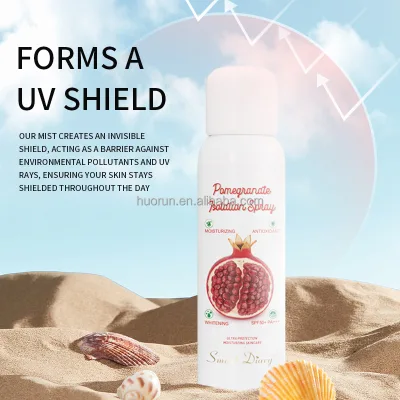
Organic Herbal Solar Natural Private Label Face Skin Care Whitening and Sunscreen Spray
$1.39 - $1.85
MOQ: 500 pieces
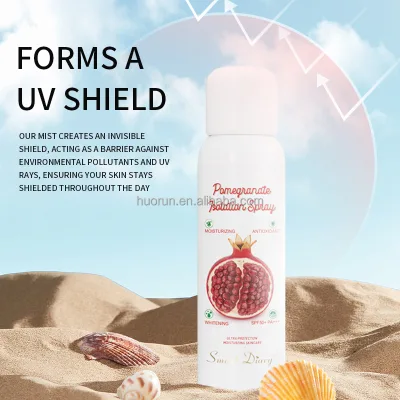
High Quality Organic Herbal SPF50 Sunscreen Spray Whitening Effect for Seaside Swimming
$1.42 - $1.89
MOQ: 500 pieces
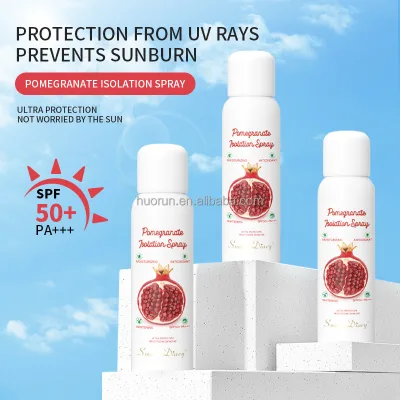
150ml Pomegranate Seaside Sunscreen Spray Organic Herbal Moisturizing and Whitening SPF50PA+++
$1.43 - $1.90
MOQ: 500 pieces
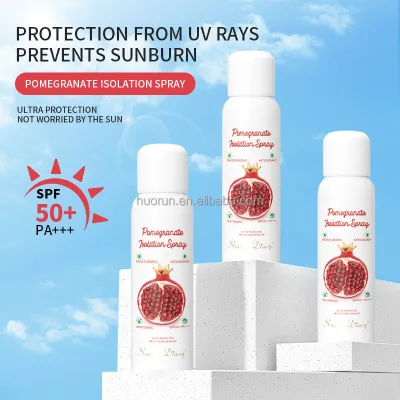
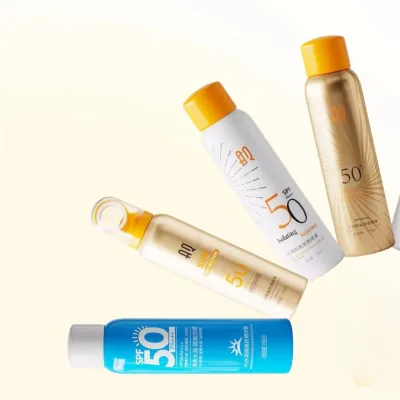
OEM Private Label Light Organic Face Protection Daily Moisturizer Sunscreen Spray for Face Body
$1.22 - $1.42
MOQ: 20000 units
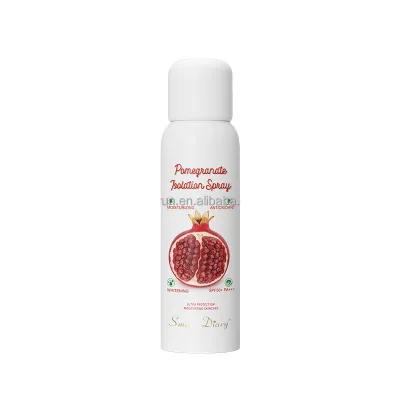
$1.39 - $1.85
MOQ: 500 pieces
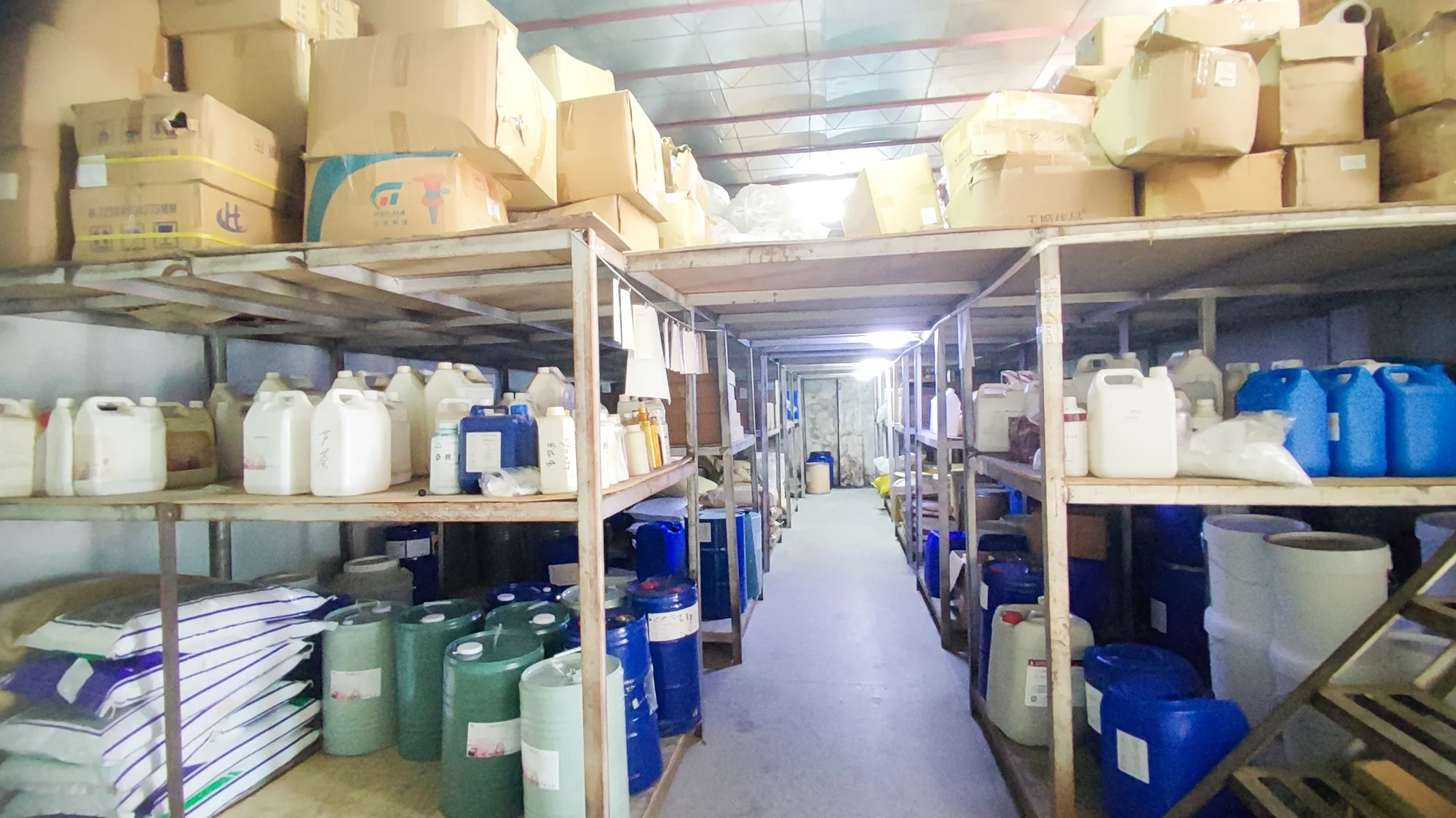
Guangzhou Huicai Cosmetics Co., Ltd.
- Trading Company
- Guangdong, China
- Lead time7 days
- Avg. response≤ 6h
Main productsHair Styling Product,Shampoo,Hair Dye,Argan Oil,Mousse
Main marketsSoutheast Asia(26.00%), North America(25.00%), Western Europe(18.00%), Mid East(11.00%), Eastern Europe(10.00%), Africa(10.00%)
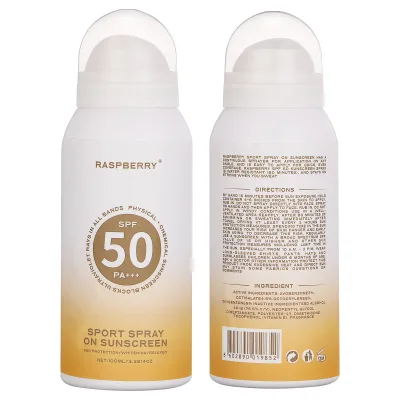
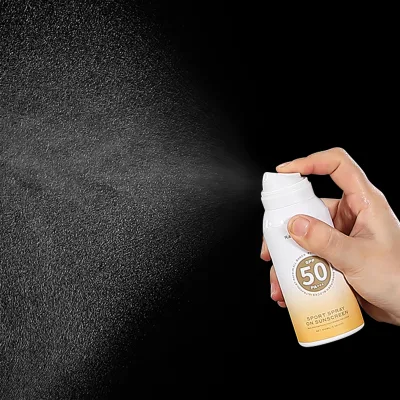
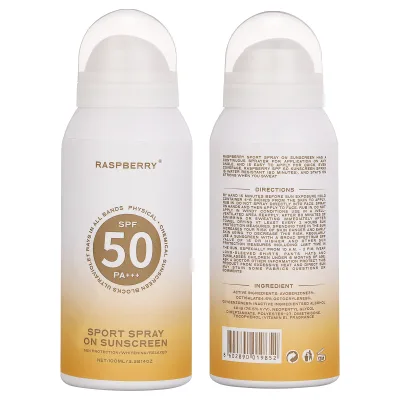
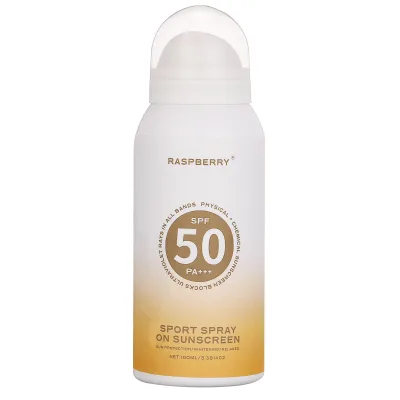
$1.16 - $1.34
MOQ: 5000 pieces
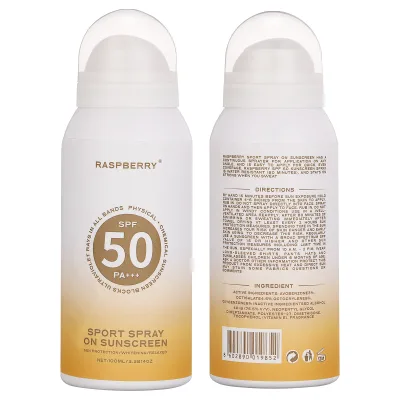
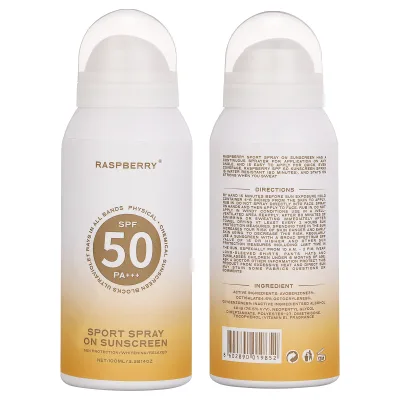
$1.16 - $1.34
MOQ: 5000 pieces

Guangzhou Aifujia Biotechnology Co., Ltd.
- Trading Company
- China Guangdong
- Lead time15 days
- Avg. response≤ 5h
Main productsFace Cream, Face Serum, 24K Serum, Rose Spray, Vitamin C Serum, Skin Care Set, Essential Oil, Facial Mask, Face Lotion, Anti Aging Whitening Face Cream
Main marketsSoutheast Asia/ Mideast,Europe,North America


SPF 50 Sunblock Sun Protection Screen Moisturizer Whitening Organic Sunscreen Cream
$1.99 - $2.60
MOQ: 1000 Pieces

SPF50+ Sunscreen Spray Mist Moisture Sun Protection Isolation Best Selling
$1.99 - $2.99
MOQ: 1000 Pieces

Reina Cosmetics (Guangzhou) Co., Ltd.
- Manufacturer/Factory
- China Guangdong
- Lead time30 days
- Avg. response≤ 23h
Main productsSkin Care Products, Hair Care Products, Personal Care Products, Hair Color and Perm Products, Sunscreen Products, Minoxidil, Suncare Products, Body Care Products, OTC Personal Care, Aerosol Personal Care
Main marketsSouth America,Eastern Europe,Mid East,North America,Southeast Asia,Eastern Asia,Oceania,Western Europe


$1.20 - $1.40
MOQ: 30000 Pieces


Shenzhen Sunny Chemical & Science Co., Ltd.
- Manufacturer, Trading Company
- Guangdong, China
- Lead time15 days
- Avg. response≤ 4h
Main productselectronic cleaner,lubricating agent,rust inhibitor,mold release agent,lubricating grease
Main marketsDomestic Market(60.00%), Southeast Asia(8.00%), South America(8.00%), Eastern Europe(5.00%), Eastern Asia(4.00%), Northern Europe(3.00%), South Asia(3.00%), Mid East(3.00%), North America(2.00%), Western Europe(2.00%), Southern Europe(2.00%)
Hongliyuan Tech (guangzhou) Llc
- Manufacturer, Trading Company
- Guangdong, China
- Lead time15 days
- Avg. response≤ 2h
Main productsCosmetics, Hair Care Products, Skin Care Products
Main marketsDomestic Market(53.00%), North America(10.00%), Southeast Asia(8.00%), Northern Europe(6.00%), South America(5.00%), Eastern Europe(5.00%), Oceania(3.00%), Western Europe(2.00%), Southern Europe(2.00%), Central America(2.00%), South Asia(1.00%), Eastern Asia(1.00%), Africa(1.00%), Mid East(1.00%)
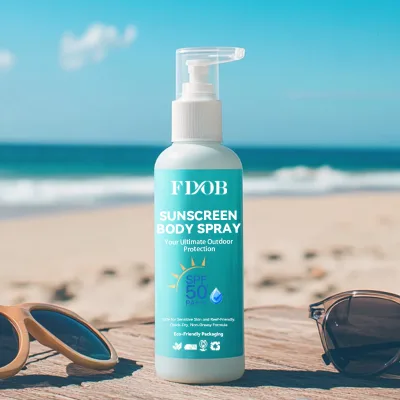
SPF50+ Sunscreen Spray with Prebiotics & Postbiotics for Skin Barrier Support
$5.12 - $6.16
MOQ: 500 pieces
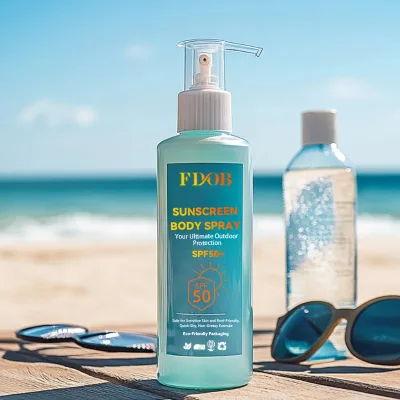
SPF50+ Body Sunscreen Spray with Blue Light Protection & Anti-Pollution Shield
$4.90 - $5.90
MOQ: 500 pieces
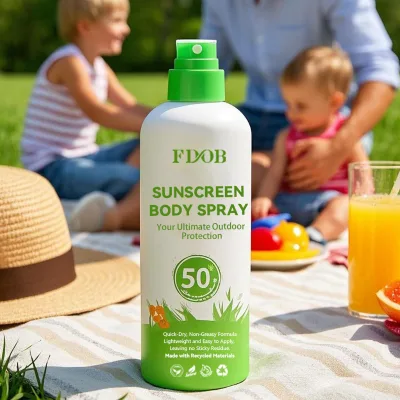
Reef-Safe Body Sunscreen Spray SPF50+ Mineral-Based Hypoallergenic Formula
$5.12 - $6.16
MOQ: 500 pieces
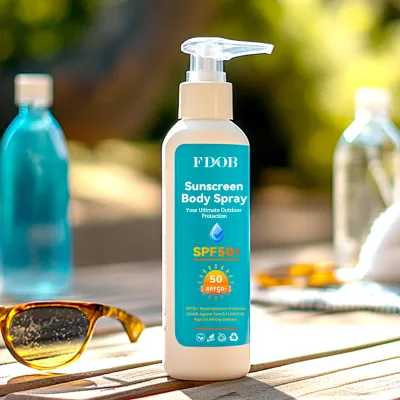
SPF50+ Body Sunscreen Spray with Cooling Menthol for Instant Refreshment
$4.90 - $5.90
MOQ: 500 pieces
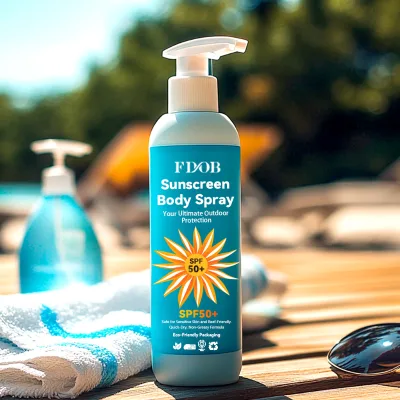
SPF50+ Body Sunscreen Spray Multi-Surface Protection for Skin & Hairline
$5.08 - $6.12
MOQ: 500 pieces
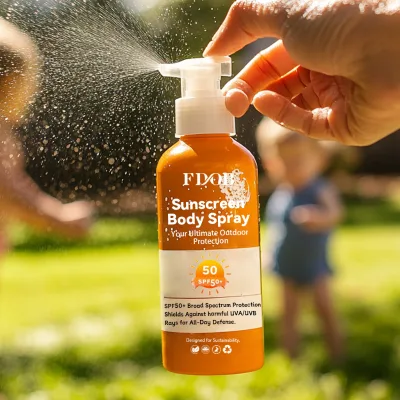

Guangzhou Aixin Cosmetic Co., Ltd.
- Verified by TUVRHEINLAND
- Trading Company
- China Guangdong
- Lead time15 days
- Avg. response≤ 5h
Main productsSkin Care, Cosmetic, Face Mask, Beauty, Body Scrub, Face Care, Body Care, Skin Care Product, Mask, Cream
Main marketsDomestic

Beauty Cosmetics Body Spray Sun Protection No Blackening Not Greasy Sunscreen Spray
$3.00 - $4.00
MOQ: 100 Pieces

Beauty Cosmetics Skin Care Natural Sunblock Liquid Sunscreen Serum Sunscreen Serum
$2.20 - $3.60
MOQ: 100 Pieces

Cosmetics Skin Care Spray Repairing Mist Sunblock Protection SPF 30 Hair Sunscreen
$2.00 - $3.00
MOQ: 100 Pieces

Guangzhou Zaomi Cosmetic Technology Co., Ltd.
- Verified by CTI
- Trading Company
- China Guangdong
- Lead time15 days
- Avg. response≤ 5h
Main productsHair Spray, Mist Toner Spray, Sunscreen Spray, White Shoes Cleaner, Men Shaving Foam, Hair Conditioner, Body Lotion, Kitchen Cleaner, Facial Spray, Air Freshener
Main marketsSouth America,Southeast Asia/ Mideast,Europe

Zaomi Sun Protection Whitening Sunscreen Spray SPF50 PA++ Anti-UV Sunscreen Spray
$2.30 - $2.44
MOQ: 20000 Pieces

$2.30 - $2.44
MOQ: 20000 Pieces

Factory Wholesale OEM Label Body and Face Sunblock Waterproof Whitening Sunscreen Spray
$2.30 - $2.44
MOQ: 20000 Pieces

$2.30 - $2.44
MOQ: 20000 Pieces

Wholesale Private Label Children Sunscreen Spray Whitening Sunblock Spray SPF 50
$2.30 - $2.44
MOQ: 20000 Pieces

$2.30 - $2.44
MOQ: 20000 Pieces

Zhejiang Yafu Cosmetics Co., Ltd
- Verified by SGS
- Combined
- China Zhejiang
- Lead time30 days
- Avg. response≤ 2h
Main productslipstick
Main marketsEast Asia(Japan/ South Korea),Europe,North America
- Verified by Intertek
- Manufacturer, Trading Company
- Lead time35 days
- Avg. response≤ 2h
Main productsHair Mousse, Dry Shampoo, Hair Spritz, Root Touch-up Spray, Oil Sheen Spray
Main marketsAfrica(50%), Domestic Market(23%), North America(16%)
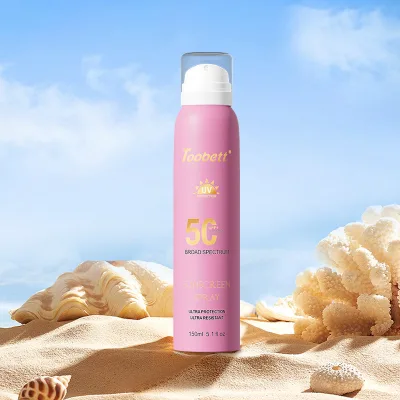
$0.96 - $1.00
MOQ: 10000 pieces
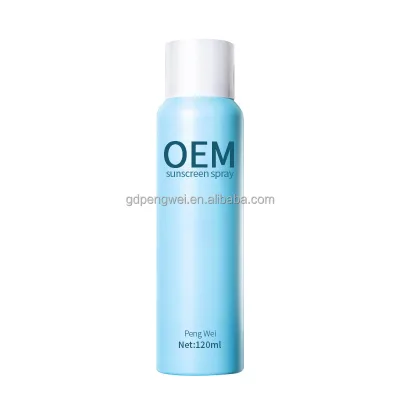
Guangdong Peng Wei Fine Chemical Co., Limited
- Verified by Intertek
- Manufacturer, Trading Company
- Lead time20 days
- Avg. response≤ 4h
Main productsFacial care spray, Party spray, Hair care spray, Shower foam, Deodorant spray
Main marketsDomestic Market(43%), North America(16%), South America(14%)
$0.76 - $1.20
MOQ: 20000 pieces
$0.76 - $1.20
MOQ: 20000 pieces

Guangzhou Mebamy Cosmetics Co., Ltd.
- Verified by TUVRHEINLAND
- Manufacturer/Factory
- China Guangdong
- Lead time15 days
- Avg. response≤ 5h
Main productsFace Serum, Soap, Face Cream, Sunscreen, Eyelash Growth Serum, Teeth Whitening, Face Mask, Facial Cleanser, Essential Oil, Hair Care Series
Main marketsNorth America,Western Europe

Guangzhou EmbAroma Cosmetics Co., Ltd.
- Verified by BV
- Trading Company
- China Guangdong
- Lead time30 days
- Avg. response≤ 2h
Main productsSkincare, Cleanser, Moisturizer, Sunscreen, Toner, Serum, Exfoliant, Body Lotion, Hand Cream, Essential Oil
Main marketsDomestic

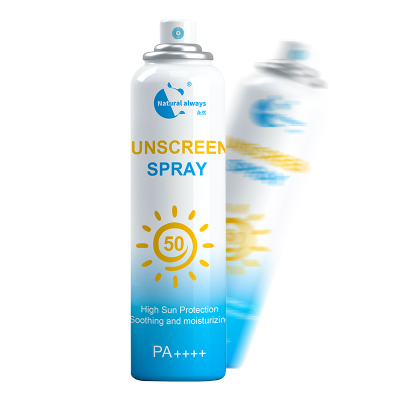
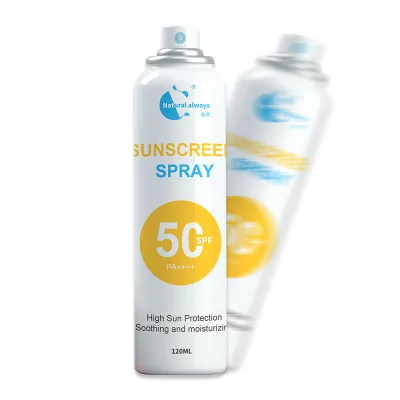
Hot Sell Skin Care Sun Protection Cream Natural Lightweight Sunscreen SPF 90
$0.80 - $1.10
MOQ: 288 Pieces




Comprehensive Sourcing Guide
Organic Chemical Sunscreen Spray Supplier Concentration and Factory Types
Sourcing results for Organic Chemical Sunscreen Spray show concentration in eastern China, with Shandong and Zhejiang appearing among listed supplier locations and one Jiangsu origin noted at the product level. Shandong entries present as combined manufacturers whose main products span personal care, household items, and sport care, with sunscreen sprays listed as specific products. This mix suggests factories built around broader cosmetic and personal care lines that can absorb sunscreen spray production as one SKU among many. Buyers should treat such breadth as a signal to probe how much dedicated sunscreen formulation capability actually exists behind the listing.
Factory types on this page divide into combined manufacturers and trading companies. The manufacturing-type entries advertise ODM, OEM, and own-brand capacity, while the trading company entry offers OEM only, with injections and vitamins as its dominant product lines and sunscreen spray as a secondary listing. A third entry describes sample processing, graphic processing, and customized on-demand services, which points toward a formulation-service model rather than pure volume manufacturing. When assessing any cluster, buyers should map which suppliers hold their own production licenses versus which resell from partner factories, because the same SPF50 spray format can come from very different operational depths. Location alone does not prove capability; ask each supplier to state its exact role, its production site address, and whether sunscreen is a core or incidental product line before shortlisting.
How to Verify Organic Chemical Sunscreen Spray Suppliers
Verification for this category should start with third-party inspection status shown in results. Several listed suppliers carry verification marks from BV or TÜV Rheinland, and one system certification list shows BSCI and GMP while another shows CPNP. None of these replaces product-level proof: for a sun protection product, you must confirm that the claimed SPF and PA values are backed by testing from a recognized laboratory, batch by batch, not only for the sample. One listing cites GMPC, ISO, FDA, MSDS, and COA at the product level; request the actual certificate documents and check scope, validity dates, and whether the certificate names the producing entity rather than the trading intermediary.
Practical verification steps for this page's suppliers: first, reconcile the supplier type with what they claim—combined manufacturers offering ODM should accept a request to visit or audit the filling and emulsification lines, while trading companies should disclose their partner factory. Second, test responsiveness under load; listed response times range from about one hour to nearly twelve, so send the same technical questionnaire to all candidates and compare turnaround quality, not just speed. Third, verify chemical compliance for the destination market, since "organic" claims on a chemical-filter sunscreen must be substantiated for both the organic content and the UV filters used. Ask for the full INCI list, filter percentages, and any organic certification of the botanical inputs, and confirm that claims like sulfate-free, vegan, or cruelty-free can be evidenced in writing before any deposit.
What to Compare Across Organic Chemical Sunscreen Spray Suppliers
Build a comparison matrix using the attributes actually displayed, without assuming every supplier shows every field. On this page, comparable dimensions include location, company type, verification body, system certifications, response time, lead time, research capacity, and main product lines. Lead times differ sharply in the observed data: one manufacturer lists thirty days and a service-oriented listing forty-five days, while a trading entry shows zero, which usually means the field was not filled and must be clarified rather than read as instant shipping. Response times span roughly one to twelve hours, a meaningful signal for how smoothly custom formulation projects will run.
Product-level economics also vary widely. Observed sunscreen spray listings range from about 0.80 to 2.50 per unit at a 30,000-unit minimum, from 1.39 to 1.85 at a 500-unit minimum, and from 3.80 to 5.90 at a 3-unit minimum. Price and MOQ clearly trade off: the lowest unit prices sit behind the largest commitments, while tiny MOQs serve sampling and market testing. Compare the full format package—spray versus cream versus lotion, 40ml to 150ml sizes, SPF50 and PA+++ claims, waterproof and oil-control functions, mineral versus chemical filters, and packaging in cartons or boxes. Also compare customization depth: whether private label, formula adjustment, bottle design, and graphic processing are available, and whether the supplier's main product lines indicate sunscreen expertise or a general cosmetics spread. Weigh which gaps are disqualifying for your order size and channel.
Common Organic Chemical Sunscreen Spray Sourcing Risks
The dominant risk in this category is unverified efficacy claims. Listings advertise SPF50, PA+++, UVA plus UVB protection, waterproofing, and whitening effects, but a listing attribute is a marketing statement, not a test result. If a batch underperforms the label, you face recalls, marketplace takedowns, and regulatory exposure in destination markets. Require third-party SPF and water-resistance test reports tied to your production batches, and put claim liability in the contract. A second risk is the "organic" label itself: several products mix organic or herbal positioning with chemical sunscreen ingredients, and organic claims on botanical inputs need certification evidence, while the UV filters remain subject to chemical regulations.
Supplier-structure risks follow from the mixed company types observed. Trading companies with zero listed lead time or unrelated main products may broker your order to an unknown factory, costing you control over formulation consistency. Even combined manufacturers listing sprays alongside nasal inhalers, pet shampoo, and injections may lack deep sunscreen expertise, so formulation drift between batches is a real threat to sensory quality and SPF stability. MOQ risk also runs both directions: a 30,000-unit commitment is heavy for an untested product, while a 3-unit or 500-unit listing may be a sample gateway to outsourced mass production. Finally, certification paperwork can be stale or scoped to a different entity, so verify GMPC, ISO, GMP, BSCI, or CPNP documents directly, confirm the certificate holder matches the contracting party, and stage pilot orders before scale.
Organic Chemical Sunscreen Spray Regional Sourcing and Logistics
The observed geography points to eastern China: Shandong appears as a manufacturing location with origins confirmed at product level, Zhejiang appears as a trading company location, and one product lists a Jiangsu origin. This corridor is a reasonable area to concentrate supplier outreach for sunscreen spray because personal care manufacturing, packaging supply, and aerosol or pump filling services sit close together, shortening the chain from bottle procurement to filled cartons. Buyers should still confirm each supplier's actual filling site, since a Shanghai or Shenzhen sales office does not tell you where the emulsification tanks are.
Logistics planning for this category has category-specific constraints. Sunscreen spray, whether aerosol or pump, is liquid content with flammability considerations for aerosol propellants, so confirm UN packing classification, dangerous-goods declarations, and which freight forwarders will accept the shipment before committing to a lead time. Observed lead times of thirty and forty-five days are plausible baselines, but add time for SPF test reports, destination-market registration documents, and seasonal compression—production queues lengthen ahead of northern-hemisphere summer. Packaging choices observed in listings, cartons or individual boxes, affect volumetric weight; 150ml units at roughly 0.195 kg gross each let you estimate container loading. Plan safety stock around a three-year listed shelf life, and ask about stability testing under tropical transit conditions, since heat exposure during ocean freight can degrade both SPF performance and emulsion stability for spray formats.
Organic Chemical Sunscreen Spray Commercial Terms and Order Planning
Observed price bands map cleanly onto order planning. Large-volume manufacturer pricing from roughly 0.80 to 2.50 per unit pairs with a 30,000-unit MOQ, fitting an established brand with proven demand. Mid-band pricing around 1.39 to 1.85 at a 500-unit MOQ fits private-label launches and channel testing. Small-quantity listings at 3.80 to 5.90 with a 3-unit MOQ are sampling tools, not commercial baselines. Staged ordering makes sense here: buy retail-level samples first, then a 500-unit pilot batch under your label, then negotiate the volume tier once SPF testing and market feedback clear. Confirm whether the tier price includes custom formulation, bottles, printing, and test reports, since customization is listed as available but rarely free.
Payment and lead-time terms should reflect the risk profile. Observed lead times of thirty and forty-five days mean a typical development cycle from approved sample to shipment can approach a season, so lock the production calendar in writing with the deposit, not verbally. Verify what payment methods are offered and whether any platform escrow or trade assurance mechanism covers your order; do not assume escrow exists because a supplier is verified by BV or TÜV Rheinland—those marks address audits, not payment protection. One listing states "payment term: all," which is too vague to plan against; specify deposit percentage, balance trigger, and inspection rights before balance payment. Finally, budget for re-testing each new production batch and clarify who bears cost if a batch fails its SPF specification.
FAQs
What does an Organic Chemical Sunscreen Spray typically cost per unit?
Listed pricing on the page ranges from roughly 0.80 to 5.90 US dollars per unit depending on formulation, size, and order volume. Entry-level wholesale sunscreen sprays sit near the lower end at higher volumes, while whitening or SPF 50 specialty formulas command more. Always request a written quotation tied to your final specification and quantity.
What is the minimum order quantity for sunscreen sprays?
Minimum order quantities vary widely by supplier and product. One listing shows an MOQ of 30,000 units for a mineral sunscreen spray, while another supplier lists an MOQ as low as 3 pieces for a facial whitening spray and 500 units for an herbal SPF 50 spray. Confirm MOQ in writing before sampling, as it often scales with customization level.
How long does production take after an order is confirmed?
Production lead times reported on this page range from about 30 to 45 days after order confirmation. Lead time depends on formulation complexity, packaging customization, and factory scheduling. Ask each supplier to confirm current lead time for your exact specification, and build in extra time for shipping and regulatory documentation before your launch date.
Can suppliers produce sunscreen sprays under my own brand?
Yes, most suppliers on this page offer OEM or ODM private-label production, with several also supporting their own brands or sample and graphic processing. Customization is marked available on key sunscreen spray listings. Prepare your artwork, formula preferences, and volume forecast early, because brand-name approvals, packaging design, and samples add time before mass production.
Which certifications should I verify when sourcing sunscreen sprays?
Product listings reference GMPC, ISO, FDA, MSDS, and COA documentation, and some suppliers hold system certifications such as BSCI, GMP, or CPNP. Third-party verification badges like BV and TUV Rheinland also appear on supplier profiles. Certifications alone are not proof of compliance, so request current certificates, check scope and expiry, and confirm they match your destination market.
Where are these sunscreen spray suppliers located?
The suppliers featured on this page are based in China, with manufacturing and trading companies located in provinces including Shandong, Zhejiang, and Jiangsu. Several listings also note the products themselves originate from Shandong or Jiangsu. Location affects shipping costs and factory visit options, so confirm the actual production site, not just the office address, before placing an order.
How quickly do these suppliers respond to buyer inquiries?
Average response times on this page range from about one hour to nearly twelve hours, with several suppliers responding in roughly one to two hours. Fast response helps when comparing quotes or resolving sample issues, but treat it as an indicator rather than a guarantee. Test responsiveness with detailed technical questions before committing to a supplier.