Source W5W Car Fisheye Lens for CCTV, Car Rearview, and Fishing
Find and compare 30 W5W Car Fisheye Lens options from Chinese manufacturers. Evaluate M12 mount, 1/4 sensor, and waterproof features for CCTV, car rearview, and underwater fishing applications.
Key considerations
Products List


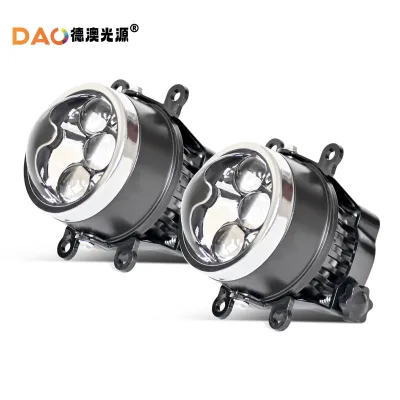
Wholesale Dual Light Fisheye Small Lens Automotive Universal LED Headlights
$10.86 - $12.21
MOQ: 100 Pieces


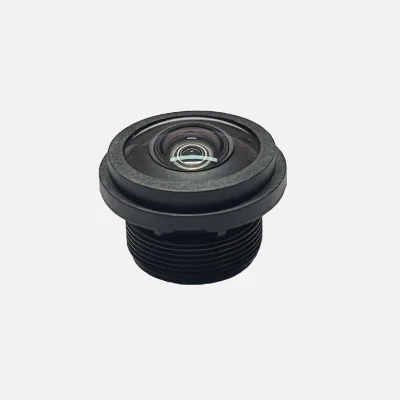
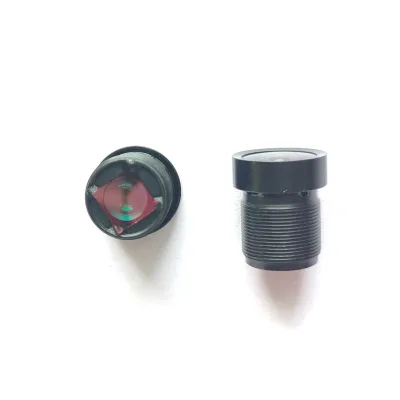
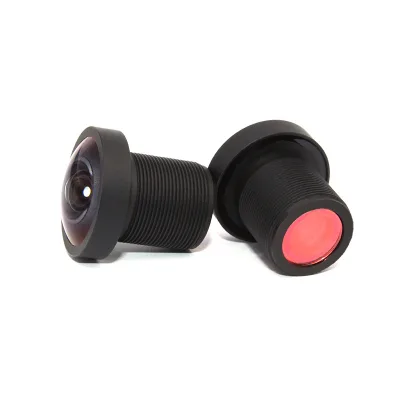
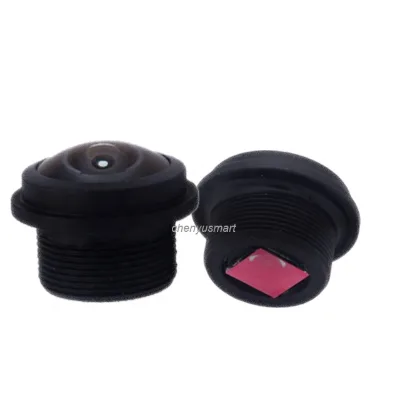
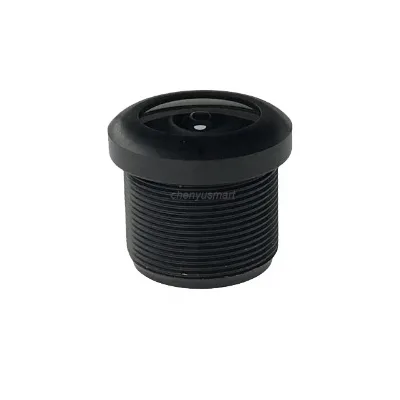
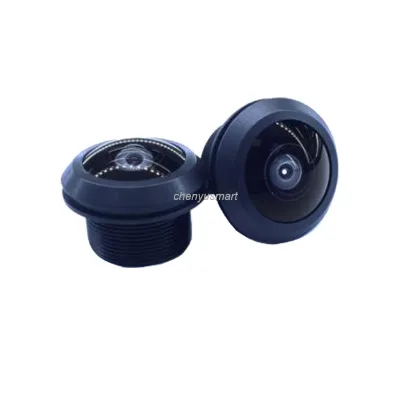

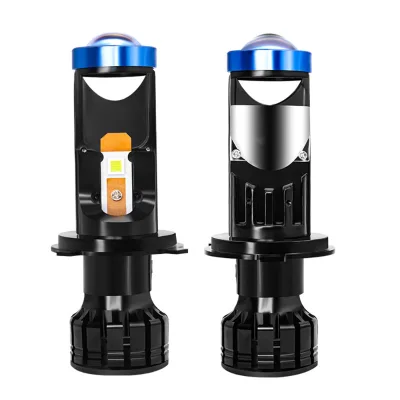


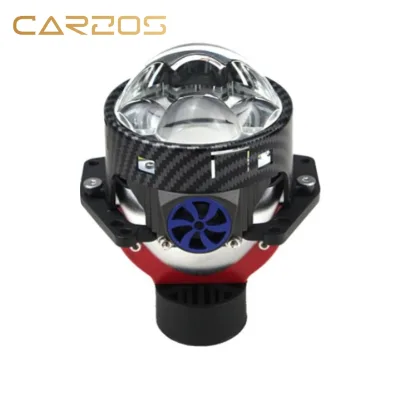
Car Headlight W60 3inch Bi-LED Projector Lens Auto Headlamp Lens Reflector 6500K
$28.56 - $30.98
MOQ: 10 Pieces


Auto Replacement Car Accessory OEM Car Outside Mirror Glass Lens for W203 &W211
$1.50 - $6.00
MOQ: 500 Pieces


Comprehensive Sourcing Guide
W5W Car Fisheye Lens Sourcing Guide
Product Scope and Observed Listing Signals
The market for W5W car fisheye lenses presents a diverse array of components that bridge automotive lighting and optical imaging systems. Sourcing data indicates a broad price range from $0.81 to $151.90 USD, reflecting significant variation in component complexity, optical quality, and intended integration method. Buyers must distinguish between simple W5W base illumination modules and complex fisheye lens assemblies designed for specific camera applications. The observed minimum order quantities (MOQ) span from 1 to 5,000 units, suggesting that suppliers cater to both prototyping needs and large-scale manufacturing contracts. This wide MOQ range allows procurement teams to negotiate flexibility, particularly when validating new designs or scaling production for automotive rearview or underwater fishing camera systems.
Geographic and logistical signals point to China as the primary country of origin, with specific manufacturing hubs identified in Guangdong and Changchun. The main sales areas for these components include Africa, Europe, South America, and Southeast Asia, indicating a global demand profile that requires suppliers to navigate multiple regulatory environments. Product models such as QYF-1542, QYF-1530, and HS-809-14/16 appear frequently, suggesting standardized form factors that may be interchangeable across different vehicle or device architectures. Buyers should note that while the base designation is W5W, the actual application can vary from standard car usage to specialized CCTV lenses, necessitating careful verification of the specific model number against the intended mechanical fit.
Technical Specifications to Verify
Optical performance is the primary differentiator in this category, with key attributes including focal length, aperture, and field of view. Specifications such as a 1.2mm focal length and an f/2.0 aperture are common for wide-angle applications, providing the necessary light gathering capability for low-light environments. The mount type is predominantly M120.5, a standard interface for industrial and automotive cameras, ensuring compatibility with a wide range of sensor modules. Buyers must verify the exact mount thread pitch and diameter, as variations like M12P0.5 or other custom mounts can lead to integration failures. Additionally, the sensor type, often listed as 1/4 inch, dictates the physical size of the image circle the lens must cover, requiring alignment with the target camera sensor dimensions.
Mechanical and structural specifications also play a critical role in long-term reliability. Attributes such as waterproof construction are essential for automotive and underwater applications, where exposure to moisture and vibration is inevitable. The minimum focus distance, typically around 0.3 meters, defines the operational range for close-up imaging tasks. Buyers should also inspect the physical dimensions, such as the standard package size of 19.319.517.1 cm or smaller single package sizes of 3x3x3 cm, to ensure compatibility with assembly line handling and final product housing. The structure of the lens barrel and the precision of the manual focus mechanism are vital for maintaining image clarity over time, especially in vehicles subject to constant vibration.
Compliance and Safety Documentation
Regulatory compliance is a multifaceted requirement for automotive and electronic components, with certifications varying by destination market. The observed certification landscape includes CCC, E-mark, DOT, GOST, SONCAP, PVOC, NRCS, GCC, and ARAI, among others. Each of these marks corresponds to specific regional safety and electromagnetic compatibility standards. For instance, E-mark and DOT are crucial for automotive applications in Europe and North America, respectively, while GOST is required for Eurasian Economic Union markets. Buyers must confirm that the supplier holds valid certificates for the specific models being purchased, as certification is often model-specific and not blanket for all W5W products.
In addition to regional certifications, general electronic safety standards such as CE and other unspecified standards may apply depending on the product classification. The presence of "Other" as a standard designation in some listings suggests that certain components may not fit neatly into standard regulatory categories or may be intended for internal use rather than direct consumer sale. Procurement teams should request copies of test reports and certificate validity dates to ensure ongoing compliance. It is also important to verify if the supplier provides documentation for RoHS or REACH compliance, which are increasingly mandatory for electronic components sold in major global markets, even if not explicitly listed in the initial product signals.
Cost Drivers and Commercial Terms
The cost of W5W car fisheye lenses is influenced by several factors, including the complexity of the optical design, the materials used, and the level of customization required. Basic models with standard focal lengths and apertures tend to fall at the lower end of the price spectrum, while lenses with specialized features like HD fisheye optics, customizable IR filters, or specific mounting configurations command higher prices. The availability of customization services allows buyers to tailor products to specific needs, but this often incurs additional tooling or setup fees. Buyers should clarify whether the quoted price includes packaging, such as the standard carton packaging observed, or if custom branding and packaging are available at an extra cost.
Commercial terms, including MOQ and lead times, significantly impact the total cost of ownership. While MOQs can be as low as 1 unit, larger orders often benefit from volume discounts, though the exact pricing structure is not publicly disclosed. Buyers should negotiate clear terms regarding payment methods, shipping responsibilities, and return policies for defective units. The single gross weight of 0.005 kg for some items indicates lightweight components, which can reduce shipping costs, but bulk orders may require palletization and specialized logistics. It is advisable to establish a clear agreement on how price fluctuations due to raw material costs or currency exchange rates will be handled over the duration of the contract.
Supplier Qualification and Quality Control
Supplier qualification is critical to ensuring consistent quality and reliable supply chains. Buyers should verify the supplier's manufacturing capabilities, including their experience with M12 mount lenses and waterproofing techniques. Factories located in Guangdong and Changchun may have different specializations, so understanding their core competencies is essential. Requesting samples for rigorous testing is a standard practice to evaluate optical performance, mechanical durability, and waterproof integrity. Buyers should also assess the supplier's ability to provide technical support and after-sales service, particularly for customized orders where troubleshooting may be more complex.
Quality control processes should be clearly defined and agreed upon before production begins. This includes specifications for incoming material inspection, in-process quality checks, and final random sampling. Suppliers should provide detailed quality reports, including test results for focal length accuracy, aperture consistency, and visual defect checks. For automotive applications, additional testing for vibration resistance and temperature cycling may be necessary. Buyers should consider implementing a pre-shipment inspection protocol to catch any defects before the goods leave the factory. Establishing a clear defect rate threshold and a process for handling non-conforming products is essential for maintaining supply chain integrity.
Long-Term Procurement Checks
Long-term procurement success depends on continuous monitoring of supplier performance and market trends. Buyers should regularly review supplier delivery times, product quality metrics, and responsiveness to issues. Building a strong relationship with the supplier can lead to better pricing, priority production slots, and early access to new product developments. It is also important to stay informed about changes in regulatory requirements, especially for automotive components, to ensure ongoing compliance. Suppliers who proactively update their certifications and adapt to new standards are more likely to be reliable long-term partners.
Technological advancements in lens design and camera sensors may render current models obsolete over time. Buyers should maintain a pipeline of alternative suppliers and stay updated on emerging technologies, such as higher resolution sensors or new mount types. Regularly revisiting the product specifications and comparing them with industry benchmarks can help identify opportunities for cost savings or performance improvements. Additionally, diversifying the supplier base across different geographic regions can mitigate risks associated with supply chain disruptions. By maintaining a strategic approach to procurement, buyers can ensure a steady supply of high-quality W5W car fisheye lenses that meet their evolving business needs.
FAQs
What certifications are available for W5W Car Fisheye Lens products?
Products carry multiple certifications including CCC, E-mark, DOT, GOST, SONCAP, PVOC, NRCS, GCC, ARAI, and CE. These ensure compliance with various regional safety and quality standards for automotive applications.
Can I request customization for the W5W Car Fisheye Lens?
Customization is available for these products to meet specific buyer requirements. Buyers can discuss tailored specifications with suppliers to align the lens features with their unique project needs.
What is the minimum order quantity for W5W Car Fisheye Lens?
The minimum order quantity ranges from 1 to 5000 units depending on the specific supplier and product model. Buyers should verify the exact MOQ with the manufacturer before placing an order.
Where are W5W Car Fisheye Lens products manufactured?
These products originate from China, with specific production locations including Changchun and Guangdong. The manufacturing base supports global distribution to regions like Africa, Europe, and South America.
What is the focal length of the W5W Car Fisheye Lens?
The focal length is specified as 1.2mm for certain models like the HS-809-14/16. This short focal length enables a wide angle of view suitable for rearview and surveillance applications.
Which models are available for the W5W Car Fisheye Lens?
Available models include QYF-1542, QYF-1530, QYF-1544, LJW933, QYF-1524, QYF-1705, and yt346. Each model may have distinct specifications regarding aperture, resolution, and mounting type.
What is the resolution of the W5W Car Fisheye Lens?
The lens offers a resolution of 5Mp for high-definition imaging. This resolution supports clear video capture for car rearview cameras and underwater fishing applications.