Source Wabi-Sabi Luxury Ceramic Vase for Home, Hotel, and Events
Explore 30 listings of wabi-sabi luxury ceramic vase options featuring handmade craftsmanship, matte and on-glazed finishes, and various sizes. Buyers can compare specifications like weight, dimensions, and packaging details to find the ideal piece for interior decoration or special occasions.
Key considerations
Products List
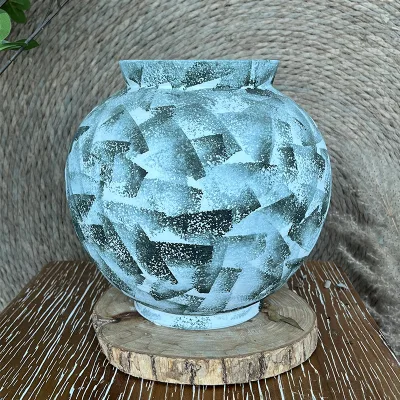
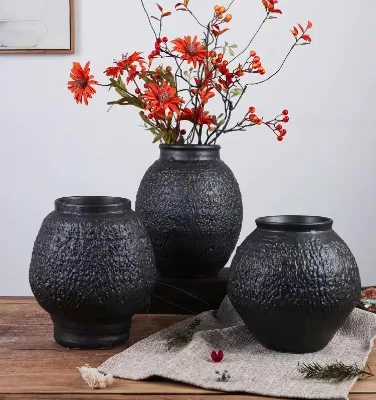
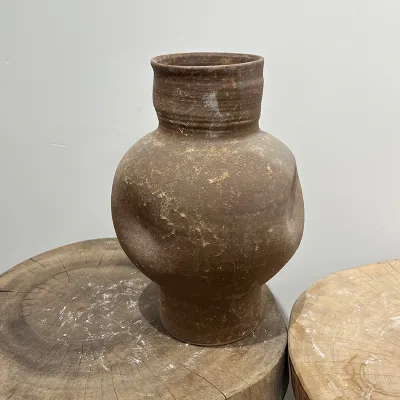
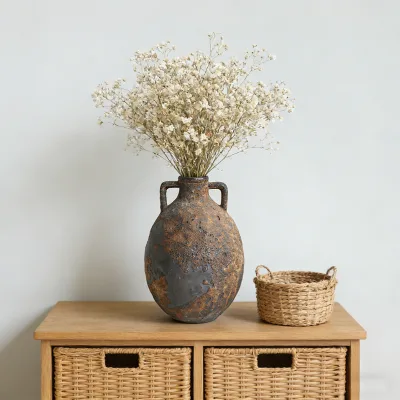
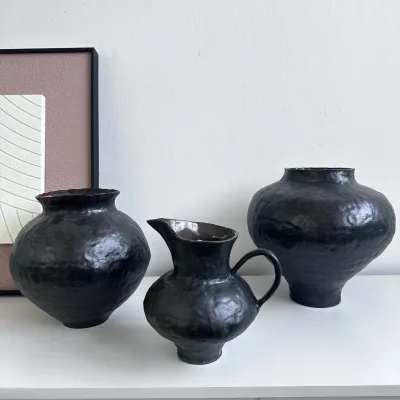
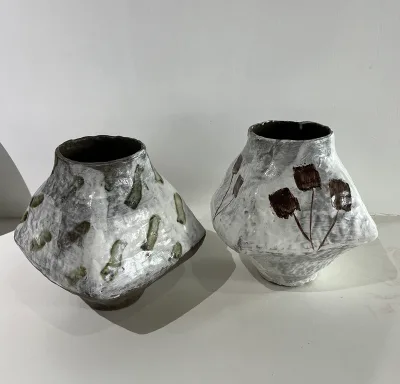


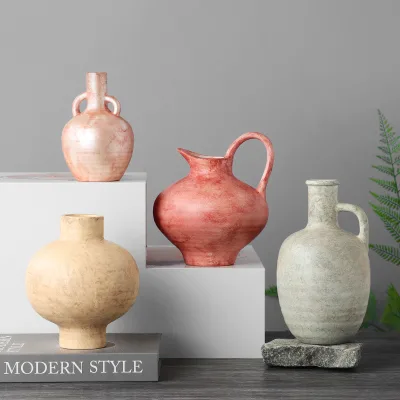


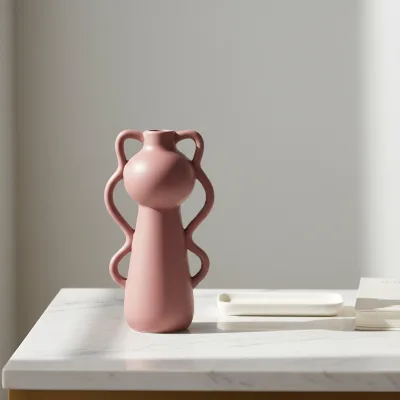


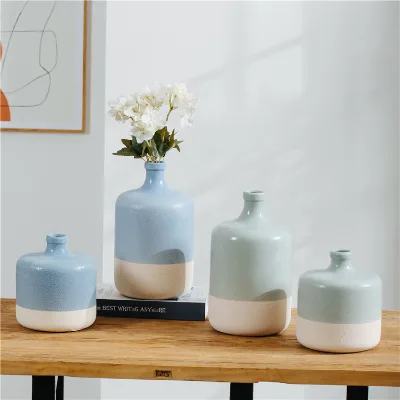

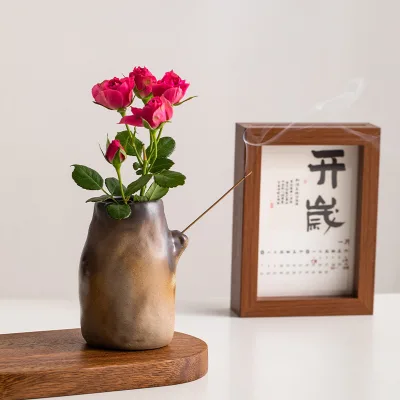
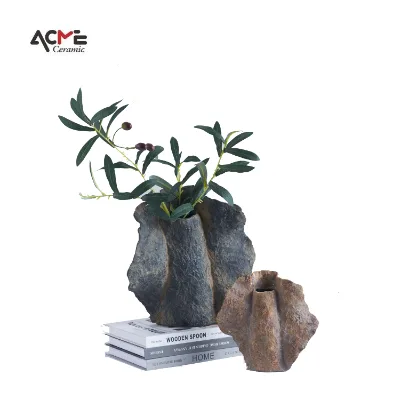
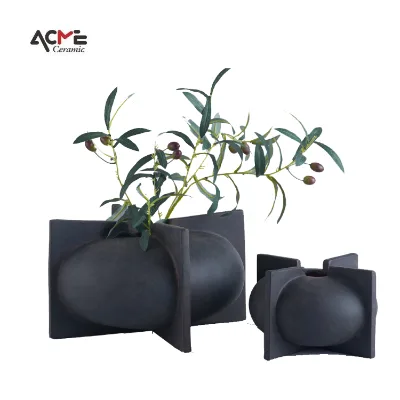


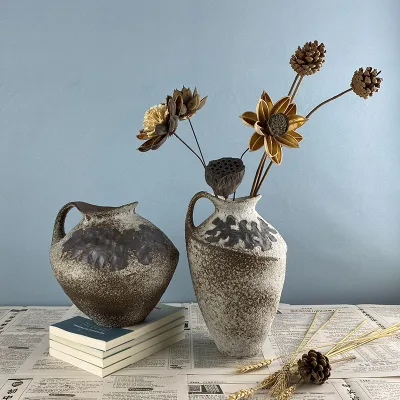
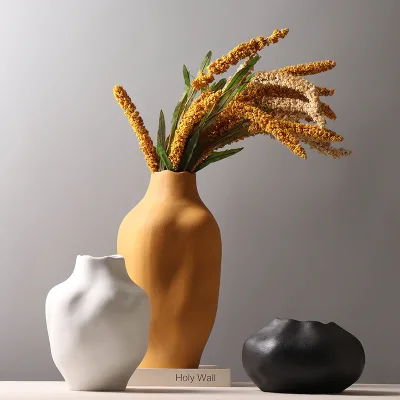
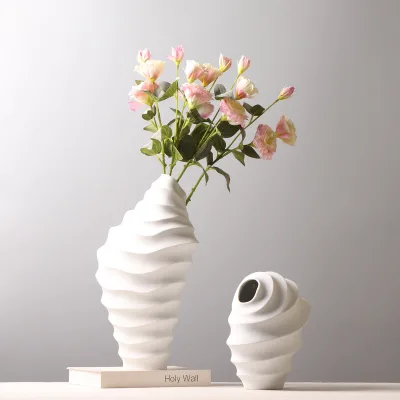
Wabi Sabi Ceramic Vase Ornament Living Room Decor Hydroponic Flower Arrangement
$3.02 - $3.37
MOQ: 300 Pieces
Comprehensive Sourcing Guide
Strategic Sourcing Guide for Wabi-Sabi Luxury Ceramic Vases
Understanding the Wabi-Sabi Aesthetic in Modern Procurement
The core keyword "wabi-sabi luxury ceramic vase" represents a specific intersection of artisanal tradition and contemporary interior design. In the context of B2B procurement, this aesthetic is defined by an appreciation for imperfection, impermanence, and incompleteness. When sourcing these items, buyers must look beyond standard mass-produced ceramics to identify pieces that embody the "Japanese Retro" and "Contemporary" design styles observed in the current market. The visual language of wabi-sabi relies heavily on matte glazes, earthy tones, and organic, often asymmetrical, forms.
In the observed product data, specific attributes align directly with this aesthetic. The "Style" field frequently lists "wabi-sabi" or "Japanese Retro," while the "glaze type" is often described as "Matte" or "On-glazed." The "Feature" of being "100% handmade" is a critical differentiator, as true wabi-sabi objects are rarely machine-perfect. The presence of a "distressed finish" or "Country Style" description further reinforces the intentional aging and textural roughness that defines the luxury segment. Procurement teams must verify that the supplier's inventory includes items with these specific visual characteristics, such as the "E1" color or "Brown 1" finishes, which suggest a natural, unrefined palette. The "Shape" is predominantly "round," yet the "Size difference" of up to 5cm is noted as normal for ceramics, a tolerance that buyers must accept as a hallmark of the handmade process rather than a defect.
Technical Specifications and Material Integrity
When evaluating the technical specifications of wabi-sabi luxury vases, the material composition and firing process are paramount. The primary material identified in the supply chain is "Porcelain" or "Ceramic," both of which offer the necessary durability for high-end home and hotel decoration. A critical technical parameter is the firing temperature, with specific listings noting a "1300 Degree Temperature Fired" craft. This high-temperature firing is essential for achieving the structural integrity and the specific matte or on-glazed surface textures required for the luxury market.
Dimensions vary significantly across the product range, reflecting the handmade nature of the goods. The "Size" specifications include ranges such as "High23cmDia25cm" or "High22cmDia23cm," with broader categories listed as "S," "M," and "L." The "Width" is observed between 8-12 inches, and the "Height" can range from 8 to 16 inches. Buyers should be aware that the "Single package size" varies, with observations of 40x40x40 cm, 35x35x42 cm, and 40x40x50 cm. These variations indicate that packaging must be customized to the specific model number, such as "SLDW001," "TB 008," or "SLD260303001."
The weight of the products is another significant technical factor. The "Single gross weight" ranges from 4.000 kg to 10.0 kg, with a specific observation of 6.000 kg for certain models. This weight variance impacts shipping logistics and cost calculations. The "Model number" serves as the unique identifier for these variations, ensuring that procurement orders match the exact dimensions and weight profiles required for the end-user's space. The "Place of origin" is consistently identified as "Jiangxi, China," a region known for its ceramic heritage, which provides a baseline for understanding the supply chain geography.
Compliance, Safety, and Environmental Standards
In the luxury segment, compliance extends beyond basic safety to include environmental and health assurances. The product data highlights several "Advantage" attributes, specifically "Healthy and Eco-friendly Frosted." This suggests that the glazing process and material composition are designed to meet modern safety standards for indoor use. Buyers should verify that the "Material" is free from harmful heavy metals, particularly since these vases are often used in "Home Decoration" and "Hotel Decoration" settings where they may come into contact with food or water if used as functional vessels, though they are primarily listed as "Tabletop Vase" or "Temple Vase for Home."
The "Feature" of being "Eco-Friendly" and "100% handmade" implies a lower carbon footprint in manufacturing compared to mass-produced industrial ceramics, though this requires verification of the supplier's energy sources and waste management practices. The "Packing" method is described as "Foam Packaging" and "Safe Packing," which are essential for preventing breakage during transit. However, buyers must ensure that the foam materials used are compliant with international environmental regulations regarding recyclability and toxicity.
Regarding certifications, while the provided data does not list specific third-party test results or certification bodies, the "Advantage" of being "Healthy" implies a need for compliance with standards such as FDA regulations for food contact or REACH for chemical safety in the European market. Procurement teams should request documentation proving that the "1300 Degree Temperature Fired" process has resulted in a stable, non-leaching surface. The "Logo Print" being "Available" and "Logo Customized Acceptable" indicates that the supplier can accommodate branding, but this customization must not compromise the material's safety or the integrity of the glaze.
Cost Drivers and Minimum Order Quantities
The pricing structure for wabi-sabi luxury vases is influenced by the "100% handmade" nature of the production. The observed listed price range in USD is 1.49 to 39.42, a wide spectrum that reflects the variance in size, complexity, and artisanal effort. The lower end of the range likely corresponds to smaller "S" size items or those with simpler finishes, while the higher end corresponds to larger "L" size items, such as those weighing 10.0 kg, or those with more complex "distressed finishes."
The "MOQ" (Minimum Order Quantity) is a critical cost driver. The data shows a range of 1 to 500 units, but specific high-confidence facts indicate an "MOQ" of "6 Pcs" or "6pcs" for certain models. This suggests that while some suppliers may accept small trial orders, the standard entry point for a dedicated wabi-sabi line is likely around 6 units per model. The "Selling Units" are listed as "Single item," which allows for mixed SKUs within a single order, provided the total quantity meets the MOQ per style.
The "Single gross weight" directly impacts freight costs. With weights ranging from 4.000 kg to 10.0 kg, the shipping cost per unit can vary significantly. Buyers must calculate the "Single package size" (e.g., 40x40x50 cm) to determine the volumetric weight and optimize container loading. The "Place of origin" in Jiangxi, China, places the goods in a major logistics hub, but the "Lead time" is not explicitly stated in the data. Buyers should anticipate that handmade items may have longer lead times than mass-produced goods, and the "Size difference" tolerance of up to 5cm should be factored into inventory planning to avoid stockouts due to minor variations.
Typical Applications and Market Segmentation
The versatility of wabi-sabi luxury ceramic vases makes them suitable for a diverse range of applications. The "Function" is explicitly listed as "Tabletop Vase," but the "Application" field expands to "Home Decoration Hotel Decoration." This indicates that these products are designed for both residential and commercial environments. In a residential setting, they serve as focal points in living rooms, entryways, or meditation spaces, aligning with the "Anniversary" and "Christmas" occasions listed. The "Style" of "Japanese Retro" and "Contemporary" ensures they fit well in modern interiors that value minimalism and natural textures.
For the hospitality sector, the "Application" of "Hotel Decoration" suggests use in lobbies, suites, and banquet halls. The "Feature" of being "Healthy and Eco-friendly" is particularly valuable for hotels seeking to market sustainable luxury. The "Keywords" such as "Temple Vase for Home" suggest a spiritual or meditative use case, which can be leveraged in wellness resorts or boutique hotels. The "Color" options, including "E1," "Black," and "Brown 1," allow for customization to match specific interior design schemes. The "Logo Customized Acceptable" feature enables hotels and brands to add their identity to the vases, turning them into branded merchandise or exclusive decor items.
Supplier Evaluation and Quality Control Protocols
Evaluating suppliers for wabi-sabi luxury vases requires a focus on craftsmanship and consistency. The "Feature" of "100% handmade" is a key indicator of quality, but it also introduces variability. Buyers must establish a robust quality control protocol that accounts for the "Size difference" of up to 5cm, which is considered normal for ceramics. This tolerance should be clearly defined in the purchase agreement to prevent disputes over minor dimensional discrepancies.
The "Craft" of "1300 Degree Temperature Fired" should be verified through on-site audits or third-party testing. Buyers should request samples to assess the "Glaze type," ensuring that the "Matte" or "On-glazed" finish is consistent and free from defects like cracking or peeling. The "Packaging" must be inspected to ensure it meets the "Safe Packing" standard, particularly for items with a "Single gross weight" of up to 10.0 kg. The "Foam Packaging" should be thick enough to absorb shocks during transit, and the "Single package size" should be optimized to minimize damage.
When comparing suppliers, buyers should look for those who offer "Logo Print" and "Logo Customized Acceptable" services, as this indicates a higher level of service capability. The "Model number" system (e.g., SLDW001, TB 008) should be clear and consistent, allowing for easy tracking of inventory and reordering. The "Place of origin" in Jiangxi, China, is a positive indicator of ceramic expertise, but buyers should verify the specific factory's capacity to handle "Anniversary" and "Christmas" peak seasons without compromising quality.
Long-Term Procurement and Supply Chain Resilience
Long-term procurement of wabi-sabi luxury vases requires a strategic approach to supply chain resilience. The "MOQ" of 6 pcs suggests that buyers can start with small orders to test the market, but scaling up requires a commitment to consistent quality. The "Age" attribute listed as "Antique" in some contexts may refer to the style rather than the actual age of the product, but buyers should clarify this to ensure they are purchasing new, handmade items with an antique aesthetic.
The "Color" attribute "Pictures Showed" indicates that visual representation is crucial. Buyers should ensure that the supplier provides high-resolution images that accurately reflect the "E1," "Black," or "Brown 1" colors, as lighting conditions can significantly alter the perception of matte glazes. The "Design style" of "Contemporary" and "Japanese Retro" suggests that these products have a timeless appeal, making them a stable investment for long-term inventory.
To mitigate risks, buyers should diversify their supplier base within the Jiangxi region, leveraging the local cluster of ceramic manufacturers. The "Advantage" of being "Eco-Friendly" should be a long-term differentiator, as sustainability becomes increasingly important in the luxury market. Buyers should also consider the "Single package size" variations when planning logistics, ensuring that the supply chain can handle the different dimensions and weights efficiently. By focusing on the "100% handmade" feature and the "1300 Degree Temperature Fired" craft, buyers can secure a supply of high-quality, authentic wabi-sabi vases that meet the demands of the luxury market.
Comparative Analysis of Product Attributes
| Attribute | Observation A | Observation B | Observation C |
|---|---|---|---|
| Brand | Suolide | Suolide | Suolide |
| Style | Wabi-sabi | Japanese Retro | Contemporary |
| Glaze Type | On-glazed | Matte | Matte |
| Material | Porcelain | Ceramic | Ceramic |
| MOQ | 6 Pcs | 6pcs | 6pcs |
| Gross Weight | 6.000 kg | 4.000 kg | 10.0 kg |
| Package Size | 40X40X40 cm | 35X35X42 cm | 40X40X50 cm |
| Model Number | SLDW001 | TB 008 | SLD260303001 |
| Feature | 100% handmade | Eco-Friendly, 100% handmade | Eco-Friendly, 100% handmade |
| Color | E1 | Black | Brown 1 |
| Application | Tabletop Vase | Temple Vase | Home Decoration |
This table highlights the variability within the wabi-sabi luxury segment. While the core attributes of being handmade and eco-friendly remain constant, the specific dimensions, weights, and styles vary significantly. Buyers must use this data to select the right product for their specific market needs, ensuring that the "Size difference" and "Weight" are compatible with their logistics and design requirements. The consistent "MOQ" of 6 units across different models suggests a standardized approach to ordering, which simplifies the procurement process for buyers looking to build a diverse inventory.
FAQs
How are these wabi-sabi luxury ceramic vases packaged for shipping?
These items use foam packaging and safe packing methods to prevent breakage during transit. The single package size varies between 35x35x42 cm and 40x40x50 cm depending on the specific model, ensuring the heavy porcelain pieces arrive intact.
What is the minimum order quantity for handmade wabi-sabi luxury ceramic vases?
The standard minimum order quantity is 6 pieces per model for most listings. While some suppliers may accept orders as low as one unit, the typical entry point for dedicated stock is six units to ensure viable production runs.
Can I customize the logo on these wabi-sabi luxury ceramic vases?
Yes, logo printing is available and customization is acceptable for these ceramic products. Buyers can request specific branding on the vases, provided the customization does not compromise the material integrity or the handmade aesthetic of the item.
Which glaze types are used for wabi-sabi luxury ceramic vases?
The vases feature matte or on-glazed finishes to achieve the desired wabi-sabi aesthetic. These glazes are applied after the porcelain is fired at 1300 degrees, creating the healthy, eco-friendly, and textured surface characteristic of this style.
How much do wabi-sabi luxury ceramic vases weigh per unit?
The single gross weight ranges from 4.000 kg to 10.0 kg depending on the size and model. Larger items like the 10 kg variant require careful freight calculation, while smaller models weigh around 4 kg to 6 kg.
What is the typical price range for wabi-sabi luxury ceramic vases?
The listed price range for these items spans from 1.49 USD to 39.42 USD. This variation reflects differences in size, complexity, and the level of handmade craftsmanship involved in producing each specific vase model.
Where are these wabi-sabi luxury ceramic vases manufactured?
All observed products originate from Jiangxi, China, a region known for its ceramic heritage. This location serves as the primary source for the porcelain and ceramic materials used in these handmade, 1300-degree fired vases.