Find Wabi-Sabi Metal Wood Sofa Chair for Living Room, Hotel, Villa
Source 30 listings for Wabi-Sabi Metal Wood Sofa Chair suitable for living rooms, hotels, and villas. Buyers can compare solid wood frames, linen covers, and sponge filling options across multiple suppliers with varying MOQs and lead times.
Key considerations
Products List
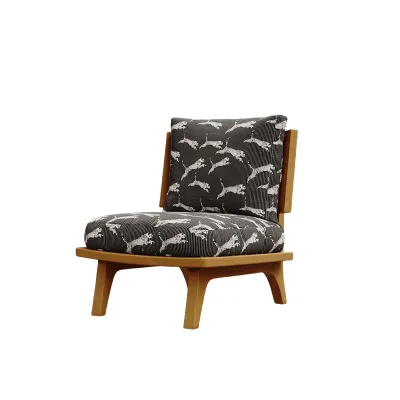
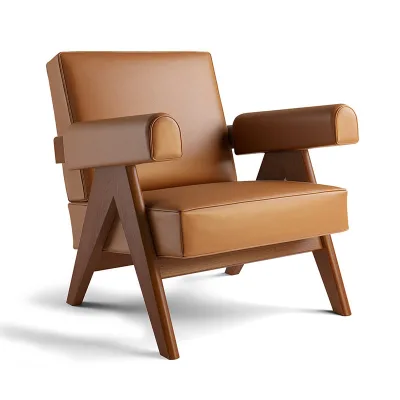
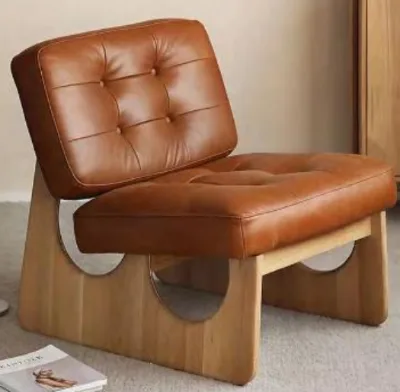
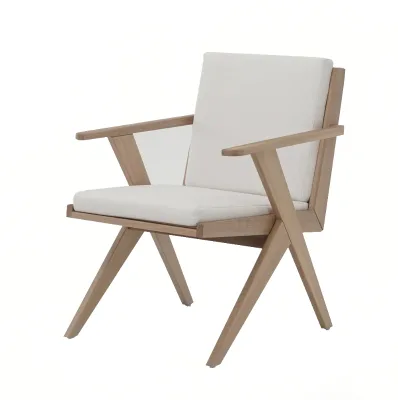
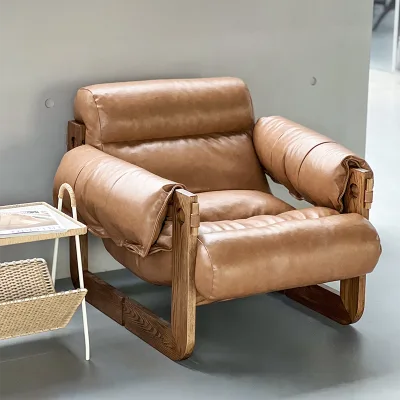
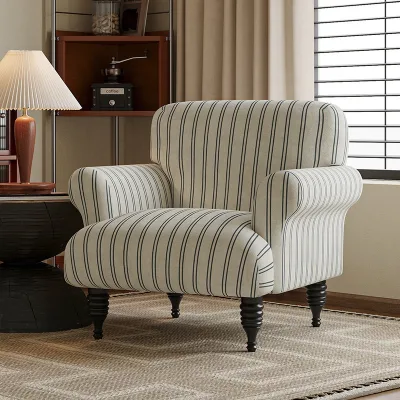
Wabi-sabi Vintage Solid Wood Restaurant Coffee Shop Hotel Soft Bag Lounge Chair
$244.77 - $407.94
MOQ: 1 pieces
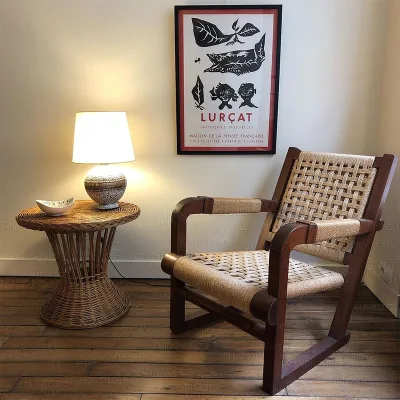
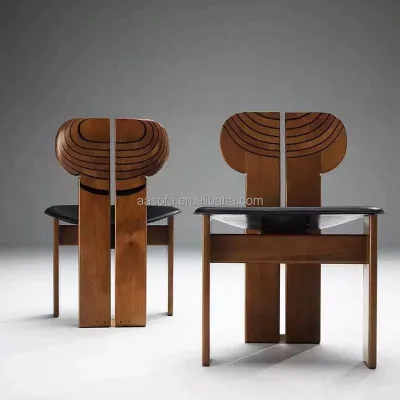
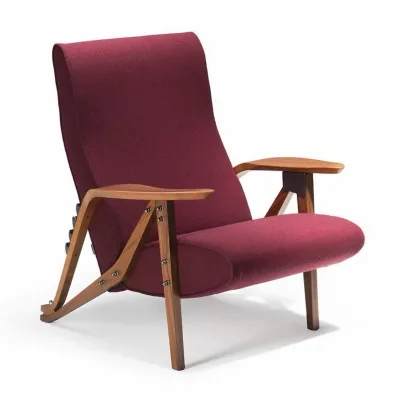
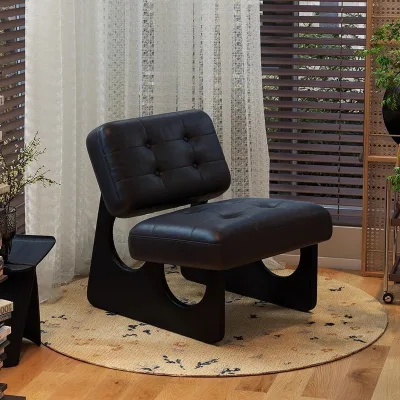
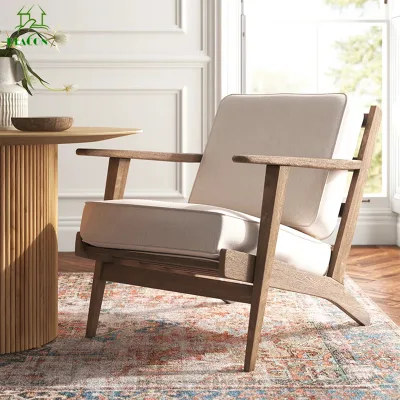
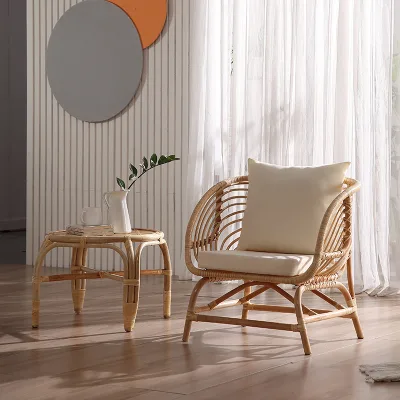
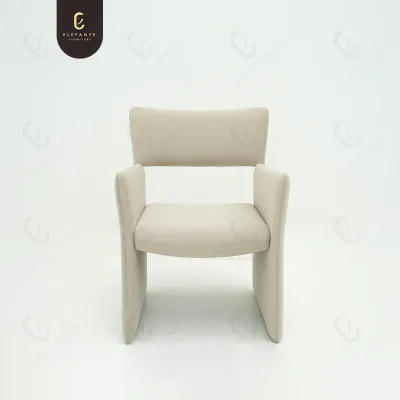
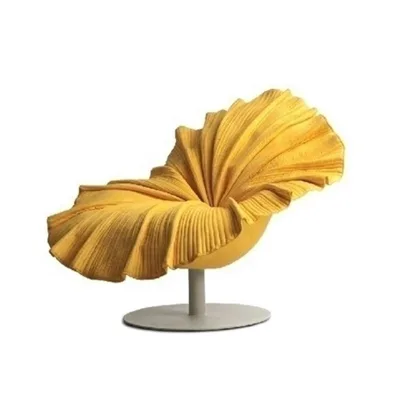
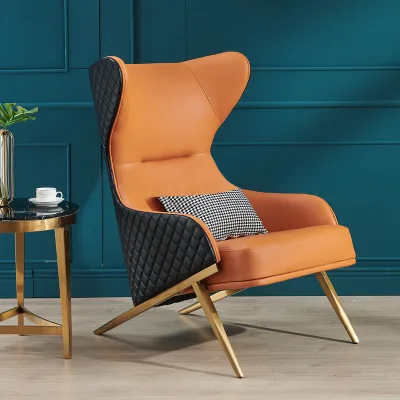
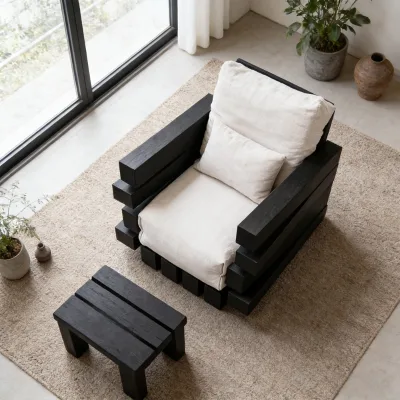
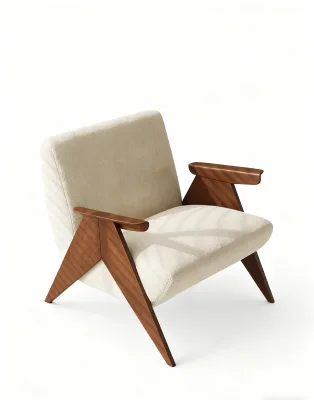
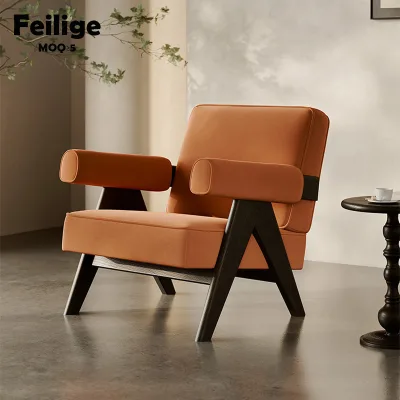

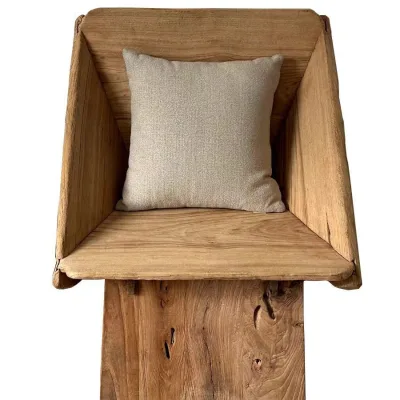
Wooden Wabi Sabi Style Sofa with Minimalist Style Living Room Solid Wood Sofa
$370.00 - $380.00
MOQ: 50 Pieces


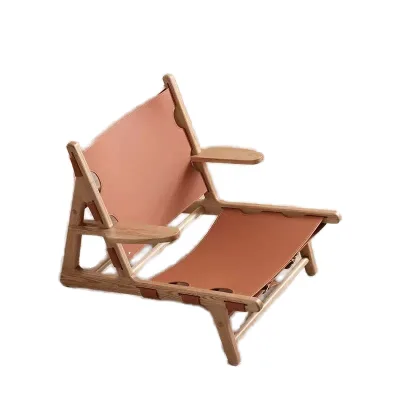


Metal Leg Soft Chair 5 Star Hotel Lobby One Seat Couch Upholstered Sofa
$200.00 - $800.00
MOQ: 10 Sets

High Quality Wabi-Sabi Nordic Style Solid Wood Fabric Dining Side Chair
$48.00 - $70.00
MOQ: 50 Pieces


Comprehensive Sourcing Guide
Strategic Sourcing Guide for Wabi Sabi Metal Wood Sofa Chairs
Understanding the Wabi Sabi Aesthetic in Furniture Procurement
The core keyword "Wabi-Sabi Metal Wood Sofa Chair" points to a specific intersection of design philosophy and material engineering. Wabi sabi is a Japanese worldview centered on the acceptance of transience and imperfection, often manifesting in furniture through natural materials, asymmetrical forms, and a muted, earthy color palette. In the context of modern procurement, this style emphasizes the beauty of aged wood, visible grain, and a sense of quiet durability. While the supplied product data explicitly lists "wabi-sabi" as a design style for certain items, it is crucial to distinguish this from the "Modern" or "Contemporary" styles also present in the market data.
When sourcing for this aesthetic, buyers must look beyond the visual label. The "wabi-sabi" designation in product attributes often correlates with specific material choices, such as solid wood frames and natural linen covers. The provided data confirms that "Solid Wood Frame" and "Linen" are key material attributes for chairs described with this style. However, the keyword includes "metal," which introduces a complexity not fully detailed in the specific product snippets provided. In a typical wabi-sabi context, metal elements are usually used sparingly as structural supports or legs, often with a matte, oxidized, or powder-coated finish to avoid a sleek, industrial look. Buyers should verify that any metal components used do not clash with the rustic, organic intent of the design. The presence of "Antique" appearance in some listings suggests a finish that mimics age, which aligns with the wabi-sabi principle of appreciating the patina of time.
Technical Specifications and Material Composition
A rigorous evaluation of technical specifications is the first step in ensuring the product matches the design intent. The supplied data highlights several critical material attributes that define the construction of these chairs. The "Main material" is frequently listed as "Solid Wood Frame," which is a non-negotiable element for authentic wabi-sabi furniture. This distinguishes the product from cheaper alternatives that might use particle board or MDF, which cannot achieve the same structural integrity or aesthetic depth. The "Legs" are specified as "Wood" in several entries, reinforcing the natural material theme.
Regarding the seating surface, the "Cover Material" is identified as "Linen" in the data. Linen is a natural fiber that aligns perfectly with the wabi-sabi ethos due to its texture and breathability. The "Filling Material" is noted as "Sponge," which provides the necessary cushioning for a "Leisure Chair" or "Dining Room" application. The "Back Style" is described as "solid back," indicating a robust construction that supports the ergonomic requirements of the furniture.
The data also reveals variations in the "Appearance" attribute, ranging from "Antique" to "Modern." This indicates that while the core keyword is wabi-sabi, the market offers a spectrum of interpretations. Some products may lean towards a more contemporary wabi-sabi look, while others may emphasize the "Antique" aspect. Buyers must cross-reference the "Design style" with the physical samples. For instance, a chair with a "Solid Wood Frame" and "Linen" cover but a "Modern" appearance might be a hybrid product that requires careful vetting to ensure it meets the specific "wabi-sabi" criteria. The "Single package size" and "Single gross weight" are also critical logistical data points; for example, one listing notes a gross weight of 68.000 kg, which is exceptionally high for a single chair and suggests a potential data anomaly or a specific heavy-duty commercial unit. Buyers must verify these weight specifications against the actual dimensions to ensure shipping feasibility.
Compliance, Certification, and Safety Standards
In the B2B procurement of furniture, particularly for commercial applications like hotels, restaurants, and schools, compliance with safety and environmental standards is paramount. The supplied product attributes list "Eco-Friendly" as a recurring feature. This claim requires verification through third-party testing rather than acceptance at face value. Buyers should request documentation proving that the "Solid Wood Frame" is sourced from sustainably managed forests, such as FSC certification, and that the "Linen" cover is treated with non-toxic dyes.
The "Place of origin" is consistently listed as "China" or "Guangdong, China." While this is a major manufacturing hub, it necessitates a strict due diligence process regarding labor standards and environmental regulations. Buyers should verify that the supplier adheres to international labor laws and that the manufacturing process minimizes volatile organic compound (VOC) emissions, especially regarding the "Sponge" filling and any adhesives used in the "Standard Packing."
Although specific certification names are not provided in the source text, the "Eco-Friendly" attribute implies a need for compliance with standards such as CARB Phase 2 for wood products or GREENGUARD for low chemical emissions. For the "Metal" component mentioned in the keyword, buyers must ensure that the metal is free from lead and cadmium, particularly if the furniture is intended for use in schools or residential settings. The "Loading port" is listed as "GZ/SZ" (Guangzhou/Shenzhen), which are major ports with established logistics infrastructure, but buyers should confirm that the supplier has the capacity to provide necessary test reports for the specific batch being ordered.
Cost Drivers and Pricing Dynamics
The pricing for wabi-sabi metal wood sofa chairs is influenced by several distinct factors. The observed price range in the market data spans from 19.34 to 905.55 USD. This wide variance is likely driven by the quality of the "Solid Wood Frame," the type of "Linen" used, and the complexity of the design. The lower end of the spectrum may represent smaller, simpler units or those with less durable materials, while the higher end likely reflects premium solid wood, high-density sponge, and intricate craftsmanship.
The "MOQ" (Minimum Order Quantity) is another significant cost driver. The data shows a range from 1 piece to 100 pieces. A supplier offering an MOQ of 1 piece may charge a premium per unit due to the lack of economies of scale, whereas an order of 100 pieces could significantly reduce the unit cost. The "Lead time" is noted as 20-25 days for some items, which impacts the overall cost of capital and inventory holding. Buyers must factor in these lead times when planning their procurement cycles, especially for commercial projects with tight deadlines.
Additionally, the "Packing" method affects the final landed cost. The data mentions "Standard Packing" and "N" or "Y" for mail packing. Efficient packing reduces damage risk and shipping volume, which directly influences freight costs. The "Single gross weight" of 68.000 kg, if accurate for a single unit, would drastically increase shipping costs compared to a lighter alternative. Buyers should calculate the total cost of ownership, including freight, insurance, and duties, rather than focusing solely on the FOB price.
Typical Applications and Functional Versatility
The versatility of wabi-sabi metal wood sofa chairs makes them suitable for a wide array of applications. The "Application" attributes in the data include "Living Room," "Dining," "Bedroom," "Outdoor," "Hotel," "Apartment," "Home Bar," "Villa," "Garage & Shed," "Home Office," "School," and "Mall." This broad range indicates that the design is adaptable to both residential and commercial environments.
In residential settings, the "Leisure Chair" and "Dining Room" functions are prominent. The "Ergonomic" feature and "Soft" cushioning make these chairs ideal for long-term use in living rooms or home offices. The "Durable" and "Strong" attributes ensure they can withstand daily wear and tear. For commercial applications, the "Hotel," "Restaurant," and "School" uses suggest that the furniture must meet higher durability standards. The "General use" is listed as "Home Furniture" and "Commercial Furniture," highlighting this dual capability.
The "Specific use" categories like "Living Room Chair" and "Restaurant Chair" further refine the selection process. A chair intended for a restaurant must have a higher load-bearing capacity and easier cleaning properties than one for a living room. The "Outdoor" application is particularly interesting given the "Solid Wood Frame" and "Metal" components; buyers must verify that the materials are treated to withstand moisture and UV exposure, as untreated wood and metal can degrade quickly in outdoor conditions.
Supplier Evaluation and Quality Control Protocols
Selecting the right supplier is critical for maintaining the integrity of the wabi-sabi aesthetic. The data lists brand names such as "JINCHENG" and "FOH," but buyers should not rely on brand recognition alone. Instead, they should evaluate suppliers based on their ability to consistently deliver "Solid Wood Frame" construction and "Linen" covers that match the design specifications. The "Advantage" of "High Quantity" suggests that some suppliers have the capacity for large orders, which is beneficial for bulk procurement.
Quality control protocols should focus on the "Main material" and "Cover Material." Buyers should request physical samples to verify the grain quality of the wood and the texture of the linen. The "Design style" of "wabi-sabi" requires a specific attention to detail that mass-produced items may lack. Inspectors should check for inconsistencies in the "Back Style" and "Legs" alignment. The "Model number" (e.g., ML25526943, FH-LC529) serves as a unique identifier for tracking specific product iterations, ensuring that the correct version is ordered.
The "Lead time" of 20-25 days is a standard benchmark, but buyers should verify if this includes production and packaging time. Delays in production can disrupt project timelines, especially for commercial installations. The "Loading port" of "GZ/SZ" offers logistical advantages, but buyers should confirm the supplier's ability to handle export documentation and customs clearance efficiently.
Long-Term Procurement Considerations and Sustainability
Long-term procurement strategies for wabi-sabi furniture must prioritize sustainability and durability. The "Eco-Friendly" feature is a key selling point, but it must be backed by verifiable data. Buyers should inquire about the lifecycle of the "Sponge" filling and the "Linen" cover. Are these materials recyclable or biodegradable? Does the supplier offer a repair or replacement program for damaged components?
The "Wabi-sabi" philosophy inherently values longevity and the aging process. Therefore, the furniture should be designed to age gracefully rather than deteriorate. The "Solid Wood Frame" is a strong indicator of this longevity, as wood can be refinished or repaired over time. However, the "Metal" components must be protected against corrosion to ensure the structural integrity remains intact.
Buyers should also consider the "General use" and "Specific use" in the context of future-proofing. A chair used in a "Hotel" or "School" will face different wear patterns than one in a "Home Bar." Selecting a supplier that offers customization options for "Color" and "Design style" can help adapt the furniture to changing interior design trends. The "Optional" color attribute allows for flexibility in matching different interior schemes.
Finally, the "High Quantity" advantage of some suppliers suggests that they can support long-term supply chains. Buyers should establish a relationship with suppliers who can consistently meet the "MOQ" requirements and maintain the "Eco-Friendly" standards over multiple production cycles. This approach ensures that the procurement strategy remains aligned with the core values of the wabi-sabi aesthetic while meeting the practical demands of modern business.
| Attribute | Observation from Data | Procurement Verification Requirement |
|---|---|---|
| Design Style | Wabi-sabi, Modern, Contemporary, Antique | Verify visual samples for authentic wabi-sabi traits (asymmetry, natural finish). |
| Main Material | Solid Wood Frame | Confirm wood species and sustainability certification (e.g., FSC). |
| Cover Material | Linen | Test for durability, stain resistance, and non-toxic dye treatment. |
| Filling Material | Sponge | Verify density and fire retardancy ratings for commercial use. |
| MOQ | 1 - 100 Pieces | Negotiate based on order volume to optimize unit cost. |
| Lead Time | 20-25 Days | Confirm if this includes packaging and customs clearance. |
| Place of Origin | China, Guangdong | Verify supplier's compliance with international labor and environmental laws. |
| Application | Living Room, Hotel, Restaurant, Outdoor | Ensure materials are treated for specific environmental conditions (e.g., moisture for outdoor). |
FAQs
What materials define a Wabi-Sabi Metal Wood Sofa Chair?
These chairs typically feature a solid wood frame and linen cover. The design often includes sponge filling for comfort and wood legs, aligning with the wabi-sabi aesthetic of natural textures and durability.
Can I find these chairs with a minimum order of one piece?
Yes, some suppliers offer a minimum order quantity of one piece for single items. Other listings may require a minimum of ten pieces, so buyers must verify specific supplier terms before purchasing.
How long does it take to receive an order from China?
The standard lead time for these products is between 20 to 25 days. This duration covers production and preparation, though actual shipping times depend on the loading port and logistics provider selected.
Which styles are available for wabi sabi metal wood sofa chairs?
Available styles include wabi-sabi, modern, contemporary, and antique appearances. Buyers should verify the specific design style against the product description to ensure it matches the intended rustic or organic aesthetic.
Where are these chairs typically manufactured and shipped from?
Products originate from China, specifically Guangdong, and ship from ports like Guangzhou or Shenzhen. Buyers should confirm the exact place of origin and loading port to calculate accurate shipping costs and timelines.
What is the price range for these furniture items?
The observed price range spans from 19.34 to 905.55 USD per unit. Costs vary significantly based on material quality, design complexity, and order quantity, requiring careful budget assessment for each specific model.
Are these chairs suitable for outdoor commercial use?
Yes, the application list includes outdoor settings, hotels, and restaurants. However, buyers must verify if the wood and metal components are treated for weather resistance before placing them in exposed outdoor environments.