Source Wall Mount Window Bird Feeder for Garden, Home, and Office
Find 30 Wall Mount Window Bird Feeder options from China. Compare acrylic, copper, and iron designs with custom logos and window mount features for garden decoration and home use; compare the available evidence and request quotations based on your requirements.
Updated
Key considerations
Products List

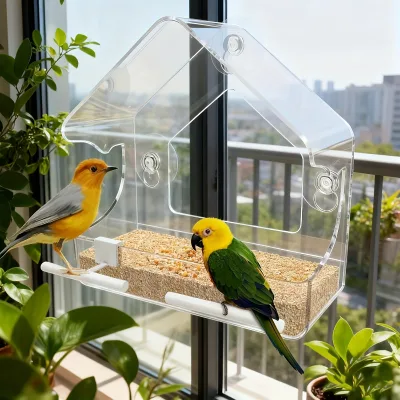
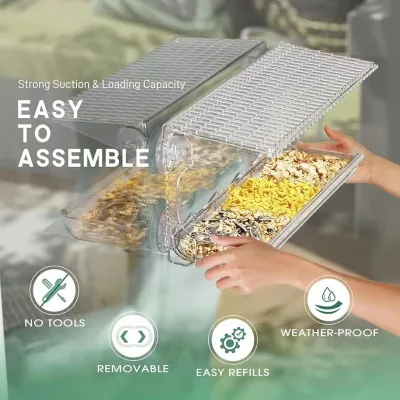
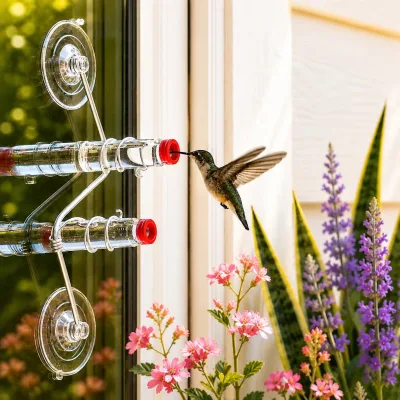


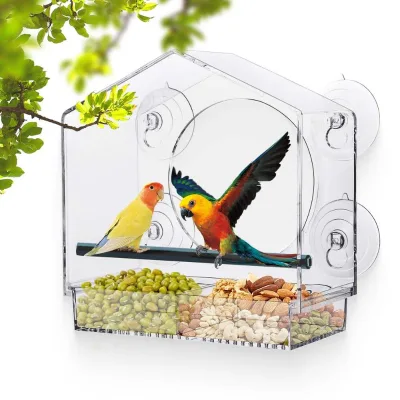
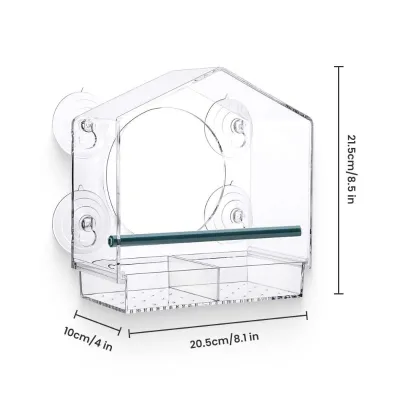
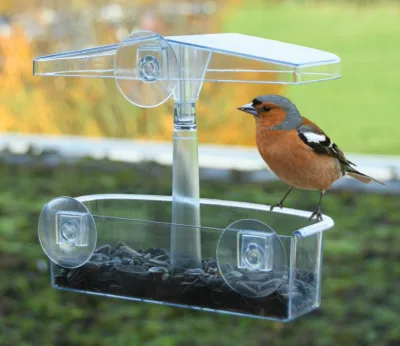
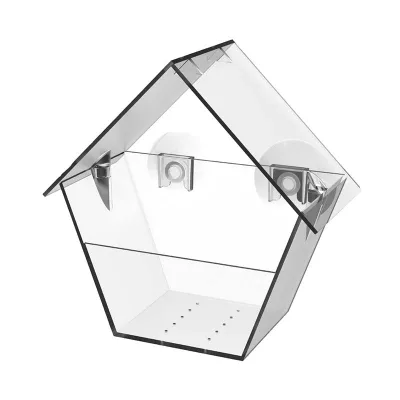


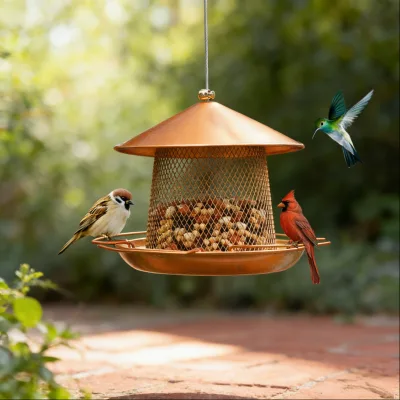
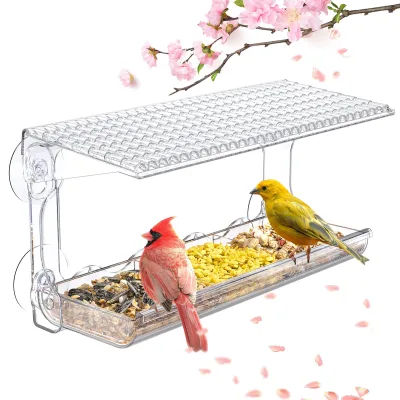
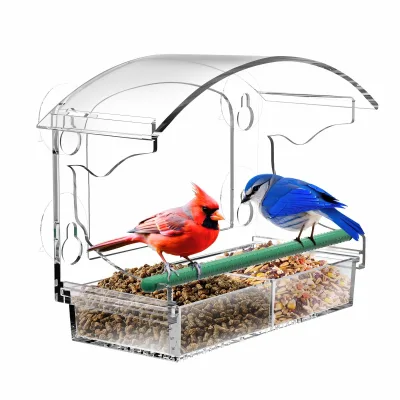


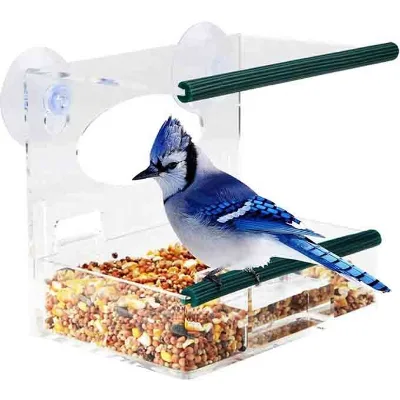
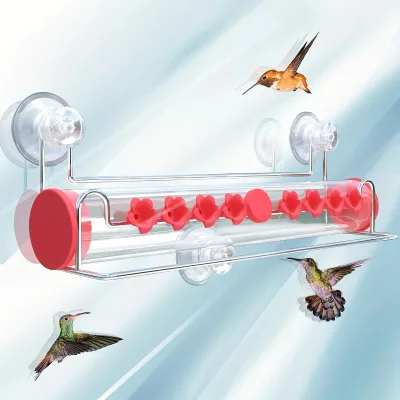
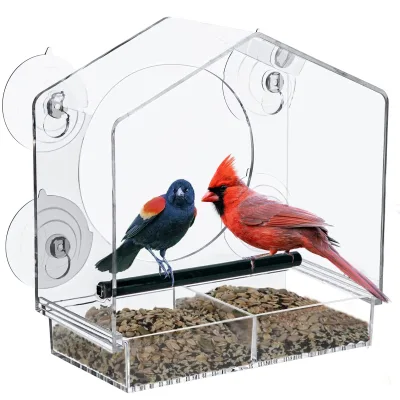
Acrylic Hanging Window Bird Feeder Backyard Birding Wild Bird Seed Feeder
$2.32 - $3.62
MOQ: 1000 pieces
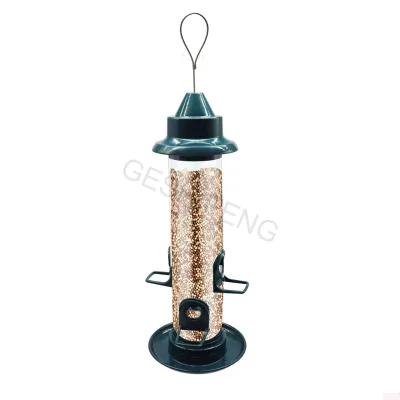
Comprehensive Sourcing Guide
Wall Mount Window Bird Feeder Sourcing Guide
Sourcing wall mount window bird feeders requires balancing aesthetic integration with functional durability, as these products serve as both garden decorations and practical feeding stations. Buyers must evaluate how well the feeder adheres to glass surfaces while resisting weather elements, ensuring it remains secure during wind or rain. The primary appeal lies in the ability to observe wildlife up close without disturbing their natural behavior, making transparency and stability critical design factors.
Procurement teams should focus on suppliers who offer customization options, as branded or uniquely colored feeders often command higher margins in retail markets. The observed market includes products made from acrylic, plastic, and copper, each offering distinct advantages in terms of weight, clarity, and longevity. Understanding these material differences is essential for selecting the right product for specific customer segments, whether they prioritize eco-friendly materials or antique-style aesthetics for home decor.
Product Scope and Observed Listing Signals
The current market landscape for wall mount window bird feeders reveals a diverse range of materials and styles, primarily driven by consumer demand for versatile garden accessories. Listings indicate that acrylic and plastic are common materials, chosen for their transparency and lightweight nature, which facilitates easy installation on various window types. Some premium options feature copper or iron, appealing to buyers seeking antique finishes or enhanced durability for long-term outdoor use.
Observed product attributes highlight significant customization potential, with many suppliers offering customized logos and colors to meet specific branding requirements. The target audience includes enthusiasts of various bird species, such as robins, cardinals, and hummingbirds, necessitating feeders with appropriate entry points and capacity. Additionally, features like strong suction cups and removable designs are frequently cited, indicating that ease of cleaning and secure mounting are key decision drivers for end-users.
Technical Specifications to Verify
When evaluating technical specifications, buyers must prioritize the mounting mechanism’s reliability, as weak suction cups can lead to product failure and negative reviews. It is crucial to verify the weight capacity of the feeder when filled, ensuring that the adhesive or mounting hardware can support the total load without detaching from the glass. Specifications such as single gross weight and package dimensions should be cross-referenced with shipping costs to optimize logistics efficiency and reduce overall procurement expenses.
Material thickness and UV resistance are also critical technical factors, especially for acrylic and plastic feeders exposed to direct sunlight. Buyers should request data on material degradation over time to ensure the product maintains its clarity and structural integrity throughout its lifecycle. Additionally, verifying the compatibility of the feeder with different window types, including tempered glass or double-pane windows, can prevent installation issues and enhance customer satisfaction.
Compliance and Safety Documentation
Compliance with safety standards is paramount, particularly when feeders are marketed for use in residential areas where children or pets may be present. Buyers should ensure that all materials used, including acrylic, plastic, and metal components, are free from harmful chemicals and meet relevant environmental regulations. Eco-friendly certifications can be a significant selling point, so verifying that suppliers adhere to recognized environmental standards is essential for maintaining brand reputation.
Documentation regarding the durability and weather resistance of the product should also be reviewed to ensure it meets industry expectations for outdoor use. Suppliers should provide test results or certifications that demonstrate the feeder’s ability to withstand various weather conditions, including rain, snow, and extreme temperatures. This documentation not only assures buyers of product quality but also helps in marketing the feeder as a reliable and long-lasting garden accessory.
Cost Drivers and Commercial Terms
Cost drivers for wall mount window bird feeders include material selection, customization complexity, and packaging requirements. Acrylic and copper materials typically incur higher costs due to their premium nature and processing requirements, while plastic options offer a more budget-friendly alternative. Customization, such as adding logos or specific colors, can increase production costs, so buyers should negotiate clear pricing structures for these additional services to avoid unexpected expenses.
Commercial terms, including minimum order quantities (MOQ) and lead times, vary significantly among suppliers. Observed MOQs range from 10 to 2000 pieces, allowing flexibility for both small-scale retailers and large distributors. Buyers should carefully assess these terms in relation to their inventory management strategies, ensuring that they can meet demand without overstocking or facing stockouts. Negotiating favorable payment terms and shipping arrangements can further optimize the total cost of ownership.
Supplier Qualification and Quality Control
Supplier qualification involves assessing their manufacturing capabilities, quality control processes, and track record in producing bird feeders. Buyers should verify that suppliers have established quality assurance protocols, including inspections for material defects, mounting strength, and finish consistency. Requesting samples before placing bulk orders is essential to evaluate the product’s actual quality and ensure it meets specified standards.
Additionally, suppliers’ ability to handle customization requests efficiently is a key indicator of their operational flexibility. Buyers should inquire about the supplier’s experience with similar projects and their capacity to meet tight deadlines without compromising quality. Establishing a clear communication channel and agreeing on detailed specifications can help prevent misunderstandings and ensure that the final product aligns with the buyer’s expectations.
Long-Term Procurement Checks
Long-term procurement success depends on continuous monitoring of supplier performance and market trends. Buyers should regularly review supplier metrics, such as on-time delivery rates, defect rates, and responsiveness to issues, to ensure consistent quality and service. Building a strong relationship with reliable suppliers can lead to better pricing, priority production, and access to new product innovations, enhancing competitive advantage.
Staying informed about emerging trends in bird feeder design and materials is also crucial for maintaining product relevance. Buyers should engage with industry networks and attend trade shows to identify new suppliers and technologies that can improve their offerings. By proactively adapting to market changes and maintaining high standards of quality and service, buyers can sustain long-term profitability and customer loyalty in the bird feeder market.
FAQs
What materials are used for wall mount window bird feeders?
These feeders are typically crafted from durable materials such as plastic, acrylic, copper, or iron. The choice of material impacts transparency and weather resistance. Plastic and acrylic options offer clear visibility for bird watching, while metal variants provide a sturdy, antique aesthetic suitable for garden decoration and long-term outdoor use.
Can I customize the logo and color of the feeder?
Yes, customization is available for both logo and color. Buyers can request customized logos to be printed on the product. Additionally, customized colors are accepted to match specific branding or aesthetic preferences. This service allows for personalized branding, making the feeders suitable for promotional gifts, souvenirs, or specialized garden decoration projects.
What is the minimum order quantity for these bird feeders?
The minimum order quantity varies by supplier but generally starts at 10 pieces. Some standard listings require a minimum of 100 pieces. Buyers should check specific product pages for exact MOQ requirements. This flexibility allows small businesses to test the market with lower volumes while larger orders benefit from standard packaging and shipping efficiencies.
Which bird species are these feeders suitable for?
These feeders are designed for a wide range of wild birds. Suitable target species include robins, orioles, finches, cardinals, woodpeckers, blue jays, and hummingbirds. The design accommodates various beak types and feeding habits. This versatility makes them ideal for garden decoration and attracting diverse bird populations to home outdoor spaces effectively.
How are the feeders packaged for shipping?
Feeders are typically packaged in individual boxes and then packed into cartons for bulk shipping. The single package size is approximately 18x18x10 cm. This packaging ensures protection during transit. The carton packing method is efficient for logistics, supporting both small sample orders and larger commercial shipments from manufacturing origins like Guangdong, China.
Are these feeders suitable for outdoor garden use?
Yes, they are explicitly designed for outdoor use and garden decoration. Many models feature water-resistant properties and eco-friendly materials. The sturdy construction withstands outdoor conditions. They serve as functional bird feeders and aesthetic garden landscape elements, enhancing home decoration while providing a reliable feeding station for wild birds in various weather conditions.