Source Telescoping Fiberglass Garden Shears for Pruning
Find 30 listings for Telescoping Fiberglass Garden Shears suitable for home, balcony, and plant pruning. Compare models like RH6031S2 and ST0101-028, noting blade materials such as carbon steel and stainless steel, and customization options available from suppliers in Guangdong and Jiangsu.
Updated
Key considerations
Products List
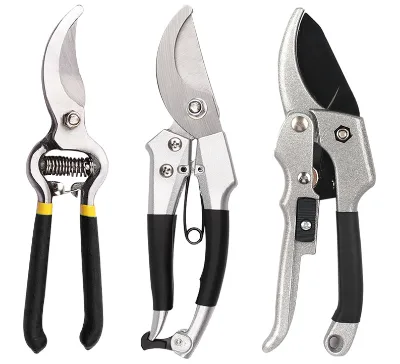


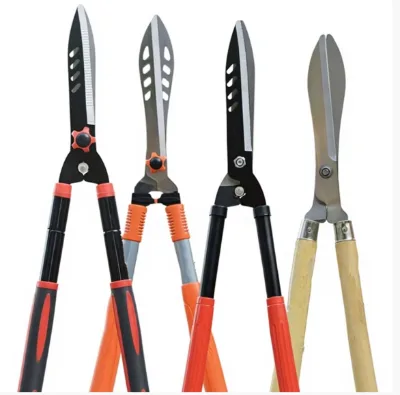
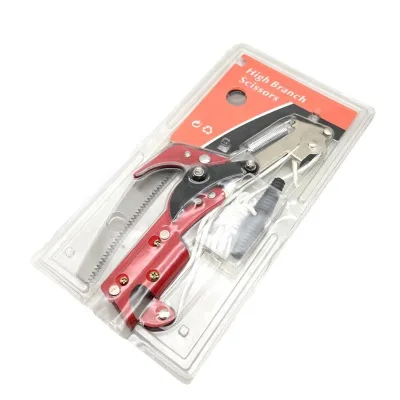
Garden Scissors Trimming Handle Garden Pruning Shear Pruning Shears for Garden Use
$2.30 - $2.50
MOQ: 1200 Pieces

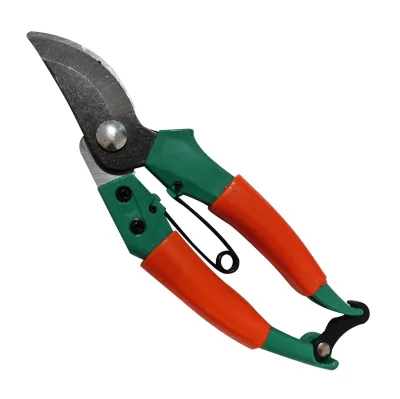
Garden Tools Shears Tree Curved Pruning Shears Gardening Pruning Shears Scissor
$4.40 - $4.80
MOQ: 1200 Pieces



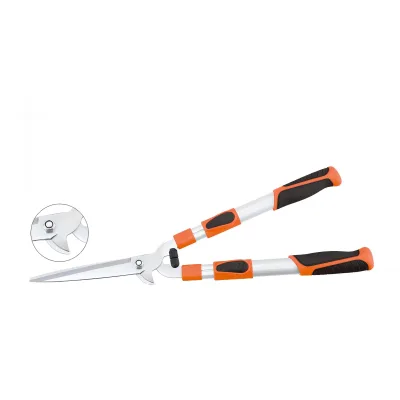
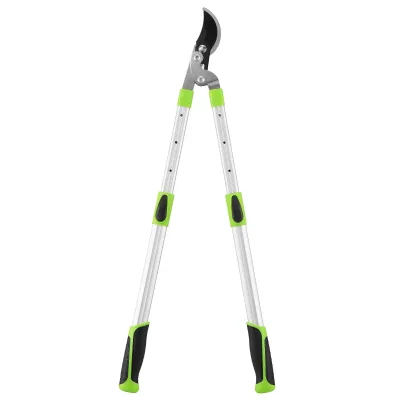
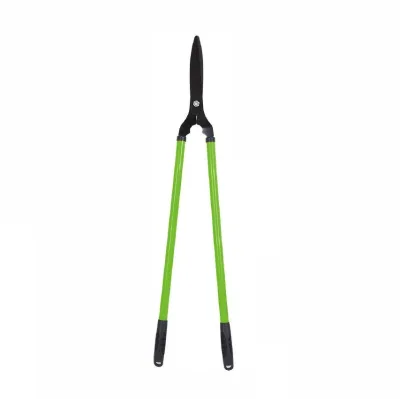
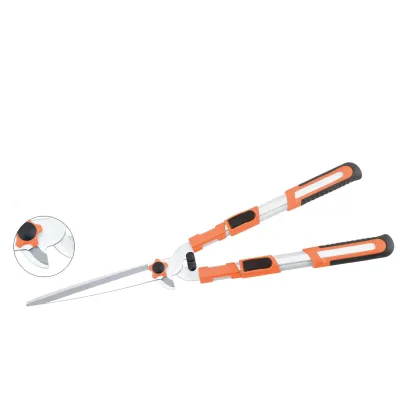



Comprehensive Sourcing Guide
Telescoping Fiberglass Garden Shears Sourcing Guide
The market for Telescoping Fiberglass Garden Shears presents a complex landscape where specific material claims often diverge from observed product attributes. While the core keyword suggests a telescoping mechanism and fiberglass construction, the supplied product data reveals a predominance of fixed-length models with carbon steel or stainless steel blades and various handle materials, including steel and unspecified options. Buyers must carefully distinguish between marketing terminology and the actual physical specifications listed in supplier catalogs, as many items described as pruning shears or grass shears do not explicitly confirm the telescoping feature or fiberglass composition in their provided attributes.
Procurement decisions should prioritize verifying the handle composition and extension mechanism through direct supplier inquiry rather than relying on general category titles. The observed listings include models with elbow shapes, ratchet pruner types, and specific blade materials like carbon steel, yet none explicitly confirm a telescoping fiberglass shaft in the provided text. Consequently, buyers should treat the "telescoping fiberglass" descriptor as a specific requirement to be validated against the actual product model numbers and material descriptions, ensuring that the final selection matches the intended ergonomic and durability needs for professional or heavy-duty gardening applications.
Product Scope and Observed Listing Signals
Current product listings indicate a diverse range of pruning tools, including grass shears, ratchet pruners, and general garden scissors, with blade materials varying between carbon steel and stainless steel. The observed data highlights specific model numbers such as RH6031S2 and ST0101 series, which feature finishing processes like PTFE coating and safety locks, yet the explicit mention of telescoping fiberglass components remains absent from the provided attribute lists. This discrepancy suggests that buyers must scrutinize individual product pages to confirm if the telescoping mechanism is a standard feature or a custom option, as the general category may encompass both fixed and extendable designs.
Commercial signals in the listings show significant variation in packaging and customization capabilities, with some items offered in OPP bags or cartons while others support logo and color customization. The observed selling units are typically single items, and sample availability is frequently supported, allowing buyers to physically inspect the handle material and extension functionality before committing to larger orders. However, the lack of explicit "fiberglass" or "telescoping" tags in the provided facts necessitates a proactive verification step where buyers request detailed specifications or physical samples to ensure the product meets the specific structural requirements of the intended application.
Technical Specifications to Verify
Buyers must rigorously verify the blade material and edge geometry, as the supplied data lists both carbon steel and stainless steel options with varying edge lengths and tip sharpness. The observed specifications include blade edges of 9cm and overall lengths of 19cm or greater than 8 inches, but these dimensions do not inherently confirm the presence of a telescoping shaft. It is critical to request detailed engineering drawings or physical samples that demonstrate the extension mechanism, as the current data points to fixed-length tools with elbow shapes or curved blades that may not satisfy the reach requirements associated with telescoping designs.
The handle material and weight are equally critical verification points, with observed listings citing steel handles and weights around 134g, while other entries list unspecified handle materials. The absence of explicit fiberglass confirmation in the provided attributes means buyers cannot assume the handle composition without direct confirmation from the supplier. Additionally, the production time of 60 days and specific model numbers like GT2082 suggest that lead times and model availability may vary significantly, requiring buyers to align their procurement schedules with the manufacturer's actual production capacity and the specific technical constraints of the requested telescoping feature.
Compliance and Safety Documentation
Safety features are a primary concern in garden tool procurement, and the observed listings explicitly mention standard features such as safety locks, which are essential for preventing accidental blade closure during transport or storage. While the data confirms the presence of safety locks on certain models, it does not provide information regarding compliance with international safety standards for telescoping mechanisms or fiberglass durability. Buyers should request specific test reports or certification documents that validate the locking mechanism's reliability and the structural integrity of the handle under load, ensuring that the tool meets the safety expectations for professional use.
Documentation regarding the finishing process, such as PTFE coating, is also relevant for assessing corrosion resistance and user comfort, though the provided facts do not link these finishes to specific safety certifications. The observed standard features include a metal plate designation, but the exact nature of this standard remains undefined in the supplied context. Procurement teams must therefore seek clarification on whether the metal plate refers to a specific industry standard or a proprietary design element, and ensure that all safety claims are backed by verifiable documentation rather than general product descriptions.
Cost Drivers and Commercial Terms
The commercial landscape for these tools is influenced by significant variations in minimum order quantities, with observed MOQs ranging from 1 to 3000 pieces, and specific listings showing an MOQ of 1200 pieces for customized orders. These thresholds directly impact the unit cost and the feasibility of small-batch procurement, requiring buyers to balance their volume needs against the supplier's production constraints. The observed price range of 1.31 to 14 USD suggests a wide disparity in value, likely driven by differences in blade material, handle composition, and the complexity of the telescoping mechanism, which may not be fully reflected in the base listing price.
Customization options, including logo and color adjustments, are available but often come with additional costs and extended lead times, as indicated by the 60-day production time observed in the data. Buyers should anticipate that requests for specific telescoping fiberglass configurations may incur higher tooling or setup fees, especially if the standard models do not inherently support these features. Understanding the total cost of ownership, including packaging variations like OPP bags versus cartons and the potential for sample fees, is essential for accurate budgeting and negotiating favorable commercial terms with suppliers.
Supplier Qualification and Quality Control
Supplier qualification should focus on verifying the claimed experience and production capabilities, as the data highlights a specific advantage of more than 10 years of experience for certain manufacturers. However, the origin of production varies, with listings indicating origins in both Guangdong and Jiangsu provinces, suggesting a need to assess the specific factory's expertise in manufacturing telescoping fiberglass tools. Buyers should conduct due diligence to confirm that the supplier has a proven track record with the specific materials and mechanisms required, rather than relying solely on general experience claims that may not apply to the specialized product category.
Quality control protocols must be established to ensure consistency in blade sharpness, handle durability, and the functionality of the telescoping mechanism. The observed data includes specific model numbers and packing details, which can serve as benchmarks for quality verification during the inspection process. Buyers should implement a rigorous sampling strategy, utilizing the offered sample support to test the tool's performance in real-world conditions, and verify that the finishing processes, such as PTFE coating, are applied uniformly across the production batch to maintain product integrity.
Long-Term Procurement Checks
Sustaining a successful procurement relationship requires ongoing monitoring of production lead times and the consistency of product specifications over multiple orders. The observed 60-day production time indicates a potentially long lead cycle, which necessitates careful inventory planning and communication with the supplier to avoid delays. Buyers should establish clear protocols for handling production variances, ensuring that any changes in blade material or handle composition are communicated and approved before manufacturing begins to maintain product consistency.
Long-term checks should also include periodic re-evaluation of the supplier's ability to meet customization requests and maintain the quality of the telescoping mechanism. As the market evolves, suppliers may update their models or materials, requiring buyers to stay informed about any changes that could impact the performance or safety of the tools. Regular audits and feedback loops will help ensure that the procurement strategy remains aligned with the evolving needs of the business and the technical capabilities of the supplier.
FAQs
What blade materials are available for pruning shears?
Pruning shears are available with either carbon steel or stainless steel blades. Carbon steel offers durability for heavy-duty tasks, while stainless steel provides corrosion resistance. Buyers can choose based on their specific gardening needs and environmental conditions. Both materials ensure sharp cutting performance for various plant types.
Can I customize the logo and color of the shears?
Yes, customization is available for both logo and color. Suppliers offer tailored branding options to meet specific business requirements. This service allows buyers to create unique products that align with their brand identity. Contact the supplier directly to discuss specific design preferences and implementation details for your order.
What is the typical production time for these shears?
The standard production time is approximately 60 days. This timeline applies to bulk orders meeting the minimum quantity requirements. Buyers should plan their inventory accordingly to avoid delays. For urgent needs, please contact the supplier to discuss potential expedited options or current stock availability.
What is the minimum order quantity for these products?
The minimum order quantity is 1200 pieces. This threshold ensures efficient manufacturing and shipping processes. Buyers must meet this MOQ to proceed with custom orders. Smaller sample orders may be supported separately. Please verify current MOQ policies with the supplier for specific product models.
Which specifications are available for the pruning shears?
Available specifications include models like RH6031S2 and ST0101 series. Sizes range from 19cm length with 9cm blade edges. Some models feature safety locks and PTFE coatings. Buyers can select based on application needs such as garden or balcony pruning. Detailed specs vary by model and should be confirmed with the supplier.
How are the shears packaged for shipping?
Packaging options include OPP bags, cartons, or no box with cassette. The choice depends on the specific product model and buyer preference. Standard packaging protects the shears during transit. Bulk orders may use cartons for efficiency. Buyers should specify their packaging requirements when placing orders to ensure proper handling.