Source eco-friendly hdpe monofilament shade net for greenhouses
Find 30 eco-friendly hdpe monofilament shade net options from China. Compare HDPE knit materials, UV resistance features, and customizable sizes for vegetable greenhouses, crops, and flowers. Evaluate weight options from 50GSM to 360GSM and various shade rates to select the best fit for your agricultural or garden shading needs.
Updated
Key considerations
Products List


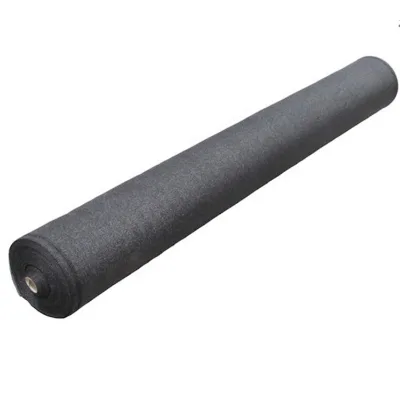
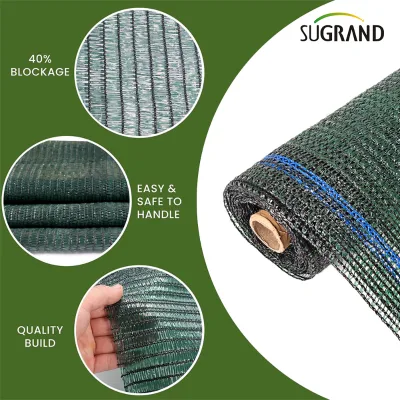
Hdpe Monofhlament Shade Net/HDPE Export Garden Shade Net 50% Black Shade Cloth for Garden
$0.0207 - $0.0516
MOQ: 5000 square
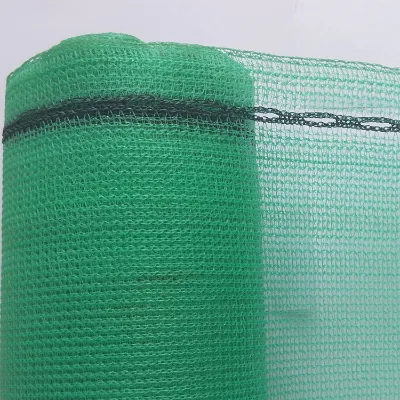
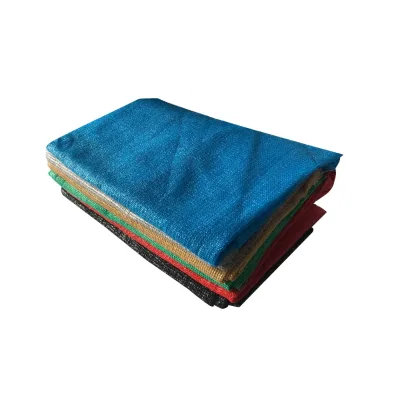
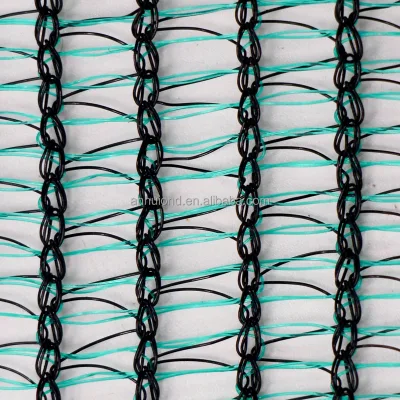
5 Years Warranty Shade Net Mono Filament Shade Net HDPE Sun Shade Net
$0.20 - $0.60
MOQ: 150000 Minimum
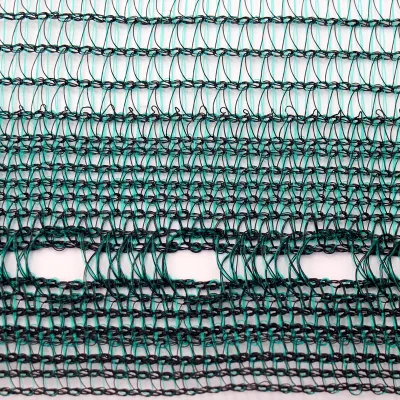
Agriculture Durable Mono Filament 5 Years Warranty Shade Nets Agriculture Sunshades Nets
$0.2379 - $0.2678
MOQ: 100 square
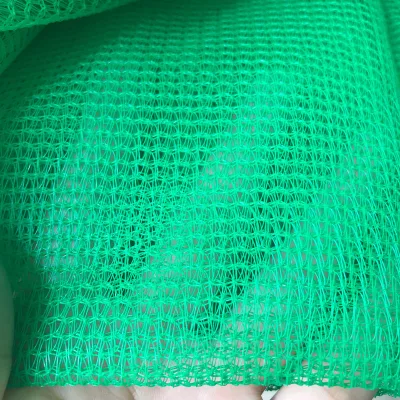


PE Premium Monofilament Agricultural Shade Net, Garden Shade Net Agro Net
$1500.00 - $2000.00
MOQ: 3 Tons

90% 200GSM 4X100m HDPE Dark Green Monofilament Shade Net, Shade Cloth
$0.29 - $0.39
MOQ: 5000 Square Meters
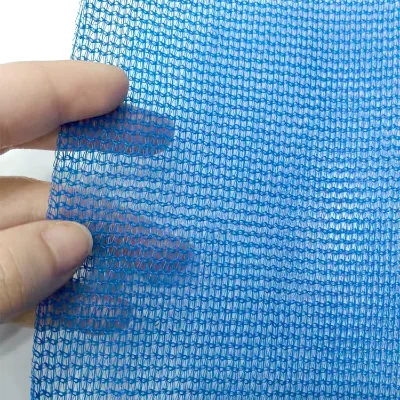
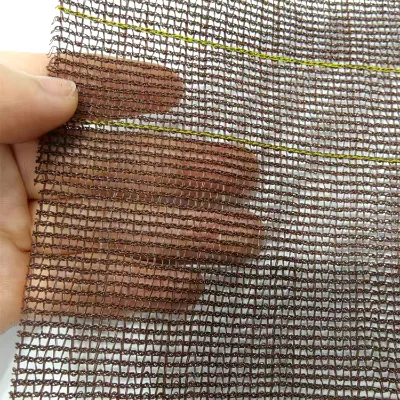
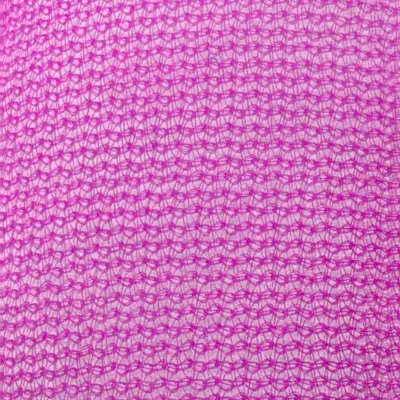
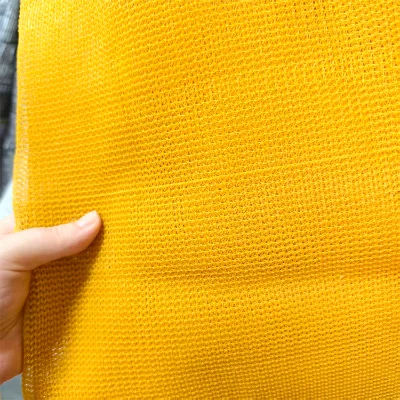
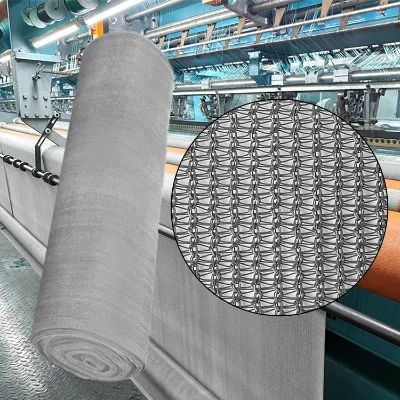
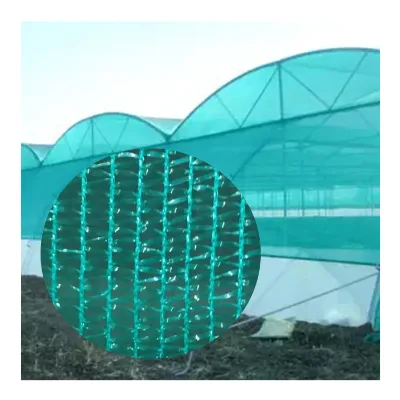


Agricultural Greenhouse Plastic Netting HDPE Monofilament Sun Shade Mesh Net
$0.12 - $0.32
MOQ: 5000 Square Meters

Comprehensive Sourcing Guide
Eco-Friendly HDPE Monofilament Shade Net Sourcing Guide
Procuring eco-friendly HDPE monofilament shade nets requires a clear understanding of material composition and structural integrity. These nets are primarily manufactured from 100% virgin HDPE, often enhanced with UV stabilizers to ensure longevity in outdoor environments. Buyers must distinguish between monofilament and tape wire constructions, as the former offers superior durability and wind resistance. The material choice directly impacts the net’s ability to withstand harsh weather conditions while maintaining its structural shape over time.
The manufacturing process typically involves knitting techniques that create a dense, yet breathable mesh. This structure allows for optimal airflow and light diffusion, which is critical for agricultural applications. Sourcing guides emphasize the importance of verifying the specific HDPE grade used, as recycled materials may compromise the net’s tensile strength and UV resistance. Understanding these material nuances helps buyers select products that align with their specific environmental and operational requirements.
Product Scope and Observed Listing Signals
The market offers a wide variety of shade nets with varying specifications, including colors like black, green, white, blue, and beige. Observed listings indicate that shade rates typically range from 30% to 99%, allowing for precise control over sunlight exposure. Buyers should note that product weights vary significantly, with common options including 50GSM, 70GSM, 95GSM, and 110GSM, while other listings specify ranges from 30gsm to 360gsm. These variations cater to different needs, from light garden shading to heavy-duty agricultural coverage.
Listings also highlight customization options for length and width, with standard sizes such as 50m, 100m, and 200m in length, and widths from 1m to 3m. Some suppliers offer specific packing standards, such as 2100m or 450m configurations, which can influence logistics and storage. It is essential to verify the exact dimensions and packaging details provided by each supplier, as inconsistencies in these areas can lead to unexpected costs or logistical challenges during the procurement process.
Technical Specifications to Verify
When evaluating technical specifications, buyers should prioritize UV resistance and anti-aging properties, as these factors determine the net’s lifespan. The presence of UV stabilizers is crucial, with some products claiming UV resistance levels between 1% and 5%. Additionally, features such as windproof capabilities and easy assembly are important for practical installation. Buyers must verify these claims through product datasheets or third-party testing reports to ensure the net meets the required performance standards for their specific application.
Weight and density are also critical technical parameters. While some listings specify weights like 180 g/m², others offer a broader range from 30gsm to 360gsm. The choice of weight depends on the intended use, with heavier nets providing better durability and shade density. Buyers should also consider the type of weave, such as mono+mono or tape+tape, as this affects the net’s strength and flexibility. Verifying these specifications ensures that the selected product will perform reliably under the expected environmental conditions.
Compliance and Safety Documentation
Compliance with international standards is a key consideration for many buyers, particularly those operating in regulated markets. Some suppliers claim certifications such as ISO9001, REACH, and EO, which indicate adherence to quality management and environmental safety standards. Buyers should request valid certification documents to verify these claims, as the presence of such certifications can enhance the product’s credibility and market acceptance. It is also important to ensure that the materials used are free from harmful substances, aligning with eco-friendly procurement goals.
Safety documentation should also include information on the net’s flammability and chemical resistance. While not all listings provide detailed safety data, buyers should inquire about these aspects to ensure the product meets their safety requirements. Additionally, understanding the net’s environmental impact, such as its recyclability or biodegradability, can be important for sustainability-focused procurement strategies. Verifying these compliance aspects helps mitigate risks and ensures that the purchased products align with corporate social responsibility policies.
Cost Drivers and Commercial Terms
Several factors influence the cost of HDPE monofilament shade nets, including material quality, weight, and customization requirements. Heavier nets with higher GSM values typically command higher prices due to increased material usage. Customization options, such as specific colors, sizes, or packaging, can also add to the overall cost. Buyers should request detailed quotations that break down these cost components to understand the pricing structure and identify potential areas for negotiation.
Commercial terms, such as MOQ and payment conditions, also play a significant role in the procurement process. Observed listings indicate MOQs ranging from 1000sqm for stock sizes to 1 ton for customized weights. Payment terms like T/T or L/C are common, and buyers should negotiate terms that align with their cash flow requirements. Understanding these commercial terms helps buyers plan their budgets effectively and avoid unexpected expenses during the procurement process.
Supplier Qualification and Quality Control
Supplier qualification is a critical step in ensuring the reliability of the sourced products. Buyers should assess suppliers based on their production capacity, quality control processes, and track record. Visiting manufacturing facilities or requesting third-party audit reports can provide valuable insights into the supplier’s operational standards. Additionally, verifying the supplier’s ability to meet customization requirements and deliver on time is essential for maintaining supply chain continuity.
Quality control measures should include regular inspections of raw materials, production processes, and finished products. Buyers should inquire about the supplier’s testing protocols, such as tensile strength tests and UV resistance assessments, to ensure product consistency. Establishing clear quality expectations and communication channels with the supplier can help prevent defects and ensure that the delivered products meet the specified requirements. A robust quality control system is vital for maintaining product integrity and customer satisfaction.
Long-Term Procurement Checks
Long-term procurement success depends on continuous monitoring of supplier performance and product quality. Buyers should establish key performance indicators (KPIs) to track delivery times, product defects, and customer feedback. Regular reviews of these metrics can help identify areas for improvement and strengthen the supplier relationship. Additionally, staying updated on industry trends and technological advancements can help buyers make informed decisions about future procurement strategies.
Sustainability considerations should also be integrated into long-term procurement plans. Buyers should evaluate suppliers’ environmental practices, such as waste management and energy efficiency, to align with corporate sustainability goals. Engaging in dialogue with suppliers about eco-friendly innovations and improvements can drive positive change in the supply chain. By focusing on long-term relationships and sustainable practices, buyers can ensure a resilient and responsible procurement process.
FAQs
What material is used for eco-friendly hdpe monofilament shade net?
The shade net is made from 100% virgin HDPE with UV stabilizers. This material ensures the product is eco-friendly, lightweight, and durable. It features anti-aging properties and high tensile strength. The knit structure provides effective shading while allowing air and water permeability. This composition supports long-term outdoor use in agricultural and garden applications without degrading quickly under sunlight exposure.
What shade rates are available for this HDPE shade net?
Available shade rates range from 30% to 99%. Specific options include 30%-95% depending on the manufacturer. Higher shade rates provide more protection against intense sunlight. Lower rates allow more light penetration for sensitive crops. Buyers can select the appropriate percentage based on their specific shading requirements for vegetables, flowers, or poultry areas to optimize growth conditions.
Can I customize the size and color of the shade net?
Yes, customization is available for both size and color. Widths can be 1m, 1.5m, 2m, 3m, or custom. Lengths include 50m, 100m, 200m, or custom rolls. Colors include black, green, white, blue, beige, red, and orange. Customized weights are also possible with a minimum order quantity of one ton. This flexibility allows buyers to tailor the product to specific project dimensions and aesthetic needs.
What are the typical weights and GSM options for the net?
Common weights include 50GSM, 70GSM, 95GSM, and 110GSM. Other ranges are 30gsm-85gsm, 90gsm-240gsm, and 240gsm-360gsm. One specific model lists a weight of 180 g/m². The weight affects durability and shading density. Heavier nets offer greater wind resistance and longevity. Buyers should choose the GSM based on the expected environmental conditions and required lifespan of the installation.
What certifications does the eco-friendly hdpe monofilament shade net have?
The product holds ISO9001, REACH, and EO certifications. These standards verify quality management and environmental safety. ISO9001 ensures consistent manufacturing processes. REACH compliance indicates adherence to chemical safety regulations. EO certification may relate to specific environmental or export standards. These credentials provide assurance for buyers requiring compliant materials for international trade and regulated agricultural or construction applications.
What is the minimum order quantity for customized shade nets?
The MOQ is 1000sqm for stock sizes. For customized weights, the MOQ is 1 Ton. Stock sizes come in standard rolls like 2x100m or 4x50m. Custom orders allow specific dimensions and colors. This tiered MOQ structure supports both small buyers needing standard rolls and large projects requiring tailored specifications. Buyers should confirm the exact requirement with suppliers to ensure order eligibility and pricing.