Source Environment-Friendly Artificial Plant Leaves for Home, Garden, and Hotel
Find 30 listings for environment-friendly artificial plant leaves, including silk and plastic options. Compare sizes from 30cm to 77cm, customization availability, and lead times of 7-15 days for home, garden, and hotel decor needs; compare the available evidence and request quotations based on your requirements.
Updated
Key considerations
Products List









Comprehensive Sourcing Guide
Environment-Friendly Artificial Plant Leaves Sourcing Guide
Procuring environment-friendly artificial plant leaves requires a strategic approach that balances aesthetic realism with material safety and supply chain reliability. Buyers must navigate a market where terms like "natural" and "eco-friendly" are frequently used as marketing descriptors rather than certified environmental claims. The core challenge lies in distinguishing between products that genuinely minimize environmental impact through material selection and those that simply mimic natural foliage using standard synthetic polymers. This guide provides a structured framework for evaluating suppliers, verifying technical specifications, and ensuring commercial terms align with long-term procurement goals.
Successful sourcing begins with a clear definition of what "environment-friendly" means for your specific application. While some suppliers highlight silk or plastic compositions, others emphasize low-impact manufacturing processes or recyclable packaging. Understanding these distinctions is critical for compliance with internal sustainability policies or customer expectations. This guide focuses on observable product attributes, verified technical specifications, and robust quality control measures to help buyers make informed decisions without relying on unverified environmental assertions.
Product Scope and Observed Listing Signals
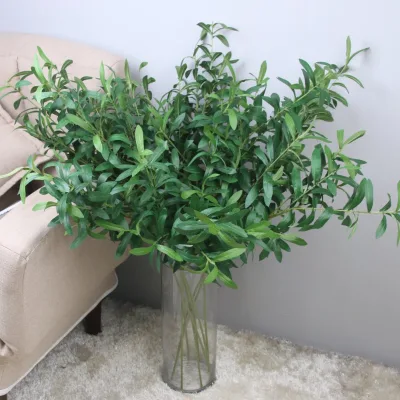
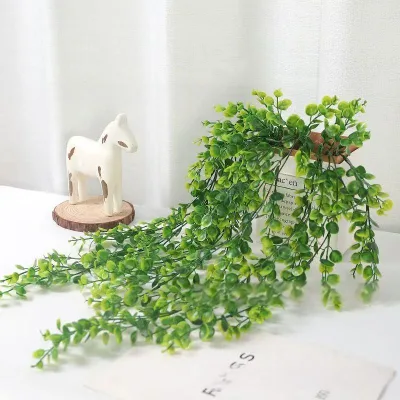
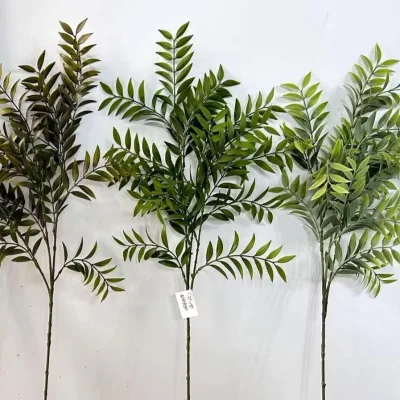
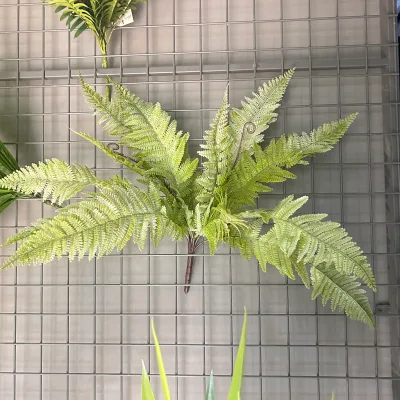
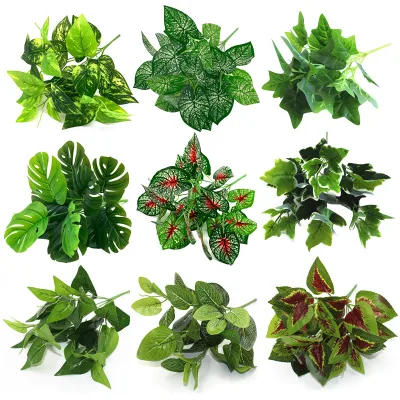
The current market for artificial foliage presents a diverse range of products, primarily categorized by material composition and intended use. Observed listings indicate a strong presence of plastic and silk-based leaves, with sizes ranging from small decorative elements to large branch structures. Common product names include artificial leaves, olive branches, and willow leaves, often marketed for use in homes, restaurants, hotels, and supermarkets. These items are typically described as having a natural look and touch, with high simulation qualities that aim to replicate the visual and tactile experience of real plants.
Key listing signals reveal significant variation in customization options and packaging standards. Some suppliers offer customized designs and logo printing, while others provide non-customized, bulk-packaged items. The observed price range is broad, reflecting differences in material quality, size, and production complexity. Buyers should note that terms like "competitive price" are subjective and do not guarantee value. It is essential to cross-reference these signals with concrete specifications, such as material type and size, to ensure the product meets specific project requirements.
Technical Specifications to Verify
Technical verification is paramount when sourcing artificial plant leaves, as visual appeal alone does not guarantee durability or suitability. Buyers must confirm the exact material composition, with plastic and silk being the most commonly observed materials. Size specifications vary widely, with observed ranges including 30-45cm, 60-65cm, and up to 77cm or 75cm for larger branches. It is crucial to verify the single package dimensions, as these impact shipping costs and storage requirements. For instance, some listings indicate a single package size of 90x5x5 cm, which suggests a specific packing method that may affect logistics planning.
Surface treatment and manufacturing processes also play a critical role in product quality. Handmade processing is often cited as a differentiator, potentially offering higher realism compared to mass-produced items. Surface treatments, such as printing, can enhance the visual texture of the leaves. Buyers should request samples to assess the "natural touch" and "high simulation" claims firsthand. Additionally, verifying the model number and product standard helps in tracking inventory and ensuring consistency across multiple orders, especially when sourcing from different suppliers or regions.
Compliance and Safety Documentation
While specific certifications are not universally guaranteed, buyers should proactively request documentation related to material safety and regulatory compliance. The REACH regulation is a relevant standard for chemical safety in the European market, and suppliers may claim adherence to such frameworks. However, buyers must verify these claims through official certificates rather than relying on product descriptions alone. It is advisable to ask for Material Safety Data Sheets (MSDS) or test reports that confirm the absence of harmful substances, particularly for products intended for indoor use in sensitive environments like schools or hospitals.
Packaging standards also contribute to overall compliance and safety. Observed packaging methods include cartons and boxes, which should be evaluated for their protective qualities and environmental impact. Buyers should inquire about the recyclability of packaging materials and whether suppliers offer eco-friendly alternatives. Additionally, verifying the origin of the products, such as Guangdong, China, can provide context for local regulatory environments. Ensuring that all documentation is up-to-date and verifiable helps mitigate risks associated with non-compliance and potential product recalls.
Cost Drivers and Commercial Terms
Understanding the cost drivers behind artificial plant leaves is essential for effective budgeting and negotiation. Key factors include material costs, manufacturing complexity, and customization requirements. Handmade items typically command higher prices due to labor intensity, while bulk-produced items may offer more competitive pricing. The observed MOQ range of 10-1000 pieces allows for flexibility, but buyers should consider how order volume impacts unit costs. Payment terms such as T/T, Western Union, Moneygram, and PayPal are commonly accepted, but buyers should negotiate terms that align with their cash flow and risk management strategies.
Lead times are another critical commercial consideration, with observed ranges spanning 7-15 days. Delays can occur due to customization requests or supply chain disruptions, so it is important to establish clear communication channels with suppliers. Buyers should also consider the total cost of ownership, including shipping, handling, and potential returns. Transparent pricing structures and detailed quotations help avoid hidden costs. Regularly reviewing commercial terms and comparing them against market benchmarks ensures that buyers maintain a competitive edge while securing reliable supply.
Supplier Qualification and Quality Control
Supplier qualification is a foundational step in mitigating procurement risks. Buyers should assess suppliers based on their production capabilities, quality control processes, and customer service reputation. Observing a supplier's history with similar products, such as artificial olive branches or willow leaves, can provide insights into their expertise. It is advisable to request references or case studies from previous clients to verify the supplier's reliability. Additionally, evaluating the supplier's response time and communication style can indicate their commitment to customer satisfaction and problem resolution.
Quality control measures should be integrated into the procurement process to ensure consistent product standards. Buyers should define clear acceptance criteria for color, size, and material quality. Regular inspections, either through third-party agencies or internal teams, can help identify defects early in the production cycle. Establishing a feedback loop with suppliers allows for continuous improvement and addresses any recurring issues. By prioritizing supplier qualification and rigorous quality control, buyers can build a resilient supply chain that delivers high-quality artificial plant leaves consistently.
Long-Term Procurement Checks
Long-term procurement success depends on continuous monitoring and adaptation to market changes. Buyers should regularly review supplier performance metrics, including on-time delivery rates, product quality, and responsiveness to issues. Establishing key performance indicators (KPIs) helps in objectively evaluating suppliers and identifying areas for improvement. It is also important to stay informed about emerging trends in artificial foliage, such as new materials or sustainable manufacturing practices. This proactive approach ensures that procurement strategies remain aligned with evolving business needs and customer expectations.
Building strong relationships with suppliers fosters collaboration and innovation. Regular communication and joint planning sessions can lead to better product development and cost optimization. Buyers should also consider diversifying their supplier base to reduce dependency on single sources and mitigate supply chain risks. By implementing robust long-term procurement checks, buyers can ensure a stable and efficient supply of environment-friendly artificial plant leaves, supporting their business goals and sustainability initiatives effectively.
FAQs
What materials are used for these artificial leaves?
The artificial leaves are primarily made from plastic and silk cloth materials. These materials provide a natural touch and look, ensuring high simulation quality. The products are designed to be environmentally friendly while maintaining durability. This combination allows for realistic decoration in various settings without the maintenance required by real plants.
Can I customize the size of the artificial branches?
Yes, customization is available for many of the artificial leaf products. Sizes typically range from 30cm to 77cm, with specific options like 60-65cm or 60cm standard lengths. Some items are non-customized bulk options. Buyers should check specific product models to confirm if custom dimensions are supported for their particular decoration needs.
What is the typical lead time for orders?
The typical lead time for these artificial plant products is between 7 and 15 days. Some specific items may have a slightly shorter window of 7 to 12 days. This timeframe allows for processing and packaging. Buyers should confirm exact dates with suppliers, as lead times can vary based on order volume and specific customization requirements.
Where are these artificial plants manufactured?
These artificial plants are manufactured in China, specifically in the Guangdong region. The products originate from this location before being shipped globally. Buyers can expect standard Chinese manufacturing processes, including handmade details for certain items. This origin supports competitive pricing and a wide variety of styles for home and commercial decoration.
What payment methods are accepted for these orders?
Accepted payment methods include T/T, Western Union, Moneygram, and PayPal. These options provide flexibility for international B2B transactions. Buyers can choose the method that best suits their financial processes. It is advisable to confirm payment terms with the supplier before finalizing the order to ensure smooth processing and timely shipment of the goods.
What is the minimum order quantity for these items?
The minimum order quantity (MOQ) typically starts at 100 pieces for customized items. However, observed ranges indicate MOQs can vary from 10 to 1000 pieces depending on the specific product. Bulk packaging options may have different thresholds. Buyers should verify the exact MOQ for their selected model to ensure it meets their procurement volume requirements.