Source Wall-Mounted Glass Cooker Hood With Aluminum Filter for Kitchens
Find 30 wall-mounted glass cooker hood with aluminum filter options featuring European style designs, stainless steel housing, and various extraction rates. Compare specs like noise levels, motor types, and installation requirements for commercial and residential kitchen sourcing needs; compare the available evidence and request quotations based on your requirements.
Updated
Key considerations
Products List


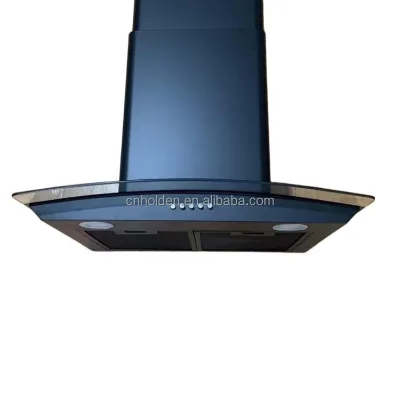
Wall-Mounted Kitchen Range Hood Curved Glass Design Kitchen Cooker Vent Hood
$105.00 - $110.00
MOQ: 100 Pieces


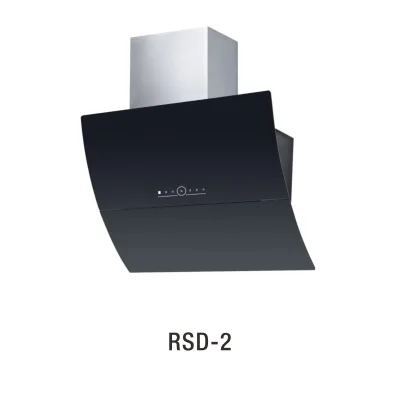
Wall-Mounted Curved Side Suction Range Hood Appliance Cooker Vent Hood
$41.00 - $43.00
MOQ: 100 Pieces


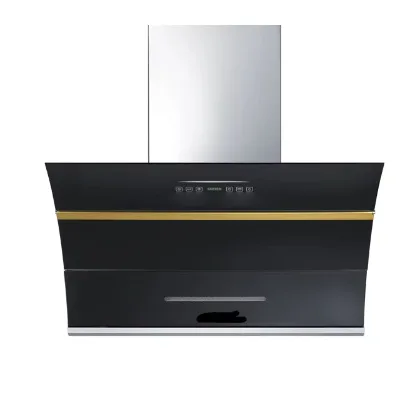
60cm 90cm Glass and Stainless Steel Range Hood/Cooker Hood/Kitchen Hood
$39.00 - $60.00
MOQ: 100 Pieces

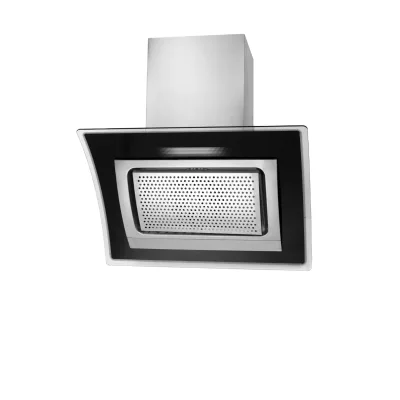


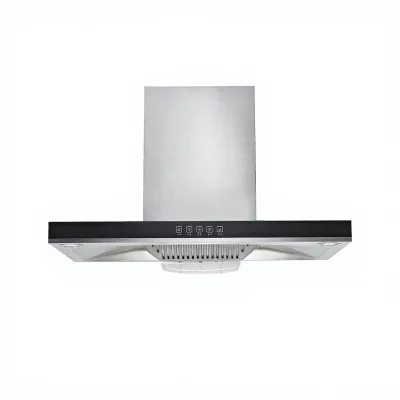
OEM ODM T Shape Cooker Hood Household Wall Mount Kitchen Chimney Range Hood
$39.00 - $41.00
MOQ: 50 Pieces



Comprehensive Sourcing Guide
Wall-Mounted Glass Cooker Hood with Aluminum Filter Sourcing Guide
Sourcing wall-mounted glass cooker hoods with aluminum filters requires a clear understanding of the diverse technical configurations available in the current market. Buyers must navigate a product landscape that includes variations in extraction rates, noise levels, and control mechanisms. The observed product count of thirty distinct models indicates a competitive supply base, yet the specifications vary significantly. Some units offer high extraction rates of 600 to 700 cubic meters per hour, while others are designed for lower suction needs. Understanding these differences is critical for matching the hood to specific kitchen ventilation requirements and user expectations.
The visual and material composition of these hoods also presents multiple options for procurement teams. Common materials include tempered glass paired with stainless steel bodies, providing a modern aesthetic that suits European-style kitchens. However, other models may feature all-stainless steel housings or shallow-cover designs. Buyers should carefully evaluate the style and shape, such as cabinet-type or shallow-cover, to ensure compatibility with existing kitchen cabinetry. The presence of aluminum filters, often three-layer black-coated or standard aluminum, is a key functional element that aids in grease separation and maintenance, influencing both performance and cleaning frequency.
Product Scope and Observed Listing Signals
The current market listings reveal a wide price range of 25 to 110 USD, reflecting significant variation in build quality, features, and brand positioning. This broad spectrum suggests that buyers can find budget-friendly options as well as premium models with advanced features like dynamic displays and built-in oil cups. The minimum order quantity (MOQ) typically ranges from 50 to 200 units, indicating that suppliers are flexible enough to accommodate both small trial orders and larger bulk purchases. Procurement teams should align their order volumes with these MOQ constraints to optimize logistics and inventory management.
Observed listing signals also highlight specific operational and aesthetic attributes that define the product scope. Many models feature wall-mounted installations with ducted venting options, ensuring efficient removal of cooking fumes. Some units support recirculating venting, which is essential for kitchens without external ductwork. The inclusion of copper motors and specific power ratings, such as 80W to 200W, provides insight into energy efficiency and durability. Buyers should verify these signals against their technical requirements, paying close attention to noise levels, which range from quiet operations under 40dB to louder models exceeding 70dB.
Technical Specifications to Verify
Verification of technical specifications is paramount when selecting a wall-mounted glass cooker hood. Key parameters include extraction rate, noise level, and power consumption, which directly impact user experience and energy costs. For instance, some models boast an extraction rate of 600 or 700 cubic meters per hour, suitable for high-heat cooking environments. Others may have lower rates, such as 250 cubic meters per hour, which might be insufficient for heavy-duty use. Buyers must cross-reference these figures with their kitchen size and cooking habits to ensure adequate ventilation performance.
Control mechanisms and additional features also require careful scrutiny. Options range from simple two-speed button controls to advanced three-speed touch panels with gesture sensing. The presence of LED lighting, such as 2*1.5W LEDs, enhances visibility over the cooking area. Additionally, the type of filter, whether two three-layer black-coated aluminum filters or standard aluminum filters, affects maintenance ease and grease capture efficiency. Buyers should confirm the outlet diameter, often φ150mm, to ensure compatibility with existing ductwork systems and avoid costly modifications during installation.
Compliance and Safety Documentation
Compliance with international safety and environmental standards is non-negotiable for global procurement. Buyers must verify that suppliers provide valid certification documents, such as CE, CB, and RoHS marks, which attest to electrical safety and material restrictions. These certifications are crucial for market access in regions like Europe and North America. Without proper documentation, products may face customs delays or rejection. Procurement teams should request copies of these certificates and validate their authenticity through the issuing bodies to mitigate regulatory risks.
Beyond certifications, understanding the product standards and dimensions is essential for seamless integration. Standard dimensions vary, with some models measuring 900523540mm and others 705355415mm. Buyers must ensure that the selected hood fits the designated space in the kitchen layout. Additionally, packaging standards, such as carton or five-layer brown box, impact shipping efficiency and product protection. Verifying these details early in the sourcing process prevents logistical issues and ensures that the products arrive in pristine condition, ready for retail or installation.
Cost Drivers and Commercial Terms
Cost drivers for wall-mounted glass cooker hoods include material quality, motor type, and feature complexity. Models with tempered glass and stainless steel bodies, along with copper motors, tend to be priced higher due to durability and performance benefits. Advanced features like gesture sensing and dynamic displays also contribute to increased costs. Buyers should analyze the price-to-feature ratio to determine the best value for their target market. Understanding these drivers helps in negotiating better terms and selecting models that align with budget constraints without compromising essential quality.
Commercial terms, including MOQ and lead times, significantly influence procurement strategy. With MOQs ranging from 50 to 200 units, buyers can tailor their orders to match demand forecasts. However, higher MOQs may offer better unit prices, requiring careful inventory planning. Lead times, though not explicitly stated in all listings, are critical for supply chain reliability. Buyers should establish clear communication with suppliers regarding production schedules and shipping methods. Flexibility in commercial terms can provide a competitive advantage, allowing for agile responses to market changes and customer demands.
Supplier Qualification and Quality Control
Supplier qualification involves assessing manufacturing capabilities, quality management systems, and past performance. Buyers should prioritize suppliers with proven track records in producing wall-mounted glass cooker hoods. Requesting factory audits or third-party inspections can provide insights into production processes and quality control measures. Suppliers who adhere to strict quality standards are more likely to deliver consistent products that meet technical specifications. Building relationships with reliable suppliers reduces the risk of defects and ensures long-term partnership stability.
Quality control checks should be implemented at various stages of production. Pre-production inspections verify material quality, such as the grade of stainless steel and tempered glass. During production, random sampling can identify manufacturing defects early. Final inspections ensure that each unit meets performance criteria, including noise levels and extraction rates. Buyers should define clear acceptance criteria and communicate them to suppliers. Implementing a robust quality control plan minimizes the risk of receiving substandard products and protects brand reputation in the market.
Long-Term Procurement Checks
Long-term procurement checks focus on supplier reliability, product lifecycle, and market trends. Buyers should regularly review supplier performance metrics, such as on-time delivery rates and defect percentages. Consistent performance indicates a reliable partner, while frequent issues may signal the need for supplier diversification. Additionally, staying informed about emerging technologies and design trends in cooker hoods helps in making informed purchasing decisions. Suppliers who innovate and adapt to market changes are valuable partners for long-term growth.
Sustainability and after-sales support are also critical considerations for long-term success. Buyers should inquire about the availability of spare parts, such as filters and motors, to ensure easy maintenance for end-users. Suppliers who offer comprehensive after-sales support enhance customer satisfaction and reduce warranty claims. Furthermore, evaluating the environmental impact of materials and packaging aligns with growing consumer demand for sustainable products. By prioritizing these long-term factors, buyers can build a resilient and competitive supply chain that delivers value over time.
FAQs
What extraction rates are available for these wall-mounted glass cooker hoods?
Extraction rates vary by model, with observed capacities of 600 m³/h and 700 m³/h. Some units offer ducted venting for efficient airflow, while others support recirculating options. Buyers should verify the specific model's cubic meter per hour rating to match their kitchen ventilation needs effectively.
Can these hoods be customized for specific kitchen requirements?
Yes, customization is available for these wall-mounted glass cooker hoods. Buyers can request specific modifications to suit their kitchen layout or aesthetic preferences. This flexibility allows for tailored solutions, ensuring the appliance integrates seamlessly with existing cabinetry and design schemes while maintaining performance standards.
What certifications do these wall-mounted glass cooker hoods hold?
Certifications include CE, CB, and RoHS for compliant models. These marks indicate adherence to safety and environmental standards in various markets. Buyers should verify the specific certification list for each model, as not all units may carry every listed mark, ensuring regulatory compliance for their target regions.
How is the noise level managed in these wall-mounted glass cooker hoods?
Noise levels range from 41-50 dB to 61-70 dB depending on the model and speed setting. Quieter units operate at lower decibels, while higher extraction speeds may increase sound. Buyers should check the specific dB rating for each model to ensure compatibility with their kitchen's acoustic environment.
What is the minimum order quantity for these wall-mounted glass cooker hoods?
The minimum order quantity ranges from 50 to 200 units, depending on the supplier and model. Buyers should confirm the exact MOQ with their chosen vendor, as bulk orders may offer better pricing. This flexibility allows for scalable procurement strategies tailored to different business sizes and inventory needs.
What materials are used in the construction of these wall-mounted glass cooker hoods?
Materials include tempered glass and stainless steel, with some models featuring a 410 stainless steel body. Filters are typically three-layer aluminum, often black-coated for durability. These materials ensure resistance to heat and corrosion, maintaining aesthetic appeal and functional performance over time in demanding kitchen environments.