Dual Burner Gas Stove with Copper Cover Suppliers and Manufacturers
Source 18 verified suppliers for Dual Burner Gas Stove with Copper Cover options. Compare grounded dimensions including location, lead time, MOQ, and certifications. Review product specs and request quotes to streamline your procurement process; review the available evidence before requesting comparable quotations from suitable candidates.
Suppliers List

Shandong Wilk Kitchen Equipment Co., Ltd
- Verified by SGS
- Trading Company
- China Shandong
- Lead time15 days
- Avg. response≤ 1h
Main productsStainless Steel Worktable, Stainless Steel Sink, Stainless Steel Shelf, Commercial Rice Steamer, Commercial Gas Stove, Refrigeration Equipment, Western Kitchen Equipment, Bakery Equipment, Cleaning&Sterilizing Equipment, Changing Room Equipment
Main marketsSoutheast Asia/ Mideast

Kaesid Kitchen Equipment (Shenzhen) Co., Ltd.
- Verified by TUVRHEINLAND
- Manufacturer/Factory
- China Guangdong
- Lead time0 days
- Avg. response≤ 7h
Main productsKitchen Equipment, Catering Equipment, Kitchen Furniture, Ice Cream Maker, Refrigerator, Bakery Equipment, Ice Maker, Home Appliances, Electric Griddle, Electric Pressure Cooker
Shaanxi Ruitai Kitchen Industry Co., Ltd.
- Verified by SGS Group
- Manufacturer, Trading Company
- Lead time7 days
- Avg. response≤ 2h
Main productsKitchen Equipment, Kitchenware, Wok Stove
Main marketsSoutheast Asia(40%), North America(30%), Africa(10%)
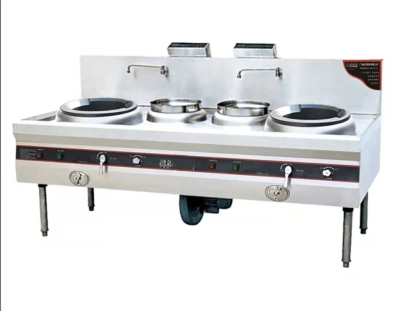
Multiple Burner Gas Stove with High Quality
$743.42 - $805.37
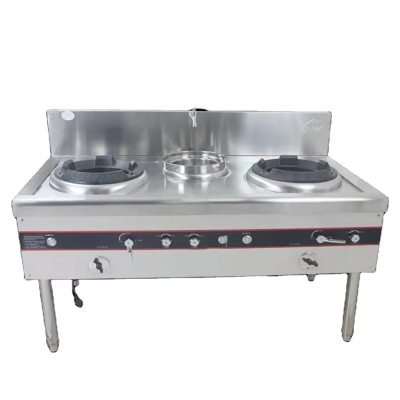
Cooking Stoves /Stainless Steel Kind Gas
$720.00 - $780.00

JINHUA HI-RISING IMP. & EXP. CO., LTD.
- Verified by BV
- Trading Company,Manufacturer/Factory
- China Zhejiang
- Lead time23 days
- Avg. response≤ 25h
Main productsFasteners, Hardwares, Bolts, Nuts, Screws, Washers, Hand Tools, Garden Tools, Gas Stove
Main marketsEastern Europe,Mid East,Southeast Asia,Eastern Asia,Oceania,Western Europe

Guangzhou Sunrry Kitchen Equipment Co., Ltd.
- Verified by CTI
- Trading Company,Manufacturer/Factory
- China Guangdong
- Lead time30 days
- Avg. response≤ 3h
Main productsCommercial Kitchen Solutions, Turnkey Kitchen Solutions, Catering Equipment, Restaurant Equipment, Commercial Refrigeration Equipment, Commercial Bakery Equipment, Commercial Cooking Equipment, Stainless Steel Equipment, Commercial Food Prep Equipment, Commercial Kitchen Equipment
Main marketsSouth America,Eastern Europe,Mid East,North America,Southeast Asia,Eastern Asia,Oceania,Western Europe,Africa

Guangzhou Nantian Sources Co., Ltd.
- Manufacturer/Factory
- China Guangdong
- Lead time15 days
- Avg. response≤ 6h
Main productsKitchen Equipment, Kitchenware, Food Machine, Kitchen Appliance, Glassware, Food Machinery, Bakery Equipment, Dinnerware, Kitchen Utensils, Food Processor
Main marketsSouth America,Mid East,Southeast Asia,Eastern Asia,Oceania,Africa
Tongling Dingyan Import and Export Trading Co., Ltd.
- Trading Company
- China Anhui
- Lead time0 days
- Avg. response≤ 2h
Main productsOutdoor Fryer & Burners, Turkey Fryer, Seafood Pot Kit, Burners

Foshan City YIGOU Electrical Appliances Co., Ltd
- Verified by CTI
- Combined
- China Guangdong
- Lead time30 days
- Avg. response≤ 12h
Main productsGas Stove, Cooktop Gas Stove
Main marketsAfrica,Southeast Asia/ Mideast,Australia

Double Burner Gas Stove 2 Stainless Steel Gas Cooker Kitchen Appliance
$10.00 - $15.00
MOQ: 100 Pieces

3 Burners Tabletop Triple Burner Gas Stove with Brass Cap LPG Gas Cooker
$18.00 - $22.00
MOQ: 100 Pieces


Guangdong Zhongxi Electric Co., Ltd.
- Verified by BV
- Manufacturer/Factory
- China Guangdong
- Lead time23 days
- Avg. response≤ 9h
Main productsRange Hood, Gas Stove, Gas Water Heater, Induction Cooker, Infrared Cooker, Gas Hobs, Freestanding Stove
Main marketsSouth America,Eastern Europe,Mid East,North America,Southeast Asia,Eastern Asia,Oceania,Western Europe,Africa


Double Burner Stainless Steel Portable Gas Stove Camping Gas Stove Burner
$13.00 - $15.00
MOQ: 200 Pieces

Manufacturer Cooking Appliance Stainless Steel High Quality Double Burner Gas Stove
$15.00 - $17.00
MOQ: 200 Pieces


Zhongshan Jiaye Electric Appliance Co., Ltd.
- Verified by SGS
- Combined
- China Guangdong
- Lead time23 days
- Avg. response≤ 8h
Main productsGas Hob, Gas Stove, Range Hood, Built-in Oven, Microwave Oven, Induction Cooker, Ceramic Hob
Main marketsSouth America,Africa,Southeast Asia/ Mideast,Europe

ZHONG SHAN MEILONG ELECTRONIC CO.,LTD
- Verified by BV
- Combined
- China Guangdong
- Lead time30 days
- Avg. response≤ 2h
Main productsGas Stove, Range Hoods, Induction
Main marketsSouth America,Africa,Southeast Asia/ Mideast

- Verified by BV
- Combined
- China Guangdong
- Lead time15 days
- Avg. response≤ 2h
Main productsHood Type Dishwasher, Conveyor Type Dishwasher, Ultrasonic Dishwasher, Undercounter Dishwasher, Bakery Equipment, Food Processor
Main marketsSouth America,Africa,Others(foreignTradeCapacity.exportBusinessCapacityMarketOther),North America

Zhengzhou Hento Machinery Co., Ltd.
- Verified by SGS
- Trading Company,Manufacturer/Factory,Group Corporation
- China Henan
- Lead time15 days
- Avg. response≤ 7h
Main productsMeat Processing Machinery, Egg Processing Machinery, Dairy Processing Machinery, Fruit & Vegetable Processing Machinery, Grain Product Making Machines, Snack Machines, Nuts Processing Machinery, Packing Machines, Drying Machines, Commodity Making Machines
Main marketsSouth America,Eastern Europe,Mid East,North America,Southeast Asia,Eastern Asia,Oceania,Western Europe,Africa

Guangdong Jieguan Kitchen Equipment Manufacturing Co., Ltd.
- Combined
- China Guangdong
- Lead time30 days
- Avg. response≤ 6h
Main productsCombi Oven, Convection Oven, Fryer, Griddle, Induction Cooker, Coffee Maker, Chicken Rotisserie, Food Warmer, Bain Marie, Pasta Cooker and Cooking Range
Main marketsSouth America,Africa,Others(foreignTradeCapacity.exportBusinessCapacityMarketOther),Europe,Australia

Qingdao Vestar International Industry Co., Ltd.
- Verified by BV
- Trading Company
- China Shandong
- Lead time30 days
- Avg. response≤ 3h
Main productsRefrigerator, Air Conditioner, Range Hood, Gas Hobs, Oven, Washing Machine, Microwave, Dishwasher, Showcase, Chest Freezer
Main marketsSouth America,Africa,Southeast Asia/ Mideast,Domestic,Europe,Australia,North America

FOSHAN HAITIAN YOUMI ELECTRICAL TECHNOLOGY CO.,LTD
- Verified by TUVRHEINLAND
- Manufacturer/Factory
- China Guangdong
- Lead time23 days
- Avg. response≤ 5h
Main productsGas Stove, Range Hood, Gas Water Heater, Gas Bolier, Induction Cooker, Ceramic Hob
Main marketsSouth America,Eastern Europe,Mid East,North America,Southeast Asia,Eastern Asia,Oceania,Western Europe,Africa

High-Efficiency Dual Burner Gas Stove 3.2kw and 1.65kw with Factory OEM Support Gas Hob
$24.00 - $26.00
MOQ: 100 Pieces

Copper Adapter Design Gas Hob Stainless Steel High Power 3 Burners Gas Stove
$171.00 - $175.00
MOQ: 100 Pieces


Efficient 3 Copper Burners Gas Hob Stainless Steel Cooking Gas Stove
$171.00 - $175.00
MOQ: 100 Pieces

Efficient Cooking Experience 3 Burners Gas Hob Premium Copper Burner Gas Stove
$171.00 - $175.00
MOQ: 100 Pieces

Copper Adapter Technology Gas Hob High Power 3 Burners Stainless Steel Gas Stove
$171.00 - $175.00
MOQ: 100 Pieces
Zhongshan Jinyu Hardware Products Factory
- Verified by BV
- Combined
- China Guangdong
- Lead time15 days
- Avg. response≤ 11h
Main productsGas Burners
Main marketsOthers(foreignTradeCapacity.exportBusinessCapacityMarketOther),Domestic

GGMGASTRO (QINGDAO) INTERNATIONAL CO., LTD.
- Verified by BV
- Trading Company,Manufacturer/Factory
- China Shandong
- Lead time23 days
- Avg. response≤ 4h
Main productsCommercial Refrigerator, Kitchen Equipment, Catering Equipment, Bakery Eqipment, Ice Maker, Stainless Steel Sink, Meat Slicer, Fryer, Induction Cooker, Contact Grill
Main marketsSouth America,Eastern Europe,Mid East,Southeast Asia,Western Europe


Comprehensive Sourcing Guide
Dual Burner Gas Stove with Copper Cover Supplier Concentration and Factory Types
Current search results indicate supplier concentration primarily in China, with specific facility locations identified in Shandong and Guangdong provinces. These regions host a mix of trading companies and manufacturers, though the exact distribution of copper cover production capabilities varies by entity. Some suppliers list main products including stainless steel worktables, commercial gas stoves, and refrigeration equipment, while others focus on kitchen furniture and ice makers. The presence of both trading companies and manufacturers suggests a layered supply chain where some entities source from factories and others produce in-house. Buyers should note that while some results explicitly state "Manufacturer/Factory" status, others are classified as "Trading Company," which impacts direct control over production details like copper cover integration.
When evaluating factory types, the distinction between a pure manufacturer and a trading company is critical for product customization. Suppliers with ODM and OEM capabilities often indicate a stronger capacity for modifying designs, such as adding copper covers to dual burner units. However, not all listed suppliers explicitly confirm copper cover manufacturing in their main product lists, which often feature stainless steel sinks, shelves, and general cooking equipment. Buyers must verify if the specific copper cover component is a standard offering or a custom request. The data shows some suppliers offer customization for fuel types and materials, but the specific inclusion of copper covers requires direct confirmation. Understanding whether a supplier is a direct factory or a middleman helps in assessing the reliability of the supply chain for specialized components like copper covers.
How to Verify Dual Burner Gas Stove with Copper Cover Suppliers
Verification processes should prioritize third-party audit reports and company registration details found in supplier profiles. Current data shows some suppliers hold SGS verification status, while others display TUVRHEINLAND certifications. These external validations provide a baseline for assessing the legitimacy of the business entity and its operational standards. Buyers should request these specific verification documents to confirm the supplier's identity and operational history. It is essential to cross-reference the claimed verification status with the supplier's actual business license and physical address. The presence of a verification badge alone does not guarantee product quality, but it is a necessary first step in the due diligence process for sourcing specialized kitchen equipment.
Beyond basic verification, buyers must assess the supplier's response time and communication reliability as indicators of service quality. The observed response times vary significantly, with some suppliers showing a response time of 0.78 hours while others take over six hours. A faster response time often correlates with better customer service and more efficient order processing, which is vital when sourcing custom items like copper covers. Buyers should test communication channels before placing orders to ensure the supplier can provide timely updates on production status. Additionally, checking the supplier's main product list for relevance to gas stoves and kitchen equipment helps confirm their expertise. A supplier specializing in general appliances may lack the specific technical knowledge required for copper cover integration, making direct product inquiry essential.
What to Compare Across Dual Burner Gas Stove with Copper Cover Suppliers
Comparative analysis should focus on lead times, minimum order quantities, and pricing structures to determine the best fit for specific project needs. Lead times in the current results range from zero to fifteen days, indicating varying levels of inventory readiness and production capacity. Some suppliers offer immediate availability, while others require a production window that could impact project timelines. Buyers must align these lead times with their delivery schedules, especially for custom orders involving copper covers. Minimum order quantities also vary, with some suppliers requiring as few as ten units while others demand significantly higher volumes. Understanding these thresholds helps buyers optimize their order size to balance cost efficiency with inventory management.
Pricing and customization options are equally critical factors in the comparison process. The observed price ranges for similar gas stove models span from fifty to two hundred forty dollars, reflecting differences in material quality, burner count, and feature sets. Buyers should request detailed quotes that explicitly include the cost of copper covers and any associated customization fees. Customization availability is noted for several products, but the specific inclusion of copper covers must be confirmed in the product attributes. Additionally, comparing the fuel type compatibility, such as natural gas versus liquefied gas, ensures the stove meets local regulatory and usage requirements. Evaluating these variables side-by-side allows buyers to identify suppliers that offer the best value proposition for their specific dual burner gas stove requirements.
Common Dual Burner Gas Stove with Copper Cover Sourcing Risks
One significant risk involves the discrepancy between advertised product attributes and actual manufacturing capabilities. While some listings mention customization availability, the specific inclusion of copper covers may not be standard across all models. Buyers risk receiving products that do not match their specifications if they do not explicitly confirm the material composition and design details. The product evidence shows various attributes like electronic ignition and stainless steel materials, but the copper cover element requires specific verification. Relying solely on general product descriptions without detailed technical drawings or material certificates can lead to mismatches in the final delivered goods.
Another risk pertains to the reliability of the supply chain and the potential for delays in production or shipping. Lead times listed as zero may indicate stock availability, but custom orders often require longer production windows that are not immediately apparent. If a supplier claims a short lead time but lacks the capacity for custom copper cover fabrication, delays are likely. Furthermore, the variation in response times suggests that some suppliers may be slow to address issues or provide updates. Buyers should establish clear communication protocols and set realistic expectations for delivery dates. Ensuring that the supplier has a proven track record of handling custom orders is essential to mitigate the risk of supply chain disruptions and ensure timely project completion.
Dual Burner Gas Stove with Copper Cover Regional Sourcing and Logistics
Regional sourcing strategies should account for the specific manufacturing clusters identified in the search results, primarily in Shandong and Guangdong provinces. These regions are known for their concentration of kitchen equipment manufacturers and trading companies, offering a diverse range of options for sourcing dual burner gas stoves. Buyers should consider the logistical advantages of sourcing from these areas, such as established shipping routes and experienced freight forwarders. However, the distance between the factory and the destination port can impact shipping costs and transit times. Understanding the geographic location of the supplier helps in planning the logistics chain and estimating the total landed cost of the products.
Logistics planning must also consider the packaging and handling requirements for specialized components like copper covers. The product evidence indicates standard packaging options, but custom items may require reinforced packaging to prevent damage during transit. Buyers should verify the packaging specifications with the supplier to ensure the copper covers arrive in pristine condition. Additionally, the type of fuel the stove uses, such as natural gas or liquefied gas, may affect shipping regulations and documentation requirements. Ensuring that the supplier is aware of these regulations and can provide the necessary documentation is crucial for smooth customs clearance. Proper logistics planning minimizes the risk of damage and delays, ensuring that the dual burner gas stoves reach the destination efficiently.
Dual Burner Gas Stove with Copper Cover Commercial Terms and Order Planning
Commercial terms should be clearly defined in the purchase agreement to avoid misunderstandings regarding payment, delivery, and quality assurance. Buyers should negotiate terms that include specific clauses for custom orders, such as copper cover specifications and acceptance criteria. Payment terms often vary, with some suppliers requiring deposits before production begins. It is essential to agree on a payment schedule that protects the buyer's interests while ensuring the supplier has the necessary funds to proceed with manufacturing. Additionally, the agreement should outline the consequences of delays or non-compliance with the agreed-upon specifications. Clear commercial terms provide a legal framework that supports a successful transaction and minimizes the risk of disputes.
Order planning requires a detailed timeline that accounts for production, quality control, and shipping phases. Buyers should create a schedule that includes milestones for design approval, material sourcing, and final inspection. Given the potential for customization, the timeline may be longer than for standard products. It is advisable to build in buffer time for any unforeseen delays or additional quality checks. The supplier's lead time and response time should be factored into this planning to ensure realistic expectations. By carefully mapping out the order process, buyers can maintain control over the project timeline and ensure that the dual burner gas stoves with copper covers are delivered on schedule and meet all quality standards.
FAQs
What is the price range for dual burner gas stoves?
Prices for dual burner gas stoves typically range from $50 to $240 depending on specifications. Some basic models start around $7, while heavy-duty commercial units cost more. Buyers should check specific product listings for exact pricing based on material thickness and customization options.
What is the minimum order quantity for these stoves?
Minimum order quantities vary significantly by supplier. Some manufacturers accept orders as low as 10 units, while others require a minimum of 499 pieces. Buyers must verify the specific MOQ for each product model and supplier to ensure it aligns with their procurement volume.
How long does production take for these stoves?
Lead times generally range from 15 days for standard orders. Some suppliers list zero days, indicating immediate availability or drop-shipping capabilities. Buyers should confirm the exact production schedule with the supplier before placing orders to avoid delays in their supply chain operations.
Are these stoves customizable for commercial use?
Yes, customization is available for many dual burner gas stove models. Suppliers offer OEM and ODM services, allowing for specific fuel types, panel materials, and ignition modes. Buyers can request custom packaging and specifications to meet their unique commercial kitchen requirements and branding needs.
Where are these gas stoves manufactured?
These stoves are primarily manufactured in China, specifically in Shandong and Guangdong provinces. Buyers can source products from both trading companies and direct manufacturers located in these regions. Verifying the exact place of origin ensures compliance with import regulations and quality standards.
What certifications do these suppliers hold?
Suppliers hold various certifications including SGS verification and ISO 9001 system certification. Some are verified by TÜV Rheinland. Buyers should request current certification documents to ensure the products meet international safety and quality standards for commercial kitchen equipment usage.