Black Ceramic Glass Induction Cooktop Suppliers and Manufacturers
Compare 14 verified suppliers of Black Ceramic Glass Induction Cooktop based on location, lead time, response time, and certifications. Review product specifications and pricing to select the right factory for your needs; review the available evidence before requesting comparable quotations from suitable candidates.
Suppliers List

Jinan JSV Industrial Co., Ltd.
- Verified by CTI
- Manufacturer/Factory
- China Shandong
- Lead time15 days
- Avg. response≤ 5h
Main productsTransparent Glass Ceramic Black Glass Ceramic, Borosilicate 4.0 Fire Proof Glass Sheet, Borosilicate 3.3 Floated Glass Sheet, Processed Glass Sheet, Oil Level Sight Glass with Threads, Borosilicate Level Gauge Glass, Quartz Glass Tube Quartz Fiber Wool, Borosilicate 3.3 Glass Tube, Lead Free Glass Tube pH360 Glass Tube, Explosion Proof Glass Dome
Main marketsSouth America,Eastern Europe,Mid East,North America,Southeast Asia,Eastern Asia,Oceania,Western Europe,Africa

Black Vitro Ceramic Induction Cooker Panel Glass Ceramic Cooktop Panel
$1.00 - $100.00
MOQ: 100 Pieces

Custom Size Glass Factory 4mm Ceramic Heat Resistant Black Ceramic Induction Cooktop for Cooker
$0.50 - $10.00
MOQ: 100 Pieces


Custom Size Heat Resistant Black Ceramic Glass Cooktop for Induction Cookers 4mm & 6mm
$0.50 - $10.00
MOQ: 100 Pieces

Custom Solid Tempered Black Ceramic Glass Cooktop for Induction Cooker for Kitchen
$0.50 - $10.00
MOQ: 100 Pieces

- Verified by SGS
- Combined
- China Guangdong
- Lead time30 days
- Avg. response≤ 6h
Main productsCover Glass, AG/Ar/Af Coating Glass, Touch Screen Glass, Smart Wearable Cover Glass, Tempered Glass for Household Appliances, Camera Lens Glass, Lighting Glass, Tempered Glass, Light Switch Touch Glass, ITO/Fto Glass
Main marketsSouth America,Southeast Asia/ Mideast,East Asia(Japan/ South Korea),Domestic,Europe,Australia,North America

Zhongshan Longstar Electrical Appliance Co., Ltd.
- Verified by BV
- Combined
- China Guangdong
- Lead time30 days
- Avg. response≤ 7h
Main productsInduction Cooker, Infrared Cooker
Main marketsSoutheast Asia/ Mideast


Custom 4 Burner Electric Induction Cooktop Glass Plates Black Color Induction Cooker
$90.00 - $95.00
MOQ: 100 Pieces


Zhongshan Linfeng Electric Appliance Co., Ltd.
- Manufacturer
- Guangdong, China
- Lead time25 days
- Avg. response≤ 5h
Main productsinduction cooker,ceramic hob,induction and ceramic hob,PCBA design,invisible cooker
Main marketsAfrica(30.00%), South Asia(20.00%), North America(20.00%), Eastern Asia(10.00%), Southeast Asia(10.00%), Western Europe(10.00%), Eastern Europe(8.00%), Mid East(2.00%)

Suzhou Yilin Glass Manufacturing Co., Ltd.
- Verified by TUVRHEINLAND
- Combined
- China Jiangsu
- Lead time15 days
- Avg. response≤ 15h
Main productsToughened Glass, Tempered Glass, Laminated Glass, Double Glazed Glass, Acid Etched Glass, Frosted Glass, Silk Screen Printed Glass, Tempered Shelf Glass, Toughened Pool Fence Glass, Toughened Balustrade Glass
Main marketsDomestic

Zhongshan Ruihu Industry and Trade Co., Ltd.
- Verified by TUVRHEINLAND
- Trading Company
- China Guangdong
- Lead time30 days
- Avg. response≤ 1h
Main productsInduction Cooker
Main marketsSouth America,Domestic

Zhongshan Daofey Electrical Co., Ltd.
- Verified by TUVRHEINLAND
- Combined
- China Guangdong
- Lead time30 days
- Avg. response≤ 9h
Main productsInduction Cooker, Infrared Cooker, Built in Cooker, Induction Cooktop, Ceramic Cooker, Built Induction Cooker, Built Ceramic Cooker, Hot Plate
Main marketsOthers(foreignTradeCapacity.exportBusinessCapacityMarketOther),Europe

FOSHAN KITCHENSTAR ELECTRICAL APPLIANCES CO., LTD.
- Combined
- China Guangdong
- Lead time30 days
- Avg. response≤ 13h
Main productsInduction Hob
Main marketsSoutheast Asia/ Mideast,Europe,North America


CE/CB Certified 4 Burners Built-in Induction Hob Cooktop Cooker Ceramic Glass
$72.00 - $75.00
MOQ: 50 Pieces

ZHONGSHAN AI LI PU ELECTRICAL APPLIANCE CO., LTD.
- Verified by TUVRHEINLAND
- Combined
- China Guangdong
- Lead time30 days
- Avg. response≤ 10h
Main productsInduction Cooker, Infrared Cooker, Halogen Cooker, Electric Pressure Cooker, Rice Cooker, Kettle, Commercial Induction Cooktop, Double Burns Induction Cooker, Double Burns Infrared Cooker, Four Burns Induction Cooker
Main marketsDomestic

- Verified by SGS
- Trading Company
- China Guangdong
- Lead time30 days
- Avg. response≤ 5h
Main productsAir Fryer, Air Fryer Oven, Toaster Oven, Electric Oven, Toaster, Pressure Cooker, Commercial Microwave Oven, Commercial Oven, Aroma Diffuser, Ice Maker
Main marketsEast Asia(Japan/ South Korea),Europe,North America

Zhejiang Haoda Electrical Appliance Co., Ltd.
- Combined
- China Zhejiang
- Lead time30 days
- Avg. response≤ 5h
Main productsFloor Cleaner, Deep Fryer, Infrared Ceramic Cooker, Electric Hotplate, Electric Buffet Warmer, Electric BBQ, Electric Chopper, Vacuum Cleaner, Air Fryer
Main marketsSoutheast Asia/ Mideast,Europe,North America


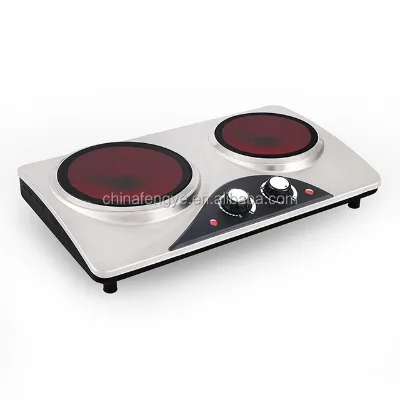
Induction Cooker Stainless Steel Ceramic Glass Plate Electric Cooktop Home
$20.80 - $24.00
MOQ: 500 Pieces


$20.80 - $24.00
MOQ: 500 Pieces

Zhongshan Fengye Electrical Appliances Co., Ltd.
- Verified by SGS Group
- Manufacturer, Trading Company
- Lead time30 days
- Avg. response≤ 7h
Main productsHot Plate, Infrared Cooker, Deep Fryer, Raclette Grill, Smokeless Grill
Main marketsEastern Asia(52%), Western Europe(18%), Mid East(8%)

Foshan Zerra Appliance Co., Ltd.
- Verified by SGS
- Combined
- China Guangdong
- Lead time30 days
- Avg. response≤ 7h
Main productsGas Stove, Gas Hob, Gas & Electric Mixed Series, Water Heater, Range Hood, Built in Oven, Microwave Oven, Hardware, Home Appliance
Main marketsAfrica,Europe,North America

China Best Hot Selling Infrared Cooker 2200W Sensor Touch Induction Ceramic Cooktop with Low Price
$6.90 - $8.50
MOQ: 500 Pieces

$6.90 - $8.50
MOQ: 500 Pieces

Guangzhou Kingray Electrical Appliances Technology Co., Ltd.
- Verified by BV
- Trading Company
- China Guangdong
- Lead time30 days
- Avg. response≤ 7h
Main productsElectric Kettle, Rice Cooker, Infrared Cooker, Induction Cooker
Main marketsSoutheast Asia/ Mideast,Europe


China Factory Stain Resistant Induction Cooker Ceramic Glass for Household Use
$9.00 - $18.00
MOQ: 1000 Pieces

High-Standard Smooth Ceramic Induction Cooker Ceramic Glass for Household Use
$9.00 - $18.00
MOQ: 1000 Pieces


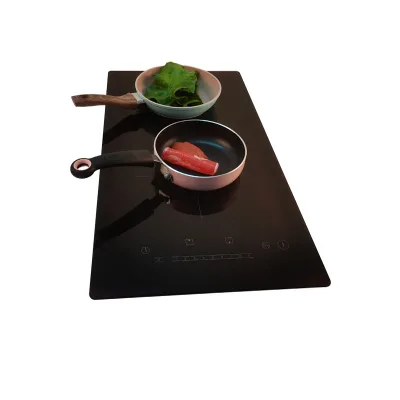
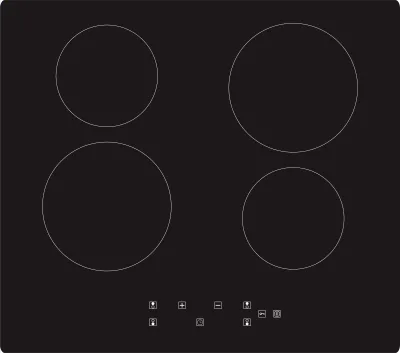


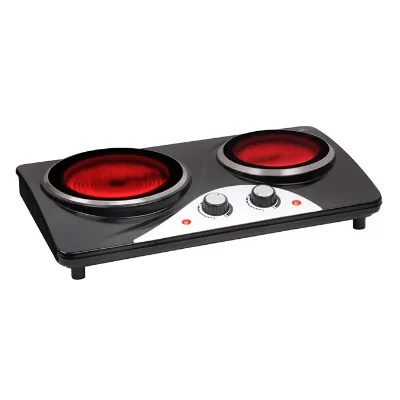
Comprehensive Sourcing Guide
Black Ceramic Glass Induction Cooktop Supplier Concentration and Factory Types
Current data indicates that manufacturers of black ceramic glass induction cooktops are concentrated in specific Chinese provinces, with Shandong and Guangdong emerging as primary hubs for this specialized glass and appliance production. Factories in these regions often specialize in distinct segments of the supply chain, ranging from raw glass processing to finished appliance assembly. Some entities operate strictly as manufacturers or factories, focusing on the production of materials like borosilicate glass, quartz tubes, and tempered ceramic panels. These facilities typically possess the technical capacity for grinding, tempering, and custom sizing of glass components required for high-heat applications.
Other suppliers in the results appear as combined entities or trading companies that may source finished goods or offer broader product lines including induction cookers and infrared cookers. These combined suppliers often provide ODM and OEM services, allowing for customization of glass size, color, and technical specifications. While some manufacturers hold ISO 9001 certifications, others may not display system certifications in their public profiles, requiring buyers to verify their quality management systems directly. The distinction between a pure glass factory and a combined appliance supplier is critical, as it dictates the depth of technical support and the scope of customization available for specific Black Ceramic Glass Induction Cooktop projects.
How to Verify Black Ceramic Glass Induction Cooktop Suppliers
Verification of suppliers for black ceramic glass induction cooktops relies heavily on third-party audit reports and specific verification badges rather than self-declared claims. The available data shows that some suppliers have undergone verification by agencies such as CTI, SGS, and BV, which provides a layer of confidence regarding their business legitimacy and operational stability. Buyers should prioritize suppliers with these external validations, as they indicate that an independent party has reviewed the company's credentials. However, the absence of a visible verification badge does not automatically disqualify a supplier, but it necessitates a more rigorous due diligence process to confirm their actual manufacturing capabilities and financial health.
Beyond verification badges, buyers must scrutinize the specific certifications listed for the products themselves, such as CE, RoHS, EMC, and CB marks, which are essential for market compliance in various regions. Some product listings explicitly state certifications like CE for heat-resistant glass panels, while others may lack this information entirely. It is vital to request current test reports that match the specific product model, such as the JOP or LS-3500Q series, to ensure the glass meets the required heat resistance and pressure standards. Relying solely on general company descriptions is insufficient; concrete evidence of product compliance and factory audits must be obtained before proceeding with any commercial agreement.
What to Compare Across Black Ceramic Glass Induction Cooktop Suppliers
When evaluating potential partners, buyers should compare key operational metrics such as lead times, minimum order quantities, and response speeds to determine supply chain compatibility. The data reveals significant variation in lead times, with some suppliers offering a 15-day turnaround while others require up to 30 days for production and delivery. Similarly, minimum order quantities can range from 100 units for glass components to 600 units for finished induction cooktops, directly impacting inventory costs and cash flow. Response times also differ, with some suppliers averaging around 4.28 hours and others taking over six hours, which can affect the speed of negotiation and problem resolution during the sourcing process.
In addition to logistical metrics, buyers must compare the scope of customization and technical specifications offered by different suppliers. Some manufacturers provide clear options for custom sizes, colors, and edge treatments like grinding or polishing, while others may have more rigid standard offerings. The main products listed by suppliers vary widely, from specialized glass sheets and tubes to complete induction cookers, influencing the level of integration a buyer can achieve. Comparing these attributes helps identify whether a supplier is better suited for a component-only strategy or a turnkey appliance solution, ensuring the selected partner aligns with the specific technical and commercial requirements of the Black Ceramic Glass Induction Cooktop project.
Common Black Ceramic Glass Induction Cooktop Sourcing Risks
One significant risk in sourcing black ceramic glass induction cooktops involves the inconsistency of product standards and material quality across different suppliers. While some listings specify standards like GB/T 9963 for tempered glass or claim high-class flatness, others may lack detailed technical specifications, leaving the buyer vulnerable to receiving substandard materials. The variation in heat resistance ratings, such as the 750-degree limit mentioned in some profiles, requires careful validation to ensure the glass can withstand the thermal stress of induction cooking without cracking or failing. Without rigorous quality control checks, buyers risk receiving products that do not meet safety or performance expectations, leading to potential returns and reputational damage.
Another critical risk is the potential mismatch between the supplier's claimed capabilities and their actual production capacity or certification status. Some suppliers list ODM and OEM capacities, yet their system certifications may be listed as NIL, creating uncertainty about their adherence to international quality management standards. Additionally, the reliance on third-party verification like CTI or SGS is not universal, and the absence of these badges may indicate a lack of external oversight. Buyers must be cautious of suppliers who promise extensive customization without providing concrete evidence of their ability to execute complex processing steps like tempering or grinding, as this can lead to production delays and compromised product integrity.
Black Ceramic Glass Induction Cooktop Regional Sourcing and Logistics
Sourcing black ceramic glass induction cooktops from China involves navigating logistics from specific manufacturing clusters, primarily located in Shandong and Guangdong provinces. These regions host a dense network of glass processing factories and appliance manufacturers, offering a competitive advantage in terms of supply chain efficiency and material availability. However, the distance between these hubs and international ports can impact shipping costs and transit times, which must be factored into the overall procurement budget. Buyers should consider the specific location of the factory when calculating landed costs, as logistics from Guangdong may differ from those originating in Shandong due to port proximity and regional infrastructure.
Logistical planning also requires attention to packaging standards, which vary significantly among suppliers and can affect the safety of fragile glass products during transit. Some suppliers utilize polywood cases for heavy glass shipments, while others may use standard cartons or gift boxes for finished cooktops. The choice of packaging directly influences the risk of breakage and the efficiency of container loading, making it a critical factor in the sourcing decision. Buyers should verify the packaging specifications for their specific order to ensure that the black ceramic glass induction cooktops are protected adequately against shock and vibration during long-distance shipping, thereby minimizing the risk of damage before the goods reach the destination.
Black Ceramic Glass Induction Cooktop Commercial Terms and Order Planning
Commercial terms for black ceramic glass induction cooktops vary widely based on the product type, ranging from raw glass sheets to fully assembled induction cookers. Price points can fluctuate significantly, with some glass components listed between $0.50 and $10.00 per unit, while finished cooktops may range from $48.00 to $51.00. These price differences reflect the complexity of the product and the level of value-added processing involved. Buyers must carefully analyze the price structure to understand what is included, such as whether the cost covers custom sizing, specific certifications, or specialized packaging, to avoid unexpected expenses during the order fulfillment process.
Order planning must also account for the specific minimum order quantities and customization lead times associated with each supplier. For instance, some suppliers require a minimum of 100 units for glass products, whereas finished appliance orders may start at 600 units. Customization options, such as specific glass sizes or colors, can extend lead times and require additional coordination with the manufacturer. Buyers should align their order volumes with the supplier's capacity and lead time capabilities to ensure timely delivery. Furthermore, understanding the payment terms and the availability of escrow services is essential for mitigating financial risk, ensuring that funds are only released once the agreed-upon quality and delivery standards are met.
FAQs
What is the price range for Black Ceramic Glass Induction Cooktop panels?
Prices for Black Ceramic Glass Induction Cooktop panels typically range from $0.50 to $100.00 per unit depending on specifications. Some suppliers list prices between $4.00 and $15.00 for specific thicknesses like 4mm. Buyers should verify exact pricing based on customization needs and order volume to ensure accurate budgeting for their production requirements.
What is the minimum order quantity for these glass panels?
The minimum order quantity for Black Ceramic Glass Induction Cooktop panels is generally 100 units. Some suppliers offering finished induction cookers may require a higher MOQ of 600 units. Buyers should confirm the specific MOQ with the supplier before placing an order to avoid any fulfillment issues or additional charges.
How long does it take to manufacture and ship these panels?
Lead times for manufacturing Black Ceramic Glass Induction Cooktop panels vary by supplier. Some manufacturers report a lead time of 15 days, while others may require up to 30 days. Buyers should confirm the exact production schedule with the supplier to ensure timely delivery for their specific project deadlines and inventory needs.
Are these glass panels heat resistant and what certifications do they have?
Yes, these panels are heat resistant and high pressure resistant, often withstanding temperatures up to 750 degrees. Many suppliers hold CE certification, and some products also meet RoHS, EMC, and CB standards. Buyers should verify specific certification documents and heat resistance ratings to ensure compliance with their regional safety regulations.
What is the typical response time from suppliers for inquiries?
Supplier response times for Black Ceramic Glass Induction Cooktop inquiries typically range from 4.28 to 6.05 hours. Faster response times indicate more active customer service teams. Buyers should expect replies within this window and consider suppliers with quicker responses for better communication and faster issue resolution during the sourcing process.
Can these glass panels be customized for specific sizes and applications?
Yes, customization is available for Black Ceramic Glass Induction Cooktop panels. Suppliers offer custom sizes, thicknesses like 4mm or 6mm, and specific edge treatments such as grinding or polishing. Buyers can request tailored dimensions and features to match their appliance designs, ensuring a perfect fit for their specific manufacturing requirements.
Where are these suppliers located and what is their verification status?
Suppliers for Black Ceramic Glass Induction Cooktop panels are primarily located in China, specifically in Shandong and Guangdong provinces. Verification statuses include CTI, SGS, and BV. Buyers should check the specific verification badge and location details to assess reliability and logistical convenience for their international shipping needs.