Incline Glass Kitchen Smoke Extractor Suppliers and Manufacturers
Source 19 verified Incline Glass Kitchen Smoke Extractor suppliers from Guangdong, China. Compare lead times, MOQs, certifications, and response rates to identify suitable manufacturers. Contact suppliers directly to request quotes and verify production capabilities; review the available evidence before requesting comparable quotations from suitable candidates.
Suppliers List
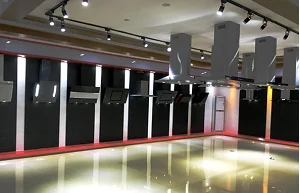
Foshan CookAid Appliances Co., Ltd.
- Manufacturer, Trading Company
- Guangdong, China
- Lead time35 days
- Avg. response≤ 4h
Main productsrange hood,gas hobs,induction hobs,ceramic hobs,built in ovens
Main marketsWestern Europe(25.0%), South Asia(10.0%), Eastern Asia(10.0%), Mid East(10.0%), Southeast Asia(10.0%), Eastern Europe(10.0%), Northern Europe(10.0%), North America(5.0%), Southern Europe(5.0%), South America(5.0%)
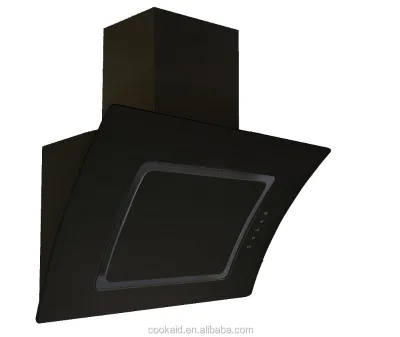
Incline Glass Kitchen Smoke Extractor
$76.00 - $82.00
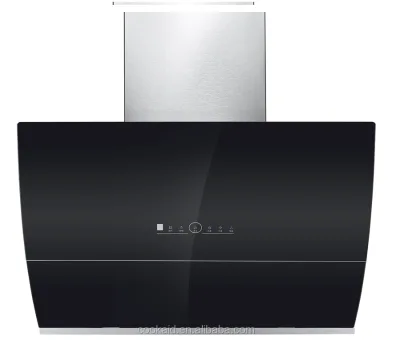
Chinese Style Glass Chimney Kitchen Smoke Extractor
$95.00 - $135.00
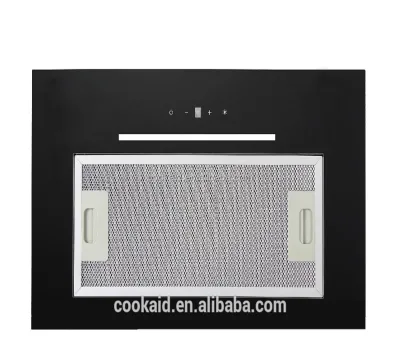
75cm Integrated Kitchen Smoke Extractor
$60.00 - $62.00

Zhongshan Yibo Technology Co., Ltd.
- Verified by SGS
- Combined
- China Guangdong
- Lead time30 days
- Avg. response≤ 2h
Main marketsSoutheast Asia/ Mideast,Domestic

Kitchen Appliance Wall-Mounted Kitchen Smoke Extractor Stainless Steel Kitchen Range Hood
$33.00 - $35.00
MOQ: 100 pieces

Hot Sale Telescopic Chimney Range Hood Household Kitchen Smoke Extractor with Touch Control
$50.00 - $60.00
MOQ: 50 pieces

Jiangsu Erhuan Environmental Technology Co., Ltd.
- Verified by BV
- Combined
- China Jiangsu
- Lead time30 days
- Avg. response≤ 15h
Main productsPrinting and Dyeing Spare Parts, Cartridge Dust Collector, Downdraft Bench, Cyclone Dust Collector, Downflow Dust Collector, Welding Fume Extractor, Laser Cutting Dust Collector, Stenter Clip, Chain Link, Monforts Parts
Main marketsSoutheast Asia/ Mideast,Domestic


Automatic Smoke Extractor for Laser Cutting Fume Extractor Dust Collector
$3000.00 - $10000.00
MOQ: 1 Sets


Dongguan Rui zhaohe Environmental Protection Equipment Co., Ltd
- Combined
- China Guangdong
- Lead time15 days
- Avg. response≤ 7h
Main productsKitchen Electrostatic Precipitator-Esp, Industrial Esp, Auto-Wash Esp, Activated Carbon Filter, Ecology Unit, Hood Type Esp, Oil Mist Collector, Mobile Cooking Station, Coffee Roaster Esp, Electrostatic Air Cleaner
Main marketsSouth America,Southeast Asia/ Mideast,East Asia(Japan/ South Korea),Europe,Australia


Dr Aire Over 95% Smoke Remove Oil Smoke Extractor for Commercial Kitchen
$690.00 - $1550.00
MOQ: 1 Pieces

Dr Aire Over 98% Smoke Remove Exhaust Smoke Extractor for Commercial Kitchen
$720.00 - $1250.00
MOQ: 1 Pieces


Dr Aire Over 95% Smoke Remove Industrial Air Extractor for Commercial Kitchen
$690.00 - $890.00
MOQ: 1 Pieces

Hong Kong Youmeng Studio Limited
- Trading Company
- Hongkong_China Hongkong
- Lead time0 days
- Avg. response≤ 2h
Main productsWaste Water Treatment/ Waste Gas Treatment

High-Efficiency Electrostatic Kitchen Fume Purifier Commercial Kitchen Smoke Extractor
$600.00 - $6000.00
MOQ: 1 Sets

Durable Electrostatic Kitchen Fume Purifier Industrial Kitchen Smoke Extractor System
$600.00 - $6000.00
MOQ: 1 Sets

CE Certified Electrostatic Kitchen Fume Purifier Industrial Smoke Extractor System
$600.00 - $6000.00
MOQ: 1 Sets

Lightweight Portable Oil Smoke Extractor for Canteen Mobile Integrated Kitchen Fume Purifier
$600.00 - $7000.00
MOQ: 1 Sets

High Efficiency Portable Oil Smoke Extractor Mobile Integrated Kitchen Fume Purifier
$600.00 - $7000.00
MOQ: 1 Sets

Efficient Integrated Commercial Oil Smoke Extractor Mobile Integrated Kitchen Fume Purifier
$600.00 - $7000.00
MOQ: 1 Sets

Jinan Huaxin Automation Engineering Co., Ltd.
- Verified by BV
- Combined
- China Shandong
- Lead time15 days
- Avg. response≤ 5h
Main productsWelding Fume Dust Collector/Extractor, Special Welding Equipment, Gas Mixer
Main marketsSouth America,Africa,Southeast Asia/ Mideast,Domestic,Europe,Australia,North America

Smoke Extractor/Welding Fume Extractor/Smoke Extractor/Dust Exhaust Collection
$1050.00 - $1200.00
MOQ: 1 Pieces


Boxing Motexo Industries Co., Ltd.
- Verified by SGS
- Trading Company
- China Shandong
- Lead time30 days
- Avg. response≤ 2h
Main productsCentrifugal Fan, Axial Fan, Mining Ventilation Fan, Jet Fan, Big Ass Cooling Fan, Tunnel Axial Fan, Metro Fans, Hvls Fan, Spray Cannon, Turbine Ventilator
Main marketsSoutheast Asia/ Mideast

KLEAN Environmental Technology Co., Ltd.
- Verified by BV
- Combined
- China Guangdong
- Lead time15 days
- Avg. response≤ 6h
Main productsElectrostatic Precipitator, Commercial Kitchen Equipment, Electrostatic Air Cleaner, Grease Filter, Oil Mist Collector, Electrostatic Filter, Smoke Eliminator, Fume Removal, Electronic Air Purifier, Fume Extractor
Main marketsDomestic


Klean Over 95% Smoke Remove Oil Smoke Extractor for Commercial Kitchen
$589.00 - $989.00
MOQ: 1 Pieces

Restaurant Fume Extractor with Esp Efficient Oil Smoke Purifier for Kitchens
$589.00 - $989.00
MOQ: 1 Pieces

Hebei Ruiao Machine Tool Accessories Producing Co., Ltd.
- Verified by SGS
- Combined
- China Hebei
- Lead time15 days
- Avg. response≤ 3h
Main productsCable Chain, Slideway Cover, Oil Mist Collector, Chip Conveyor and Chain, Cantilever Control Box
Main marketsOthers(foreignTradeCapacity.exportBusinessCapacityMarketOther),Southeast Asia/ Mideast,Europe,Australia,North America

Jinan Huaxin Automation Engineering Co., Ltd.
- Verified by TUVRHEINLAND
- Combined
- China Shandong
- Lead time15 days
- Avg. response≤ 2h
Main productsDust Collector, Welding Fume Extractor, Filter Cartridge, Gas Mixer
Main marketsSouth America,Africa,Southeast Asia/ Mideast,Europe,Australia,North America

ZHONG SHAN MEILONG ELECTRONIC CO.,LTD
- Verified by BV
- Combined
- China Guangdong
- Lead time30 days
- Avg. response≤ 2h
Main productsGas Stove, Range Hoods, Induction
Main marketsSouth America,Africa,Southeast Asia/ Mideast
Zhongshan Jiaye Electric Appliance Co., Ltd.
- Verified by SGS Group
- Manufacturer, Trading Company
- Lead time40 days
- Avg. response≤ 3h
Main productsGas Hob, Gas Stove, Gas Cooker, Gas Cooktop, Electric Hob
Main marketsSouth America(30%), Western Europe(20%), Southeast Asia(10%)

Shanghai Kaisen Environmental Technology Co., Ltd.
- Verified by TUVRHEINLAND
- Combined
- China Shanghai
- Lead time30 days
- Avg. response≤ 6h
Main productsWelding Dust Collector, Cutting Dust Collector, Dust Collector System, Polishing Dust Collector, Suction Arm, Filter Cartridge, Fume Extractor, Fume Extraction, Industrial Dust Collector, Fume Exhaust
Main marketsSoutheast Asia/ Mideast,Australia


Portable Welding Fume Extractor Smoke Extractor with Freestanding Exhaust Arms
$900.00 - $950.00
MOQ: 1 Pieces


Dongguan Pure-Air Tech Co., Limited
- Verified by BV
- Combined
- China Guangdong
- Lead time15 days
- Avg. response≤ 11h
Main productsDust Collector, Fume Extractor, Laser Cutting/Engraving Machine Fume Extractor, Laser Marking Machine Fume Extractor, Welding Fume Extractor, Soldering Fume Extractor, Laser Fume Extractor, Nail Dust Collector, Beauty Salon Fume Extractor, Grinding Dust Collector
Main marketsSouth America,Africa,Southeast Asia/ Mideast,East Asia(Japan/ South Korea),Europe,Australia,North America

Qingdao Power Space Environmental Protection Technology Co., Ltd.
- Manufacturer
- China Shandong
- Lead time15 days
- Avg. response≤ 6h
Main productsFume Extractor, Laser Fume Extractor, Downdraft Table, Fume Extraction Tower, Industrial Dust Collector
Main marketsEurope,Australia,North America

Pulse Jet Clean Smoke Extractor for Laser Smoke Extractor Laser Smoke Filter
$2666.00 - $6999.00
MOQ: 1 set


Automatic Cleaning Smoking Instrument Smoke Fume Extractor with CE Certification
$3676.00 - $7830.00
MOQ: 1 set


Automatic Clean Integrated Sand Blasting Dust Collector Laser Smoke Extractor
$2666.00 - $6666.00
MOQ: 1 set

Chungho Environmental Protection Technology Chengdu Co., Ltd.
- Verified by BV
- Trading Company
- China Sichuan
- Lead time15 days
- Avg. response≤ 2h
Main productsMist Collector, Dust Collector, Fume Extractor, Vacuum Cleaner, Air Filter, Oil Skimmer, Oil Water Separator, Oil Purifier
Main marketsSouth America,Southeast Asia/ Mideast,Europe,North America


Modular Design Smoke Extractor with Washable Filters - Ideal for Laser Engraving/Welding
$305.00 - $330.00
MOQ: 1 Pieces

Zhengzhou Dana Photoelectric Technology Co., Ltd.
- Verified by TUVRHEINLAND
- Combined
- China Henan
- Lead time15 days
- Avg. response≤ 1h
Main productsLaser Engraving Machine, Tij Printer, Laser Marking
Main marketsSoutheast Asia/ Mideast,Domestic


Industrial Large Airflow Fog/Smoke/Mist/Smog Dust Smoke Purifier Smog Extractor
$350.00 - $450.00
MOQ: 1 Sets

Shengzhou Jilu Ventilation Equiment Co., Ltd.
- Verified by Intertek
- Manufacturer, Trading Company
- Lead time45 days
- Avg. response≤ 2h
Main productsRange Hood, BBQ Grill, Back Splash
Main marketsNorth America(90%), Oceania(10%)
Guangdong Leapin Environmental Technology Co., Ltd.
- Verified by SGS Group
- Manufacturer, Trading Company
- Lead time15 days
- Avg. response≤ 2h
Main productsCentrifugal Fan, axial fans, registers& grilles, Blower, HVAC parts
Main marketsDomestic Market(90%), South Asia(6%), Mid East(2%)


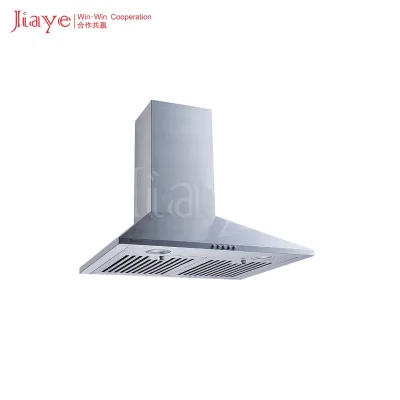
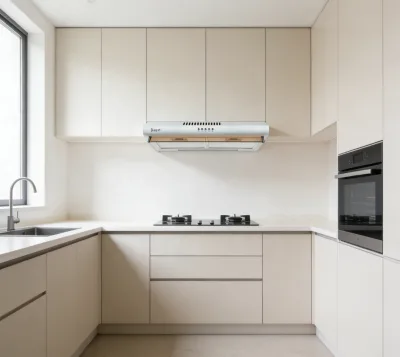


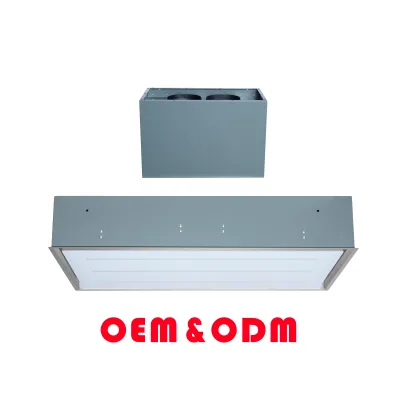
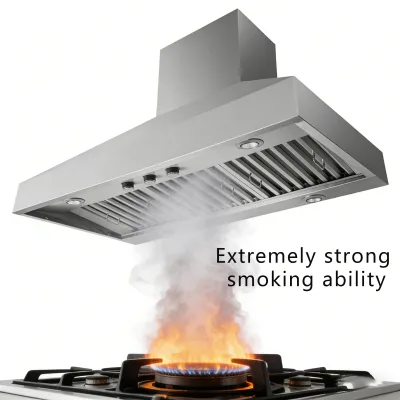
Comprehensive Sourcing Guide
Incline Glass Kitchen Smoke Extractor Supplier Concentration and Factory Types
The available data indicates that suppliers for incline glass kitchen smoke extractors are concentrated in Guangdong, China, a region known for its extensive home appliance manufacturing ecosystem. This location serves as a primary hub where both manufacturers and trading companies operate to produce range hoods, gas hobs, induction hobs, and built-in ovens. Buyers should recognize that the presence of these specific product categories within a single facility often signals a specialized production line capable of handling complex glass and metal assembly required for incline designs. The concentration in this specific province suggests a mature supply chain for components like motors and tempered glass, which are critical for the structural integrity of these units.
When evaluating the company types in this region, buyers will encounter a mix of direct manufacturers and trading companies, each offering distinct advantages for sourcing incline glass kitchen smoke extractors. Manufacturers typically provide direct access to production lines and may offer more flexibility for customization, such as OEM branding or specific motor configurations like the Cooper Motor observed in some listings. Trading companies, on the other hand, often aggregate products from multiple factories, potentially offering a broader range of styles including European or Chinese styles. It is essential to verify the specific company type for each supplier, as this determines the level of control over the manufacturing process and the ability to enforce quality standards during production.
How to Verify Incline Glass Kitchen Smoke Extractor Suppliers
Verification of suppliers for incline glass kitchen smoke extractors requires a rigorous check of their system certifications and verification status to ensure legitimacy. Some suppliers in the current results hold a Declaration of Conformity, while others possess an ISO9001:2015 certificate, indicating adherence to international quality management standards. Additionally, verification badges such as SGS can serve as a third-party confirmation of the supplier's operational integrity. Buyers must not assume all suppliers possess these credentials; instead, they should request specific documentation for each potential partner to confirm that the incline glass kitchen smoke extractors meet the necessary safety and performance benchmarks before proceeding with any order.
Beyond certifications, buyers should assess the supplier's response time and the depth of their product evidence to gauge reliability. A response time of four hours or less, such as the 1.45 hours observed in some verified profiles, suggests a highly responsive team capable of addressing technical queries regarding the incline glass kitchen smoke extractors quickly. Furthermore, detailed product attributes like power consumption, air exhaust rates, and housing materials provide tangible proof of the supplier's capability. Buyers should scrutinize these details to ensure the supplier can deliver units that match specific application needs, whether for hotels or households, and confirm that the after-sales service provided, such as free spare parts, is clearly defined in their terms.
What to Compare Across Incline Glass Kitchen Smoke Extractor Suppliers
Comparing suppliers for incline glass kitchen smoke extractors involves analyzing key operational metrics such as lead time, supply ability, and pricing structures to determine the best fit for procurement needs. Lead times can vary significantly, with some suppliers offering a 30-day turnaround while others require up to 35 days. Supply ability is another critical factor, with monthly capacities ranging from 6,000 to 8,000 cartons, which directly impacts the ability to fulfill large orders without delay. Buyers must align these production capacities with their own demand forecasts to avoid stockouts or production bottlenecks when sourcing these specific kitchen appliances.
Pricing and product specifications also require careful comparison across different suppliers to ensure value for money. The price range for incline glass kitchen smoke extractors can vary from approximately $60 to $135, depending on features like app control, noise levels, and exhaust rates. Some models offer advanced features such as low noise operation or smart home integration, while others focus on basic functionality with standard aluminum filters. Buyers should evaluate the trade-off between cost and features, ensuring that the selected unit meets the required voltage, plug type, and energy efficiency ratings for their target market. Additionally, comparing warranty terms, such as the standard one-year coverage, helps in assessing the long-term value and risk associated with each supplier.
Common Incline Glass Kitchen Smoke Extractor Sourcing Risks
One significant risk in sourcing incline glass kitchen smoke extractors is the variability in product specifications and the potential for mismatched expectations regarding performance. While some listings specify an air exhaust rate of 21 cubic meters per minute, others may offer lower rates, which could impact the effectiveness of the unit in larger kitchen spaces. Buyers must carefully review the technical data provided, such as power consumption and noise levels, to ensure the product aligns with the intended application environment. Failure to verify these details can lead to the receipt of units that do not meet the required performance standards, resulting in customer dissatisfaction and potential returns.
Another risk involves the complexity of logistics and the potential for damage during transit, particularly given the fragile nature of glass components in incline designs. Packaging details, such as export cartons designed to meet mail order drop test standards, are crucial for protecting the product during shipping. However, buyers should verify that the packaging is robust enough to handle the specific dimensions and weight of the incline glass kitchen smoke extractors, which can vary from 12 kg to 28 kg depending on the model. Inadequate packaging can lead to breakage, increasing costs and delaying delivery. Additionally, the port of dispatch, such as Zhongshan or Nansha, should be considered when planning logistics to ensure efficient and cost-effective transportation to the final destination.
Incline Glass Kitchen Smoke Extractor Regional Sourcing and Logistics
Sourcing incline glass kitchen smoke extractors from Guangdong, China, offers logistical advantages due to the region's well-established infrastructure and proximity to major shipping ports. The concentration of manufacturers in this area facilitates efficient coordination between production and logistics, reducing the time required to move goods from the factory floor to the port of dispatch. Buyers should leverage this regional advantage by selecting suppliers located near key ports like Zhongshan or Nansha, which can streamline the shipping process and minimize transit times. This proximity also allows for easier communication and potential site visits, which can be beneficial for quality control and building strong supplier relationships.
However, buyers must also consider the specific logistics requirements associated with shipping heavy and fragile items like incline glass kitchen smoke extractors. The single package size and gross weight of these units, which can range from 95x45x56 cm to 95x58x65 cm and weigh up to 28 kg, necessitate careful planning for container loading and handling. Export carton packing or CKD (knocked-down) options may be available, but the buyer must confirm the specific packaging details to ensure the units arrive in perfect condition. Additionally, the supply ability of the supplier, measured in cartons per month, should be factored into the logistics plan to ensure that the shipping schedule aligns with the production capacity and avoids delays in fulfilling orders.
Incline Glass Kitchen Smoke Extractor Commercial Terms and Order Planning
Commercial terms for incline glass kitchen smoke extractors often include specific details regarding customization, warranty, and after-sales support that buyers must carefully review before placing an order. Many suppliers offer customization options, allowing for OEM branding and specific design modifications to meet unique market requirements. Warranty terms typically cover a period of one year, providing a safety net for manufacturing defects, but buyers should verify the scope of this coverage and the process for claiming free spare parts if needed. Understanding these terms is essential for managing risk and ensuring that the supplier is committed to supporting the product throughout its lifecycle.
Order planning for incline glass kitchen smoke extractors requires a strategic approach to managing lead times and supply capacity to meet market demands. With lead times ranging from 30 to 35 days and monthly supply abilities between 6,000 and 8,000 cartons, buyers must plan their orders well in advance to avoid delays. It is crucial to communicate clearly with the supplier regarding the required delivery dates and to confirm that the production schedule can accommodate the order volume. Additionally, buyers should consider the impact of seasonal demand fluctuations and plan accordingly to ensure a steady supply of incline glass kitchen smoke extractors to their customers, maintaining a competitive edge in the market.
FAQs
What is the price range for incline glass kitchen smoke extractors?
The price range for these units typically falls between 60 and 135 dollars per unit. Specific costs depend on the model features, such as power consumption or smart capabilities. Buyers should verify exact pricing based on their required quantity and specific product attributes before placing an order.
Where are these kitchen smoke extractors manufactured?
These products are manufactured in Guangdong, China. The place of origin is consistently listed as Guangdong for the available models. Buyers should confirm the specific factory location and shipping port details, such as Zhongshan or Nansha, to ensure accurate logistics planning for their import needs.
How long does it take to receive an order?
The standard lead time for these products is approximately 30 to 35 days. This duration covers production and preparation for shipment. Buyers must confirm the exact delivery schedule with the supplier, as lead times can vary based on order volume and current production capacity at the manufacturing facility.
What certifications do these range hoods hold?
Available certifications include Declaration of Conformity and ISO9001:2015 certificates. Some suppliers also hold SGS verification status. Buyers should request specific certification documents for the exact model they intend to purchase to ensure compliance with local safety and quality standards in their target market.
What is the minimum order quantity for these extractors?
The provided facts do not specify a minimum order quantity for these units. Buyers must contact the supplier directly to confirm the MOQ requirements. This information is critical for planning procurement budgets and ensuring the order meets the manufacturer's production thresholds before finalizing any purchase agreement.
What is the response time for supplier inquiries?
Supplier response times vary, with some reporting a response time of 4 hours and others around 1.45 hours. Buyers should expect a reply within this timeframe but must verify the current status with the specific vendor. Faster response times often indicate higher availability for immediate communication regarding order details.
What warranty is provided for these kitchen appliances?
Most models come with a standard one-year warranty covering defects. This warranty typically includes free spare parts for after-sales service. Buyers should review the specific warranty terms provided by the manufacturer to understand coverage limits and claim procedures for any potential issues after installation.